
Micro Cement Flooring Services in Pakistan
Introduction
Micro cement flooring has become one of the most sought-after surface finishes worldwide — and Pakistan is no exception. Combining the sleek, continuous look of polished concrete with the warmth and flexibility of resin systems, micro cement (also called microconcrete or microtopping) delivers modern aesthetics, outstanding durability, and minimal maintenance. At Unicorn Flooring, we specialize in full-service micro cement installations across Pakistan, from Karachi and Lahore to Islamabad and beyond.
Whether you’re renovating a home, fitting out a café, or upgrading a retail or office space, micro cement provides a seamless, contemporary look without the need to demolish existing substrates. In this comprehensive guide, we’ll walk you through what micro cement is, its benefits, the installation process, cost factors specific to Pakistan, maintenance tips, and frequently asked questions — all focused on helping you decide if micro cement is the right choice and why Unicorn Flooring is the right team.
What is Micro Cement?
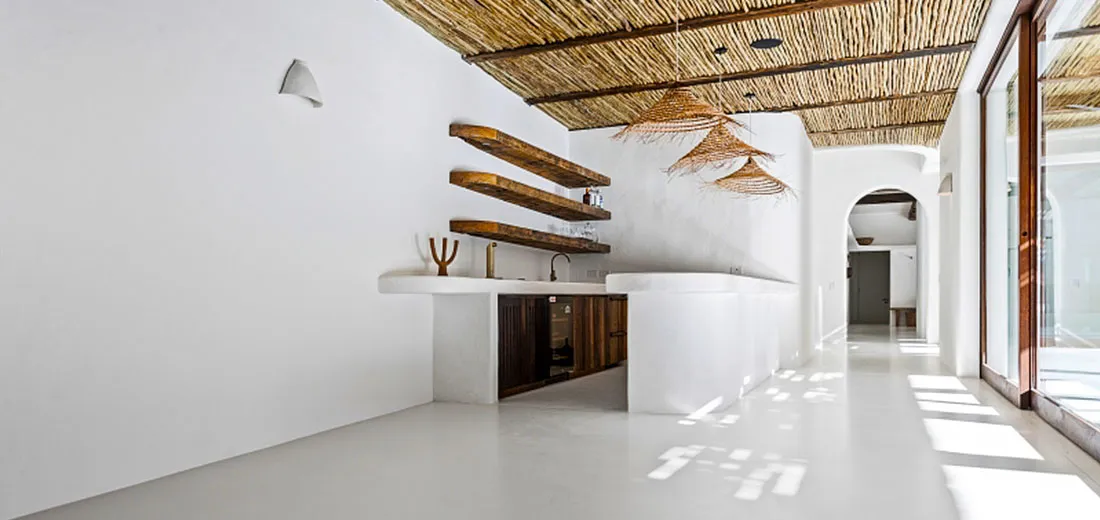
Micro cement is a polymer-modified cement-based coating that creates a thin, continuous layer (typically 2–3 mm) over existing floors and walls. Unlike traditional screeds or toppings, it’s lightweight, flexible, and can be applied to a variety of substrates including concrete, tile, plywood (with proper preparation), and cementitious screeds. The result is a smooth, virtually seamless surface available in many textures and finishes — from matte to high gloss and polished looks.
Key characteristics
- Thin application layer: usually 1.5–3 mm thick.
- Seamless finish: no grout lines or joints when applied correctly.
- High adhesion: bonds to multiple substrates when primers and bonding agents are used.
- Versatile finish options: colors, textures, anti-slip additives, and metallic effects.
- Durability: resistant to abrasion and regular domestic/commercial traffic when sealed.
Why Choose Micro Cement in Pakistan?
1. Aesthetic flexibility
Micro cement offers a modern, minimalist look that fits contemporary interior design trends. It mimics polished concrete but is far more adaptable — you can achieve soft, earthy tones or urban industrial aesthetics depending on pigment and finishing techniques.
2. Minimal demolition — fast renovation
One of the biggest advantages is installing micro cement over existing floors. This reduces demolition waste and saves time and money compared to full floor replacement — a major benefit in urban Pakistani homes or commercial spaces where downtime is costly.
3. Weather-resistant and workable in local climates
Polymer-modified micro cement systems perform well in Pakistan’s diverse climates. When correctly installed and sealed, the floor tolerates temperature fluctuations and humidity, making it suitable for Karachi’s coastal humidity or Lahore’s seasonal temperature swings.
4. Durable and easy to maintain
With the right sealer, micro cement resists daily wear and tear, spills, and stains. Routine cleaning requires only mild detergents and occasional re-sealing depending on traffic levels.
5. Hygienic and seamless
Seamless surfaces limit places for dust and bacteria to accumulate, making micro cement a good choice for modern kitchens, bathrooms, clinics, and commercial kitchens when paired with appropriate sealers and anti-bacterial topcoats.
Popular Uses of Micro Cement in Pakistan
- Residential: living rooms, bedrooms, bathrooms, kitchens, terraces, and staircases.
- Commercial: retail stores, showrooms, office lobbies, restaurants, and café floors.
- Hospitality: hotel lobbies, guest rooms, bars, and restaurants.
- Wet areas: bathrooms and shower spaces when properly waterproofed and sealed.
- Exterior applications: terraces and balconies (with suitable waterproofing and UV-stable sealers).
Micro Cement vs Other Flooring Options
Micro Cement vs Polished Concrete
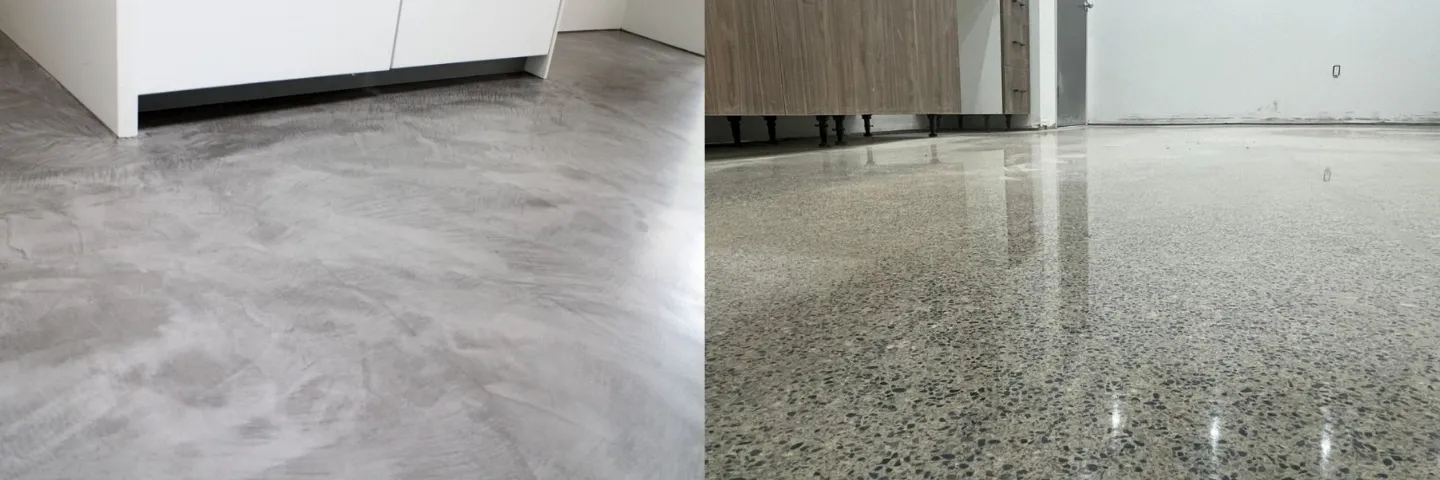
- Thickness: Micro cement is much thinner and can be applied on top of existing floors. Polished concrete requires grinding and polishing the concrete slab.
- Speed: Micro cement installs faster with less disturbance.
- Versatility: Micro cement allows more color variation and can be applied to different substrates.
Micro Cement vs Tiles
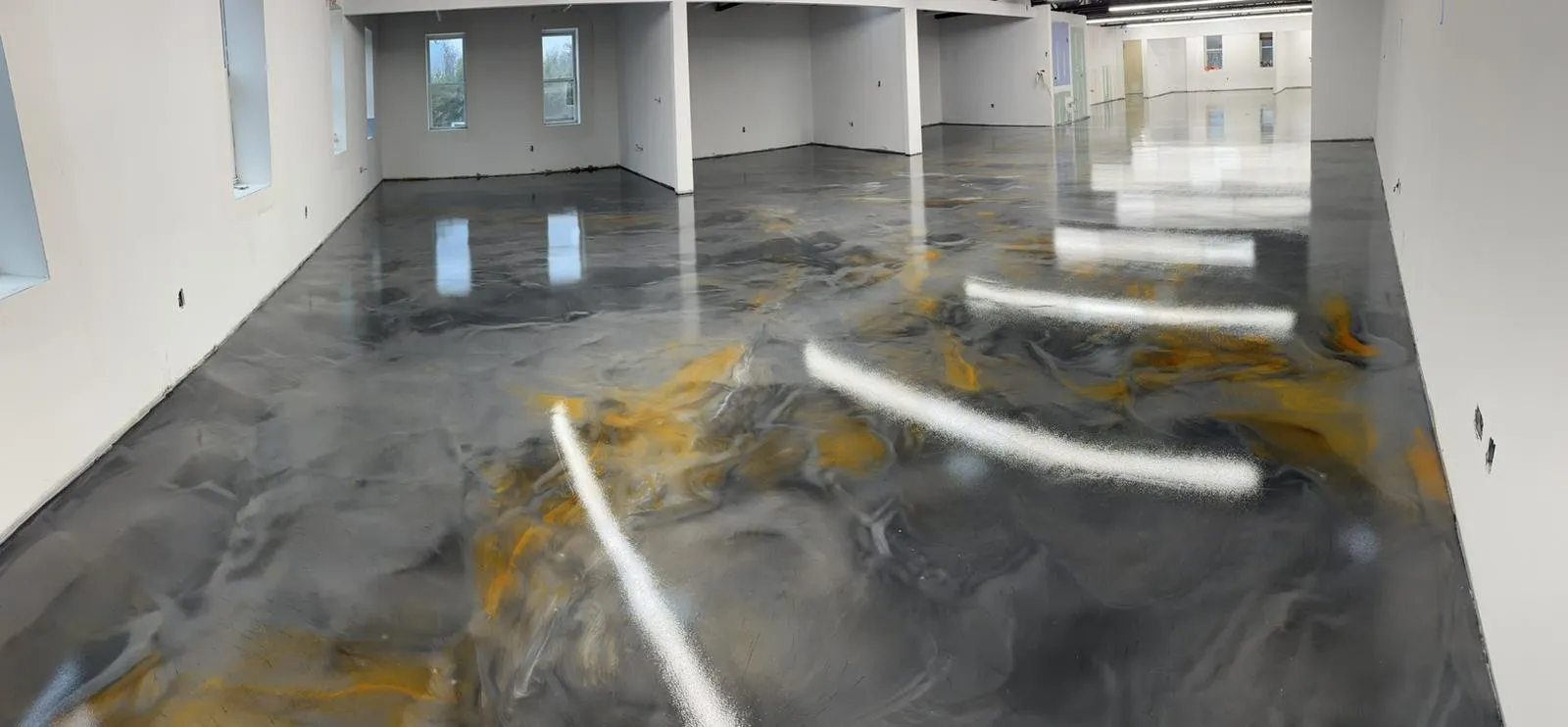
- Appearance: Epoxy often has a glossy look and can yellow over time in sunlight. Micro cement offers a more natural concrete-like aesthetic and better UV stability with appropriate additives.
- Flexibility: Micro cement is more flexible, making it better at handling minor substrate movement.
- Application: Epoxy needs a fully sound, prepared substrate and is thicker. Micro cement can be feathered onto uneven areas more easily.
Micro Cement vs Epoxy Flooring
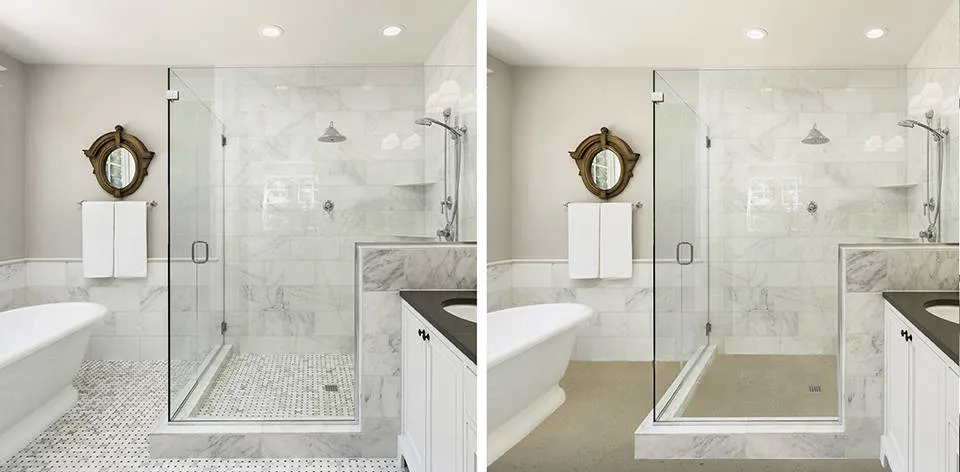
- Seamless: Micro cement creates a continuous surface without grout lines — tiles do not.
- Installation: Laying tiles may involve demolition if existing tiles aren’t compatible. Micro cement can often be applied on top of tiles (with caution and correct prep).
The Unicorn Flooring Micro Cement Process (Step-by-Step)
At Unicorn Flooring we follow a systematic, quality-driven process to ensure longevity and finish quality.
1. Site assessment and substrate inspection
Our team inspects the substrate (concrete, tile, screed, or plywood) to determine adhesion readiness and identify cracks, movement joints, or moisture issues. Moisture testing is performed where necessary.
2. Surface Preparation
Preparation is critical. Depending on the substrate we may:
- Mechanically grind or shot-blast the surface to create a key (for strong adhesion).
- Clean the floor thoroughly to remove contaminants, oils, and debris.
- Fill significant cracks and level deep depressions with suitable repair mortars.
3. Primer application
A high-quality primer ensures proper bonding between the substrate and the micro cement basecoat. Primers also act as moisture barriers where needed.
4. Basecoat application
We apply the micro cement basecoat in thin layers — typically two coats — allowing enough curing time between coats. Reinforcement fibers or mesh are used in areas prone to movement.
5. Fine finishing coats
After the basecoat cures, fine finishing coats are troweled to achieve the desired texture and visual effect. Skilled artisans use trowels, spatulas, and burnishing tools to create subtle patterns or smooth finishes.
6. Sanding and smoothing
To achieve a uniform finish, our installers lightly sand between coats. This helps remove trowel marks and ensures perfect adhesion for the topcoat.
7. Sealing and topcoat
A quality sealer (water-based or solvent-based polyurethane, epoxy topcoats for some applications) is applied to protect the micro cement. For wet areas or exteriors, we recommend specific waterproofing membranes and UV-stable sealers.
8. Curing & handover
Final curing time depends on ambient conditions and the selected sealer. We provide post-installation care advice and timelines before handing over the site to ensure your floor performs well from day one.
Cost Factors in Pakistan (What to Expect)
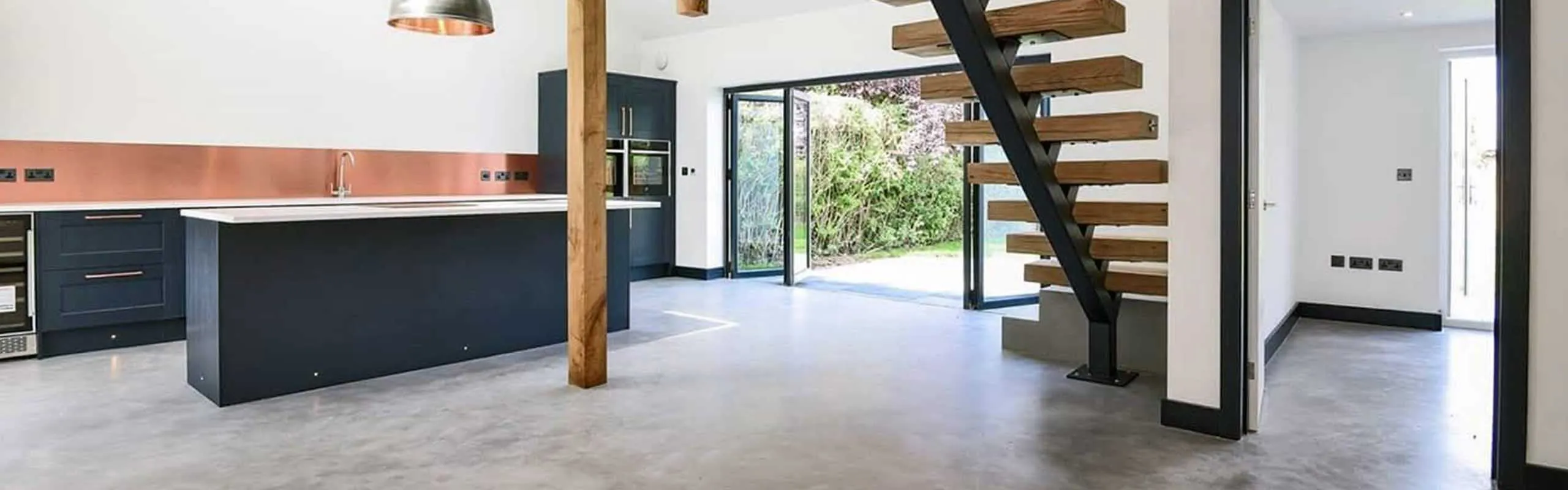
Micro cement costs in Pakistan vary depending on several factors. Below are the main components that influence price:
- Surface preparation complexity: If extensive grinding, crack repair, or leveling is required, costs rise.
- Substrate type: Applying over tiles or plywood may require additional primer or reinforcement.
- Area size: Larger areas reduce per-square-foot costs due to economies of scale.
- Finish type: Polished/high-gloss finishes and custom pigments are more expensive.
- Sealant and topcoat choice: High-performance sealers and anti-slip coatings add to the total.
- Labor and expertise: Experienced installers (like Unicorn Flooring) charge more but deliver superior results and warranties.
Typical price range in Pakistan (indicative)
- Basic micro cement (residential, standard finish): PKR 700–1,500 per sq. ft.*
- Premium finishes (polished, metallic effects, bespoke textures): PKR 1,500–3,000 per sq. ft.*
- Wet areas with waterproofing: Add PKR 300–800 per sq. ft. depending on waterproof system.
Note: These are indicative ranges — actual quotes depend on site inspection. Unicorn Flooring provides free site assessments and transparent quotations.
Maintenance & Care
Micro cement is relatively low-maintenance compared to many floor types, but proper care will extend its life and preserve its appearance.
Daily cleaning: Sweep or vacuum regularly to remove dust and grit. Mop with a damp mop and a pH-neutral cleaner.
Avoid harsh chemicals: Do not use strong acidic or alkaline cleaners as they can degrade sealers. Avoid abrasive scouring pads.
Address spills quickly: Wipe up liquids promptly to avoid staining. With correct sealing, most spills are easily removed.
Re-sealing: For high-traffic areas, re-seal every 2–5 years depending on wear. Unicorn Flooring offers maintenance contracts and periodic inspections.
Repairing minor damage: Small scratches or chips can be repaired locally by trained technicians without replacing the whole floor.
Common Concerns & Troubleshooting
Cracking
Micro cement is thin and flexible but can reflect significant movement from the substrate. Proper substrate preparation, using reinforcement mesh over movement joints, and correct curing reduce the risk.
Slipperiness
Polished finishes may be slippery when wet. We can add anti-slip aggregates or choose matte finishes and anti-slip sealers for wet areas.
Moisture issues
Rising damp or high moisture substrates can affect adhesion or cause bubbling. Conducting moisture tests and, if needed, installing moisture barriers is essential before installation.
UV and color stability
Some topcoats can yellow or fade under strong UV exposure. We recommend UV-stable sealers for terraces, balconies, and sunrooms.
Maintenance Tips
- Clean regularly: Use a damp mop and mild detergent.
- Avoid harsh chemicals: Acidic or abrasive cleaners can damage the sealer.
- Re-seal every 2–4 years: Maintains shine and protection.
- Repair minor damage promptly: Our team can restore small scratches or chips easily.
Why Unicorn Flooring?
- Professional Expertise: Trained technicians and modern application techniques.
- Premium Materials: Imported micro cement systems for maximum longevity.
- Design Variety: Choose from matte, satin, or glossy finishes.
- On-Time Completion: Fast installation with minimal disruption.
- Warranty & Support: We offer post-installation maintenance and product guarantees.
Conclusion
Micro cement flooring is a stylish, durable, and low-maintenance option perfect for modern Pakistani spaces. Whether you’re designing a sleek office, a cozy home, or a high-traffic commercial area, it delivers exceptional results.
Unicorn Flooring brings expertise, quality materials, and design creativity to every project. Contact us today for a free consultation and discover how our micro cement flooring services can redefine your interiors with seamless beauty and lasting performance.
FAQ'S
Yes, with proper preparation and priming, it bonds well to existing tiles.
When sealed correctly, micro cement becomes water-resistant and suitable for wet areas.
Typically 3–7 days, depending on project size and surface condition.
Yes, with UV-stable sealers and proper waterproofing, it works well on terraces and balconies.
With proper care and sealing, it can last 10–15 years or more.