
Introduction: Why Epoxy Floors Need Regular Maintenance in Pakistan
Pakistani businesses invest heavily in epoxy flooring. Moreover, they expect long-term results. However, without proper care, these floors deteriorate faster than expected.
Epoxy flooring is popular in factories, warehouses, hospitals, and commercial spaces across Pakistan. In addition, it resists chemicals, dust, and heavy foot traffic. But daily wear takes a toll on even the toughest surfaces.
The climate in Pakistan adds another layer of challenge. Summers in cities like Karachi, Lahore, and Faisalabad bring extreme heat. Consequently, floor coatings expand and contract. This weakens the bond between the epoxy and the concrete base.
Furthermore, dusty environments in industrial zones cause surface scratches. Heavy machinery, forklifts, and chemical spills accelerate damage. As a result, businesses lose money on premature floor replacements.
This complete epoxy flooring maintenance Pakistan checklist helps you avoid those costly mistakes. Follow it step by step. Your floor will last longer, look cleaner, and perform better.
Understanding Epoxy Flooring Basics for Pakistani Business Owners
What Is Epoxy Flooring?
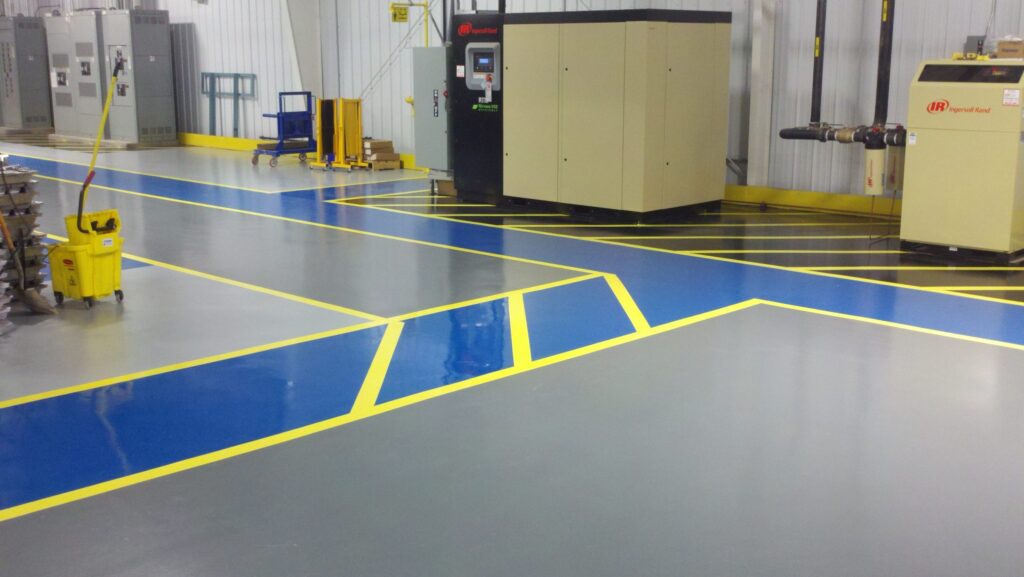
Epoxy flooring is a surface coating system. It combines resin and hardener. When mixed, they create a rigid, durable layer on top of concrete.
This floor type is common in:
- Manufacturing plants in Lahore and Sialkot
- Food processing units in Punjab and Sindh
- Pharmaceutical warehouses across Pakistan
- Retail showrooms in Islamabad and Karachi
- Automobile workshops and garages
Why Pakistani Businesses Choose Epoxy Floors
First, epoxy floors are highly resistant to chemicals. Second, they are easy to clean. Third, they reduce dust. In addition, they provide a professional appearance.
Industrial floor coating Pakistan options vary. Some are thin coatings. Others are thick self-leveling systems. The type you choose affects your maintenance approach.
Understanding your specific epoxy system is the first step. Therefore, always keep your product documentation accessible.
Daily Epoxy Floor Cleaning Guide
Morning Cleaning Routine
Start every workday with a floor inspection. Walk across the entire floor surface. Look for spills, debris, or surface damage.
Next, remove loose dirt using a soft-bristle broom or a dust mop. Do not use metal bristles. Metal scratches the epoxy coating surface.
After sweeping, mop with a pH-neutral cleaner. Dilute it properly with water. Strong chemicals damage the floor coating. Specifically, avoid bleach and ammonia-based products.
Evening Cleaning Routine
At the end of each workday, repeat the cleaning process. Pay extra attention to high-traffic zones. These areas collect more grease and grime.
Dry the floor completely after mopping. Wet floors cause slipping accidents. Also, standing water weakens the epoxy bond over time.
Use a dry microfiber mop for the final pass. This removes moisture effectively. Furthermore, it leaves a clean, streak-free surface.
Products to Avoid on Epoxy Floors
Avoid these products entirely:
- Soap-based cleaners (leave residue)
- Citrus cleaners (acidic damage)
- Vinegar solutions (pH imbalance)
- Steel wool pads (surface scratches)
- Abrasive powder cleaners
Use only manufacturer-approved floor cleaning products. Consult your floor coating longevity guide before trying new products.
Weekly Maintenance Checklist
Step 1 – Deep Clean the Entire Floor Surface
Once a week, perform a deeper clean. Use a floor scrubbing machine if available. It removes embedded dirt that regular mopping misses.
Add a degreaser to areas with oil or grease buildup. Allow it to sit for five minutes. Then scrub and rinse thoroughly.
Step 2 – Inspect Joints and Edges
Check expansion joints every week. These are the gaps between floor sections. Dirt accumulates there quickly.
Clean joints with a narrow brush. Remove debris gently. Do not use sharp tools that scratch the surrounding epoxy.
Step 3 – Check for Surface Scratches
Light scratches appear over time. This is normal. However, deep scratches expose the concrete underneath.
Mark damaged areas with tape. Schedule a repair before moisture enters. Water penetration leads to delamination. Consequently, entire floor sections lift and crack.
Step 4 – Inspect for Chemical Damage
Chemical spills leave stains or discoloration. Look for yellowish or whitish patches. These indicate acid or alkali exposure.
Clean chemical residue immediately after spills. Do not wait. Prolonged contact causes irreversible surface damage.
Monthly Epoxy Floor Inspection Checklist
Visual Inspection Process
Monthly inspections go deeper than weekly checks. Bring a strong flashlight. Inspect every corner, edge, and joint.
Document your findings. Take photos of problem areas. This helps you track deterioration over time.
Check for Delamination
Delamination happens when epoxy separates from the concrete. You will notice bubbles or hollow-sounding areas.
Tap the floor gently with your knuckle. A hollow sound confirms delamination. Mark these spots for immediate professional repair.
Measure Traffic Wear Patterns
Identify the most worn paths. These are usually near entry points, loading docks, and machine stations.
Apply a fresh topcoat to worn areas. This restores surface protection. Additionally, it prevents further concrete exposure.
Anti-Slip Surface Check
Safety is non-negotiable in Pakistani industrial settings. Check anti-slip floor maintenance regularly.
Walk slowly across the entire surface. Test grip in wet conditions. If the floor feels slippery, apply an anti-slip additive to the next topcoat application.
Seasonal Maintenance – Climate-Specific Tips for Pakistan
Summer Maintenance (April to September)
Pakistani summers are intense. Temperatures exceed 45°C in many cities. Heat causes thermal expansion in floor coatings.
Avoid heavy machinery on the floor during peak afternoon heat. Additionally, ensure adequate ventilation in warehouses. Poor airflow traps heat and weakens the epoxy surface.
Clean floors early in the morning or late evening. This reduces cleaning chemical evaporation. Moreover, it allows proper drying time.
Monsoon Maintenance (July to September)
Humidity spikes during monsoon season. Moisture enters through cracks and joints. This causes the floor to blister.
Increase inspection frequency during monsoons. Check drainage channels daily. Block floor drains only when necessary during heavy flooding.
Apply a moisture-resistant sealer before monsoon season begins. This adds an extra protective layer. Consequently, your floor stays intact even in high-humidity conditions.
Winter Maintenance (November to February)
Winter is actually the best season for floor repairs in Pakistan. Lower temperatures slow down chemical reactions. Epoxy cures more evenly in moderate temperatures.
Schedule major repairs and recoating in winter. This gives the coating enough time to cure properly. As a result, repairs last longer and bond stronger.
Epoxy Floor Repair Pakistan – When and How
When to Repair Instead of Replace
Repair is always cheaper than replacement. However, knowing when to repair is critical.
Repair when:
- Surface scratches are shallow and localized
- Small chips appear near edges
- Minor delamination is detected early
- Color fading affects appearance but not structure
Replace when:
- Delamination covers more than 30% of the surface
- Concrete base is severely damaged
- Floor has been flooded multiple times
- Chemical damage goes deep into the substrate
DIY Repair vs. Professional Repair
Small scratches and chips are DIY-friendly. Use an epoxy patch kit. Follow the manufacturer’s mixing ratio carefully. Apply in thin layers. Allow each layer to cure fully.
However, large cracks and delamination require professional help. Find certified floor coating contractors in Pakistan. They have proper tools and materials. Furthermore, they provide warranties on their work.
Chemical Resistant Flooring Pakistan – Maintenance for Industrial Zones
Industries That Need Extra Care
Certain industries put extreme stress on epoxy floors. These include:
- Chemical manufacturing in Karachi
- Textile dyeing units in Faisalabad
- Food and beverage plants in Punjab
- Battery manufacturing facilities
- Fertilizer production units
Spill Response Protocol
Speed is everything with chemical spills. Respond within two minutes. First, block the spill area. Next, neutralize the chemical with an appropriate agent. Then clean and rinse.
Never let chemicals sit overnight on an epoxy floor. Even chemical resistant flooring Pakistan options have their limits. Prolonged exposure breaks down even the toughest coatings.
Record All Chemical Exposures
Maintain a spill log. Record the date, chemical type, and area affected. Review this log during monthly inspections.
This data helps you predict which areas need early repair. Moreover, it supports insurance claims if floor damage becomes a liability issue.
Warehouse Floor Maintenance Pakistan – Heavy Load Management
Forklift and Machinery Guidelines
Forklifts are the biggest threat to warehouse floors. Their hard wheels concentrate weight on tiny contact points.
Follow these rules:
- Use rubber-wheeled forklifts whenever possible
- Place load-spreading mats under stationary heavy equipment
- Avoid sharp turns at high speed on the floor
- Inspect forklift wheels monthly for flat spots
Flat-spotted wheels cause rolling impact damage. They leave circular depressions on the floor. Over time, this compromises the coating thickness.
Rack and Shelf Foot Pads
Every storage rack must have rubber or neoprene foot pads. These distribute weight evenly. Without them, rack legs press into the floor and create indentations.
Check foot pads quarterly. Replace worn-out pads immediately. This is a small investment that protects a much larger asset.
Loading Dock Maintenance
Loading docks receive the most abuse. Pallets are dragged. Trolleys roll constantly. Impacts from dropped goods are common.
Apply a thicker epoxy coating specifically at loading docks. Use a quartz broadcast system for extra toughness. This adds aggregate to the surface and increases abrasion resistance significantly.
Factory Floor Care Pakistan – Compliance and Safety Standards
OSHA and Local Safety Regulations
Pakistani factories must comply with workplace safety regulations. Floor maintenance is part of this compliance.
Maintain floors in a condition that:
- Prevents slipping and tripping
- Allows clear emergency exit paths
- Supports proper hygiene in food-safe zones
- Meets chemical containment requirements
Keep maintenance records for audit purposes. Inspectors may request documentation during factory visits.
Color Coding and Line Markings
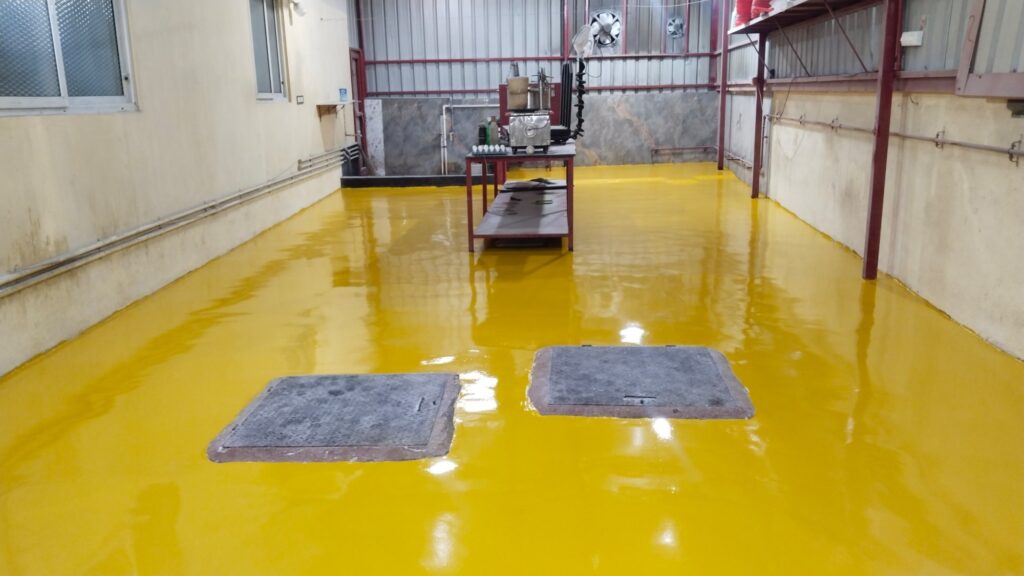
Floor markings indicate walkways, machine zones, and hazard areas. These markings must remain visible and intact.
Repaint faded lines during regular maintenance cycles. Use epoxy-compatible floor marking paint. Standard paint peels quickly on epoxy surfaces.
Floor Surface Protection Pakistan – Long-Term Strategies
Apply Topcoat Sealers Annually
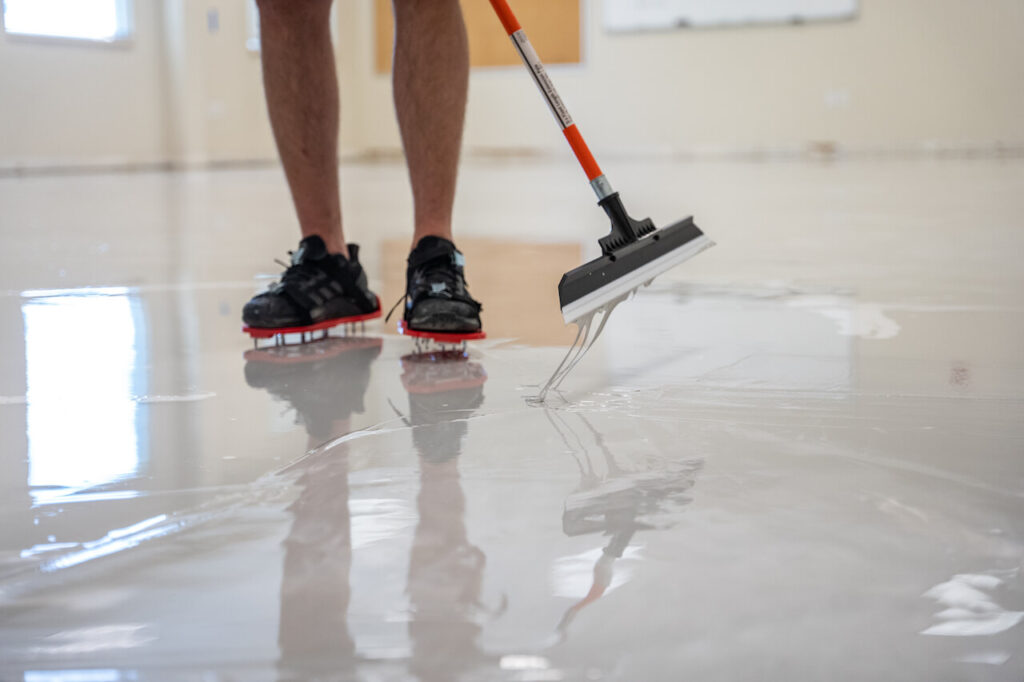
A topcoat sealer adds a fresh protective layer every year. It fills micro-scratches and restores gloss. Additionally, it strengthens UV resistance for outdoor or sun-exposed floors.
Choose a sealer compatible with your base epoxy system. Ask your supplier for specific product recommendations. Using an incompatible sealer can trap moisture and cause bubbling.
Use Entrance Matting Systems
Dirt, sand, and grit enter every building. They act like sandpaper on epoxy floors. Entrance mats catch this material before it damages the floor.
Place heavy-duty mats at all entry points. Clean mats weekly. A dirty mat still scratches the floor underneath.
Resin Floor Pakistan – Upgrade Options
Older epoxy floors can be upgraded with newer resin systems. Polyurethane topcoats extend floor life by five to ten years. Polyaspartic coatings cure faster and resist UV yellowing.
Discuss upgrade options with your flooring contractor every three years. New coating technologies improve regularly. Therefore, staying informed helps you make better investment decisions.
Epoxy Coating Durability – How to Extend Floor Life
Factors That Reduce Durability
Several factors shorten epoxy floor life in Pakistan:
- Incorrect installation (thin coats, poor surface prep)
- Delayed spill response
- Using wrong cleaning chemicals
- Ignoring minor damage until it spreads
- Skipping annual maintenance schedules
Factors That Increase Durability
Conversely, these habits extend floor life significantly:
- Following a consistent maintenance schedule
- Training staff on proper floor care
- Using appropriate equipment pads and mats
- Scheduling professional inspections annually
- Recoating before complete wear-through
Staff Training Is Essential
Your maintenance team must know the basics. Train them on correct cleaning techniques. Show them how to identify damage early.
Moreover, educate forklift operators on floor-friendly driving habits. Small behavior changes reduce floor wear dramatically.
Epoxy Floor Maintenance Cost in Pakistan – Budget Planning
Typical Annual Maintenance Costs
Maintenance costs depend on floor size and usage intensity. However, a general estimate for Pakistani businesses is:
- Small floor (up to 500 sqft): PKR 15,000 – 30,000 per year
- Medium floor (500–2,000 sqft): PKR 30,000 – 80,000 per year
- Large floor (2,000+ sqft): PKR 80,000 – 200,000+ per year
These costs include cleaning supplies, minor repairs, and annual topcoat application.
Cost of Neglect
Neglecting maintenance costs far more. A full floor replacement in Pakistan costs PKR 150 to 400 per sqft depending on the system.
For a 5,000 sqft factory floor, replacement costs between PKR 750,000 and PKR 2,000,000. Proper maintenance reduces this risk. Therefore, regular upkeep is a smart financial decision.
Hiring a Professional Epoxy Floor Maintenance Service in Pakistan
What to Look For
Not all contractors offer the same quality. Before hiring, verify:
- Experience with your industry type
- Knowledge of Pakistani climate challenges
- Use of certified coating products
- Availability of warranty on repair work
- References from similar businesses
Questions to Ask Before Hiring
Ask these questions during consultations:
- What cleaning products do you recommend for our floor type?
- How do you handle chemical damage repair?
- Do you provide a written maintenance schedule?
- What is your response time for emergency repairs?
A professional contractor answers these confidently. Hesitation or vague answers are red flags.
Quick Reference: Monthly Epoxy Floor Maintenance Checklist
Use this checklist every month without fail:
Daily Tasks
- Sweep loose debris with soft broom
- Mop with pH-neutral cleaner
- Dry floor completely after mopping
- Respond to spills immediately
Weekly Tasks
- Deep clean with scrubbing machine
- Inspect joints and expansion gaps
- Check for surface scratches
- Look for chemical staining
Monthly Tasks
- Full visual inspection with flashlight
- Tap test for delamination
- Check anti-slip grip in wet conditions
- Photograph and document problem areas
Quarterly Tasks
- Inspect forklift wheel condition
- Replace equipment foot pads
- Repaint faded floor markings
- Review and update spill log
Annual Tasks
- Apply topcoat sealer
- Professional floor inspection
- Assess repair vs. replacement needs
- Train or retrain maintenance staff
Conclusion: Protect Your Investment with Consistent Floor Care
Epoxy flooring is one of the smartest investments a Pakistani business can make. It is durable, hygienic, and cost-effective. However, it only performs well with proper care.
Follow this epoxy flooring maintenance Pakistan checklist consistently. Train your team. Respond to damage quickly. Schedule professional inspections annually.
Your floor protects your workers, your products, and your business image. Treat it accordingly. A well-maintained epoxy floor can last 15 to 20 years, even in Pakistan’s demanding industrial environments.
Start your maintenance schedule today. Your floors will thank you tomorrow.