
Anti Bacterial Flooring in Pakistan
Introduction
If you’re looking for reliable anti bacterial flooring services in Pakistan, Unicorn Flooring provides hygienic and high-performance flooring solutions designed to prevent bacterial growth and maintain clean environments. Our flooring systems are ideal for spaces where cleanliness and safety are critical.
From hospitals and laboratories to food processing units and commercial kitchens, we deliver flooring that meets strict hygiene standards.
Get a Free Site Inspection Today
Looking for reliable Anti Bacterial flooring contractors in Pakistan? Contact us now for expert consultation.
What Is Anti-Bacterial Flooring?


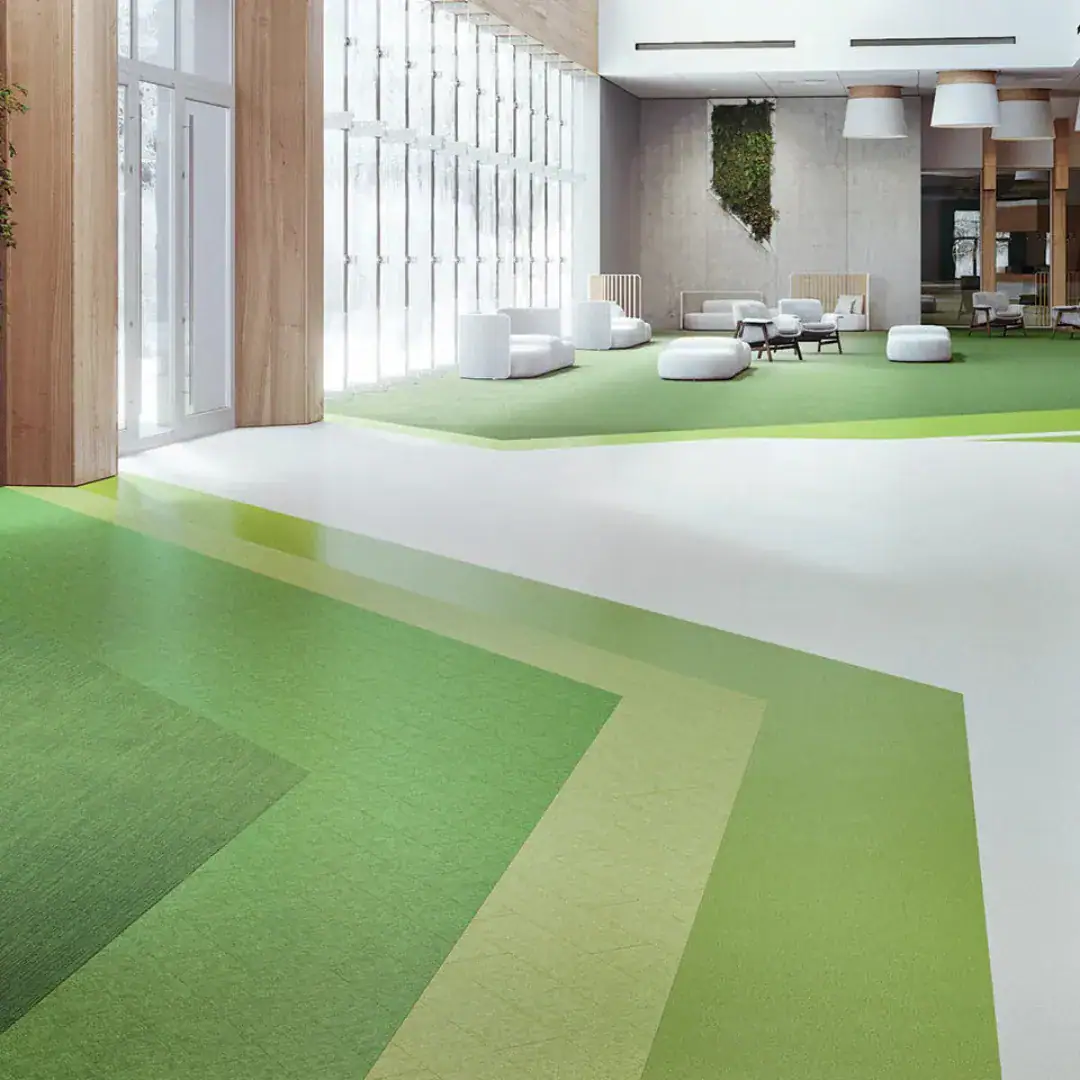
Anti bacterial flooring is a specially designed flooring system that prevents the growth of bacteria, fungi, and other harmful microorganisms. It creates a seamless and easy-to-clean surface, making it ideal for hygienic environments.
Key features:
- Prevents bacterial growth
- Seamless and hygienic surface
- Resistant to chemicals and stains
- Easy to clean and maintain
- Durable and long-lasting
Why Anti-Bacterial Flooring Is Important
Traditional flooring materials often trap dirt, moisture, and bacteria in cracks, seams, and joints. Over time, this becomes a hotspot for microbial growth. In sensitive environments like hospitals, laboratories, or food processing plants, this can lead to contamination and disease spread.
Anti-bacterial flooring eliminates these risks by:
- Preventing microbial buildup on surfaces.
- Making cleaning more effective and less frequent.
- Reducing the need for harsh chemical disinfectants.
- Supporting infection control protocols in hospitals and healthcare facilities.
Real-World Example:
During the COVID-19 pandemic, many healthcare facilities and commercial buildings switched to antimicrobial flooring systems to improve hygiene and reduce transmission risks. This trend has continued even after, as hygiene remains a top priority.
How Anti-Bacterial Flooring Works
The secret behind anti-bacterial flooring lies in antimicrobial additives that are infused into the flooring material during manufacturing.
These additives disrupt bacterial cell functions—preventing them from multiplying or surviving on the floor surface. Some flooring types also use silver ion technology, which is a natural and safe antimicrobial agent.
Mechanisms of Action:
Contact Kill: Microbes that come in contact with the surface are neutralized.
Inhibition of Growth: The floor prevents reproduction of bacteria and fungi.
Moisture Control: The surface is moisture-resistant, which deprives microbes of their survival environment.
Seamless Surface: No gaps or pores where germs can hide.
Our Anti Bacterial or Hygienic Flooring Services in Pakistan
We provide complete hygienic flooring installation services in Pakistan, ensuring quality and hygiene in every project.
✔ Anti Bacterial Epoxy Flooring
Ideal for hospitals, laboratories, and pharmaceutical industries.
✔ PU Hygienic Flooring
Seamless and durable flooring suitable for food processing areas and kitchens.
✔ Antimicrobial Vinyl Flooring
Used in healthcare and commercial environments for easy maintenance.
✔ Seamless Hygienic Coating Systems
Designed for maximum cleanliness and durability.
Common Types of Antimicrobial Flooring in Pakistan
Different materials offer anti-bacterial properties, each suited to specific industries and applications.
Epoxy Flooring
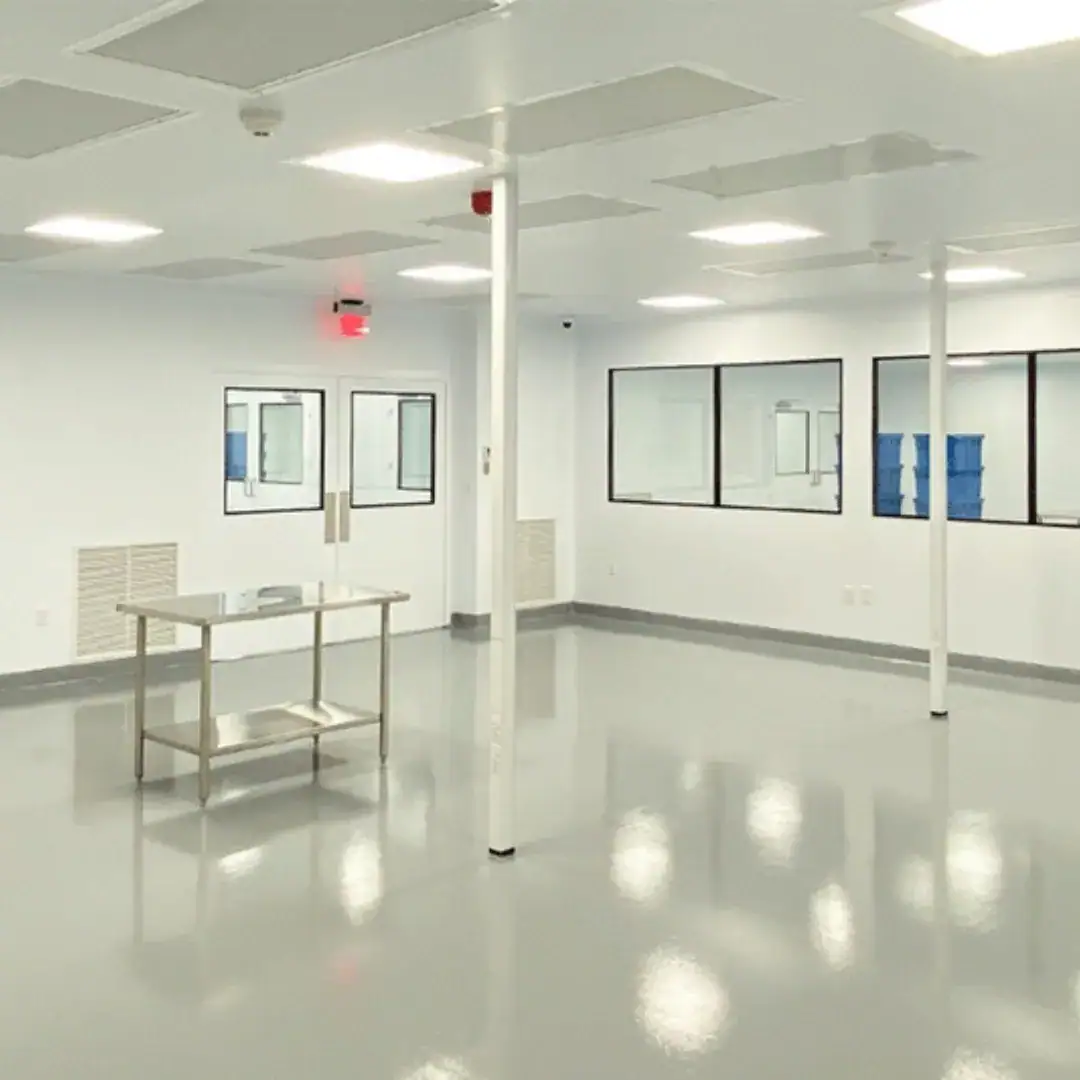
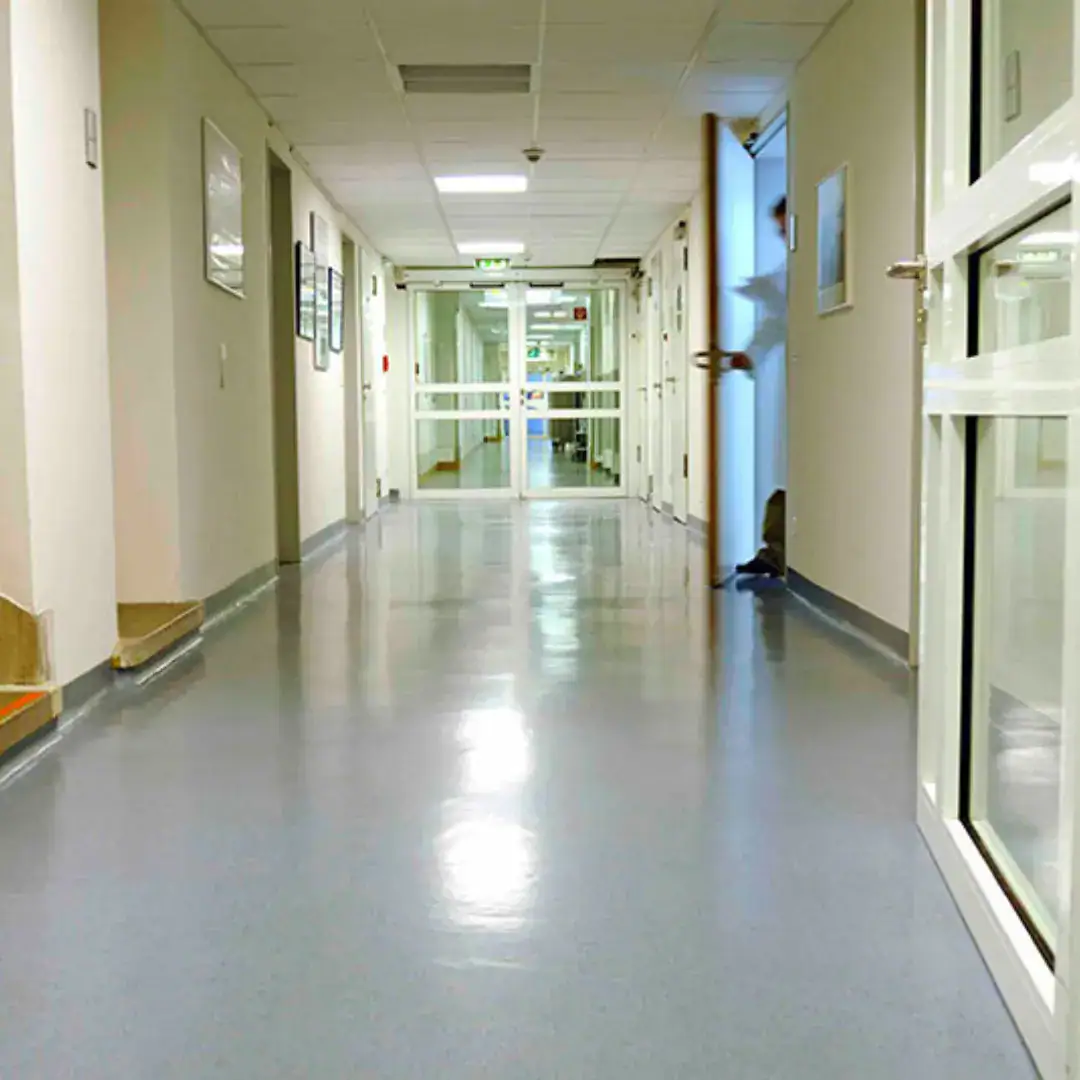
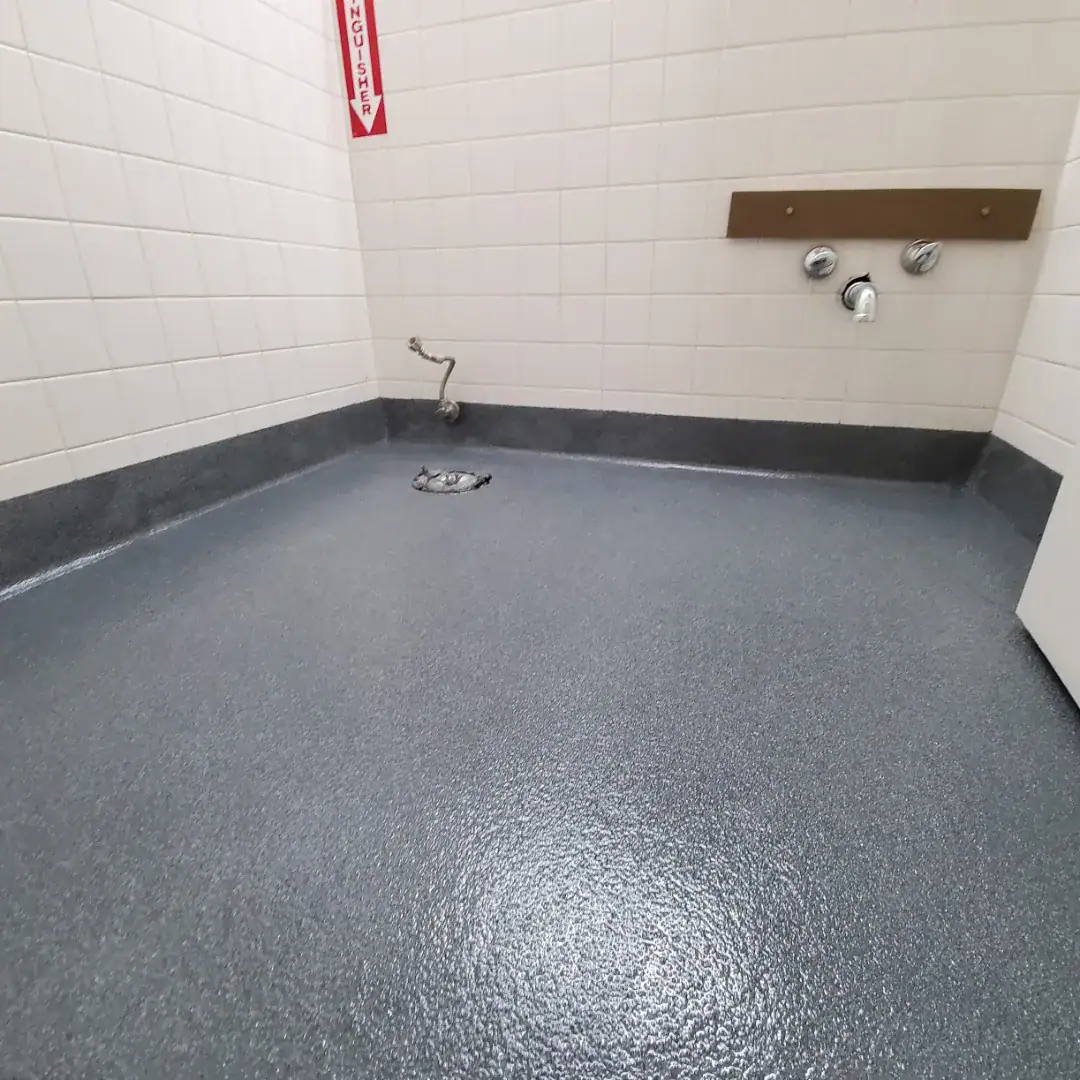
Epoxy flooring is a popular choice in hospitals, laboratories, and commercial kitchens. Its seamless finish leaves no space for bacteria to grow. It can be enhanced with antimicrobial coatings to further boost hygiene.
- ✅ Seamless & hygienic
- 🧼 Easy to clean
- 🧪 Resistant to chemicals and stains
- 🏥 Ideal for: hospitals, labs, kitchens
Vinyl Flooring (PVC)
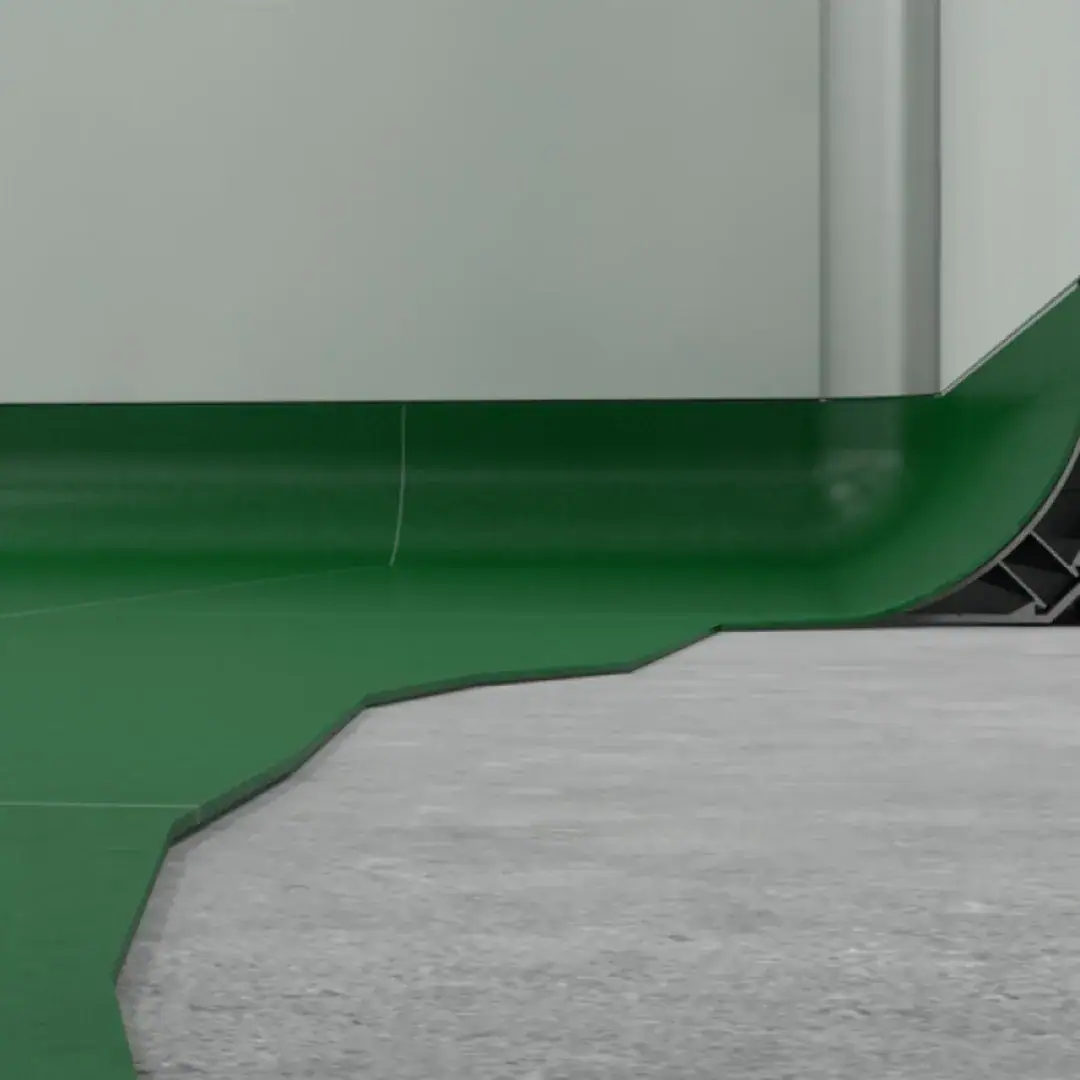


Vinyl or PVC flooring is cost-effective and naturally resistant to moisture. When manufactured with antimicrobial additives, it becomes a hygienic solution for healthcare and educational settings.
- ✅ Soft underfoot and noise-reducing
- 🧼 Resistant to water and bacteria
- 🏫 Ideal for: hospitals, schools, offices
Rubber Flooring


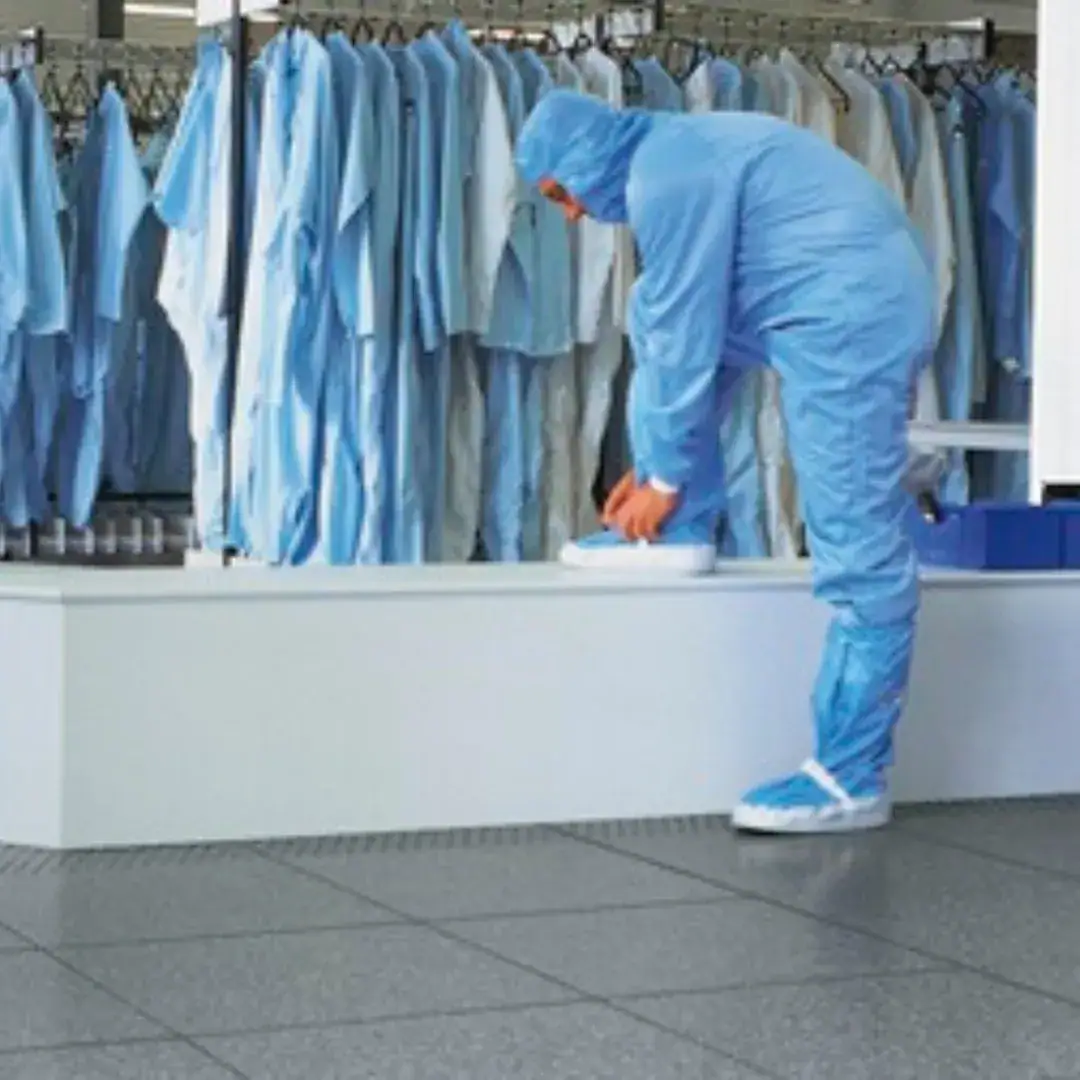
Rubber flooring has natural anti-microbial properties, making it a sustainable and hygienic option. It’s also slip-resistant and durable.
- ✅ Slip-resistant
- 🧼 Naturally antimicrobial
- 🧍 Ideal for: gyms, healthcare facilities, clean rooms
PU (Polyurethane) Flooring
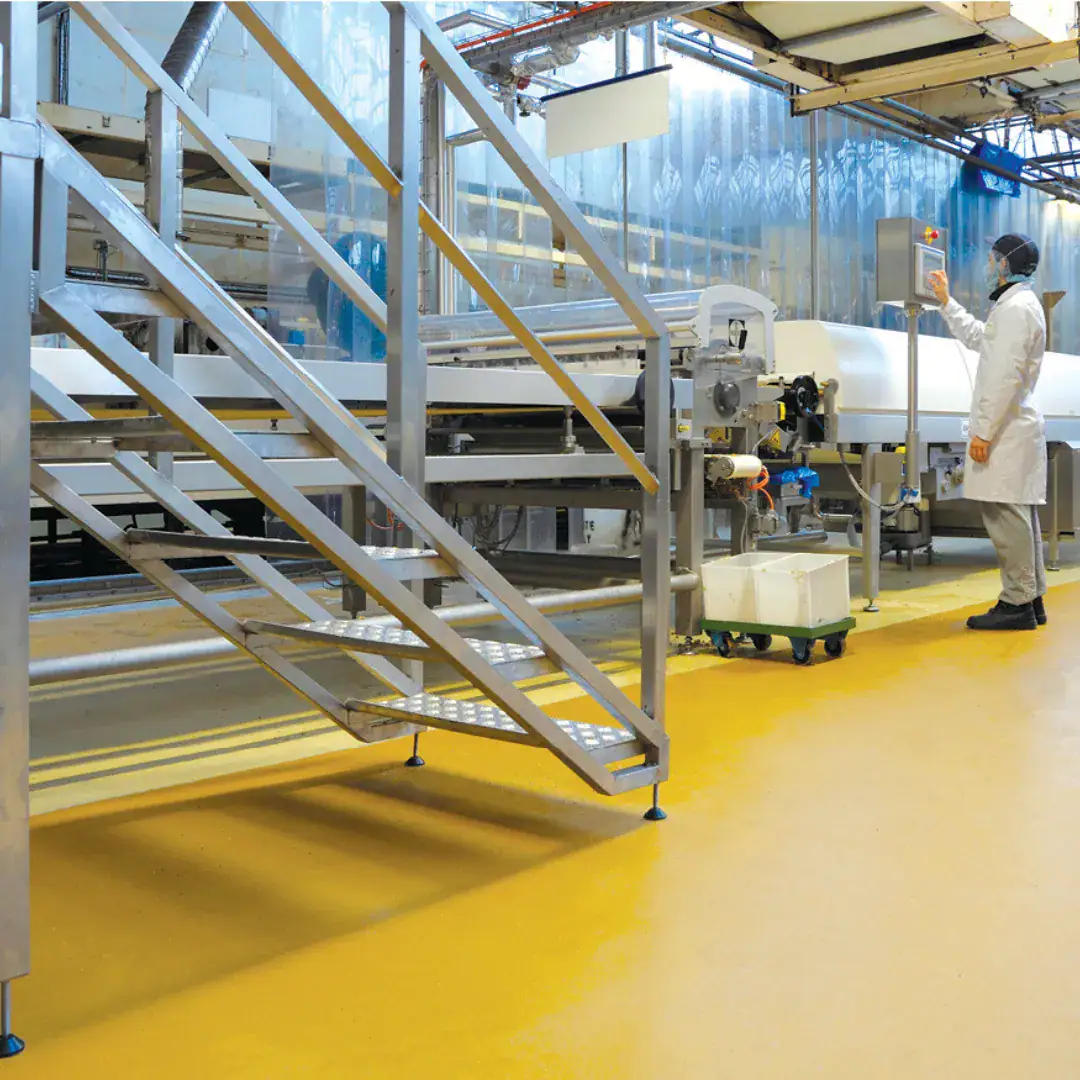
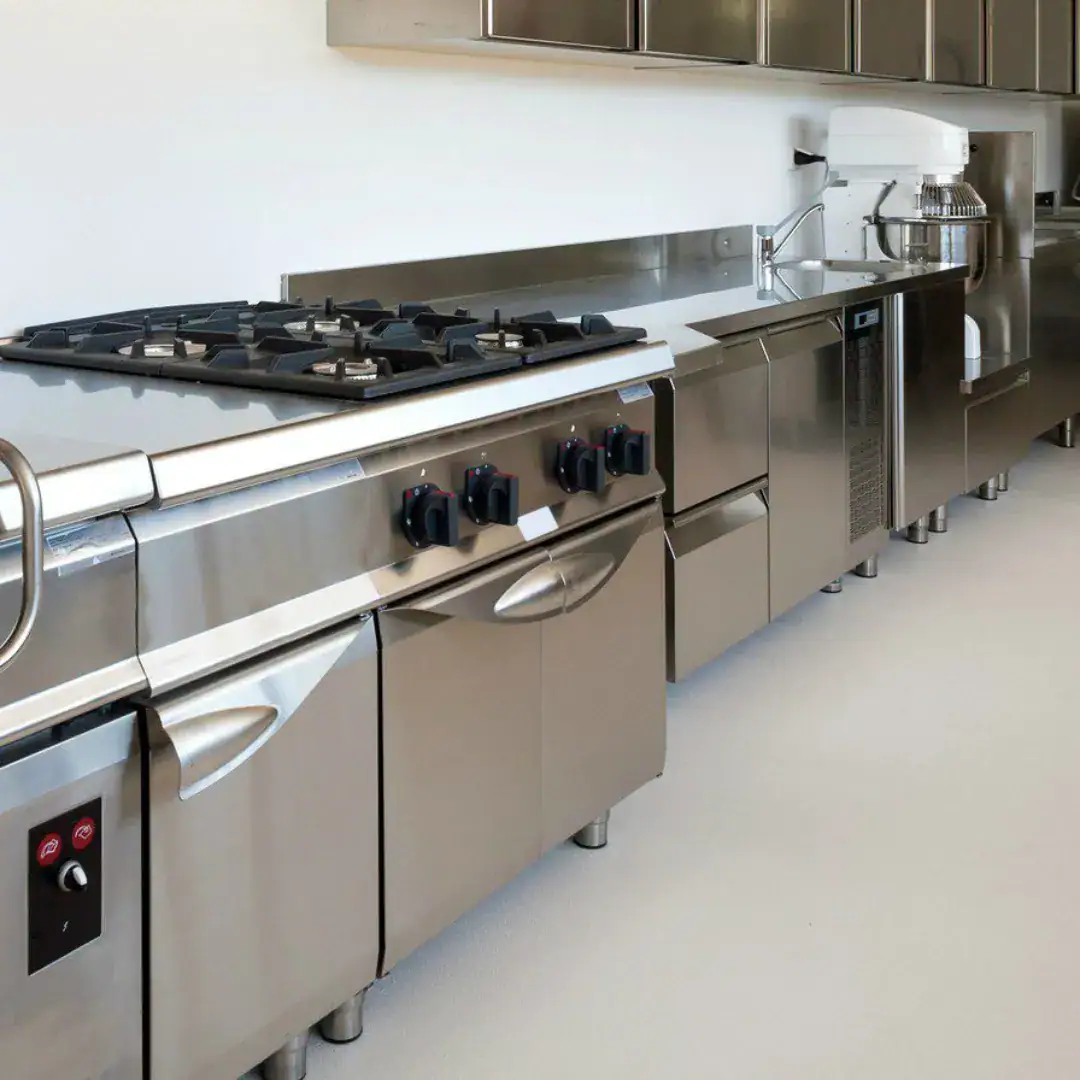
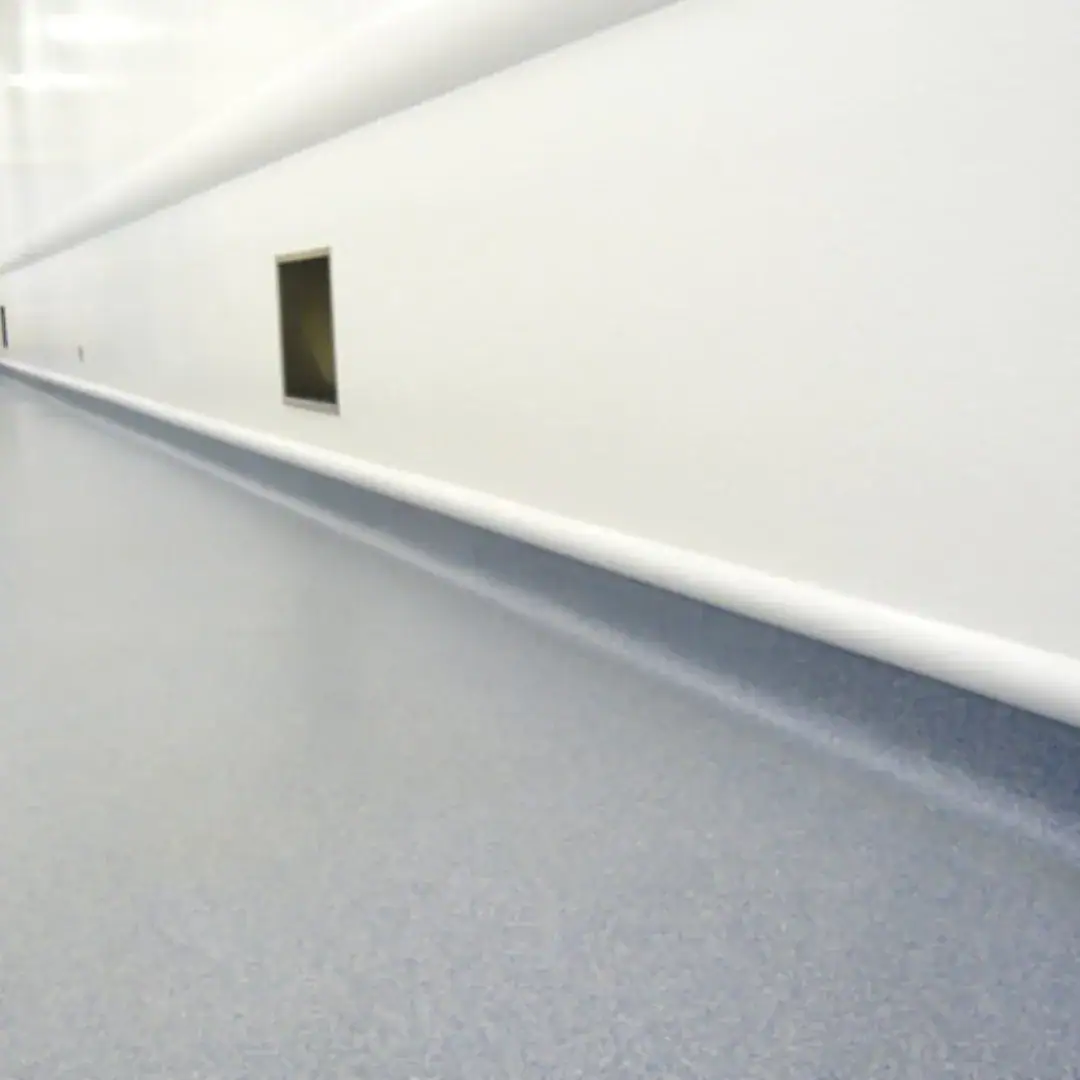
PU flooring combines flexibility with hygiene. It can handle heavy loads, thermal shocks, and frequent cleaning without losing its properties.
- ✅ High durability
- 🧼 Resistant to chemicals
- 🧪 Ideal for: food industries, cold storage, pharmaceutical plants
Linoleum Flooring
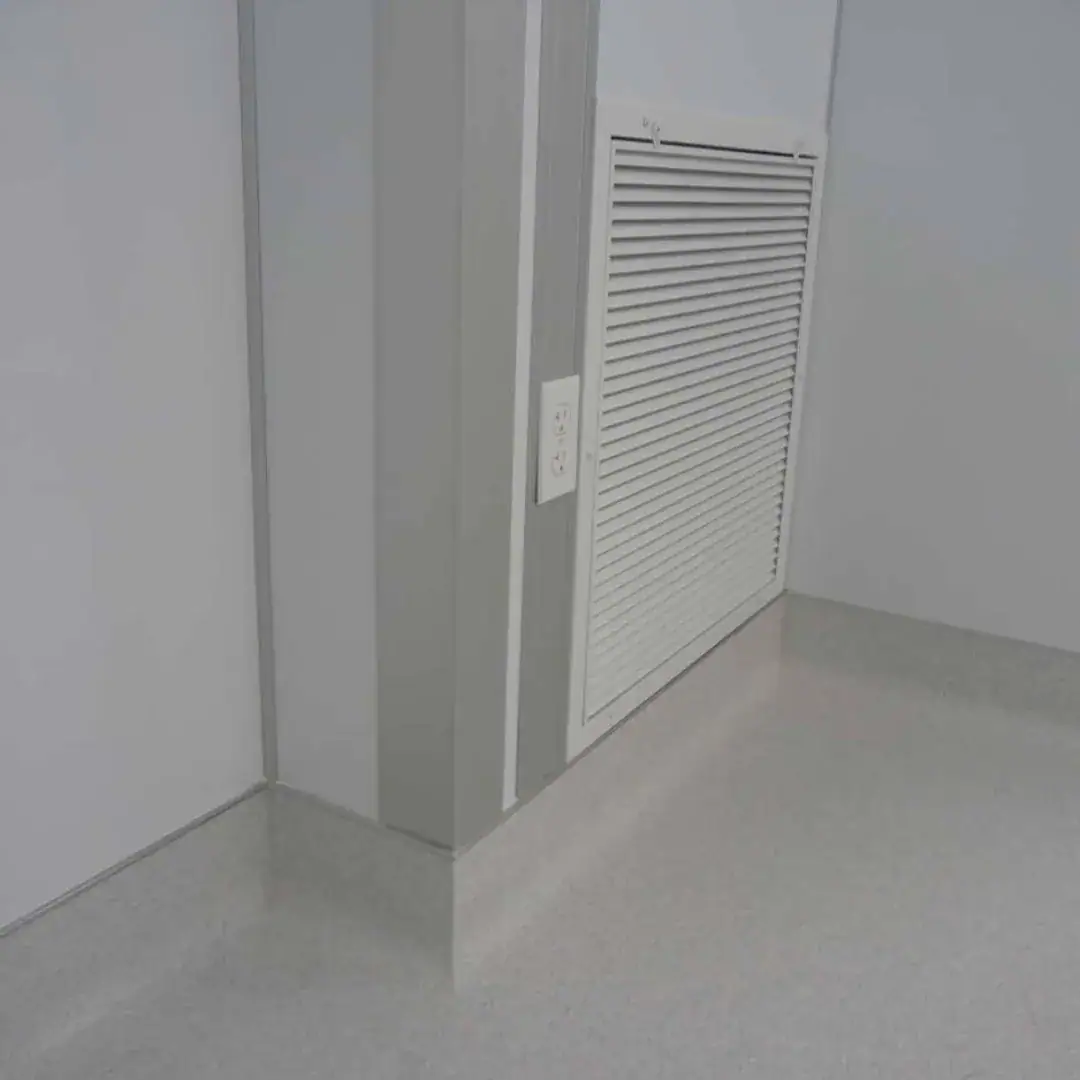
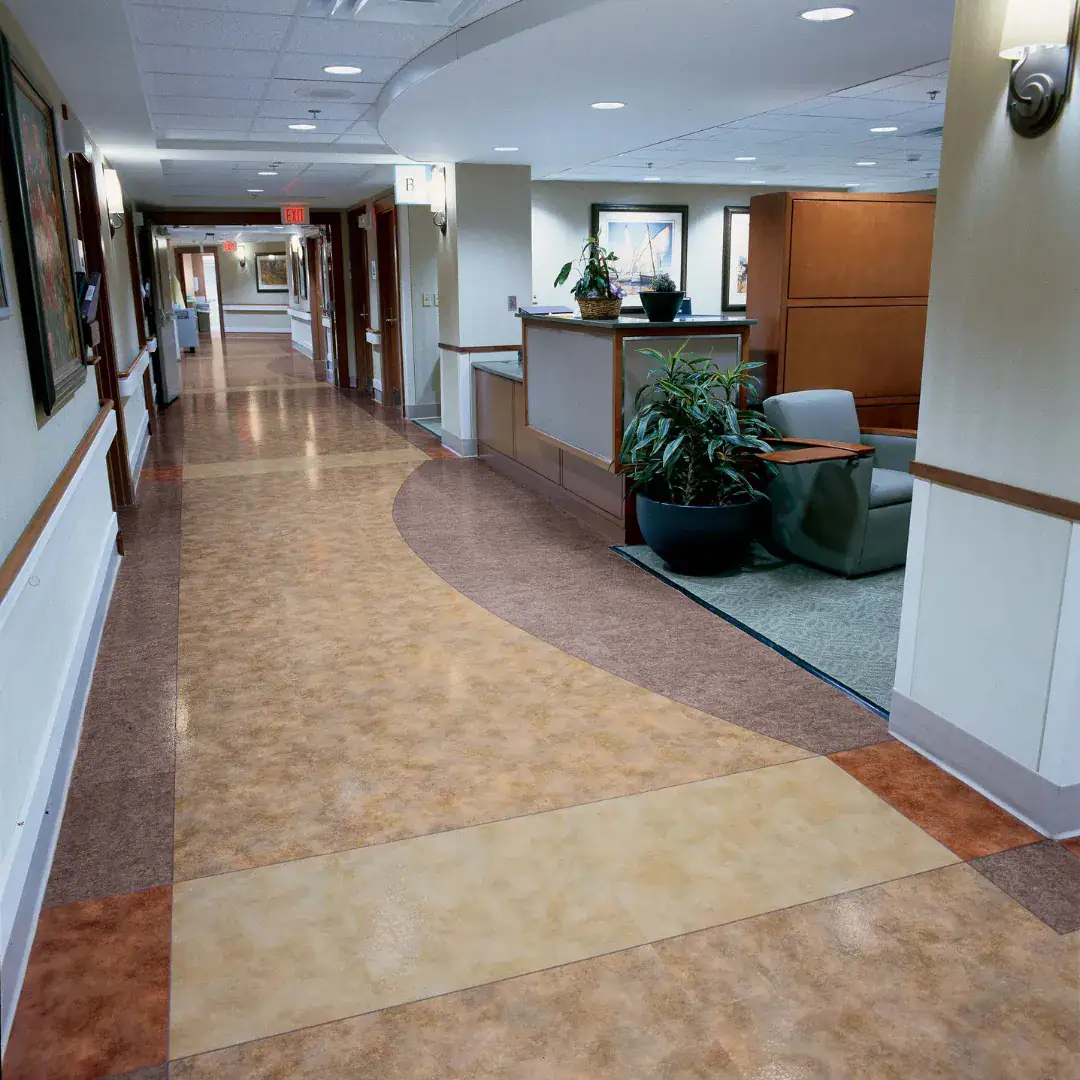
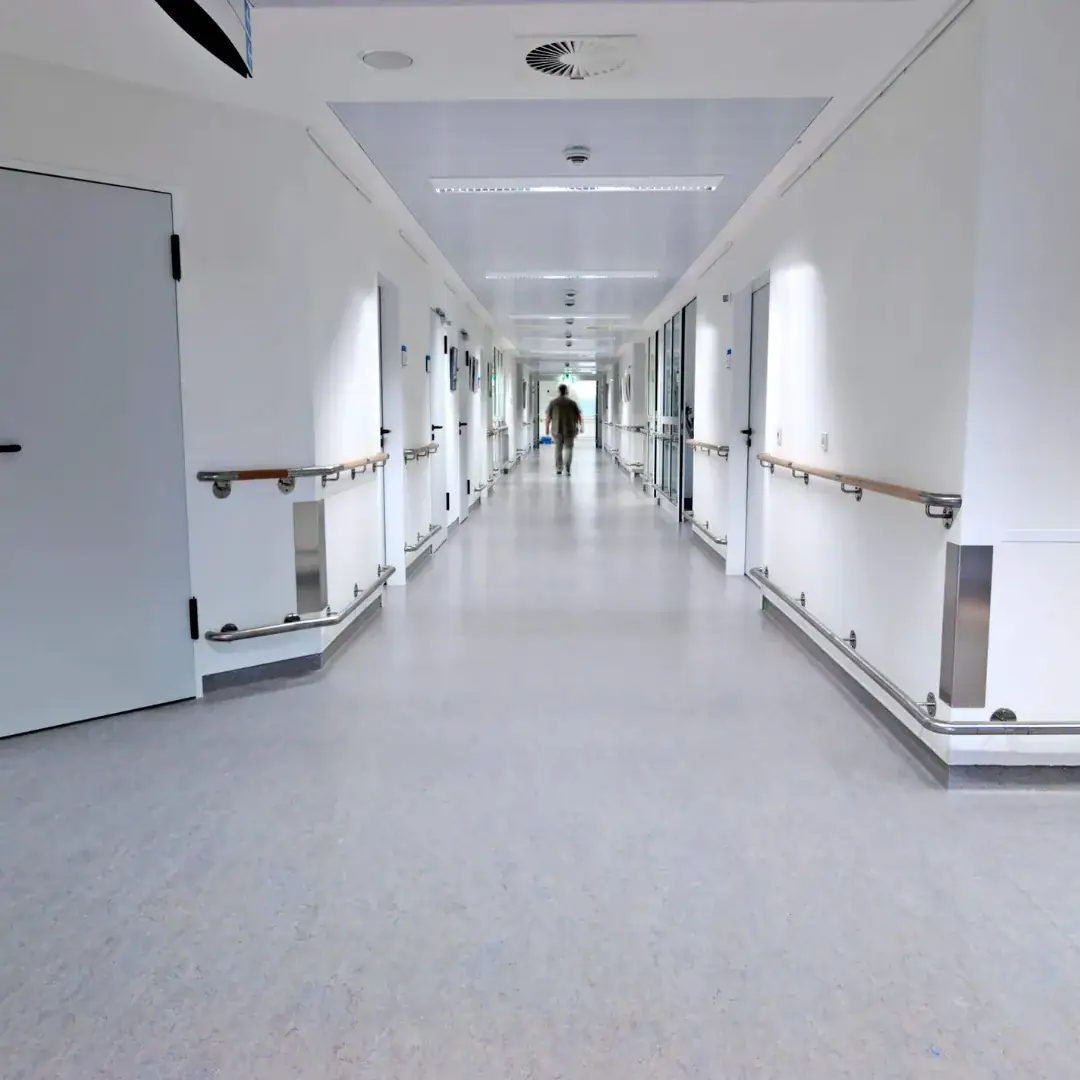
Linoleum is made from natural materials like linseed oil, cork dust, and wood flour. It has inherent antibacterial properties, making it eco-friendly and safe.
- ✅ Environmentally friendly
- 🧼 Naturally antimicrobial
- 🏡 Ideal for: schools, hospitals, eco-friendly buildings
Applications of Anti-Bacterial Flooring
🏥 Healthcare Sector
- Hospitals
- Operation theaters
- Clinics
- Laboratories
- Dental clinics
Hygiene in healthcare is non-negotiable. Anti-bacterial floors support infection prevention and control, ensuring sterile environments.
🧫 Pharmaceutical & Biotech Industries
- Clean rooms
- Research labs
- Production units
Contamination in pharmaceutical facilities can lead to product recalls and health risks. Anti-bacterial floors help maintain GMP (Good Manufacturing Practices) standards.
🥩 Food & Beverage Industry
- Food processing plants
- Cold storage units
- Commercial kitchens
These facilities must comply with strict hygiene regulations. Antimicrobial floors reduce the risk of bacterial growth that can contaminate food.
🏫 Educational Institutions
- Schools
- Colleges
- Universities
Classrooms, cafeterias, and washrooms are high-traffic areas prone to germs. Anti-bacterial flooring ensures cleaner, safer spaces for students and staff.
🏢 Commercial & Public Buildings
- Offices
- Airports
- Shopping malls
- Installing antimicrobial flooring in high footfall areas helps maintain a healthy environment and reduces maintenance costs.
🏠 Residential Buildings
- Bathrooms
- Kitchens
- Playrooms
Homeowners are increasingly choosing antimicrobial flooring for better hygiene, especially in spaces prone to moisture.
Materials Used in Anti-Bacterial Flooring
The performance of anti-bacterial floors depends on the materials used. Common options include:
| Material | Properties | Applications |
|---|---|---|
| Epoxy Resin | Seamless, durable, antimicrobial additives | Hospitals, labs, food factories |
| PVC / Vinyl | Moisture-resistant, affordable | Schools, offices, clinics |
| PU (Polyurethane) | Flexible, resistant to thermal shock | Cold storage, food plants, pharma |
| Rubber | Naturally antimicrobial, slip-resistant | Gyms, healthcare |
| Linoleum | Eco-friendly, antibacterial | Schools, eco-projects |
Installation Process of Anti Bacterial Flooring
The installation process may vary depending on the material, but general steps include:
Surface Preparation
- Clean and level the subfloor.
- Repair cracks and holes.
- Ensure the surface is dry.
Priming
Apply primer to enhance adhesion between the floor and subfloor.
Application of Base Coat
- For epoxy or PU floors, apply the first coat evenly.
- For vinyl, prepare the adhesive layer.
Antimicrobial Additive Layer
Mix or apply the antimicrobial coating or compound.
Topcoat / Finishing Layer
A seamless topcoat is applied to protect the floor from wear and enhance antimicrobial action.
Curing and Inspection
- Allow proper curing time.
- Inspect the floor for joints or unevenness.
Maintenance of Anti-Bacterial Flooring
To maintain long-term hygiene and durability:
- 🧽 Daily Cleaning: Use mild cleaning solutions and a mop.
- 💧 Avoid Excess Moisture: Though moisture-resistant, standing water can damage some floor types.
- 🧪 Periodic Disinfection: Use approved antimicrobial cleaners for hospitals and food industries.
- 🧰 Regular Inspections: Check for cracks, seal failures, or worn coatings.
- 🔁 Recoating if Needed: Reapply topcoat or antimicrobial layer after several years, depending on wear.
Pro Tip: Anti-bacterial flooring reduces the need for frequent chemical disinfection, saving both time and cost.
Anti Bacterial Flooring Price in Pakistan
The anti bacterial flooring price in Pakistan depends on:
- Type of flooring system (epoxy, PU, vinyl)
- Area size
- Surface preparation
- Hygiene requirements
We offer customized and competitive pricing based on your project needs.
Benefits of Anti-Bacterial Flooring
| Benefit | Description |
|---|---|
| 🦠 Germ-Free Environment | Actively kills or inhibits bacteria and fungi. |
| 🧼 Easy to Clean | Reduces cleaning time and costs. |
| 🏗️ Durability | Resistant to wear, heavy traffic, and chemicals. |
| 🧪 Hygiene Compliance | Meets industry hygiene standards for hospitals and food sectors. |
| ♻️ Eco-Friendly Options | Natural materials like linoleum are sustainable. |
| 💰 Cost-Effective | Long-lasting and low maintenance compared to traditional flooring. |
| 🧍 Safety | Slip-resistant surfaces available. |
Choosing the Right Anti-Bacterial Flooring
When selecting an antimicrobial flooring system, consider:
- Purpose & Industry: Healthcare, food, residential, or commercial.
- Foot Traffic: High-traffic areas require more durable materials.
- Chemical Exposure: Labs and kitchens may need chemical-resistant flooring.
- Budget: Vinyl is cost-effective, while epoxy and PU offer premium performance.
- Maintenance Requirements: Some materials need less upkeep.
Expert Tip: For hospitals and labs, seamless epoxy or PU flooring is preferred. For schools or offices, antimicrobial vinyl or rubber can be ideal.
Global Standards & Certifications
Many industries require flooring systems to meet international hygiene and safety standards:
- ISO 22196: Measurement of antibacterial activity on plastic and other non-porous surfaces.
- FDA / GMP Compliance: For food and pharma industries.
- EN 13697: European standard for disinfectant and antimicrobial surface testing.
- LEED Certification: For eco-friendly flooring solutions like linoleum and rubber.
- Choosing certified flooring ensures long-term performance and regulatory compliance.
Global Standards & Certifications
Many industries require flooring systems to meet international hygiene and safety standards:
- ISO 22196: Measurement of antibacterial activity on plastic and other non-porous surfaces.
- FDA / GMP Compliance: For food and pharma industries.
- EN 13697: European standard for disinfectant and antimicrobial surface testing.
- LEED Certification: For eco-friendly flooring solutions like linoleum and rubber.
- Choosing certified flooring ensures long-term performance and regulatory compliance.
Anti Bacterial Flooring Contractors in Pakistan
Choosing experienced anti bacterial flooring contractors in Pakistan ensures proper installation and hygiene standards.
At Unicorn Flooring, we provide:
- Skilled and trained team
- High-quality hygienic materials
- Professional installation
- On-time project delivery
Anti Bacterial Flooring Services Across Major Cities
We provide services across Pakistan:
Anti Bacterial Flooring in Lahore
Get professional anti bacterial flooring in Lahore for healthcare and industrial use.
Anti Bacterial Flooring in Karachi
We offer reliable anti bacterial flooring in Karachi for food and medical industries.
Anti Bacterial Flooring in Islamabad
Our anti bacterial flooring services in Islamabad are ideal for labs and hospitals.
Anti Bacterial Flooring in Faisalabad
We provide cost-effective anti bacterial flooring in Faisalabad for industrial facilities.
Why Choose Unicorn Flooring?
- Expertise in anti bacterial flooring installation in Pakistan
- Hygienic and safe flooring solutions
- Durable and long-lasting materials
- Affordable pricing
- Customer satisfaction focused
Conclusion
Anti-bacterial flooring in Pakistan is not just a trend — it’s a necessity.
With rising awareness of hygiene, infectious diseases, and regulatory standards, this flooring solution has become indispensable across industries.
Whether you run a hospital, manage a food processing unit, design a school, or build a modern home, investing in anti-bacterial flooring means investing in health, safety, and long-term savings.
By choosing the right material, ensuring proper installation, and following maintenance guidelines, you can create a cleaner, safer, and more sustainable environment.
Get a Free Anti Bacterial Flooring Quote Today
Need anti bacterial flooring for your facility? Contact Unicorn Flooring today for expert solutions.
FAQ'S
What is anti bacterial flooring?
Anti bacterial flooring is a hygienic flooring system designed to prevent the growth of bacteria, fungi, and harmful microorganisms.
Where is anti bacterial flooring used?
It is commonly used in hospitals, laboratories, food processing units, commercial kitchens, and pharmaceutical facilities.
What is the anti bacterial flooring price in Pakistan?
The price depends on flooring type, area size, and hygiene requirements. Each project is customized.
Which materials are used in anti bacterial flooring?
Common materials include epoxy flooring, PU flooring, and antimicrobial vinyl flooring.
Why is hygienic flooring important?
It helps maintain a clean environment, prevents contamination, and ensures safety in sensitive areas.