Yoga and Aerobics Flooring in Pakistan
The fitness industry in Pakistan has evolved rapidly in recent years. From boutique yoga studios to high-energy aerobics and dance fitness spaces, the demand for safe, comfortable, and high-performance aerobics flooring in Pakistan has never been greater. Whether you’re building a new wellness center in Lahore, upgrading an aerobics studio in Karachi, or setting up a yoga retreat in Islamabad, the right flooring can make or break your space — affecting everything from comfort and safety to acoustics and aesthetics.
In this ultimate guide, we’ll explore the best flooring options for yoga and aerobics studios in Pakistan, their pros and cons, cost ranges, installation tips, and maintenance advice to help you make the best decision for your project.
Why Flooring Matters in Yoga and Aerobics Studios
Flooring is not just an aesthetic element; it’s an essential part of performance and safety. The movements in yoga and aerobics — whether a deep stretch or a high-energy jump — demand a surface that supports the human body.
Good flooring provides
Shock Absorption: Reduces stress on joints, knees, and ankles during intense aerobics or dance routines.
Grip & Traction: Prevents slipping during yoga poses or aerobic movements.
Comfort: Supports barefoot or low-impact exercise comfortably.
Hygiene: Easy to clean, moisture-resistant, and antibacterial.
Acoustics: Reduces noise and echo in fitness studios.
Durability: Withstands constant movement, sweat, and equipment wear.
In Pakistan, where climate conditions vary from humid Karachi to dry Quetta, choosing the right flooring also means ensuring heat resistance, moisture protection, and long-term durability.
Popular Types of Yoga and Aerobics Flooring in Pakistan
Below we break down the most common and effective flooring materials used for yoga and aerobics studios across Pakistan, along with their pros, cons, and suitability.
1. Wooden Sports Flooring (Engineered or Solid Hardwood)
Overview
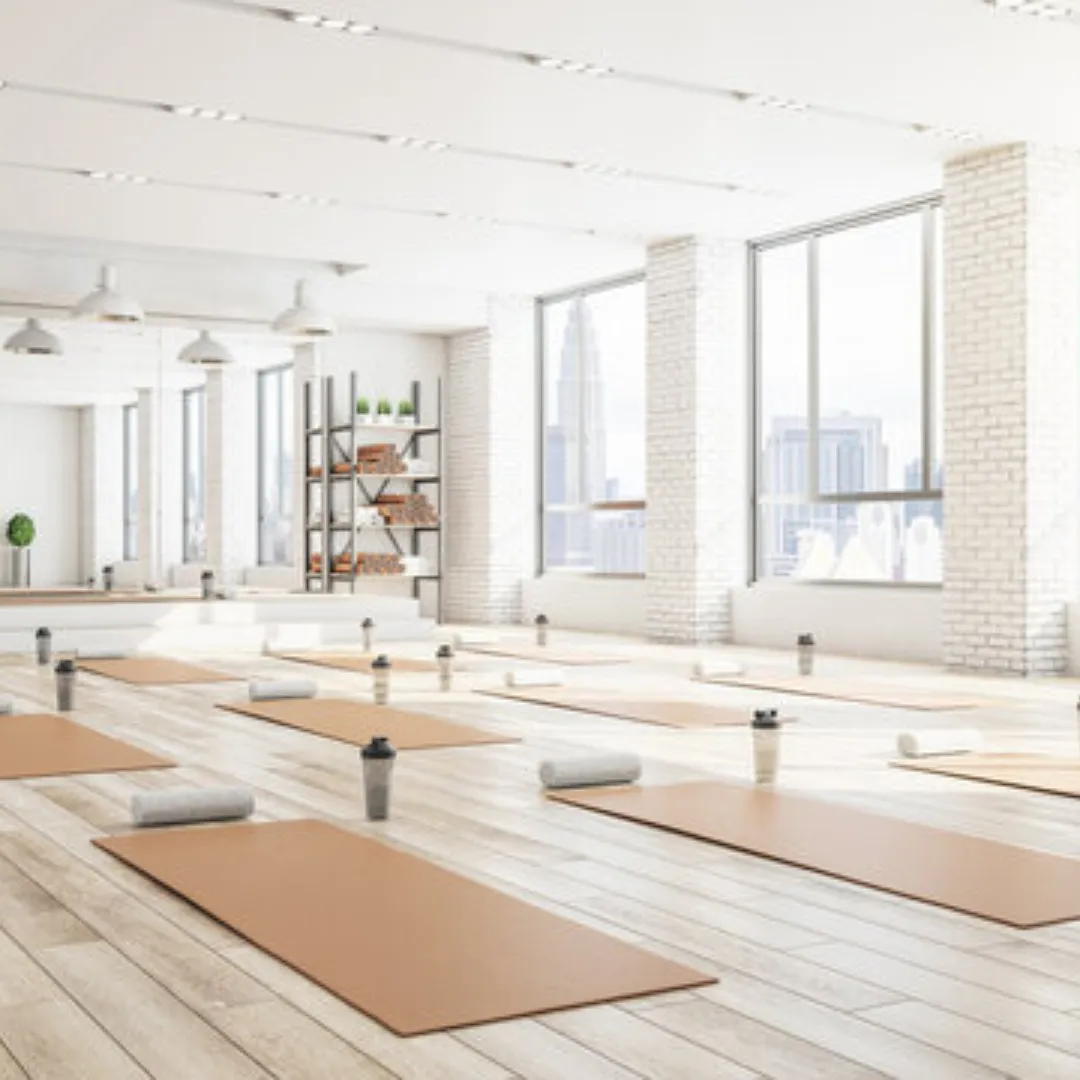
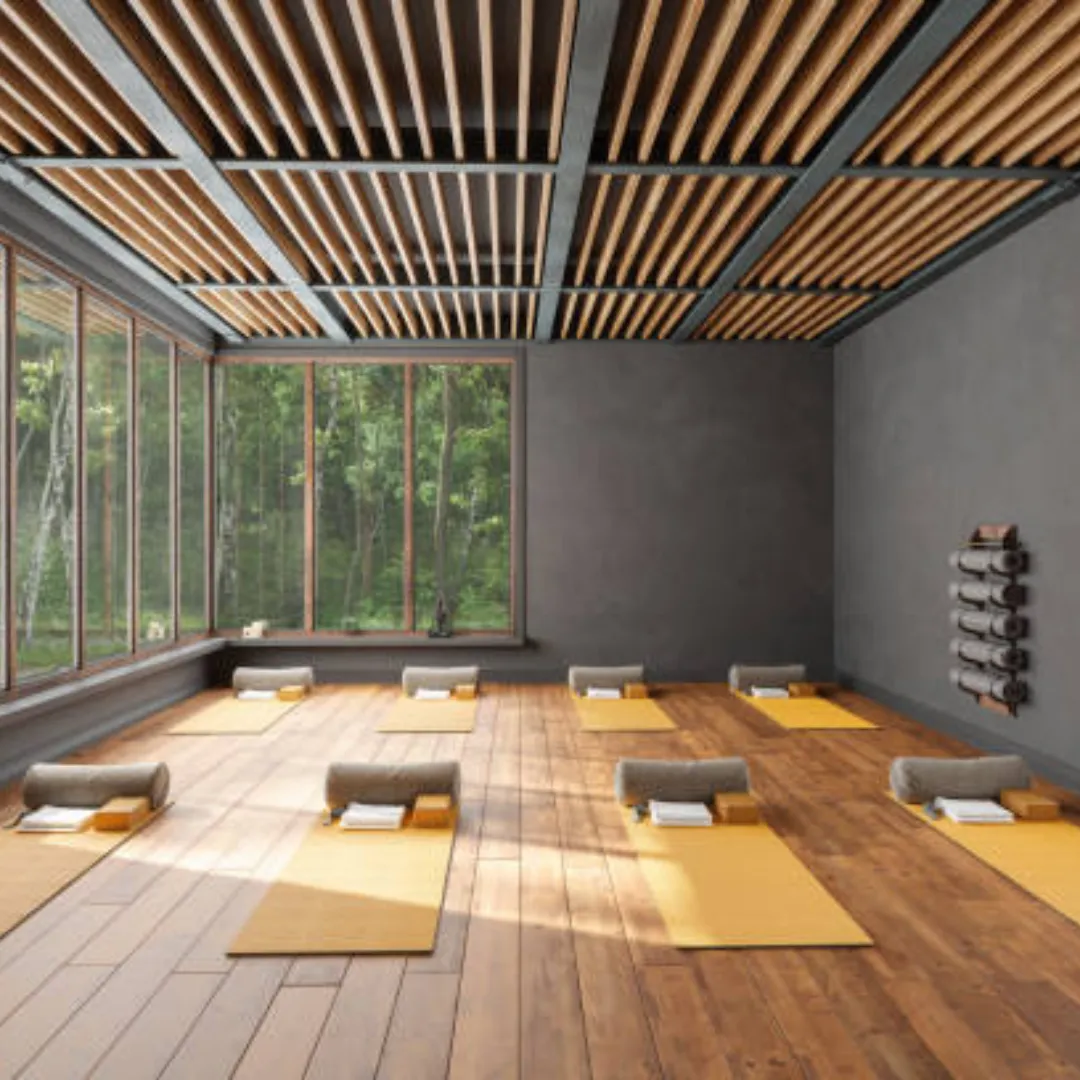
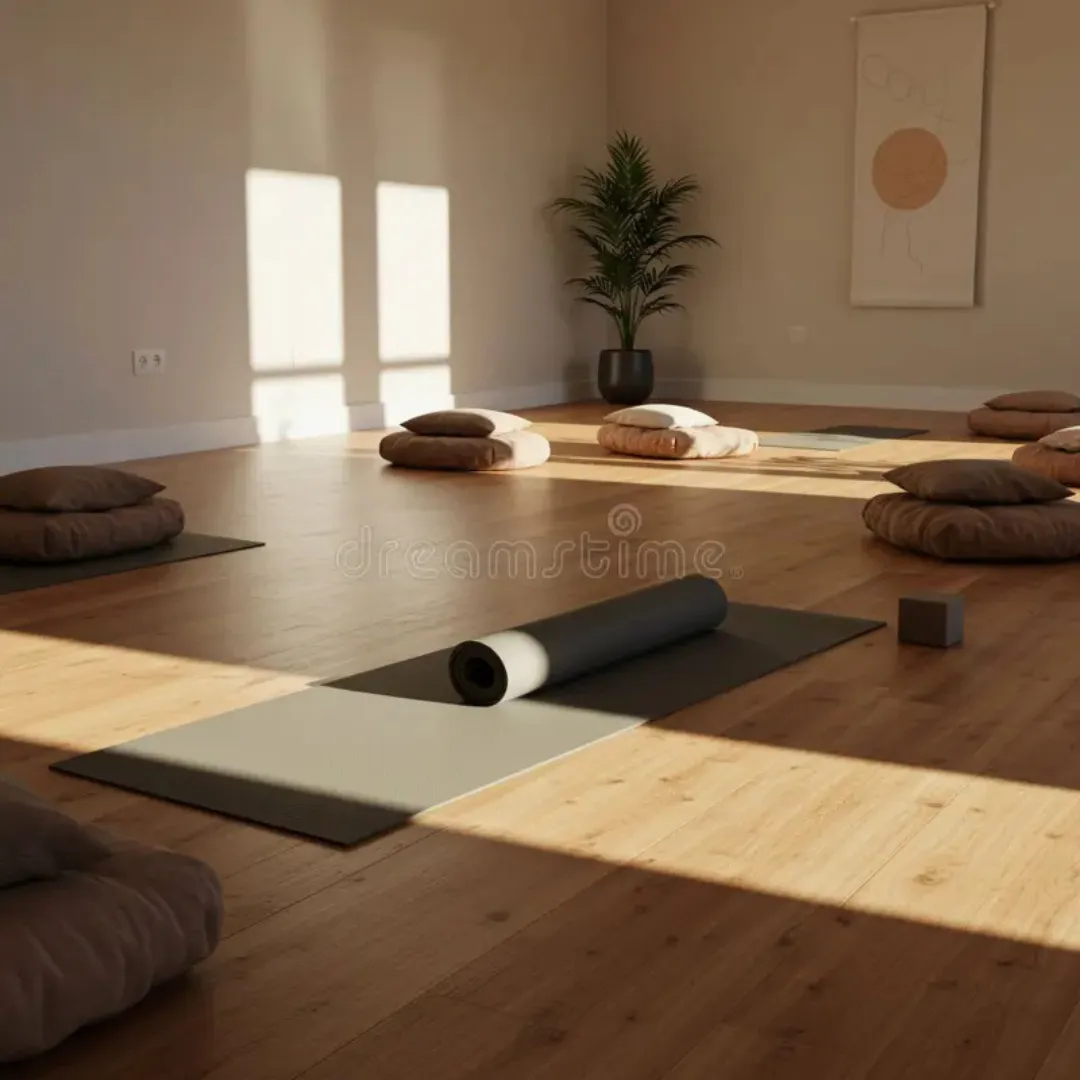
Wood flooring has been the classic choice for fitness and dance studios for decades. It offers a professional look, excellent performance, and natural comfort underfoot.
Pros
- Beautiful, professional appearance — ideal for premium yoga and aerobics studios.
- Good shock absorption and energy return, especially when installed with a sub-cushioning system.
- Durable and long-lasting with proper care.
- Works well for both barefoot (yoga) and shoe-based (aerobics) activities.
Cons
- Expensive compared to vinyl or rubber.
- Requires regular maintenance, sealing, and moisture control.
- Can be slippery without proper finish.
- Sensitive to humidity changes — may warp in humid climates like Karachi if not treated.
Cost in Pakistan
PKR 1,800 – 3,500 per sq. ft. depending on wood quality, finish, and understructure.
Best for
Premium yoga and aerobics studios, dance centers, wellness retreats.
2. Vinyl (PVC) Sports Flooring
Overview
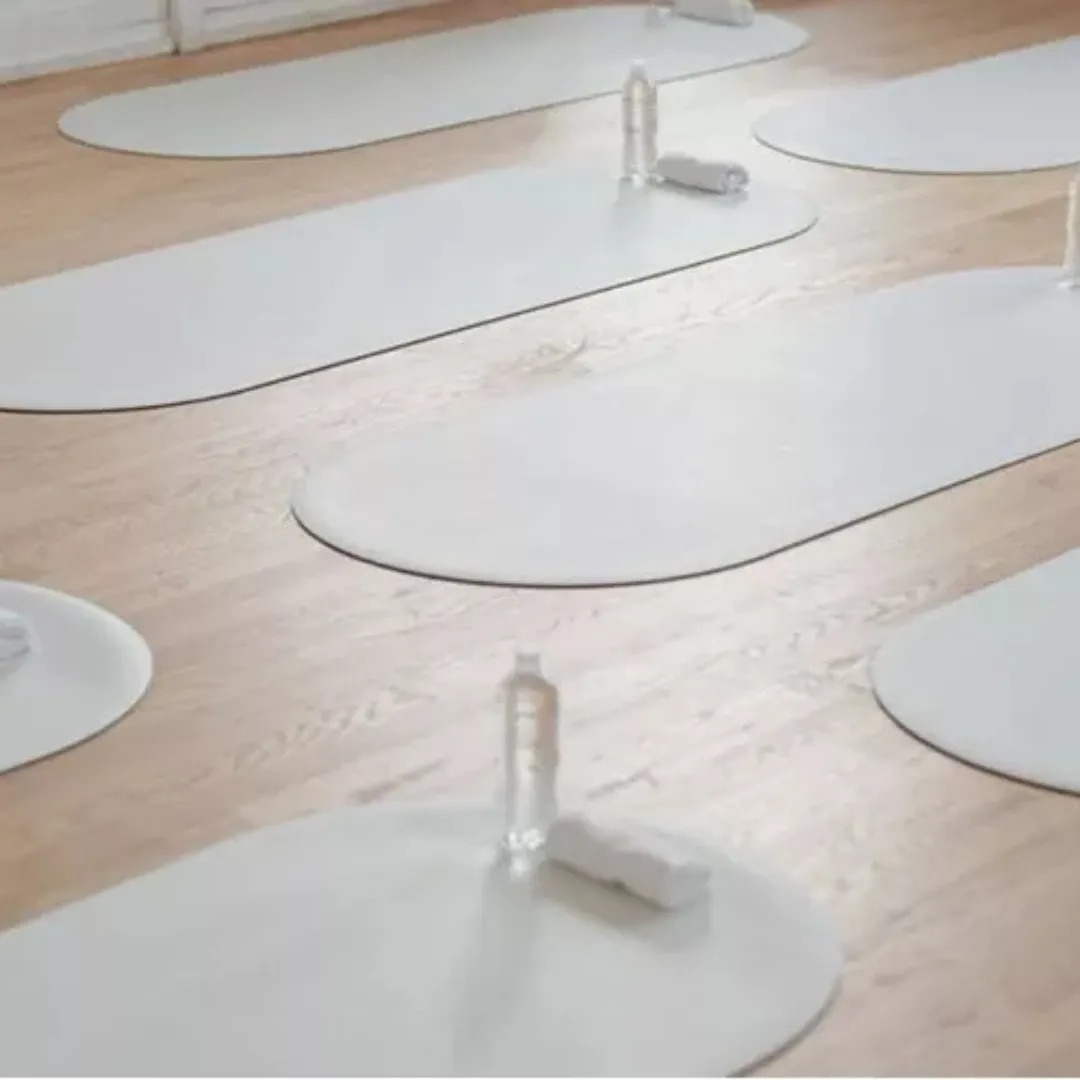
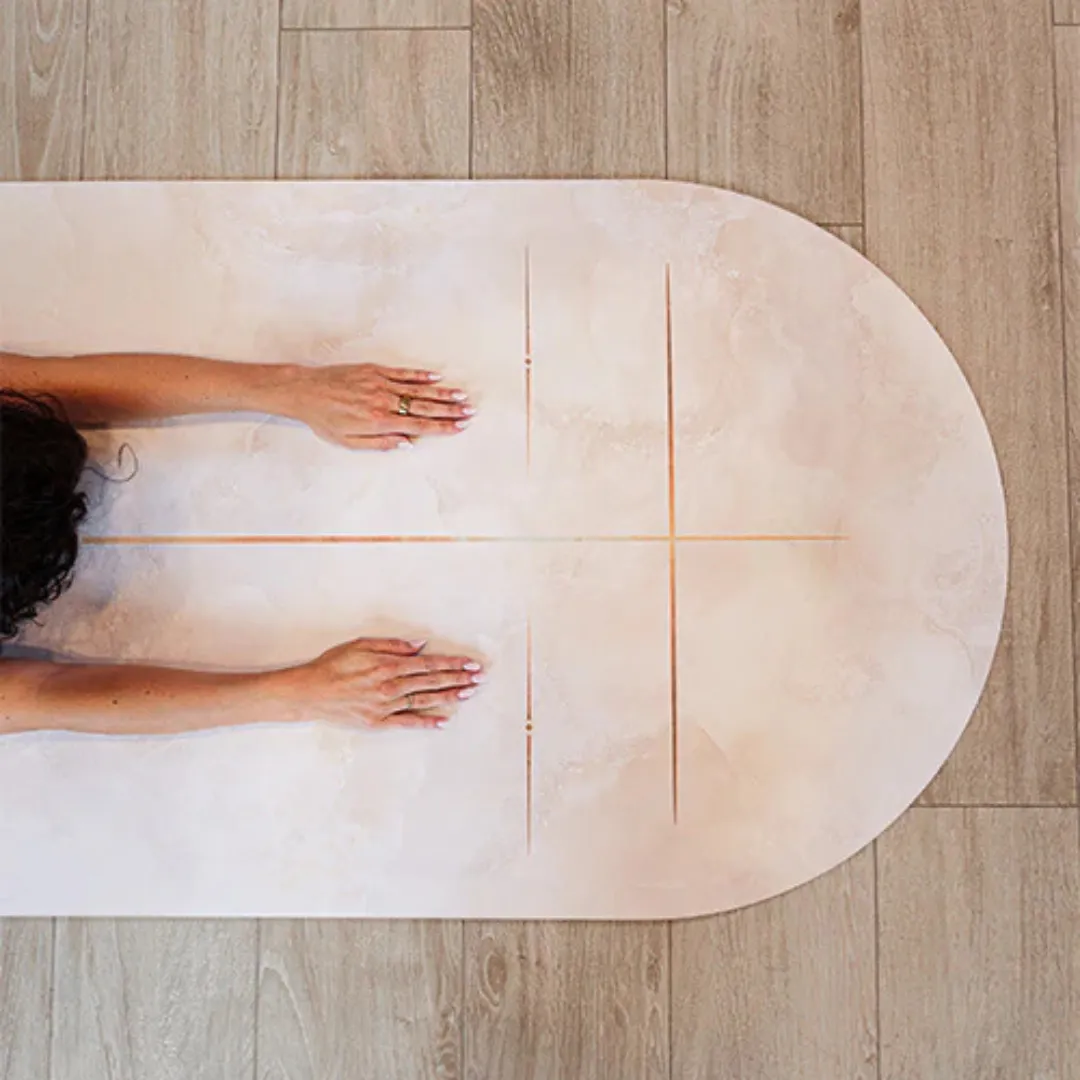
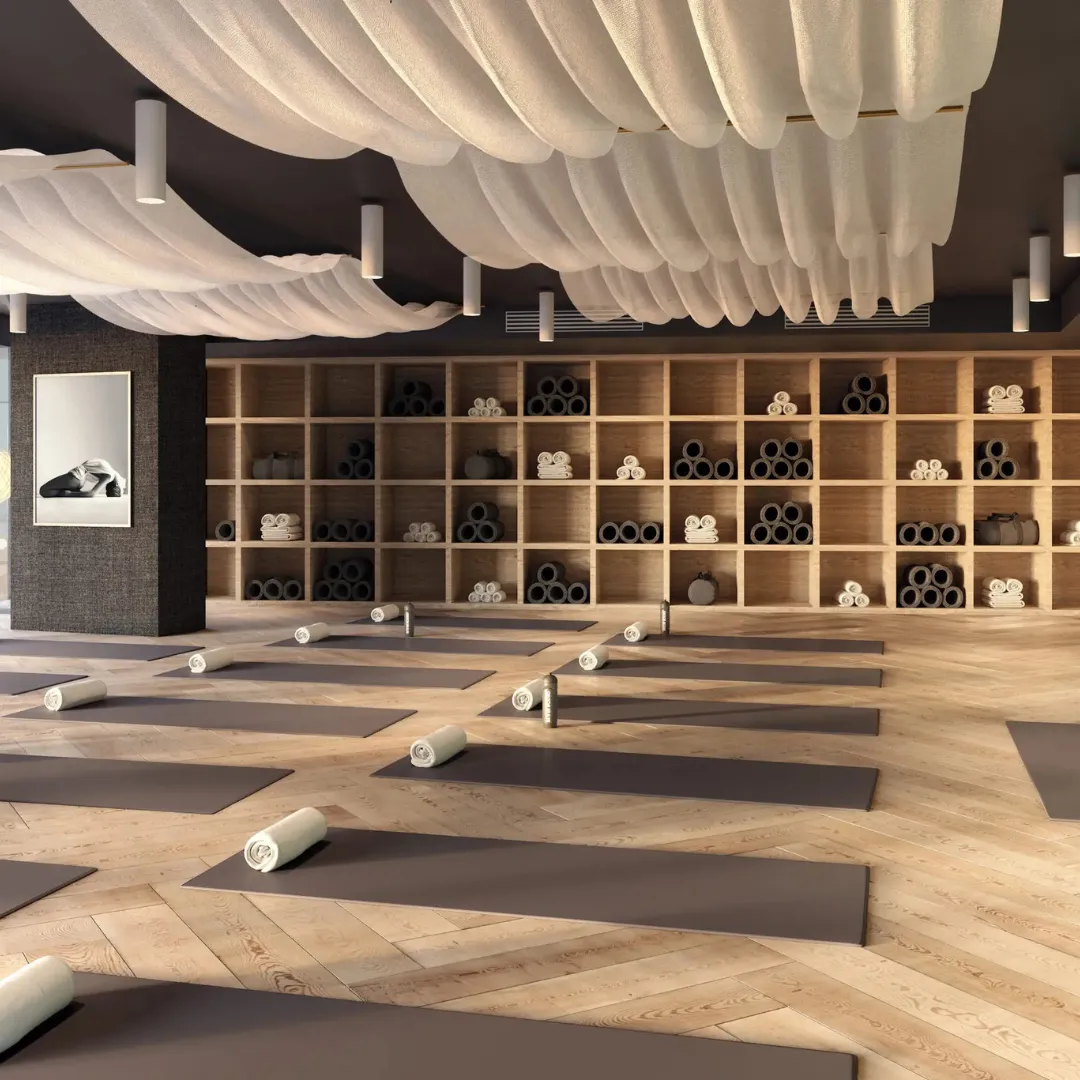
Vinyl flooring has gained huge popularity in Pakistan for gyms, yoga centers, and multipurpose halls. It offers flexibility, easy maintenance, and affordability.
Pros
- Slip-resistant and available in textured finishes for safe footing.
- Comfortable underfoot with good shock absorption.
- Moisture- and sweat-resistant — ideal for humid or air-conditioned spaces.
- Easy to clean and maintain.
- Available in many colors and wood-like designs.
Cons
- Low-quality vinyl may fade or peel over time.
- Not suitable for outdoor or semi-open areas without UV protection.
- Requires a perfectly level subfloor for professional installation.
Cost in Pakistan
PKR 500 – 1,200 per sq. ft.
Best for
Yoga studios, aerobics rooms, multipurpose fitness halls, and gyms seeking an affordable yet modern solution.
3. Rubber Flooring
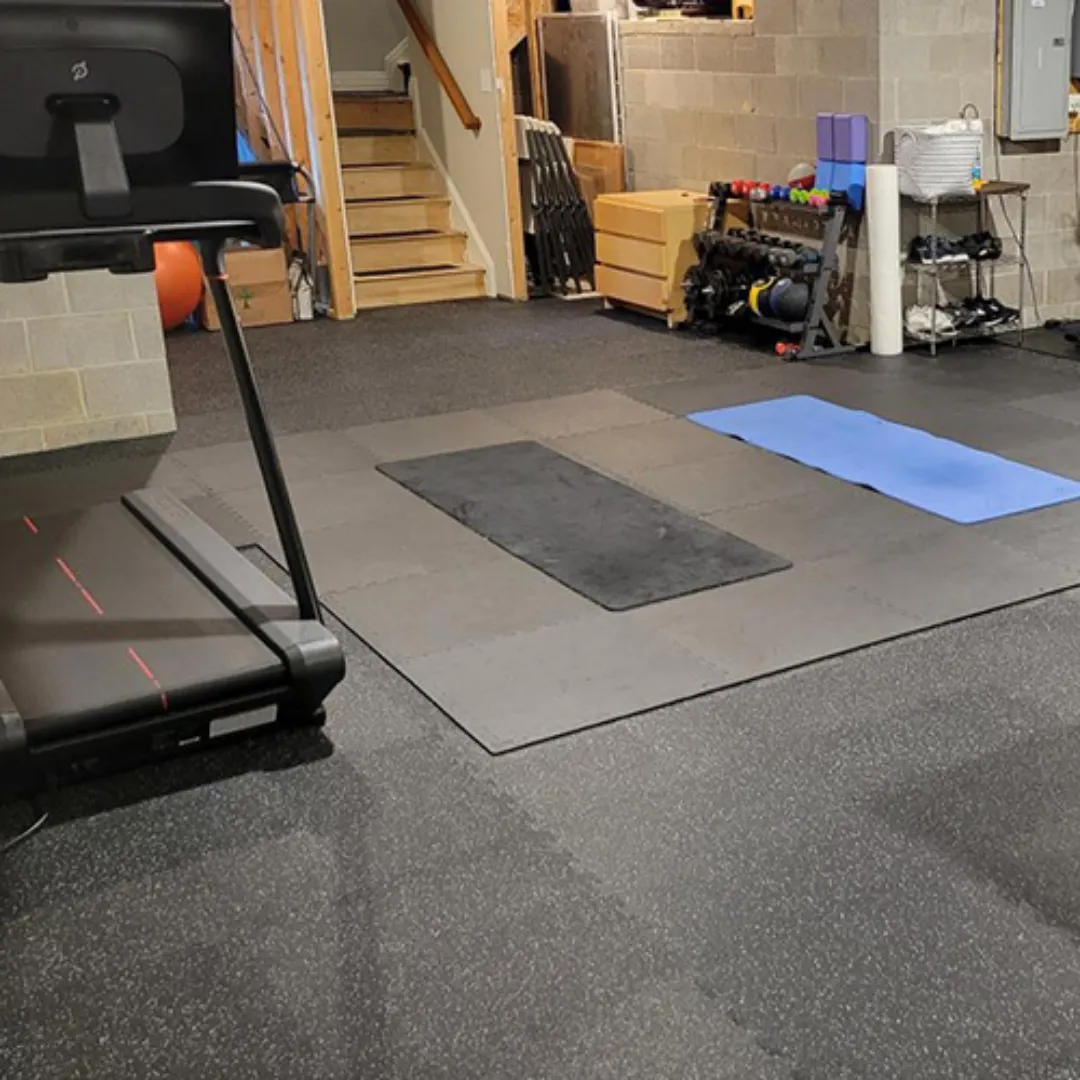
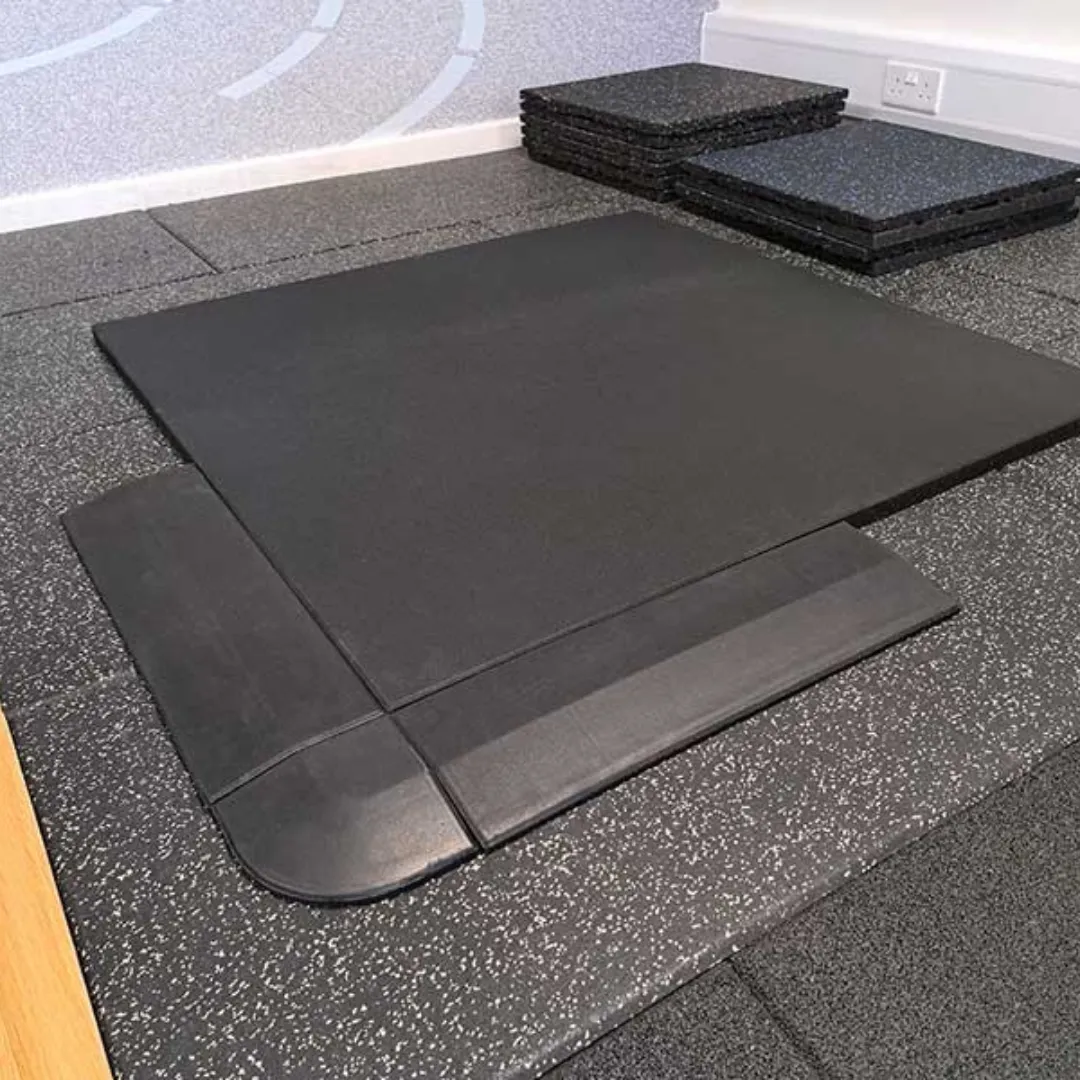
Overview
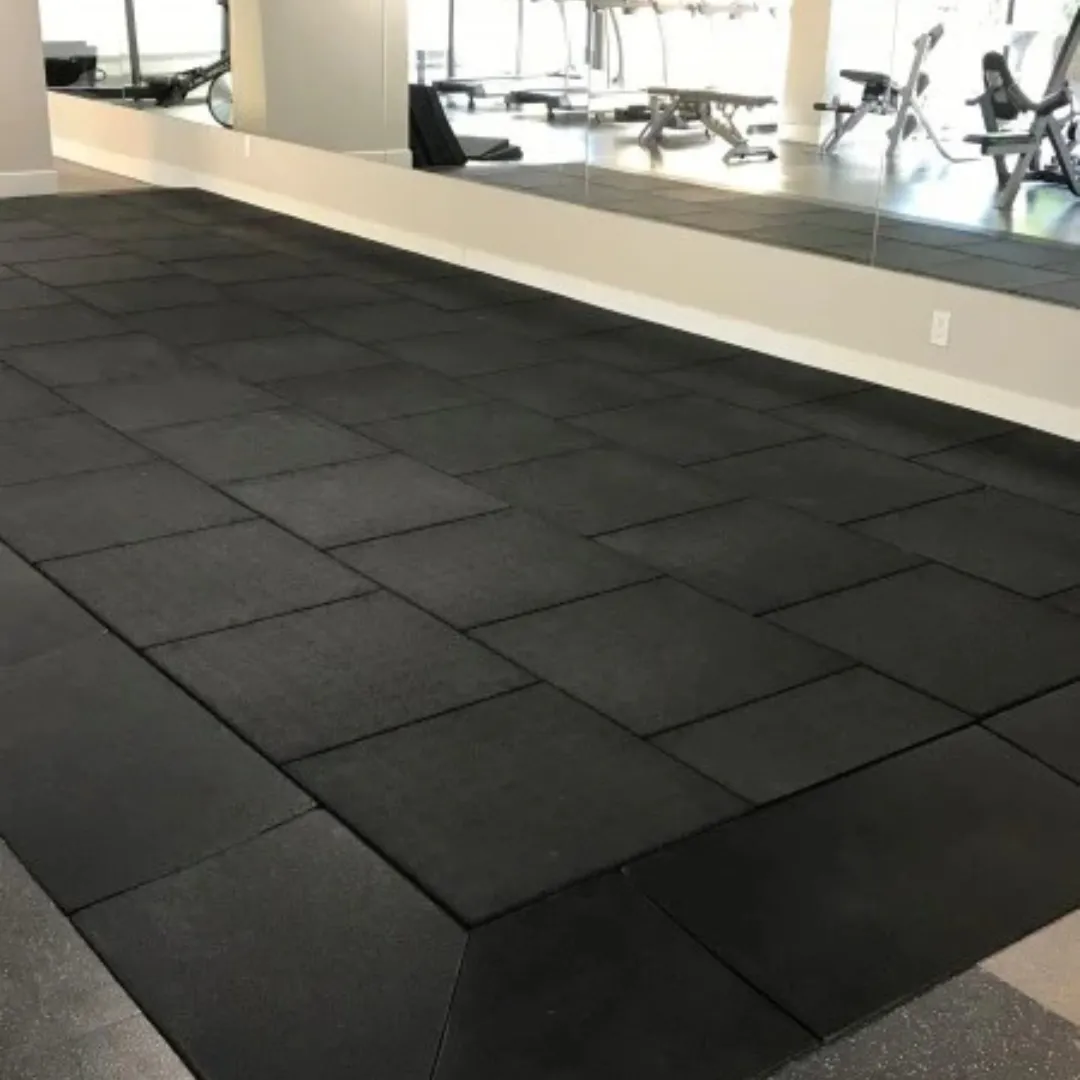
Rubber flooring is widely used in gyms, but its cushioned and slip-resistant nature also makes it ideal for high-impact aerobics classes.
Pros
- Superior shock absorption and traction — reduces risk of injuries.
- Durable and wear-resistant even under heavy use.
- Excellent sound absorption — great for high-energy aerobics music.
- Easy to maintain and clean.
Cons
- Slight rubber odor initially (fades over time).
- Limited color/design options compared to vinyl or wood.
- Slightly firm for restorative yoga unless covered with mats.
Cost in Pakistan: PKR 700 – 1,800 per sq. ft.
Best for
Aerobics and fitness centers, high-impact group exercise rooms.
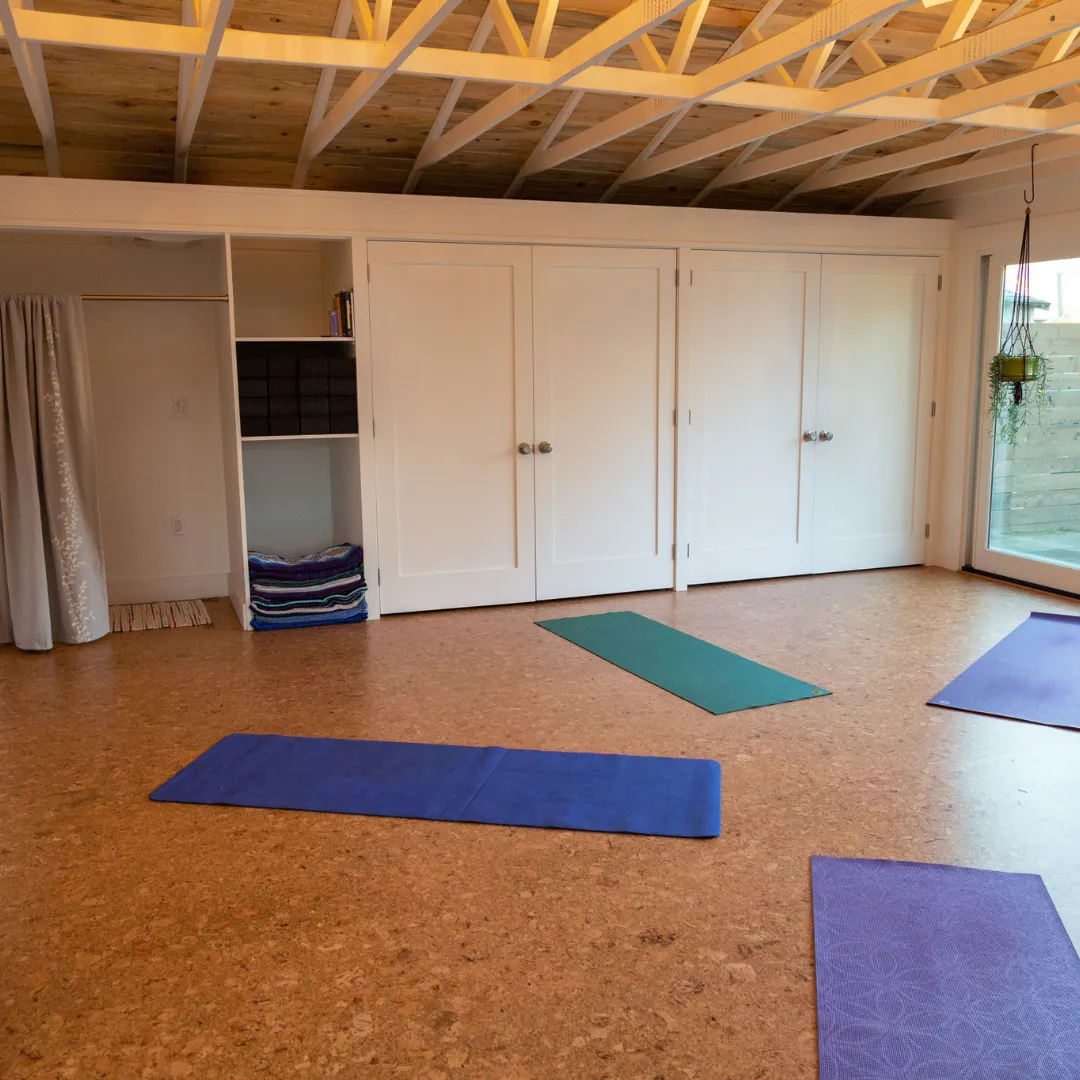
4. Cork Flooring
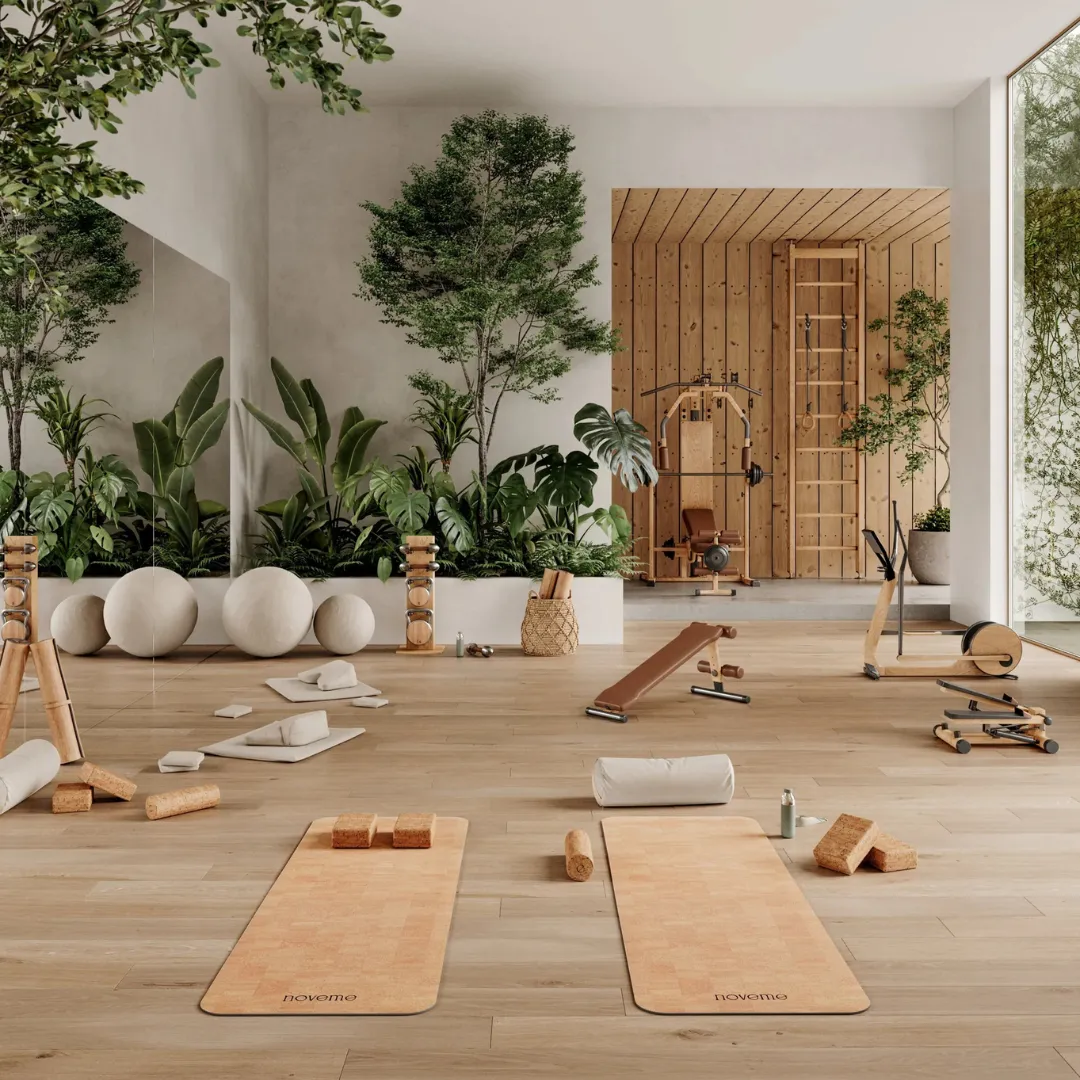
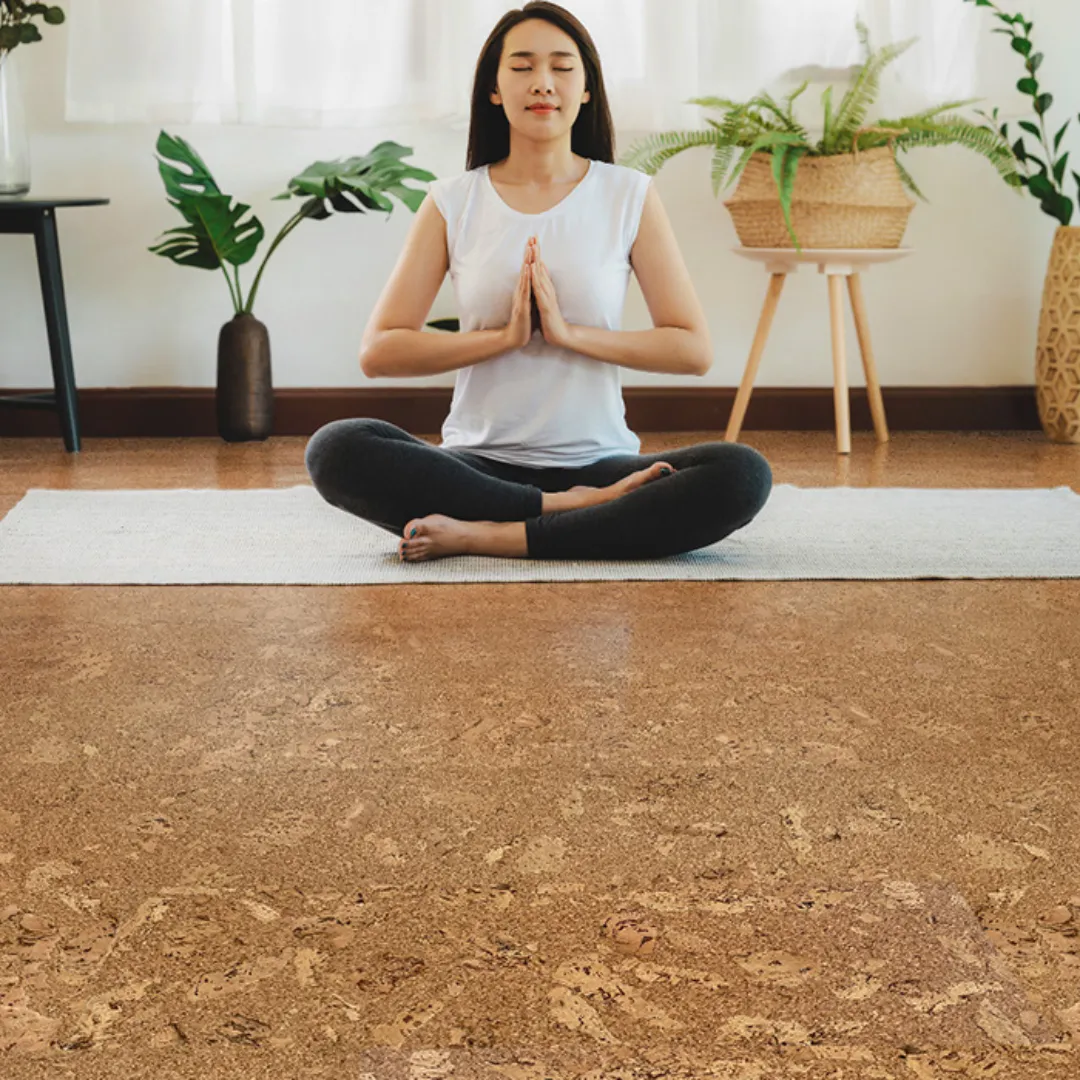
Overview
Cork flooring is an eco-friendly, soft, and resilient material gaining attention in Pakistan’s wellness and yoga community.
Pros
- Excellent natural cushioning and sound absorption.
- Warm, comfortable, and anti-fatigue.
- Eco-friendly and sustainable.
- Naturally antimicrobial and resistant to mold.
Cons
- Sensitive to moisture — not ideal for wet or humid environments.
- Can dent under heavy weights or equipment.
- Requires regular sealing.
Cost in Pakistan: PKR 1,200 – 2,200 per sq. ft.
Best for
Yoga, meditation, and low-impact studios that emphasize natural materials.
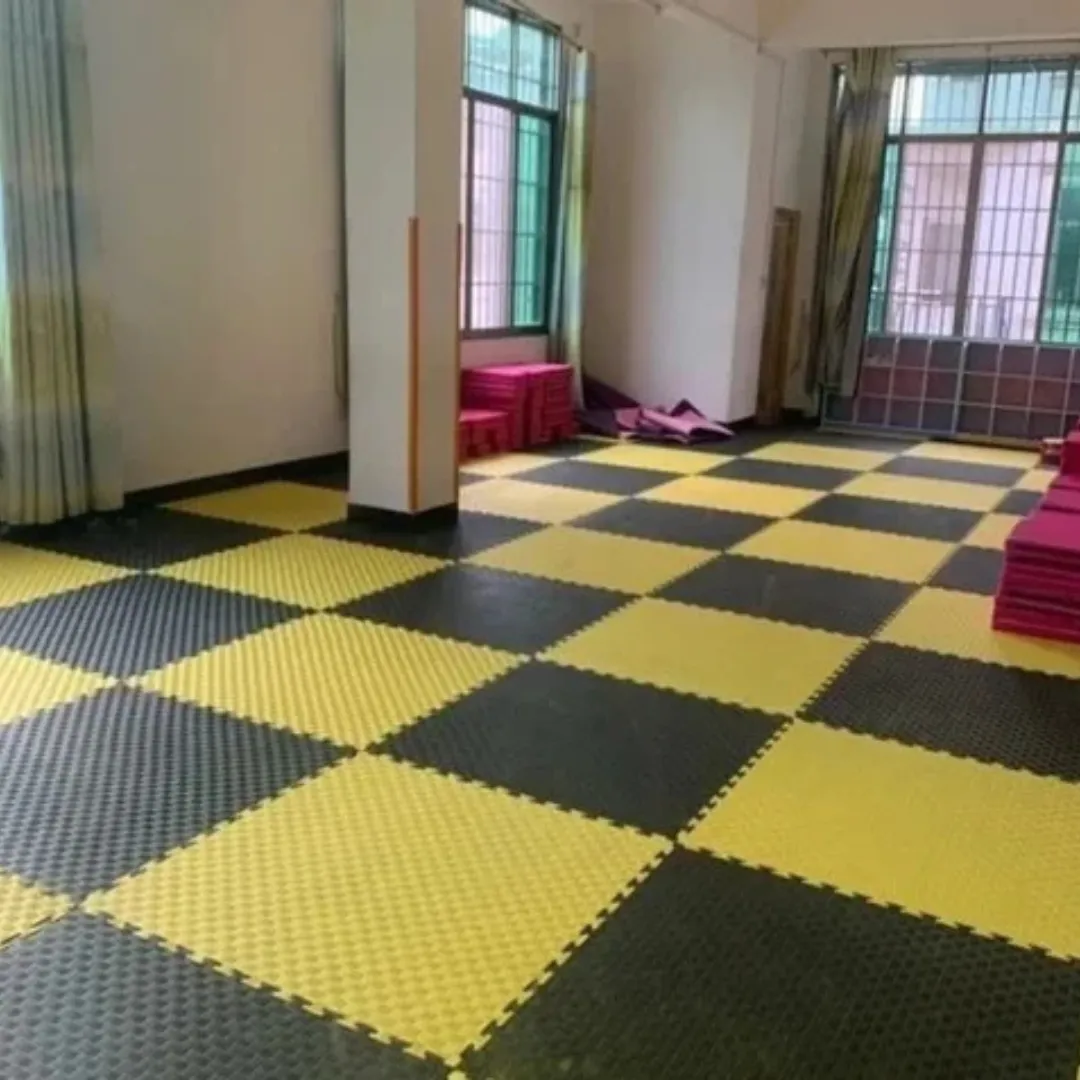
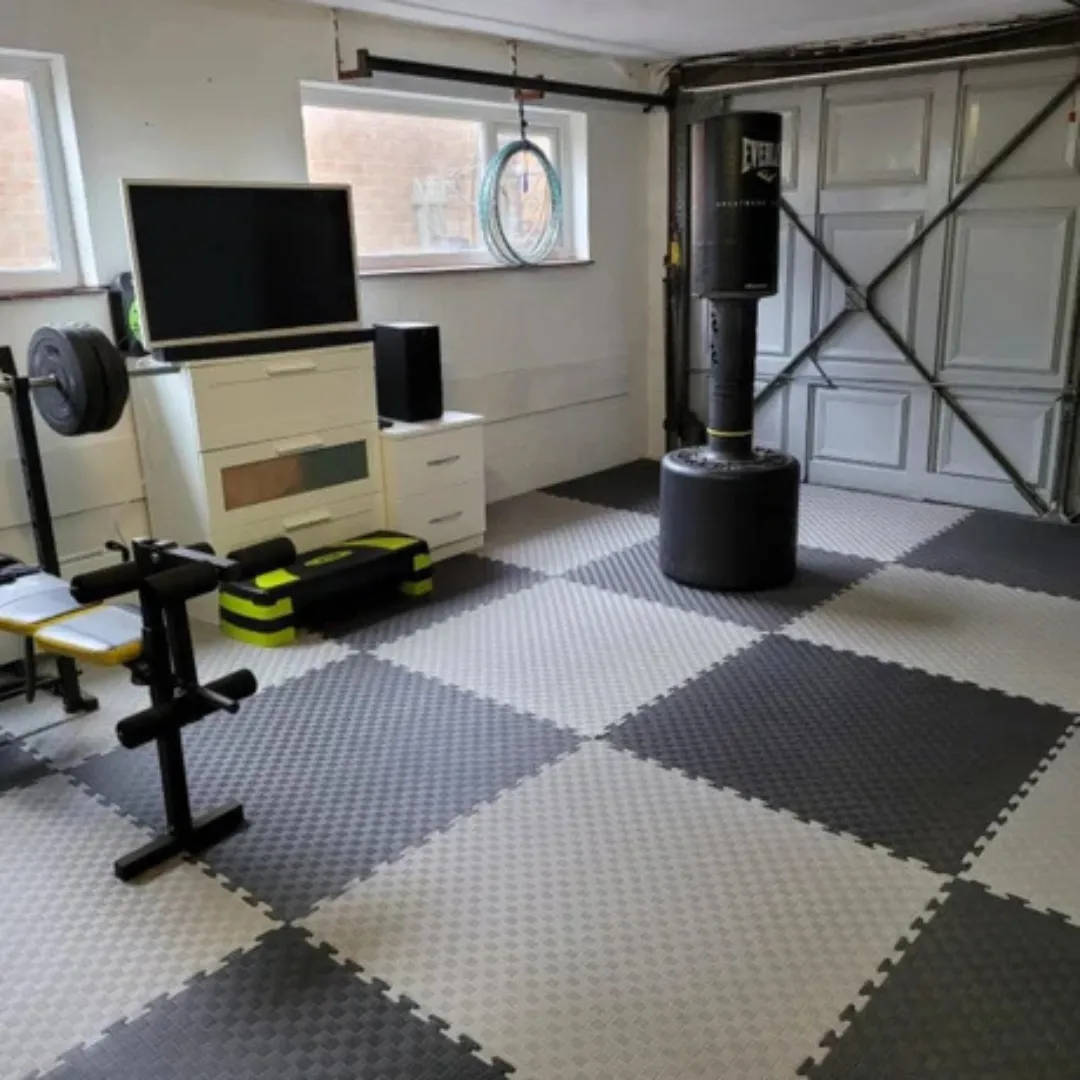
5. Foam / EVA Interlocking Mats
Overview
For smaller or budget-friendly yoga and aerobics spaces, EVA foam mats offer a portable and affordable option.
Pros
- Highly cushioned and shock-absorbing.
- Easy to install and replace — no adhesives required.
- Soft and comfortable for barefoot yoga or Pilates.
- Available in multiple colors and thicknesses.
Cons
- Less durable than vinyl or rubber.
- Not suitable for high-traffic or high-intensity aerobics.
- Can shift if not properly fixed.
Cost in Pakistan: PKR 300 – 800 per sq. ft.
Best for
Home yoga rooms, small private studios, or temporary setups.
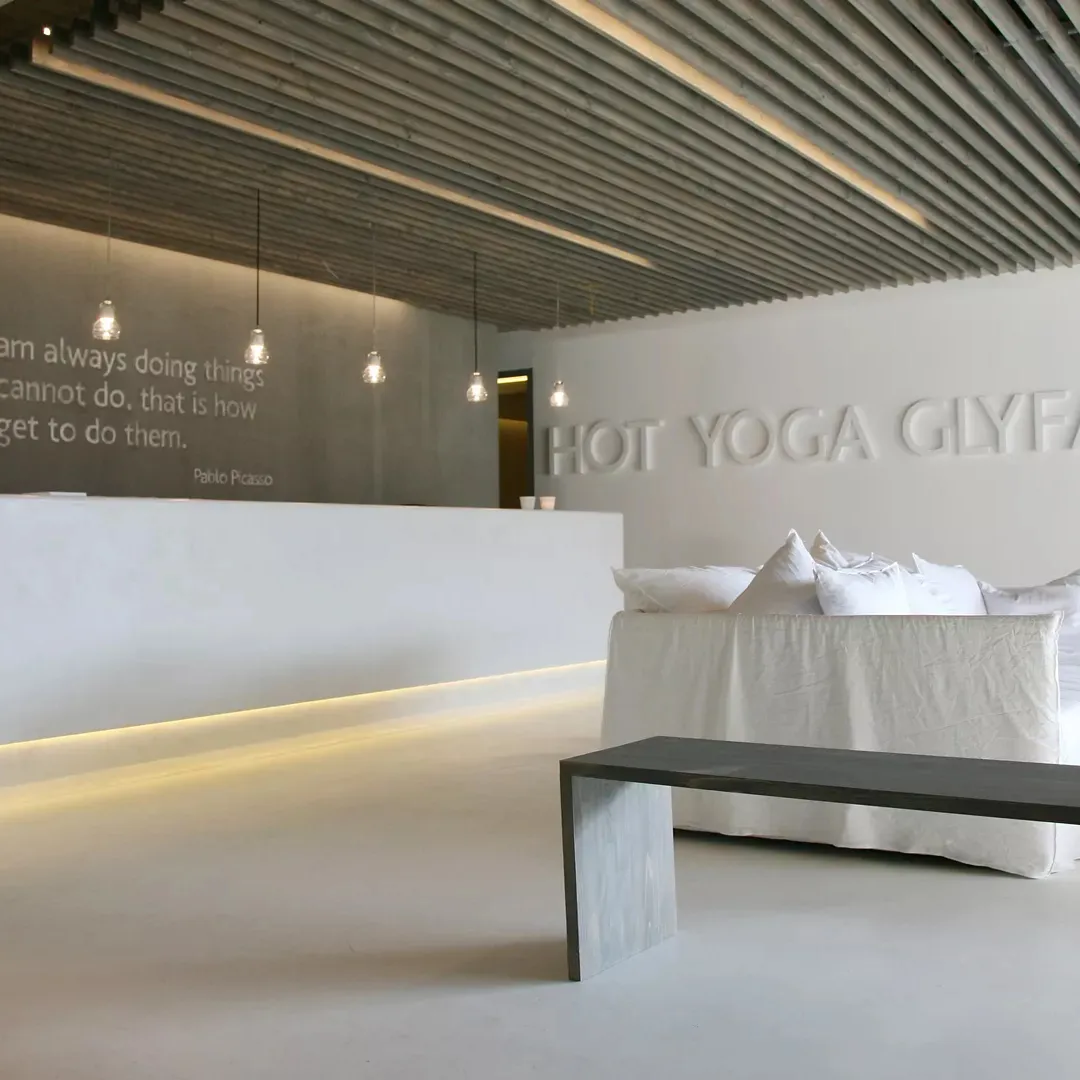
6. PU (Polyurethane) Sports Flooring
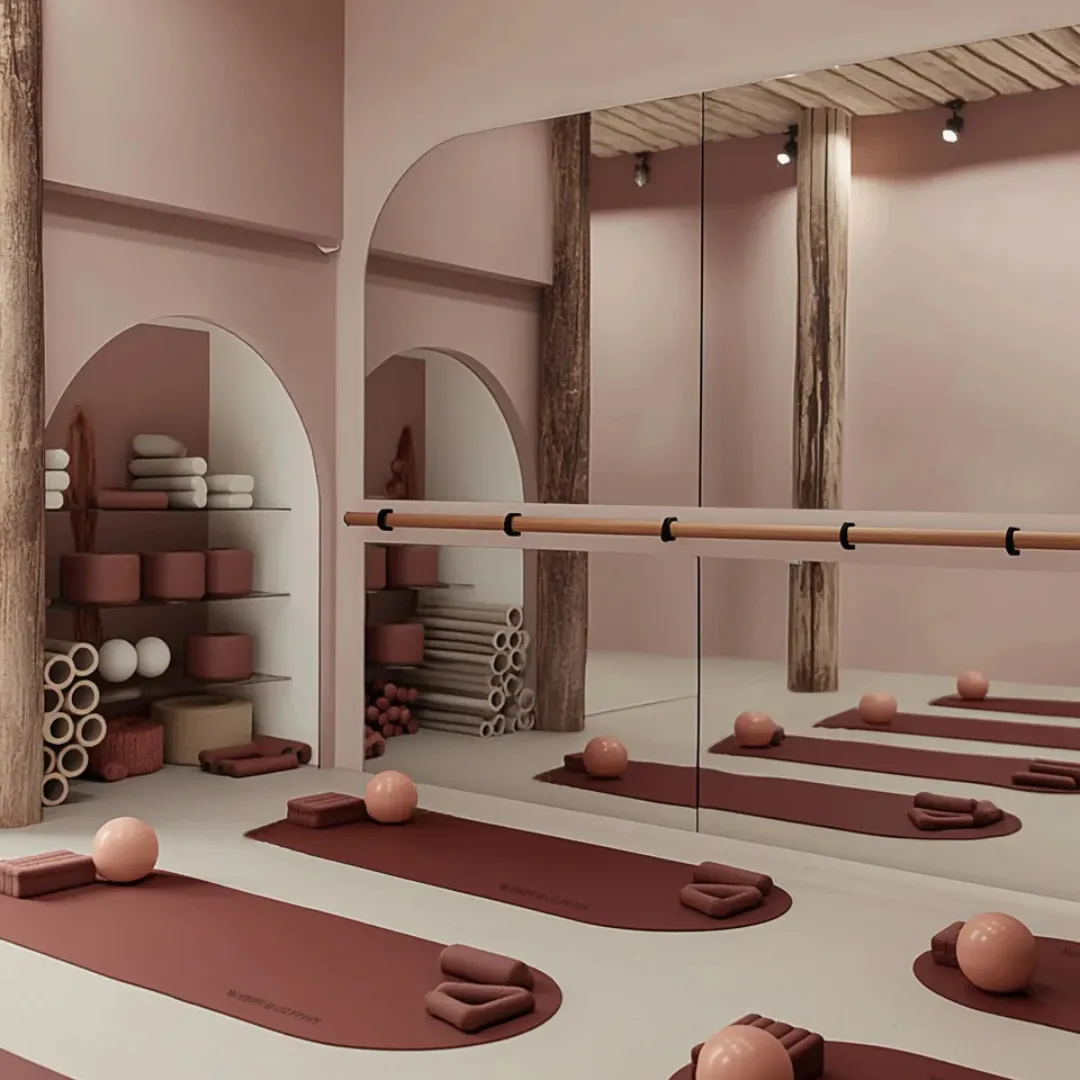
Overview
PU flooring is a seamless, cushioned sports surface used in professional studios and sports halls.
Pros
- Seamless surface — hygienic and easy to clean.
- High elasticity and impact resistance.
- Can be customized for grip and cushioning.
- Long-lasting and aesthetically modern.
Cons
- Higher installation cost.
- Requires expert installation.
- Sensitive to subfloor moisture during curing.
Cost in Pakistan: PKR 1,200 – 2,500 per sq. ft.
Best for
Professional aerobics and dance studios needing durability and comfort.
Comparison Table
| Flooring Type | Estimated Cost (PKR/sq. ft.) | Lifespan | Maintenance | Best For |
|---|---|---|---|---|
| Wooden Sports Flooring | 1,800 – 3,500 | 15–25 years | Medium | Premium yoga/aerobics studios |
| Vinyl Sports Flooring | 500 – 1,200 | 10–15 years | Low | Yoga, aerobics, multipurpose |
| Rubber Flooring | 700 – 1,800 | 10–20 years | Low | Aerobics, high-impact fitness |
| Cork Flooring | 1,200 – 2,200 | 10–15 years | Medium | Yoga, meditation spaces |
| Foam Mats | 300 – 800 | 3–5 years | Low | Home or small studios |
| PU Sports Flooring | 1,200 – 2,500 | 12–18 years | Low | Professional aerobics studios |
Climate & Environmental Considerations in Pakistan
When selecting flooring for yoga and aerobics studios in Pakistan, the local climate and environment should heavily influence your decision.
Humidity: In coastal cities like Karachi, vinyl or rubber flooring performs better than wood due to moisture resistance.
Temperature Fluctuations: PU or vinyl floors handle temperature variations better than solid hardwood.
Dust & Pollution: Sealed surfaces like PU and vinyl are easier to keep clean than porous materials like cork.
Air Conditioning: Ensure proper humidity control — excessive dryness can cause wooden floors to shrink or crack.
Energy Efficiency: Light-colored flooring reflects heat and helps maintain a cooler studio environment.
Installation Process — Step by Step
Regardless of the flooring material, professional installation is key to ensuring long-term performance. Here’s an overview of how yoga and aerobics flooring is typically installed in Pakistan.
1. Site Preparation
- Ensure a smooth, clean, and level subfloor (concrete or screed).
- Moisture testing is crucial before laying wooden or PU floors.
- Remove dust, oil, and debris for proper adhesion.
2. Underlayment
- Install a shock-absorbing or sound-reducing underlayment if needed.
- For wooden floors, a foam or rubber underlayer improves comfort.
- For vinyl or PU, a primer or bonding agent ensures adhesion.
3. Flooring Installation
- Wood: Plank installation (floating or glued).
- Vinyl: Sheet or roll glued down using adhesives.
- Rubber: Rolled or interlocking tiles with adhesive or loose lay.
- PU: Multi-layer poured system with primer, base, and topcoat.
- Foam Mats: Interlocked manually — DIY possible.
4. Finishing
- Seam sealing, edge trims, and corner protection.
- Line marking for multipurpose areas (optional).
- Final cleaning and polishing.
5. Quality Checks
- Verify grip level, cushion consistency, and surface evenness.
- Ensure moisture barrier is working (especially for wood/PU).
Maintenance Tips for Long Life
Proper maintenance not only keeps the studio looking professional but also extends flooring life.
Daily
- Sweep or vacuum to remove dust and grit.
- Wipe sweat or spills immediately.
Weekly
- Mop with a mild, non-abrasive cleaner.
- Check for loose edges, seams, or gaps.
Monthly
- Inspect for signs of wear, discoloration, or damage.
- For wooden floors, reapply protective wax or polish if required.
Annually
- Schedule deep cleaning or professional maintenance.
- Check humidity control systems and subfloor condition.
Acoustic and Aesthetic Considerations
Yoga and aerobics studios often double as community spaces where ambiance matters. Flooring plays a major role in creating the right atmosphere.
- For yoga: Calm, natural tones like light wood, beige, or matte gray promote serenity and focus.
- For aerobics: Bright, energetic colors like orange, blue, or red enhance energy and motivation.
- Acoustics: Rubber or cork flooring absorbs impact and sound, reducing echo from music and movement.
- Lighting reflection: Avoid high-gloss finishes; they can cause glare and distraction during floor exercises.
Cost Planning and Budgeting
The total flooring cost goes beyond material price per square foot. Include the following in your estimate:
- Subfloor preparation: PKR 150 – 400 / sq. ft. (leveling, moisture barrier).
- Adhesives and underlayments: PKR 100 – 300 / sq. ft.
- Installation labor: PKR 150 – 500 / sq. ft. depending on material complexity.
- Accessories: Skirting, trims, and finishing edges — PKR 50 – 100 / linear ft.
Pro Tip: Always ask for a turnkey quotation from your contractor — including subfloor prep, adhesives, labor, and finishing — to avoid hidden costs.
Selecting the Right Contractor in Pakistan
Choosing a professional installer or flooring contractor can make a massive difference in durability and performance. Use this checklist:
Experience: Choose contractors experienced in gym or sports flooring.
Material Certification: Ensure they use certified materials with UV and fire ratings.
Moisture Control: Confirm subfloor testing and vapor barriers.
Samples & Demos: Request a mock-up or small sample area.
Warranty: Aim for at least 3–5 years warranty on material and installation.
After-Sales Support: Verify availability for maintenance or repairs.
Eco-Friendly and Sustainable Options
Environmental consciousness is growing in Pakistan’s fitness sector. If sustainability matters to your brand, consider:
- Cork flooring — Renewable, biodegradable, and naturally antimicrobial.
- Bamboo flooring — Fast-growing, sustainable, and elegant.
- Recycled rubber flooring — Made from repurposed materials.
- Low-VOC adhesives — Reduce indoor air pollution.
Common Mistakes to Avoid
Ignoring moisture barriers: Leads to warping or mold growth.
Choosing glossy or slippery surfaces: Dangerous for both yoga and aerobics.
Skipping professional installation: Results in uneven flooring or premature damage.
Neglecting acoustic insulation: Leads to noisy, echo-prone spaces.
Using cheap adhesives: Causes delamination and bubbles.
Not considering temperature changes: Can cause cracking or expansion.
Case Studies — Flooring Success Stories in Pakistan
Example 1: Boutique Yoga Studio, Lahore
A small yoga studio in Gulberg installed vinyl wood-textured flooring with foam underlay. The result: a serene ambiance with easy cleaning and zero slipping complaints even in humid conditions.
Example 2: Aerobics Studio, Karachi
A fitness club installed rubber flooring tiles with a 10mm thickness. The noise reduction improved class quality, and durability proved excellent despite heavy daily use.
Example 3: Corporate Wellness Center, Islamabad
Used PU sports flooring for their multipurpose hall, balancing durability with elegance. The seamless surface made cleaning effortless and improved shock absorption during group fitness sessions.
Conclusion — Designing the Perfect Fitness Floor in Pakistan
A well-designed yoga or aerobics studio floor is more than just a foundation — it’s a performance enhancer, safety layer, and brand statement. In Pakistan’s evolving fitness landscape, studio owners and architects are recognizing that flooring defines the user experience as much as lighting or equipment.
To summarize
- For yoga studios, prioritize comfort, traction, and natural aesthetics. Vinyl, cork, or engineered wood are top choices.
- For aerobics studios, focus on shock absorption, sound control, and durability — rubber or PU flooring works best.
- Always plan for climate, budget, and maintenance, and choose professional installers to ensure long-term value.
Investing in the right flooring not only enhances performance and safety but also creates a welcoming, professional environment that keeps clients coming back — whether for a peaceful morning yoga flow or a heart-pumping aerobics session.
FAQ’S
Which flooring is best for yoga studios?
Vinyl or cork flooring offers the best mix of comfort, slip resistance, and easy maintenance. For premium studios, wooden flooring creates a natural and elegant feel.
Which flooring is best for aerobics or Zumba?
Rubber or PU sports flooring provides superior shock absorption, durability, and noise reduction — ideal for high-energy movements.
Can I use regular gym rubber mats for yoga?
You can, but they may be too firm for yoga. Add yoga mats for cushioning or choose a softer surface like vinyl or cork.
How long does installation take?
For a 1,000 sq. ft. area, expect 2–5 days depending on the material and curing time.
How to maintain hygiene in studios?
Use non-toxic disinfectants, clean daily, and ensure proper ventilation to prevent sweat odor buildup.