
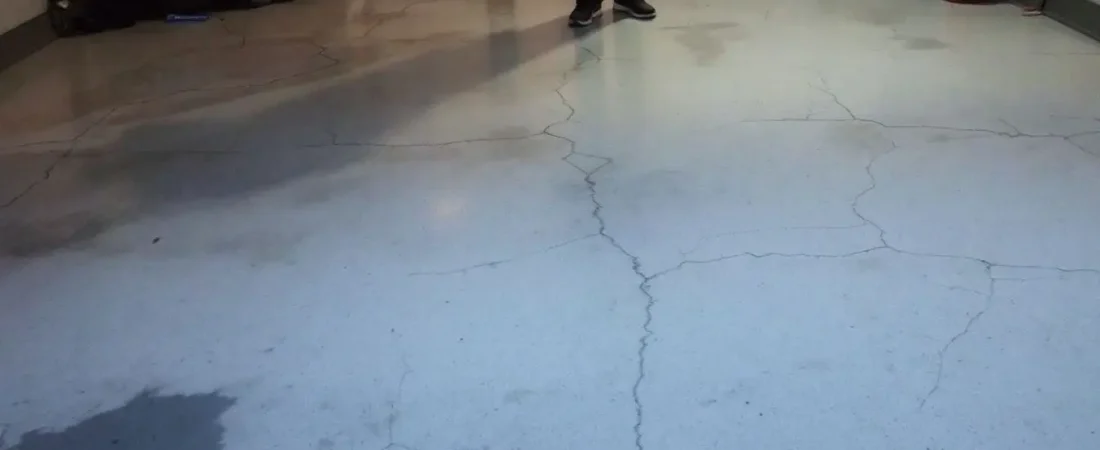
Epoxy Floor Crack Repair in Pakistan: Causes, Methods, Cost & Prevention
Learn how to identify, repair and prevent cracks in epoxy flooring, from minor hairline cracks to deeper concrete cracks requiring professional repair and restoration.
Cracks in an epoxy floor can be frustrating, particularly when the flooring was installed to provide a durable and seamless surface. The visible crack, however, is not always the actual problem. In many cases, the crack is a symptom of movement, moisture or stress within the concrete below.
The key to a long-lasting epoxy floor crack repair is identifying the cause before selecting the repair method. Surface-only repairs may look good initially but can fail again if the underlying concrete continues to move or moisture remains trapped beneath the coating.
The source page covers common causes including slab movement, poor preparation, thermal expansion, heavy impact, moisture and unsuitable materials, along with DIY and professional repair approaches. :contentReference[oaicite:0]{index=0}
What Is Epoxy Floor Crack Repair?
Epoxy floor crack repair is the process of restoring cracks or damaged areas in an epoxy-coated concrete floor. Depending on the severity of the damage, repair may involve crack cleaning, grinding, V-grooving, epoxy filling, injection resin, polyurethane sealant, concrete repair, sanding and recoating.
A suitable repair method depends on whether the crack is limited to the epoxy coating or continues into the concrete substrate.
Surface Crack
A crack limited primarily to the epoxy coating may require localized filling and recoating.
Concrete Crack
A crack extending into the concrete requires substrate repair rather than simply covering the surface.
Moving Crack
Cracks caused by continuing structural or slab movement require a repair strategy that considers movement.
Moisture-Related Crack
Moisture problems must be addressed before applying a new epoxy repair system.
Why Do Epoxy Floors Crack?
Epoxy flooring itself is only one part of a flooring system. Because epoxy is applied over concrete, movement or deterioration in the substrate can transfer stress to the coating.
1. Concrete Slab Movement
Settlement, movement or expansion of the concrete slab can transfer stress through the epoxy coating and produce cracks.
2. Poor Surface Preparation
Dust, laitance, oil, weak concrete or inadequate mechanical preparation can reduce adhesion and contribute to coating failure.
3. Thermal Expansion
Concrete and resin systems respond to temperature changes differently. Repeated expansion and contraction can create stress in the flooring.
4. Heavy Impact
Dropped equipment, machinery, vehicles and heavy loads can create localized impact damage.
5. Moisture From Below
Moisture moving through the concrete can contribute to bubbling, debonding and deterioration of epoxy flooring.
6. Unsuitable Materials
Poor-quality, incompatible or incorrectly mixed materials can reduce the durability and performance of the flooring system.
Types of Epoxy Floor Cracks
Identifying the type of crack helps determine whether a simple cosmetic repair is appropriate or whether the concrete substrate requires further investigation.
| Crack Type | Typical Appearance | Possible Repair Approach |
|---|---|---|
| Hairline Crack | Very thin surface line | Low-viscosity resin or suitable crack filler |
| Surface Crack | Visible crack in epoxy layer | Grinding, filling and recoating |
| Deep Crack | Crack extends into concrete | Concrete repair or injection system |
| Joint / Edge Crack | Along joints, walls or transitions | Movement-compatible joint treatment |
| Recurring Crack | Returns after previous repair | Root-cause investigation and specialized repair |
The source article categorizes cracks into hairline, surface, deep structural and edge/joint cracks, with the repair approach becoming more involved as the crack extends into the substrate or is associated with movement. :contentReference[oaicite:1]{index=1}
How to Repair Hairline Cracks in Epoxy Flooring
Hairline cracks are generally smaller and more localized than major structural cracks. Before repairing one, inspect the surrounding area to determine whether the crack is isolated or part of a larger pattern.
Clean the Crack
Remove dust, dirt, loose particles, oil and other contaminants from the crack and surrounding floor.
Check for Moisture
Ensure the repair area is dry and investigate possible moisture problems before applying resin.
Open the Crack Where Appropriate
For suitable cracks, controlled grinding or V-grooving can provide additional surface area for the repair material to bond.
Apply Suitable Filler
Use a compatible low-viscosity epoxy resin or crack filler selected for the crack and existing flooring system.
Allow Full Cure
Follow the manufacturer’s curing requirements before sanding, recoating or returning the area to service.
What Is V-Grooving for Epoxy Floor Crack Repair?
V-grooving involves carefully opening a suitable crack into a controlled V-shaped channel before filling it. This can increase the contact area available for the repair material and allow the filler to penetrate deeper into the damaged area.
The source article recommends controlled V-grooving for appropriate DIY repairs and emphasizes cleaning the groove thoroughly before filling. :contentReference[oaicite:2]{index=2}
Tools and Materials for Epoxy Floor Crack Repair
Surface Preparation Tools
- Angle grinder
- Diamond grinding blade
- Wire brush
- Industrial vacuum
- Scraper or putty knife
Repair Materials
- Epoxy crack filler
- Epoxy injection resin
- Compatible epoxy primer
- Matching epoxy topcoat
- Polyurethane sealant where appropriate
Cleaning Materials
- Suitable epoxy floor cleaner
- Clean cloths
- Drying equipment
- Fine sandpaper
Safety Equipment
- Protective gloves
- Safety glasses
- Suitable respiratory protection
- Protective work clothing
Step-by-Step Epoxy Floor Crack Repair Process
Inspect the Crack
Determine the approximate width, depth, location and pattern of the crack. Check whether it appears to extend into the concrete.
Remove Contamination
Remove dust, oil, grease, loose coating and other contaminants from the repair area.
Mechanically Prepare the Crack
Grind or V-groove the crack when appropriate and remove all remaining dust before applying repair material.
Prime the Repair Area
Apply a compatible primer where required by the repair system and allow it to reach the specified application stage.
Apply Crack Filler or Injection Resin
Fill the prepared crack with the specified resin or filler. Deep repairs may require a different technique from shallow surface cracks.
Allow the Repair to Cure
Keep traffic and contamination away from the repair while the material cures according to its technical data sheet.
Sand and Level
Once cured, sand or grind high spots and remove all dust to achieve a smooth transition with the surrounding floor.
Apply Matching Topcoat
Recoat the repaired area with a compatible epoxy system and feather the edges for a cleaner visual transition.
Final Inspection
Check the repair for pinholes, unevenness, poor adhesion, color differences and signs of continuing movement.
When Does an Epoxy Floor Crack Require Professional Repair?
Not every crack should be treated as a simple DIY repair. Professional assessment is recommended when the crack is deep, recurring, widespread or associated with structural movement.
Deep Structural Cracks
Cracks extending through the epoxy and into the concrete may require specialized injection or substrate repair.
Recurring Cracks
If a crack repeatedly returns after filling, the underlying cause should be investigated.
Multiple Cracks
A widespread crack pattern can indicate a broader substrate or installation problem.
Moisture Damage
Bubbling, lifting, dampness or recurring coating failure may indicate moisture-related problems below the epoxy.
Industrial Floors
Floors exposed to forklifts, machinery, chemicals or heavy traffic require repair materials appropriate for their operating conditions.
Large-Area Damage
Extensive cracking may be more effectively addressed through grinding, substrate repair and full or partial recoating.
Professional Epoxy Floor Crack Repair Services in Pakistan
Professional epoxy floor crack repair focuses on both the visible damage and the condition responsible for the failure. Repair systems can be selected for residential, commercial and industrial environments.
Hairline Crack Repair
Localized treatment for minor surface cracking where the substrate is stable.
Crack Injection
Specialized injection materials can be used for appropriate deeper cracks.
Concrete Repair
Damaged concrete beneath the epoxy can be repaired before the coating system is restored.
Grinding & Leveling
Mechanical preparation removes failed material and creates a suitable surface for restoration.
Epoxy Recoating
Recoating can restore protection and create a more uniform appearance after localized repairs.
Floor Restoration
Severely damaged floors may require partial or complete restoration rather than isolated crack filling.
Common Epoxy Floor Crack Repair Mistakes
Skipping Surface Preparation
Applying filler over dust, oil or loose material can prevent proper adhesion.
Covering the Crack Only
Painting over a crack without addressing the substrate may allow the crack to reappear.
Incorrect Mixing
Two-component repair materials must be mixed according to the manufacturer’s specified ratio.
Rushing Cure Time
Returning the repaired area to service before the material has fully cured can damage the repair.
Using Incompatible Products
Repair materials should be compatible with the existing epoxy system and intended substrate.
Ignoring Moisture
A moisture problem beneath the floor can cause recurring coating failures even after a crack has been filled.
The original repair guide specifically highlights poor cleaning, skipping crack preparation, incorrect resin-to-hardener ratios, rushed curing, incompatible products and ignoring the root cause as common repair mistakes. :contentReference[oaicite:3]{index=3}
Epoxy Floor Crack Repair Cost in Pakistan
Epoxy floor crack repair cost depends on the crack size, depth, number of damaged areas, substrate condition, repair material and whether the floor requires recoating.
| Repair Type | Approximate Cost | Cost Influencing Factors |
|---|---|---|
| Hairline Crack Repair | PKR 150–300 per running foot | Crack length and access |
| Surface Crack Repair | PKR 250–500 per running foot | Preparation and filler requirements |
| Deep Structural Crack Repair | PKR 500–1,000+ per running foot | Depth, injection and concrete condition |
| Full Floor Restoration | PKR 60–150+ per sq. ft. | Floor area, grinding, repair and recoating |
DIY Epoxy Floor Crack Repair Cost
Small localized repairs can cost considerably less when performed with suitable materials already available to the property owner. The main costs are generally the crack filler, primer, cleaning materials, tools and matching topcoat.
Small Crack
A small repair may require only a limited amount of filler and finishing material.
Multiple Cracks
Several cracks may require additional preparation tools and a larger quantity of resin and coating.
Large Repair
Extensive damage can require grinding equipment, concrete repair and full-area recoating.
The referenced page estimates basic DIY repair materials at approximately PKR 1,500–5,000 depending on the product quality and quantity required. :contentReference[oaicite:5]{index=5}
Industrial & Commercial Epoxy Floor Crack Repair
Industrial floors often experience more demanding conditions than residential floors. Forklifts, pallet movement, machinery, chemicals, moisture and repeated impact can place significant stress on repaired areas.
Warehouses
Repair damaged areas exposed to forklift traffic, pallet movement and heavy loads.
Factories
Restore cracked production floors while considering machinery and operational traffic.
Workshops
Repair floors exposed to vehicle movement, tools, oils and mechanical impact.
Commercial Kitchens
Address cracks and damaged areas where hygiene, cleaning and moisture resistance are important.
Parking Areas
Repair appropriate epoxy-coated parking surfaces affected by traffic and impact.
Showrooms
Restore damaged decorative epoxy floors while maintaining a clean visual finish.
How to Prevent Epoxy Floor Cracks
Preventing cracks begins before the epoxy is installed. Correct substrate preparation and appropriate system selection can reduce the risk of premature cracking and other flooring failures.
Prepare the Concrete Properly
Mechanically prepare the substrate and remove weak concrete, contamination and surface laitance.
Control Moisture
Evaluate substrate moisture and use an appropriate moisture-management system when required.
Treat Joints Correctly
Existing movement and expansion joints should be incorporated into the flooring design rather than simply covered.
Choose Suitable Materials
Select an epoxy system appropriate for the expected traffic, impact, chemical exposure and operating environment.
Protect Heavy-Traffic Areas
Use suitable protection in areas exposed to repeated impact or concentrated loads.
Inspect Regularly
Identify small cracks early so they can be investigated and repaired before larger areas become damaged.
When Should an Epoxy Floor Be Repaired or Recoated?
Localized cracks do not always mean that the entire floor needs replacement. The appropriate solution depends on the extent and cause of the damage.
| Condition | Possible Solution |
|---|---|
| One or two small stable cracks | Localized crack repair |
| Several surface cracks | Repair followed by localized or wider recoating |
| Recurring cracks | Investigate substrate movement or moisture |
| Large damaged sections | Grinding, substrate repair and restoration |
| Widespread coating failure | Complete floor assessment and possible resurfacing |
Why Hire Professional Epoxy Floor Crack Repair Contractors?
Professional repair is particularly valuable when the cause of cracking is unclear or when the floor is exposed to demanding industrial conditions.
- Professional crack and substrate assessment
- Identification of recurring crack causes
- Mechanical surface preparation
- Selection of suitable repair materials
- Concrete substrate repair where required
- Epoxy injection and filling systems
- Localized or complete recoating
- Improved finish matching
- Reduced downtime through planned repair
- Long-term flooring restoration
Epoxy Floor Crack Repair in Pakistan
Epoxy floors in Pakistan can be exposed to high temperatures, seasonal moisture, monsoon conditions, industrial traffic and heavy use. These factors should be considered when diagnosing and repairing cracks.
A repair that works for a small residential room may not be appropriate for a warehouse, factory, pharmaceutical facility or commercial workshop. Industrial floors require repair materials and methods suited to their actual operating conditions.
For significant or recurring cracks, professional inspection is recommended before simply applying a surface filler.
Need Professional Epoxy Floor Crack Repair?
Restore damaged epoxy and concrete flooring with a repair system selected according to the crack type, substrate condition and operating environment.
Request a Repair ConsultationFrequently Asked Questions About Epoxy Floor Crack Repair
Can I repair an epoxy floor crack myself?
Small, stable surface cracks may be suitable for DIY repair when the correct preparation, compatible filler and curing procedures are followed. Deep, recurring or structural cracks should be professionally assessed.
Why is my epoxy floor cracking?
Common causes include concrete movement, poor surface preparation, thermal expansion and contraction, heavy impact, moisture beneath the slab and unsuitable flooring materials.
Can cracks in epoxy flooring be repaired?
Yes. Many epoxy floor cracks can be repaired, but the correct method depends on whether the crack is limited to the coating or extends into the concrete substrate.
What is the best filler for epoxy floor cracks?
The appropriate filler depends on crack size, depth, movement and substrate condition. Compatible epoxy fillers, injection resins or polyurethane-based materials may be used for different applications.
What is V-grooving in epoxy crack repair?
V-grooving is a controlled grinding technique used to open a suitable crack into a V-shaped channel so the repair material can achieve better contact with the sides of the prepared crack.
Why do epoxy floor cracks come back after repair?
Recurring cracks can indicate ongoing slab movement, settlement, moisture, structural stress or another unresolved substrate problem. Filling the visible crack alone may not solve the underlying cause.
Can moisture cause epoxy floor cracks?
Moisture moving through concrete can contribute to bubbling, debonding, lifting and other coating failures that may eventually result in cracking.
How much does epoxy floor crack repair cost in Pakistan?
Cost depends on crack severity, repair method, floor condition and whether recoating is required. Published estimates range from around PKR 150–300 per running foot for hairline repairs to PKR 500–1,000+ per running foot for deep structural repairs, while full restoration can be priced per square foot.
How long does epoxy floor crack repair last?
Service life depends on the repair quality, substrate stability, traffic, moisture and environmental conditions. A properly prepared and compatible repair can last significantly longer than a surface patch applied without addressing the underlying cause.
Can a cracked epoxy floor be completely recoated?
Yes. If cracking or coating damage is widespread, the floor may be mechanically prepared, damaged areas repaired and a compatible epoxy resurfacing system installed.
When should I hire a professional for epoxy floor crack repair?
Hire a professional when cracks are deep, structural, recurring, widespread or associated with moisture, slab movement or significant coating failure.
Related Epoxy Flooring Services
Conclusion
Epoxy floor cracks should not simply be covered with another layer of coating. The most important step is identifying why the crack occurred in the first place.
Small and stable surface cracks may be repaired using appropriate epoxy fillers and localized recoating. Deeper cracks, recurring cracks, moisture problems and structural movement require a more comprehensive repair strategy.
Proper concrete preparation, moisture control, compatible materials, correctly treated joints and professional installation can significantly reduce the risk of recurring epoxy floor cracks.
For industrial and commercial flooring, professional assessment is especially important because a failed repair can affect floor durability, appearance, maintenance requirements and operational downtime.