
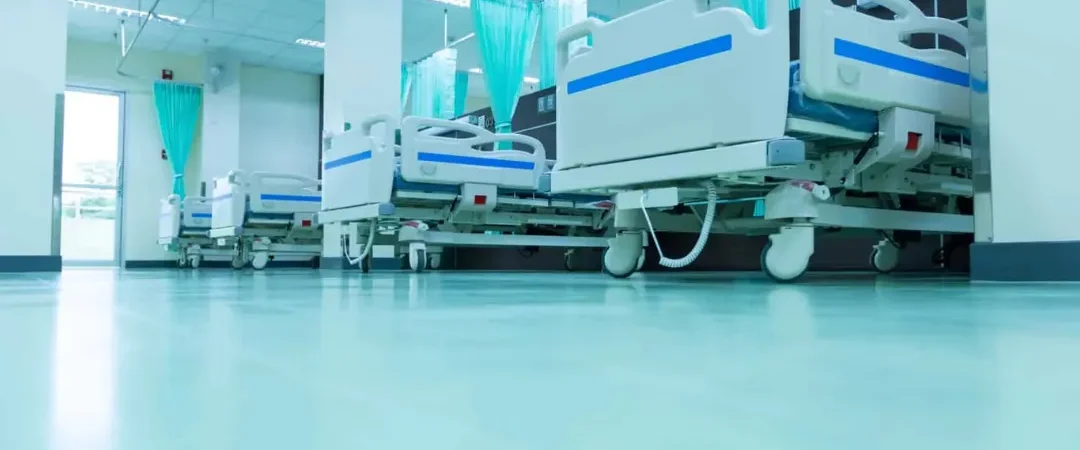
Anti Bacterial Flooring
By Epoxy Flooring Pakistan Technical Team
Industrial Flooring & Protective Coating Specialists
Content reviewed and updated: August 2026
Anti bacterial flooring is designed for environments where cleanliness, washability and hygiene control are critical. These flooring systems use seamless construction and, in selected products, antimicrobial additives designed to inhibit the growth of certain microorganisms on the flooring surface.
It is commonly used in hospitals, clinics, laboratories, pharmaceutical facilities, food processing areas, commercial kitchens, schools and other hygiene-sensitive spaces.
Important: An antimicrobial floor does not replace regular cleaning, disinfection or a complete infection-control program. Hygiene depends on the complete environment, including cleaning procedures, drainage, wall junctions, equipment sanitation and staff practices.
What Is Anti Bacterial Flooring?
Anti bacterial flooring is a specialised flooring system designed to support hygienic environments through a smooth, sealed and easy-to-clean surface. Some systems also contain antimicrobial technology incorporated into the flooring material.
These technologies are intended to reduce or inhibit the growth of certain bacteria or microorganisms under defined test conditions. The exact performance depends on the selected product and test method.
Prepared Substrate
A clean and structurally sound concrete base provides the foundation for the hygienic flooring system.
Primer System
The specified primer helps create a strong bond between the prepared substrate and flooring layers.
Seamless Hygienic Floor
A sealed resin surface reduces open joints and areas where dirt and contaminants can accumulate.
Hygienic Detailing
Coving and sealed wall-to-floor transitions can improve cleaning access where required.
How it supports hygiene:
Easy-to-Clean Surface → Fewer Open Joints → Better Cleaning Access
→ Improved Hygiene Control
Why Anti Bacterial Flooring Matters
Easier Cleaning
Seamless resin flooring creates fewer joints than many conventional floor finishes, making routine cleaning easier.
Reduced Surface Porosity
A properly installed sealed flooring system helps limit absorption through the finished floor surface.
Hygienic Wall Details
Coved skirting creates a smoother transition between the wall and floor and reduces difficult-to-clean corners.
Chemical & Wash Resistance
Selected epoxy and PU systems can resist appropriate cleaning agents and washdown exposure depending on the selected system.
Durable Surface
Correctly selected flooring can withstand expected foot traffic, trolley movement and operational loads.
Seamless Construction
Fewer open joints can help reduce areas where dirt and contaminants collect during daily operations.
Anti Bacterial vs Antimicrobial vs Hygienic Flooring
These terms are often used interchangeably. However, they can describe different flooring properties and should be checked against the manufacturer’s technical documentation.
| Flooring Type | Main Purpose | Typical Application |
|---|---|---|
| Hygienic Flooring | Smooth and easy-to-clean surface | Hospitals, kitchens and laboratories |
| Antimicrobial Flooring | Uses specified technology intended to inhibit certain microorganisms | Healthcare and hygiene-sensitive spaces |
| Anti Bacterial Flooring | Focuses on reducing or inhibiting specified bacterial growth | Food, healthcare and pharmaceutical facilities |
| Chemical-Resistant Hygienic Flooring | Combines hygienic design with resistance to selected chemicals | Food processing and industrial facilities |
Important: Product claims should be supported by manufacturer technical documentation and applicable test results. An antimicrobial claim should not be interpreted as protection against every microorganism or as a replacement for cleaning and disinfection.
Types of Anti Bacterial Flooring
Anti Bacterial Epoxy Flooring
Combines a seamless epoxy surface with hygiene-focused construction. Selected systems may incorporate antimicrobial technology.
- Seamless finish
- Easy cleaning
- Low surface porosity
- Good adhesion to prepared concrete
- Suitable mechanical strength
- Selected chemical resistance
- Optional coving details
Hygienic PU Flooring
Polyurethane flooring can provide a resilient surface and may be selected for demanding temperature and operational conditions.
- Food processing areas
- Commercial kitchens
- Pharmaceutical production
- Selected wet processing areas
- Cold storage transition zones
Hygienic Epoxy Coating
A thinner resin system applied over a properly prepared substrate for areas requiring a seamless and easy-to-clean finish.
- Clinics
- Laboratories
- Hospital corridors
- Pharmaceutical support areas
- Dry food preparation areas
Anti Bacterial Vinyl Flooring
Specialised vinyl flooring can provide a hygienic and easy-to-clean surface for controlled environments.
- Hospitals
- Healthcare corridors
- Patient rooms
- Clinics
- Laboratories
- Educational facilities
Anti Bacterial Flooring Installation Services
Hygiene & Site Assessment
- Facility type
- Hygiene requirements
- Cleaning procedures
- Water exposure
- Chemical exposure
- Temperature conditions
- Traffic levels
- Drainage layout
Concrete & Moisture Assessment
We inspect moisture, concrete strength, cracks, weak areas, contamination, old coatings and other substrate defects before installation.
Mechanical Surface Preparation
- Diamond grinding
- Shot blasting
- Scarifying
- Weak concrete removal
- Old coating removal
- Crack and defect repair
Crack & Joint Treatment
We assess cracks and joints individually. Structural and movement joints may require specialised treatment rather than rigid filling.
Primer & Moisture-Control Layer
Where required, we apply the specified primer or moisture-control layer to support bonding and flooring performance.
Hygienic Resin Flooring
- Smooth seamless finish
- Matt finish
- Light anti-slip texture
- Heavy-duty textured surface
- Chemical-resistant options
- Selected colours
Hygienic Coving & Detailing
- Resin coving
- Rounded wall-to-floor transitions
- Hygienic skirting
- Sealed penetrations
- Drain detailing
Quality Control & Inspection
We inspect the completed surface for continuity, coating coverage, pinholes, defects, hygienic detailing and general installation quality.
How Anti Bacterial Flooring Supports Hygiene
The flooring itself does not sterilise a facility. Instead, it provides a sealed and easy-to-clean surface designed to support an effective hygiene and cleaning program.
Antimicrobial technology may provide an additional product feature, but routine cleaning and disinfection remain essential.
Where Is Anti Bacterial Flooring Used?
Hospitals & Healthcare
Suitable for selected corridors, treatment areas, laboratories and healthcare support spaces.
Clinics
Provides a seamless surface with fewer joints and easier routine maintenance.
Laboratories
Suitable flooring systems can support controlled working and testing environments.
Pharmaceutical Facilities
Selected resin flooring can provide seamless surfaces for production and support areas.
Food Processing
Systems can be selected according to hygiene, washdown, chemicals and temperature conditions.
Commercial Kitchens
Suitable systems can combine hygienic detailing with resistance to expected cleaning and traffic conditions.
Schools
Easy-to-clean flooring can support high-traffic educational environments.
Veterinary Clinics
Can provide a sealed and durable surface suitable for routine cleaning procedures.
Typical Anti Bacterial Flooring System
| Layer | Function |
|---|---|
| Concrete Substrate | Provides the structural base. |
| Surface Preparation | Removes weak, damaged or contaminated material. |
| Crack & Defect Repair | Creates a sound surface before flooring application. |
| Primer | Helps improve bonding with the substrate. |
| Hygienic Resin Layer | Creates the main seamless floor surface. |
| Antimicrobial Technology | Included where specified by the selected product. |
| Protective Topcoat | Provides final surface properties where required. |
| Hygienic Coving | Improves wall-to-floor cleanability where specified. |
Anti Bacterial Flooring Installation Process
Assess hygiene and operating conditions.
Choose flooring for the environment.
Check moisture and concrete condition.
Mechanically prepare the substrate.
Repair suitable cracks and defects.
Apply the specified hygienic flooring.
Complete final quality inspection.
Final stages: Coving, detailed junction work and protective topcoats are completed where required. The floor then cures according to the selected manufacturer’s requirements before final inspection and handover.
Common Mistakes in Anti Bacterial Flooring
Expecting a Self-Cleaning Floor
An antimicrobial or anti bacterial floor still requires regular cleaning and appropriate disinfection.
Using the Wrong Wet-Area System
A smooth coating may not provide suitable slip resistance for continuously wet environments.
Ignoring Drainage
Flooring cannot solve poor drainage design. Standing water can create hygiene and maintenance problems.
Filling Every Movement Joint
Some joints must remain functional. Rigidly filling them can cause cracking.
Choosing Too Much Texture
Heavy texture may improve grip but can trap dirt and require more intensive cleaning.
Ignoring Wall Junctions
Poor wall-to-floor detailing can create difficult-to-clean areas even when the floor surface itself is seamless.
Unsupported Claims
Specific antibacterial or antimicrobial claims should be supported by manufacturer documentation and relevant testing.
Poor Surface Preparation
Even a high-quality hygienic flooring system can fail when installed over weak or contaminated concrete.
Anti Bacterial Flooring for Demanding Facilities
Flooring systems should be selected according to actual site conditions, including temperature, humidity, dust, cleaning methods, water exposure and traffic.
High Temperature
Temperature can affect resin working time and curing. Installation should follow product requirements.
Humidity & Moisture
Moisture in concrete and surrounding conditions can affect some resin systems and should be assessed before installation.
Dust Control
Dust can contaminate uncured flooring and affect surface quality. Controlled preparation is important.
Washdown Conditions
Facilities using frequent washdown procedures require flooring selected for expected water and chemical exposure.
Heavy Traffic
Trolleys, equipment and high foot traffic require suitable mechanical strength.
Slip Resistance
Surface texture should balance cleaning requirements with the level of slip resistance needed for the environment.
How We Approach Anti Bacterial Flooring Differently
We do not recommend a flooring system based only on the word “antibacterial.” We assess the complete operating environment first.
Complete Hygiene Design
We consider seamless construction, cleaning access, coving, drainage and surface finish instead of focusing only on a product label.
Real Operating Conditions
We consider chemicals, washdown, traffic, temperature and moisture so the selected system matches the facility.
Despite using an antimicrobial product, a floor can still become unhygienic when cleaning procedures are poor or when cracks and open joints develop.
However, a seamless floor with suitable coving, drainage and cleaning procedures can support better hygiene even when the flooring system does not make broad antimicrobial claims.
Standards & Technical References
Content reviewed and updated: August 2026. The appropriate requirements depend on the facility, industry and selected flooring system.
ISO 22196
Describes a method for measuring antibacterial activity on plastics and other non-porous surfaces under defined conditions.
HACCP Principles
Food-related facilities may use HACCP principles as part of a wider food safety management system.
WHO Hygiene Guidance
Healthcare facilities should follow applicable infection prevention and environmental cleaning guidance.
Manufacturer Technical Data
Selected products should provide documentation covering application, thickness, chemical resistance, cleaning, curing and supported performance claims.
Choosing the Right Anti Bacterial Flooring System
Anti bacterial flooring provides more than an attractive seamless surface. A correctly designed system can support hygiene by reducing open joints, sealing the floor surface and improving cleaning access.
However, the term “anti bacterial” should not create unrealistic expectations. Flooring does not replace cleaning, disinfection, infection-control procedures or food safety programs.
Assess Hygiene Requirements
Check Water & Chemicals
Inspect the Substrate
Design Hygienic Details
Install the Correct System
Maintain & Clean Correctly
Get an Anti Bacterial Flooring Consultation
We provide hygienic epoxy, PU and specialised flooring solutions for hospitals, laboratories, pharmaceutical facilities, food processing areas, commercial kitchens and other hygiene-sensitive environments.
Our process includes:
- Site and hygiene assessment
- Review of cleaning conditions
- Water and chemical exposure assessment
- Substrate inspection
- Mechanical surface preparation
- Flooring system selection
- Hygienic coving and detailing
- Professional installation
- Final quality inspection
Explore Related Flooring Solutions
Explore flooring systems for healthcare, pharmaceutical, industrial and commercial environments where hygiene, cleanability and surface performance are important.
Pharmaceutical Flooring
Specialized flooring solutions for pharmaceutical and controlled environments where hygiene, cleanability and process requirements are important.
Vinyl Flooring
Practical flooring solutions for selected healthcare, commercial and institutional environments where maintenance and cleanability matter.
Anti-Static Flooring
Specialized flooring designed to help control electrostatic discharge in sensitive pharmaceutical, industrial and technical environments.
Epoxy Flooring
Seamless resin flooring systems that provide a continuous surface for commercial and industrial environments where durability and cleaning matter.
PU Flooring
Polyurethane flooring systems for demanding environments where resilience, cleaning procedures and temperature variation require careful consideration.
Industrial Flooring
Heavy-duty flooring solutions for factories, warehouses and production facilities exposed to traffic, abrasion and demanding operating conditions.