PU Flooring Services
By Epoxy Flooring Pakistan Technical Team
PU Flooring, Polyurethane Coatings, Industrial Floors and Concrete Protection Specialists
Content reviewed and updated: August 2026
We install PU flooring, also called polyurethane flooring, for commercial and industrial spaces. Our services cover factories, food processing facilities, commercial kitchens, warehouses, manufacturing plants, laboratories, pharmaceutical areas, hospitals, workshops and production areas.
PU flooring creates a continuous protective layer over concrete. It can protect the floor from daily wear, water, cleaning chemicals and demanding working conditions. However, one PU product does not suit every floor.
A warehouse has different needs from a commercial kitchen. A dry production room also has different requirements from a wet food processing area. We inspect the floor first and then recommend a suitable PU flooring system.
Our approach: We select the flooring based on traffic, moisture, chemicals, temperature, cleaning methods and concrete condition.
What Is PU Flooring?
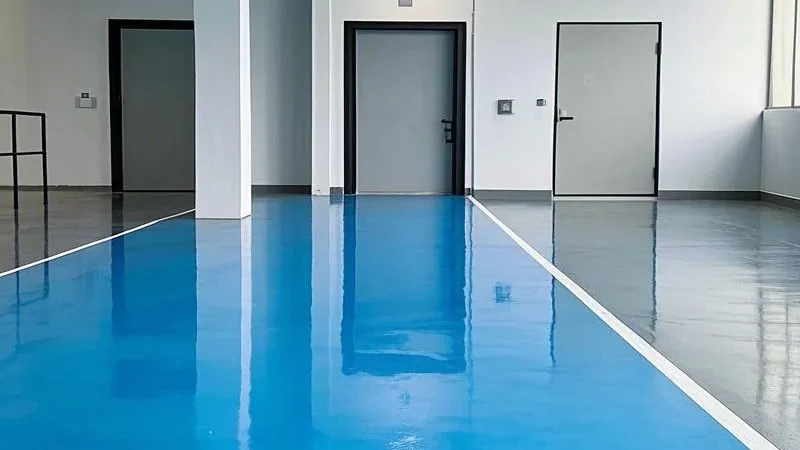
PU flooring is a floor coating system made from polyurethane resin. It is installed over a properly prepared concrete surface. The system can create a smooth, seamless and protective finish.
The exact flooring build-up depends on the project. A light commercial floor may need a different system from a busy industrial area.
Some projects may also need an anti-slip layer. Other projects may require additional layers for greater protection. The final system depends on traffic, exposure and the required finish.
Important: PU flooring is not one single product. Different polyurethane systems can provide different levels of flexibility, wear resistance, chemical resistance, water resistance and UV performance.
Why Choose PU Flooring?
A properly selected PU flooring system can provide a seamless and durable surface. The exact performance depends on the selected product and complete flooring system.
Seamless Surface
PU flooring can create a continuous surface with fewer joints and easier day-to-day cleaning.
Flexible Properties
Certain PU systems can offer more flexibility than rigid resin flooring systems.
Water Protection
Suitable PU systems can protect concrete in areas exposed to regular water and cleaning.
Wear Resistance
PU flooring can protect concrete from daily foot traffic, equipment movement and surface wear.
Anti-Slip Options
Textured finishes can be added where more surface grip is required.
Colour Options
Different PU systems can provide decorative colour and finish options for commercial spaces.
System selection matters: PU flooring is not automatically better than epoxy flooring. Some projects benefit from polyurethane flexibility. Others may require an epoxy system. We select the system according to the job.
PU Flooring vs Epoxy Flooring
PU and epoxy are both resin-based flooring systems. However, they have different surface properties. The exact performance depends on the specific product.
| Feature | PU Flooring | Epoxy Flooring |
|---|---|---|
| Surface Behaviour | Usually more flexible | Usually more rigid |
| Floor Movement | Can handle more movement depending on the system | Generally less flexible |
| Finish | Smooth or textured | Smooth, glossy or textured |
| UV Performance | Some PU topcoats offer improved colour stability | Standard epoxy can change colour in sunlight |
| Chemical Resistance | Depends on the PU product | Depends on the epoxy product |
| Common Applications | Commercial and specialist industrial areas | Factories, warehouses and workshops |
Professional PU Flooring Services
PU Floor Inspection
We inspect the floor before recommending a system.
- Type of building
- Daily floor use
- Foot and equipment traffic
- Concrete condition
- Visible cracks and defects
- Water and chemical exposure
Concrete Surface Preparation
We prepare the concrete to create a suitable base for the PU flooring system.
- Weak surface removal
- Surface dust removal
- Old coating preparation
- Loose material removal
- Surface contamination treatment
- Suitable defect preparation
PU Self-Levelling Flooring
Creates a smooth and continuous surface for suitable indoor environments.
- Laboratories
- Production rooms
- Pharmaceutical areas
- Healthcare facilities
- Assembly areas
- Clean commercial spaces
PU Coating Flooring
Provides a protective layer over properly prepared concrete.
- Commercial buildings
- Workshops
- Storage areas
- Light industrial facilities
- Service areas
- Manufacturing spaces
Heavy-Duty PU Flooring
Selected for floors exposed to greater daily mechanical demands.
- Manufacturing plants
- Industrial kitchens
- Production facilities
- Workshops
- Equipment areas
- Active industrial zones
PU Flooring for Food Areas
Designed around the actual washing, cleaning and operating conditions.
- Food processing areas
- Commercial kitchens
- Production zones
- Wet work areas
- Dry packaging areas
- Service spaces
Anti-Slip PU Flooring
Textured finishes can provide more grip in suitable wet or active areas.
- Commercial kitchens
- Wet production areas
- Food facilities
- Workshops
- Ramps
- Walkways
PU Floor Restoration
We assess suitable options for damaged or worn flooring systems.
- Surface repair
- Crack preparation
- Damaged coating removal
- Concrete repair
- Surface preparation
- Recoating
PU Flooring for Food Processing Areas
Food processing floors can face water, cleaning chemicals, oils, equipment traffic and regular washdowns. Different areas within the same facility may also face different conditions.
Wet Processing Area
- Regular water exposure
- Frequent cleaning
- Cleaning chemical contact
- Surface grip requirements
- Equipment movement
Dry Production Area
- Production traffic
- Equipment movement
- Regular cleaning
- Lower water exposure
- Different wear conditions
Project-specific selection: A dry packaging room and a wet processing room should not automatically receive the same flooring system. We assess how each area operates.
Anti-Slip PU Flooring
Some working areas need more surface grip. We can provide textured PU flooring for suitable environments exposed to water, active movement or regular wet conditions.
Smooth Finish
A smoother surface is generally easier to clean. However, it may provide less grip when water or other liquids are present.
Textured Finish
A textured surface can provide more grip. However, heavier texture can retain more dirt and require more intensive cleaning.
Our approach: We select the surface texture by balancing slip resistance, cleaning requirements and daily floor use.
PU Flooring Assessment for a Food Processing Area
A food processing facility required a seamless floor for several working areas. The floor experienced regular water exposure, frequent cleaning, equipment movement and localised mechanical wear.
Floor Conditions
- Regular equipment movement
- Daily water exposure
- Frequent cleaning
- Cleaning chemical contact
- Local mechanical wear
Assessment Method
- Separate wet and dry areas
- Review cleaning conditions
- Assess equipment traffic
- Identify areas needing more grip
- Inspect concrete condition
Main lesson: One building can require different flooring specifications in different areas. This helps place stronger protection where the floor faces greater stress.
How We Install PU Flooring
Check the site and existing floor.
Identify traffic and exposure.
Inspect concrete and defects.
Choose the PU system.
Prepare the concrete surface.
Apply the specified PU layers.
Allow curing before use.
Note: The exact installation process depends on the selected PU product. Current manufacturer instructions should guide mixing, application, thickness and curing.
What Affects PU Flooring Performance?
PU flooring does not perform the same way in every environment. The service life and condition of the floor depend on the selected system and how the floor is used.
System Factors
- Type of PU resin
- Flooring thickness
- Primer selection
- Surface preparation
- Installation quality
- Curing conditions
Working Conditions
- Daily traffic
- Equipment loads
- Impact exposure
- Water exposure
- Chemical contact
- Cleaning procedures
No single lifespan fits every PU floor. A commercial floor with moderate foot traffic will wear differently from a production floor exposed to equipment every day.
PU Flooring, Sunlight and Temperature
PU Flooring and Sunlight
Direct sunlight can affect floor coatings. Some PU topcoats can provide improved colour stability under UV exposure. The exact performance depends on the selected product.
- Hours of sunlight exposure
- Required colour stability
- Indoor or outdoor location
- Selected PU topcoat
PU Flooring and Temperature
Some PU systems can perform well where temperatures change. However, not every PU product is designed for high temperatures or demanding thermal conditions.
- Normal operating temperature
- Temperature changes
- Hot water exposure
- Cleaning temperature
- Nearby heat sources
Common PU Flooring Problems
Peeling or Delamination
- Weak concrete
- Poor preparation
- Moisture issues
- Oil contamination
- Incorrect primer
- Unsuitable application conditions
Floor Cracks
Cracks may come from existing concrete cracks, building movement or local stress. We assess the crack before selecting a repair method.
Surface Wear
Premature wear may happen when traffic exceeds the system design, the flooring is too thin, or the wrong flooring system was selected.
Slippery Surface
A smooth surface may not suit areas that regularly become wet. A textured finish can improve grip, but excessive texture can make cleaning more difficult.
Industry Standards and Technical References
This content was reviewed in August 2026. PU flooring projects should follow current manufacturer instructions and relevant technical guidance.
ASTM International
Provides standards and test methods related to concrete, coatings, adhesion, abrasion and material performance.
American Concrete Institute (ACI)
Provides technical guidance related to concrete construction, concrete floors and concrete repair.
International Concrete Repair Institute (ICRI)
Provides recognised guidance related to concrete surface preparation.
AMPP
Provides technical resources related to protective coatings and surface protection.
ISO Standards
Relevant ISO standards may apply depending on the project, material testing and industrial requirements.
Manufacturer Technical Data
Product data sheets should guide mixing, application, thickness, recoat times, temperature limits and curing requirements.
Choosing the Right PU Flooring System
PU flooring can provide a durable and seamless surface for many commercial and industrial areas. However, there is no single PU flooring system suitable for every project.
We consider the actual working environment before selecting the flooring system.
Type of Building
Daily Traffic
Equipment Movement
Impact Exposure
Water Exposure
Chemical Contact
Cleaning Methods
Temperature Conditions
Sunlight Exposure
Slip Resistance
Concrete Condition
Required Thickness
The key takeaway: The final floor is only as reliable as the complete flooring system. Concrete condition, surface preparation, repairs, primer, PU product selection, thickness and curing all affect performance.
Despite the benefits of polyurethane flooring, the wrong system can still fail when it does not match the actual site conditions.
Request a PU Flooring Quote
Looking for professional PU flooring for your factory, warehouse, food processing facility, commercial kitchen, manufacturing plant, workshop, production area, laboratory, pharmaceutical facility or commercial building?
We can discuss your project requirements, including:
- Existing concrete condition
- Daily traffic and equipment
- Water exposure
- Chemical exposure
- Cleaning procedures
- Temperature conditions
- Sunlight exposure
- Suitable PU flooring options
- Surface preparation
- Anti-slip requirements
- Required flooring thickness
- Project budget
Explore Related Flooring Solutions
Explore our related flooring systems to find a suitable solution for industrial traffic, chemical exposure, hygiene requirements and surface protection.
Self-Leveling Epoxy Flooring
Smooth and seamless epoxy flooring for commercial, industrial and high-traffic areas where surface uniformity and easy cleaning are important.
Industrial Flooring
Heavy-duty flooring systems selected for demanding environments with forklift traffic, abrasion, chemicals and frequent cleaning.
Epoxy Flooring
Seamless resin flooring systems for commercial and industrial spaces requiring a durable and easy-to-maintain surface.
Epoxy Coating
Protective epoxy coatings for prepared concrete surfaces where abrasion, chemical exposure and everyday traffic require additional protection.
Anti-Static Flooring
Specialized flooring systems designed to help control electrostatic discharge in sensitive industrial and technical environments.
Epoxy Flake Floors
Decorative flake flooring systems that add texture and visual variation while providing a practical resin-based floor surface.