
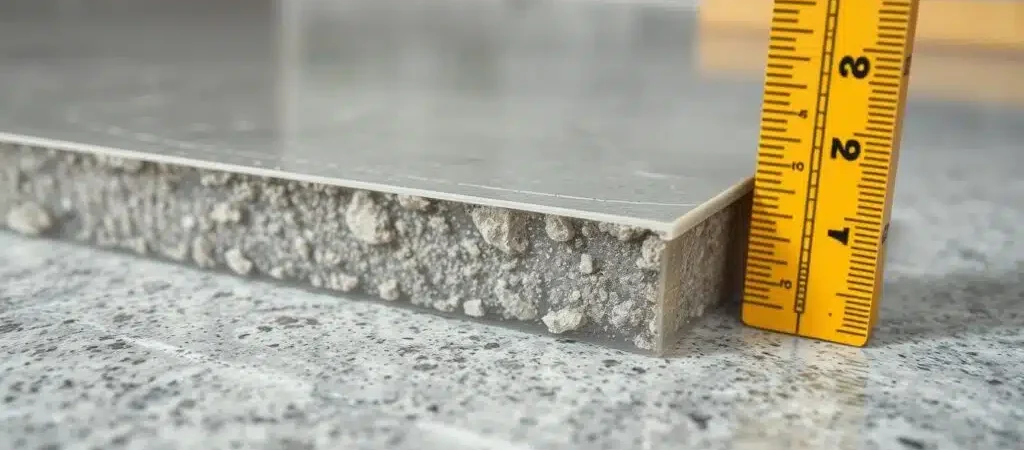
How Many Layers of Epoxy Do You Need for a Good Floor?
Learn how many epoxy floor layers are normally required, what each layer does, recommended thicknesses and how residential, commercial and industrial epoxy flooring systems differ.
If you are planning epoxy flooring, one of the most important questions is how many layers of epoxy are actually needed. The answer is not the same for every project.
A residential garage, commercial showroom and heavy-duty industrial factory floor have very different requirements. The number of layers should therefore be selected according to traffic, chemical exposure, substrate condition, required durability and the desired finish.
A properly designed multi-layer epoxy flooring system provides better adhesion, protection, thickness and finish than simply applying one thick coat over untreated concrete.
Standard Epoxy Floor Layer System
A professional epoxy floor is more than a single coat of resin. It is a complete flooring system in which each layer performs a specific function.
Surface Preparation
The concrete is cleaned, mechanically prepared, repaired and checked for moisture before the epoxy system is applied.
Primer Layer
The primer improves adhesion, penetrates suitable concrete pores and prepares the substrate for subsequent epoxy layers.
Base Coat
The main epoxy layer provides much of the system’s body, strength, color and resistance to everyday wear.
Intermediate Layer
An additional layer may be used for heavy-duty, self-leveling or decorative systems where greater build or performance is required.
Topcoat
The final protective layer can improve chemical resistance, scratch resistance, appearance and other required performance characteristics.
1. Surface Preparation: The Essential Pre-Layer Step
Surface preparation is not normally counted as an epoxy layer, but it is one of the most important stages of the installation process.
Epoxy should not simply be applied over dusty, weak, contaminated or unsuitable concrete. The substrate must be prepared to provide appropriate conditions for adhesion.
Typical Preparation Includes:
- Removing dust, dirt, grease and contaminants
- Mechanical grinding or other suitable surface preparation
- Removing weak or unsound concrete
- Repairing cracks and damaged areas
- Checking the substrate for moisture conditions
- Removing unsuitable existing coatings where required
- Thorough vacuum cleaning before coating application
2. Primer Layer
The primer is generally the first actual coating layer in a multi-layer epoxy flooring system. It is applied to properly prepared concrete before the main epoxy layers.
What Does Epoxy Primer Do?
- Improves bonding between concrete and the epoxy system
- Helps seal suitable concrete pores
- Creates a more uniform surface for subsequent layers
- Can help reduce air-related coating defects when correctly applied
- Provides a foundation for the base coat
Primer thickness varies according to the selected product and substrate. Some systems may use a relatively thin primer while others may be designed for deeper penetration or higher build.
3. Base Coat: The Main Epoxy Layer
The base coat is the main body of many epoxy flooring systems. It provides coating build, color and a significant part of the floor’s durability.
Main Functions of the Base Coat
- Provides the primary protective coating
- Adds film thickness to the flooring system
- Provides color and uniform appearance
- Contributes to abrasion resistance
- Can provide chemical resistance depending on the formulation
- Creates the foundation for the final topcoat
The required base-coat thickness depends on the intended use. Light-duty residential applications generally require less build than industrial areas exposed to heavy traffic, equipment or chemicals.
4. Intermediate Epoxy Layer
An intermediate layer is optional in some systems but becomes useful when additional thickness, durability, leveling or decorative performance is required.
Where Is an Intermediate Layer Used?
Heavy-Duty Floors
Additional build can be incorporated into systems designed for demanding industrial traffic and operational conditions.
Self-Leveling Epoxy
Self-leveling systems may use a thicker resin layer to create a smooth and continuous floor surface.
Flake Flooring
Intermediate layers can be used with decorative flake systems to embed the flakes and build the flooring system.
Metallic Epoxy
Decorative epoxy systems may require multiple layers to achieve the desired visual depth and protective finish.
5. Epoxy Topcoat or Sealer Layer
The topcoat is the final protective layer in many epoxy flooring systems. It directly affects the floor’s final appearance and can provide additional protection.
Functions of a Topcoat
- Protects the underlying epoxy layers
- Can improve scratch and abrasion resistance
- Can provide additional chemical resistance
- Controls the final gloss or appearance
- Can provide a suitable slip-resistant finish
- May provide additional UV resistance depending on the coating
The topcoat should be compatible with the underlying epoxy system. In some applications, a polyurethane or other compatible resin topcoat may be selected when specific performance characteristics are required.
How Many Epoxy Layers Does a Floor Need?
There is no single number that applies to every epoxy flooring project. However, the following approach provides a useful starting point for system selection.
| Application | Typical Layer Structure | Typical System Thickness |
|---|---|---|
| Residential / Light Duty | Primer + Base Coat + Topcoat | Approximately 1–2 mm |
| Commercial / Medium Duty | Primer + Base Coat + Optional Intermediate + Topcoat | Approximately 2–3 mm |
| Industrial / Heavy Duty | Primer + Heavy Base + Intermediate Layer(s) + Protective Topcoat | Approximately 3–5 mm or more |
Epoxy Layers for Residential Flooring
Residential areas such as garages and utility spaces generally experience less demanding conditions than industrial floors. A basic residential system may consist of three main coating layers.
Primer
Establishes adhesion between the prepared concrete and the epoxy flooring system.
Base Coat
Provides the main color, body and protection required for normal residential traffic.
Topcoat
Provides the final protective and decorative finish.
Decorative flakes or other features may require additional layers depending on the selected system.
Epoxy Layers for Commercial Flooring
Commercial floors generally experience greater foot traffic and more frequent cleaning than residential floors. A commercial epoxy system may therefore include an additional intermediate layer.
- Primer layer
- Main epoxy base coat
- Intermediate or build coat where required
- Protective topcoat
The exact system should be selected according to traffic level, cleaning requirements, chemical exposure and the desired appearance.
Epoxy Layers for Industrial Flooring
Industrial floors can require much greater coating build and protection. Forklifts, machinery, chemical exposure, impact and continuous traffic may place significantly higher demands on the flooring system.
Primer
Creates the foundation for the industrial flooring system and helps establish suitable adhesion to prepared concrete.
Heavy Base Coat
Provides substantial coating build and contributes to durability under demanding operating conditions.
Intermediate Layers
Additional layers can be used where greater thickness, leveling or specialized performance is required.
Protective Topcoat
Provides the final surface protection according to the industrial environment and chemical exposure.
Ideal Epoxy Flooring Thickness
The total thickness of an epoxy floor is one of the key factors affecting system performance. However, thickness should be selected according to the actual application rather than simply making the floor as thick as possible.
| Duty Level | Typical Thickness Range | Examples |
|---|---|---|
| Light Duty | 1–2 mm | Residential areas and light-use spaces |
| Medium Duty | 2–3 mm | Commercial areas, offices and retail |
| Heavy Duty | 3–5 mm+ | Factories, warehouses and demanding industrial areas |
Actual thickness depends on the selected product, aggregate, application method, substrate condition and performance specification.
Why Do Multiple Epoxy Layers Matter?
Each layer has a specific purpose. A properly designed multi-layer system can provide a more balanced combination of adhesion, protection, appearance and durability.
Better Adhesion
The primer provides a dedicated bonding layer between prepared concrete and the subsequent epoxy coats.
Greater Durability
Additional build can help the flooring system withstand its intended level of traffic and wear.
Improved Protection
Multiple layers can be designed to provide the required resistance against abrasion, chemicals and operational wear.
Better Appearance
Separate base and finishing layers can create a more consistent, smooth and professional final surface.
System Flexibility
Intermediate layers allow the flooring specification to be adapted to different performance requirements.
Reduced Failure Risk
Correct layer selection and application can reduce problems associated with insufficient coating build or unsuitable system design.
Common Mistakes When Applying Epoxy Layers
Skipping Surface Preparation
Applying epoxy over dust, grease, weak concrete or contamination can compromise adhesion.
Skipping the Primer
If the specified system requires a primer, omitting it can affect bonding and overall floor performance.
Applying Uneven Thickness
Inconsistent application can create appearance and performance problems across the floor.
Incorrect Mixing
Epoxy resin and hardener must be mixed according to the manufacturer’s specified ratio and procedure.
Ignoring Recoat Windows
Each coating system has specific recoat and curing requirements. Applying the next layer outside those conditions can affect adhesion.
Opening the Floor Too Early
Foot traffic, equipment or vehicles should not be allowed onto the floor before the coating has reached the required cure condition.
Professional vs DIY Epoxy Floor Installation
DIY epoxy kits can be suitable for some small projects, but professional installation is generally recommended for commercial and industrial floors where performance and long-term durability are important.
Professional Installation Helps With:
- Correct substrate assessment
- Proper mechanical surface preparation
- Moisture condition assessment
- Accurate resin-to-hardener mixing
- Consistent layer thickness
- Correct recoat timing
- Selection of suitable primers and topcoats
- Proper curing and handover procedures
Epoxy Floor Layers in Pakistan
Epoxy flooring systems used in Pakistan should be selected according to the local project conditions, including concrete quality, moisture, temperature, traffic and the intended use of the facility.
Industrial and commercial environments may require thicker systems with specialized chemical, abrasion or slip-resistant properties, while residential applications may use simpler multi-layer systems.
A professional site assessment is recommended before deciding the final number of layers and total coating thickness.
Need the Right Epoxy Floor Layer System?
Get professional guidance on selecting the correct epoxy primer, base coat, intermediate layers and protective topcoat for your residential, commercial or industrial floor.
Request a Free ConsultationFrequently Asked Questions About Epoxy Floor Layers
How many layers of epoxy flooring are needed?
Most properly designed epoxy flooring systems use around 3 to 5 layers, depending on the application. A basic system may include a primer, base coat and topcoat, while commercial and industrial systems may require additional intermediate layers.
What are the main layers of an epoxy floor?
The main layers can include surface preparation, primer, base coat, intermediate or build coats and a final protective topcoat. Not every project requires every layer.
Is three layers of epoxy enough?
A three-layer system consisting of primer, base coat and topcoat can be suitable for many light- to medium-duty applications when properly specified and installed.
Can epoxy flooring be applied in one coat?
Some products are designed for particular single-coat applications, but a complete professional flooring system often uses multiple layers. The manufacturer’s system specification should always be followed.
How thick should epoxy flooring be?
Typical systems can range from approximately 1 mm for light-duty applications to 5 mm or more for heavy-duty industrial systems. Actual thickness depends on the selected flooring system.
Is a primer necessary for epoxy flooring?
Many epoxy systems use a dedicated primer to establish adhesion and prepare the concrete for subsequent coats. However, the exact requirement depends on the product and system specification.
Are more epoxy layers always better?
No. The number of layers should match the required performance and total system thickness. Adding unnecessary layers can increase cost without providing a meaningful performance benefit.
How many layers are needed for industrial epoxy flooring?
Industrial floors may use approximately 4 to 5 layers or more, depending on traffic, impact, chemical exposure and the required thickness of the flooring system.
Related Epoxy Flooring Services
Conclusion
A good epoxy floor is normally a complete multi-layer system rather than a single coat. For many applications, three main layers—primer, base coat and topcoat—provide the foundation of the system.
Commercial and industrial floors may require additional intermediate layers and greater total thickness to handle heavier traffic, chemical exposure, abrasion and demanding operating conditions.
The correct number of epoxy floor layers should always be determined by the intended use, substrate condition, required performance and manufacturer’s system specification. Proper preparation and professional installation are essential for achieving a durable, seamless and long-lasting epoxy floor.