
Factory Flooring in Pakistan
Factory flooring plays a critical role in ensuring smooth operations, safety, and efficiency in industrial environments. Whether it’s a textile factory in Faisalabad, an automotive plant in Karachi, or a pharmaceutical unit in Lahore, the right flooring system enhances productivity, reduces downtime, and extends the life of equipment and infrastructure.
Why Factory Flooring Matters?
Factories are high-stress environments. Floors must withstand constant forklift movement, machine vibrations, chemical spills, and heavy foot traffic. Choosing the wrong flooring can lead to:
→ Cracks and spalling, creating safety hazards.
→ Increased maintenance and repair costs.
→ Dust accumulation, impacting production quality.
→ Chemical and moisture damage over time.
→ Poor aesthetics and reduced worker morale.
A properly selected and installed floor, on the other hand, ensures:
✔ High durability and load-bearing capacity.
✔ Better hygiene and safety.
✔ Easy maintenance and cleaning.
✔ Longer service life and lower lifecycle costs.
✔ Compliance with health, safety, and environmental standards.
Factory Flooring Services Pakistan
Factory flooring services in Pakistan provide heavy-duty industrial flooring solutions designed for manufacturing plants, industrial units, processing facilities, and production areas. These flooring systems are engineered to withstand heavy machinery, forklift movement, chemical exposure, and continuous industrial operations.
Modern factory flooring solutions include epoxy flooring, polyurethane flooring, concrete hardeners, anti-static flooring, and chemical-resistant coatings that improve workplace safety, durability, and operational efficiency.
Common Types of Factory Flooring in Pakistan
1. Concrete Flooring
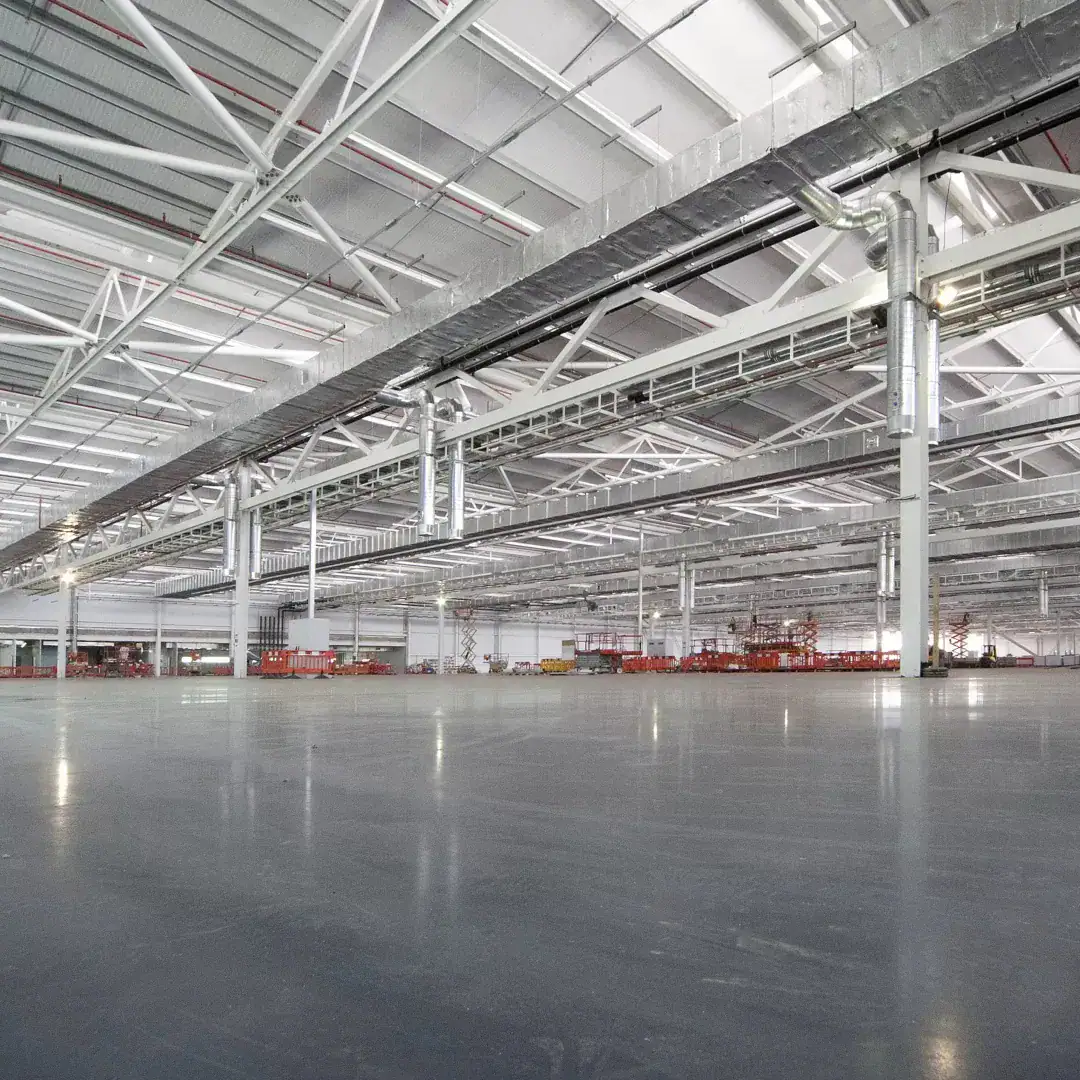
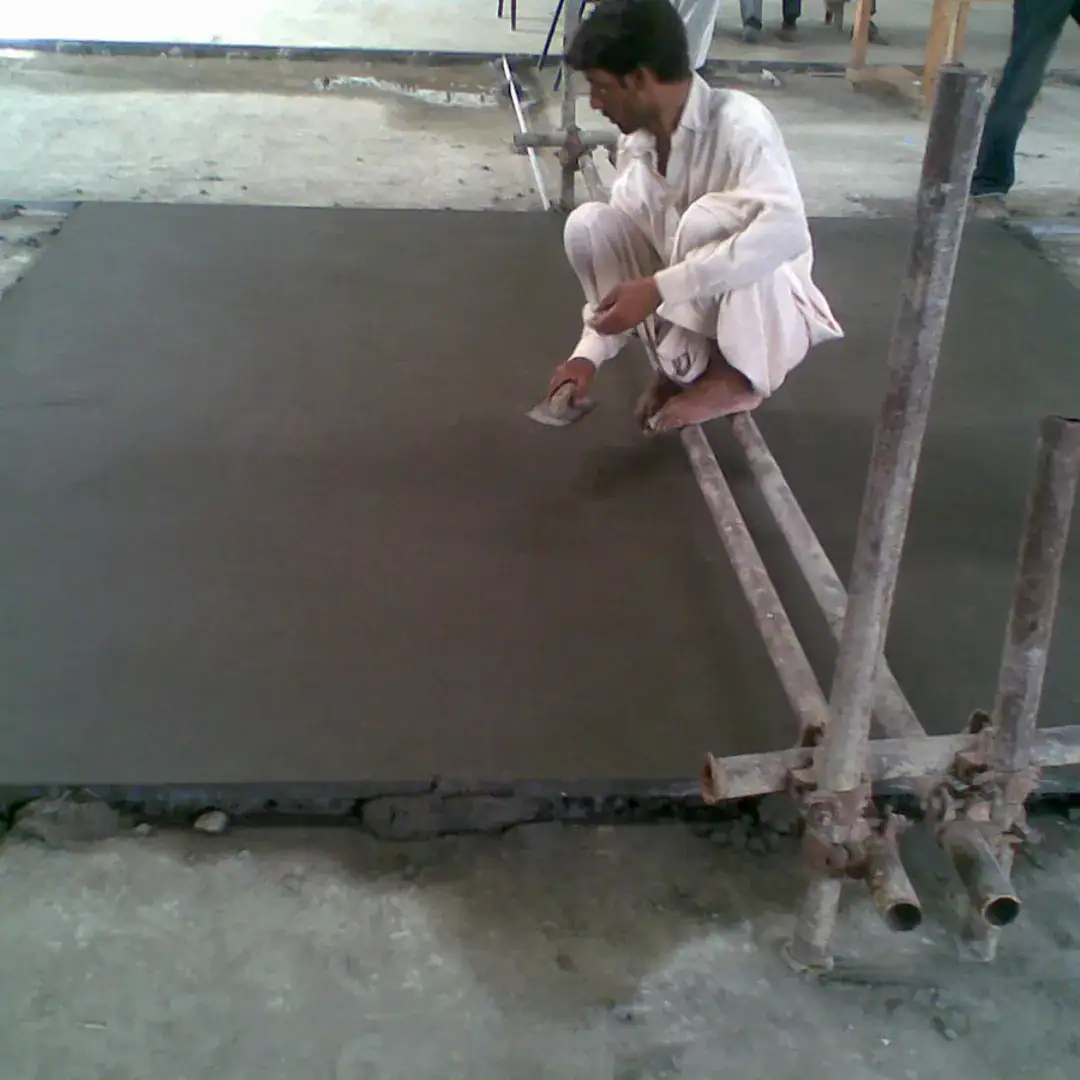
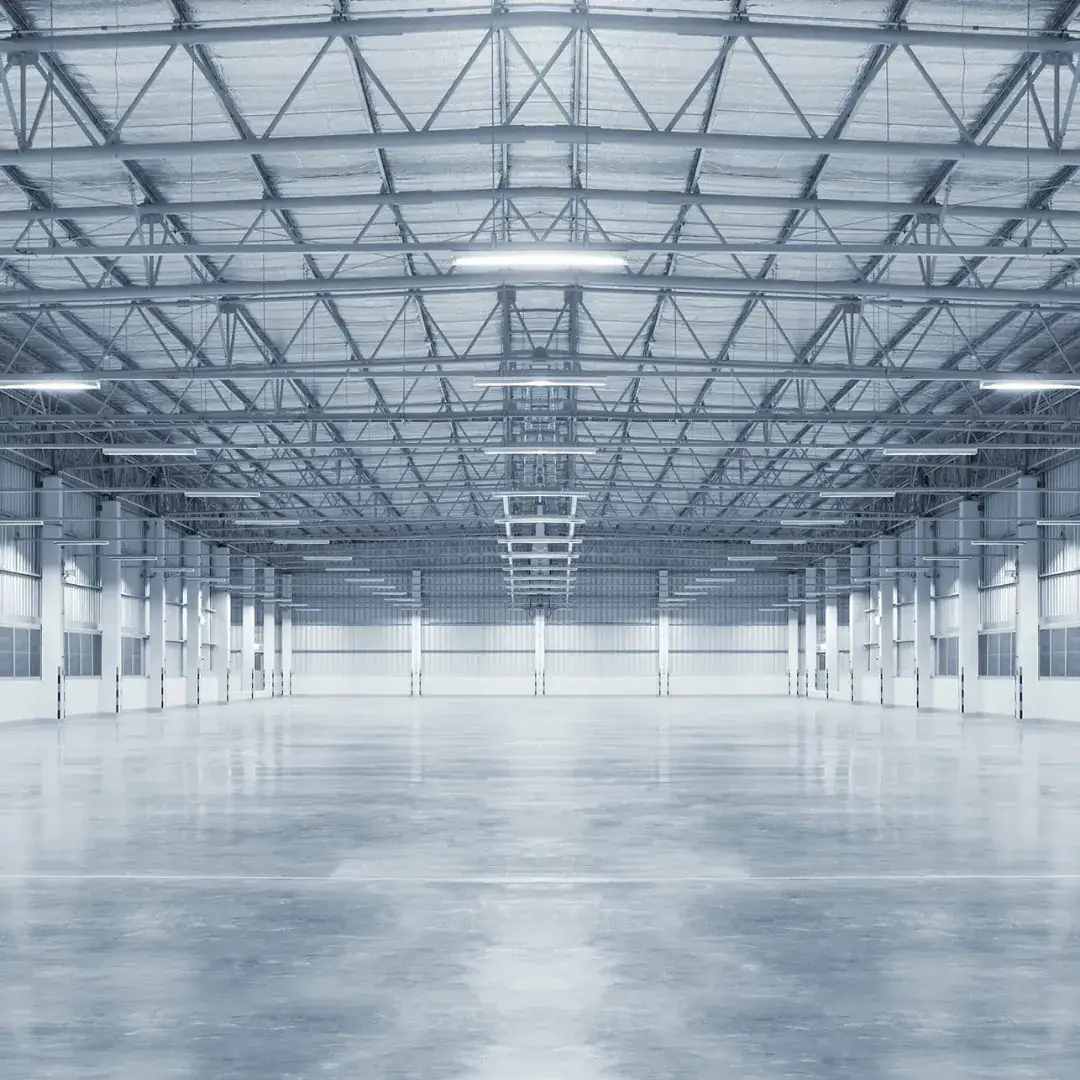
Concrete is the most widely used flooring material in Pakistani factories due to its affordability, strength, and availability.
- Advantages: High compressive strength, economical, suitable for heavy loads.
- Limitations: Susceptible to cracking and dusting if not treated properly.
- Applications: General manufacturing, warehouses, textile mills, steel works.
Tip: Using surface hardeners and sealers improves concrete’s durability and reduces dust.
2. Epoxy Flooring
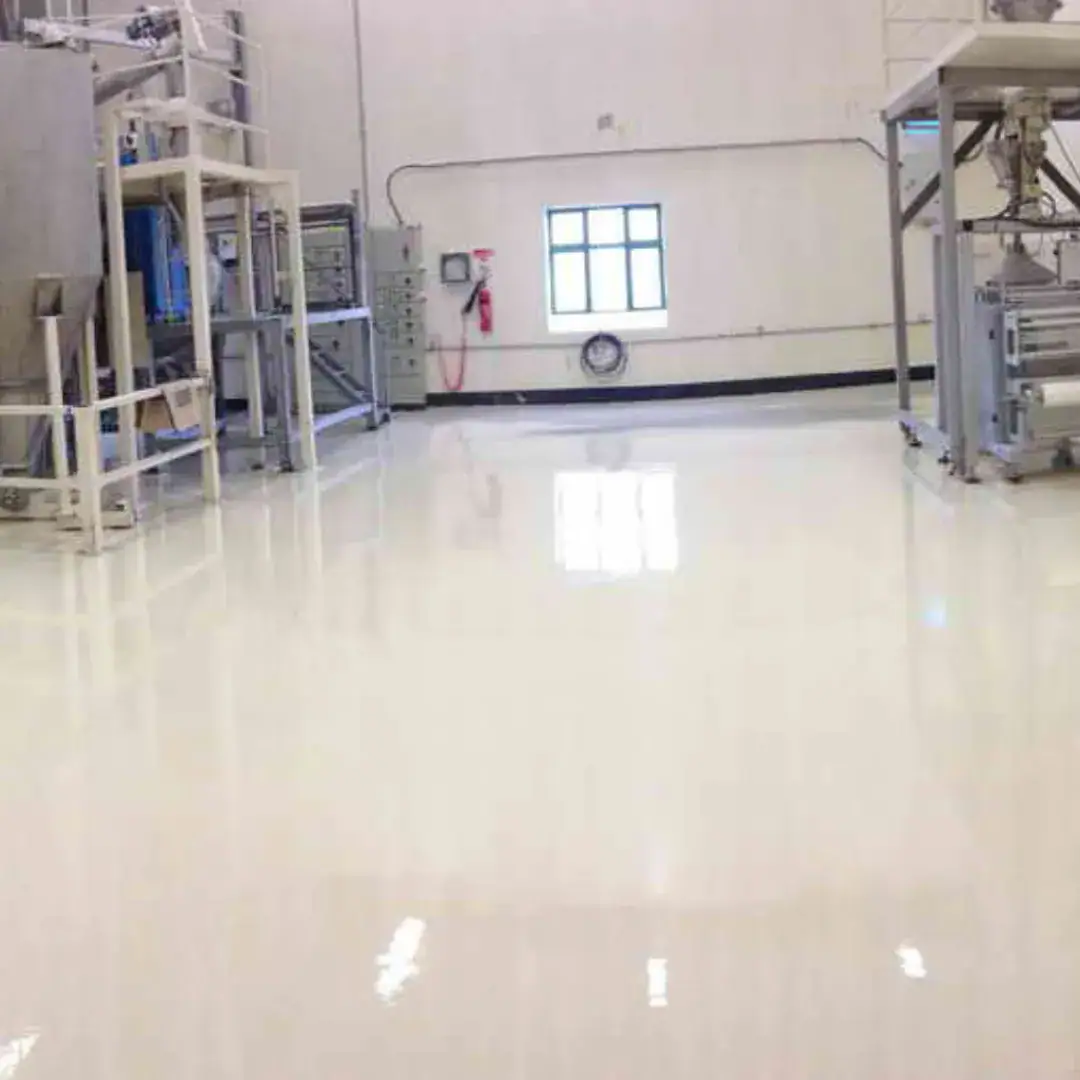
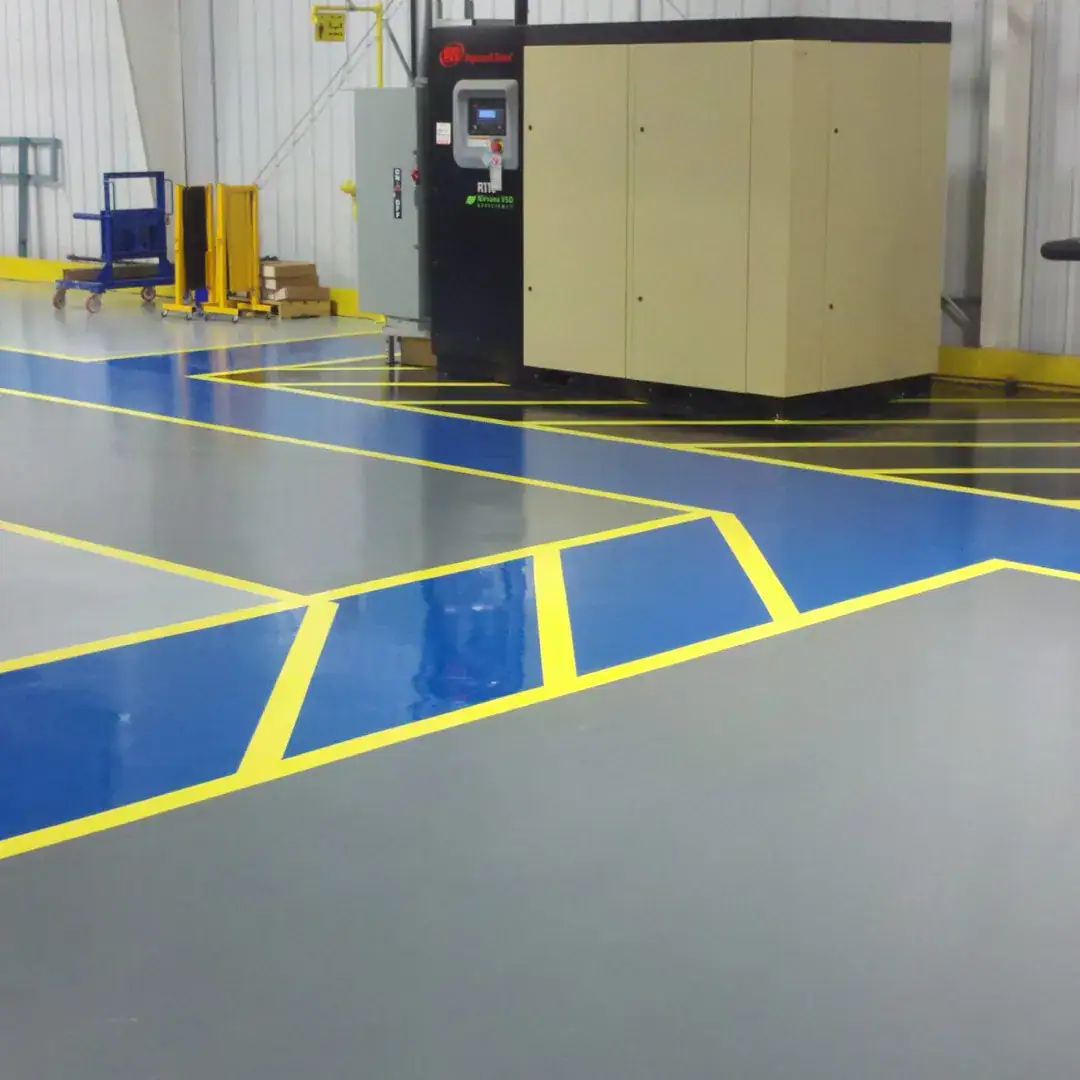

Epoxy flooring is increasingly popular in modern factories for its seamless finish, chemical resistance, and hygiene.
- Advantages: Seamless, non-porous surface, easy to clean, chemical resistant, visually appealing.
- Limitations: Requires expert installation and proper sub-base preparation.
- Applications: Pharmaceutical, electronics, automotive, packaging, cleanrooms.
Pro Tip: Anti-slip additives can be added to epoxy systems for enhanced safety.
3. PU (Polyurethane) Flooring
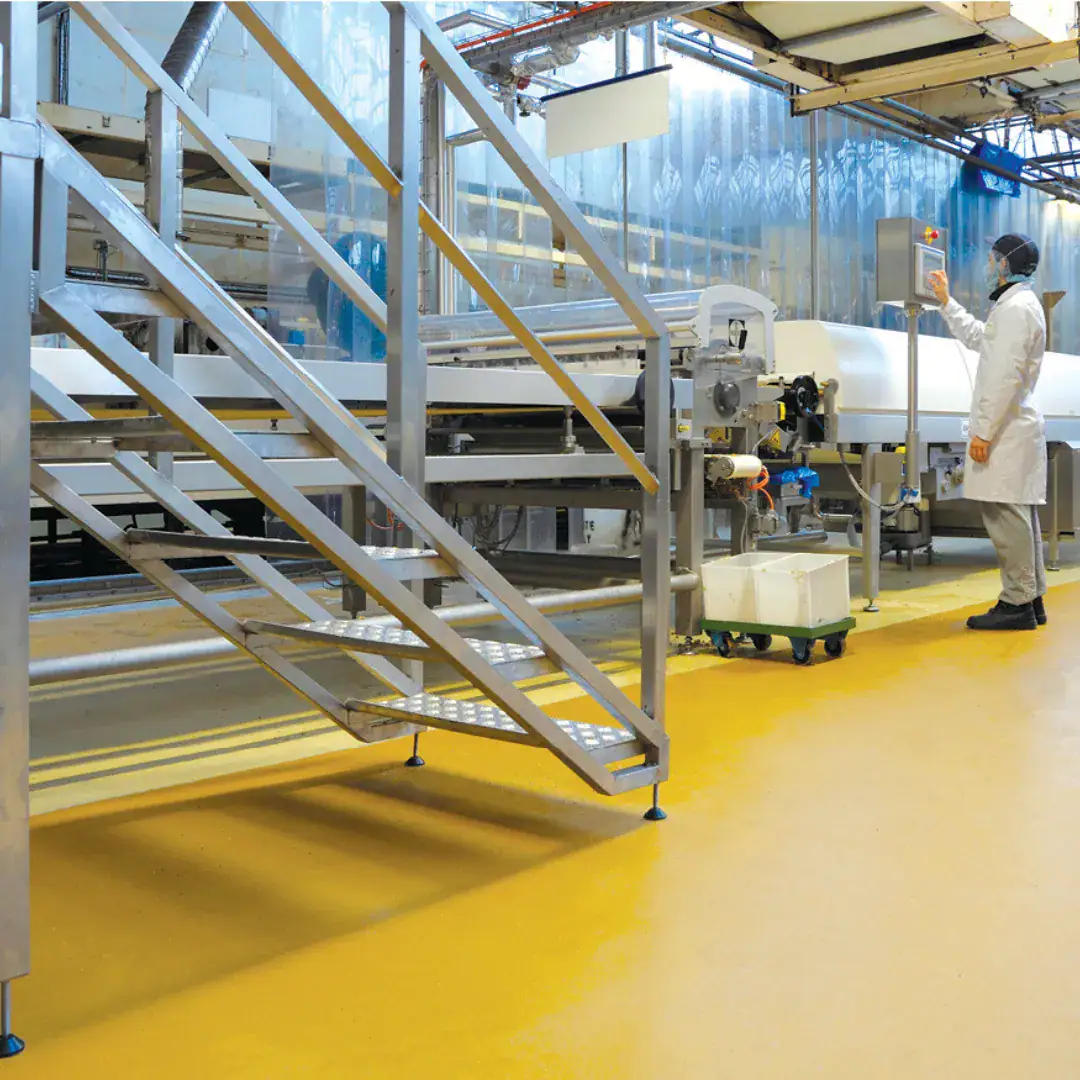
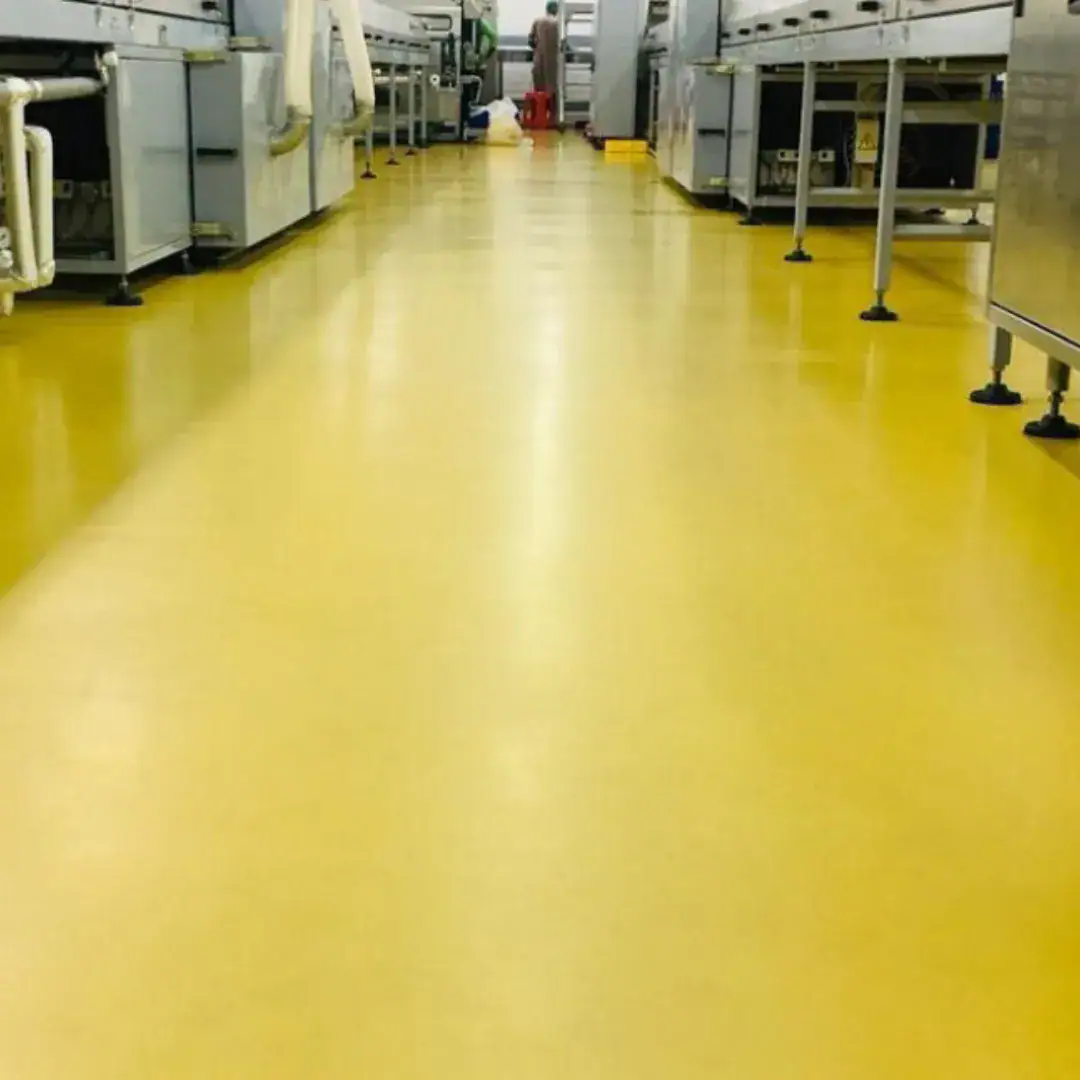
PU flooring is ideal for environments where flexibility, thermal shock resistance, and hygiene are crucial.
- Advantages: Excellent impact and abrasion resistance, handles temperature fluctuations, hygienic.
- Limitations: More expensive than epoxy.
- Applications: Food processing, beverage factories, cold rooms, pharmaceutical units.
4. Vinyl and PVC Flooring
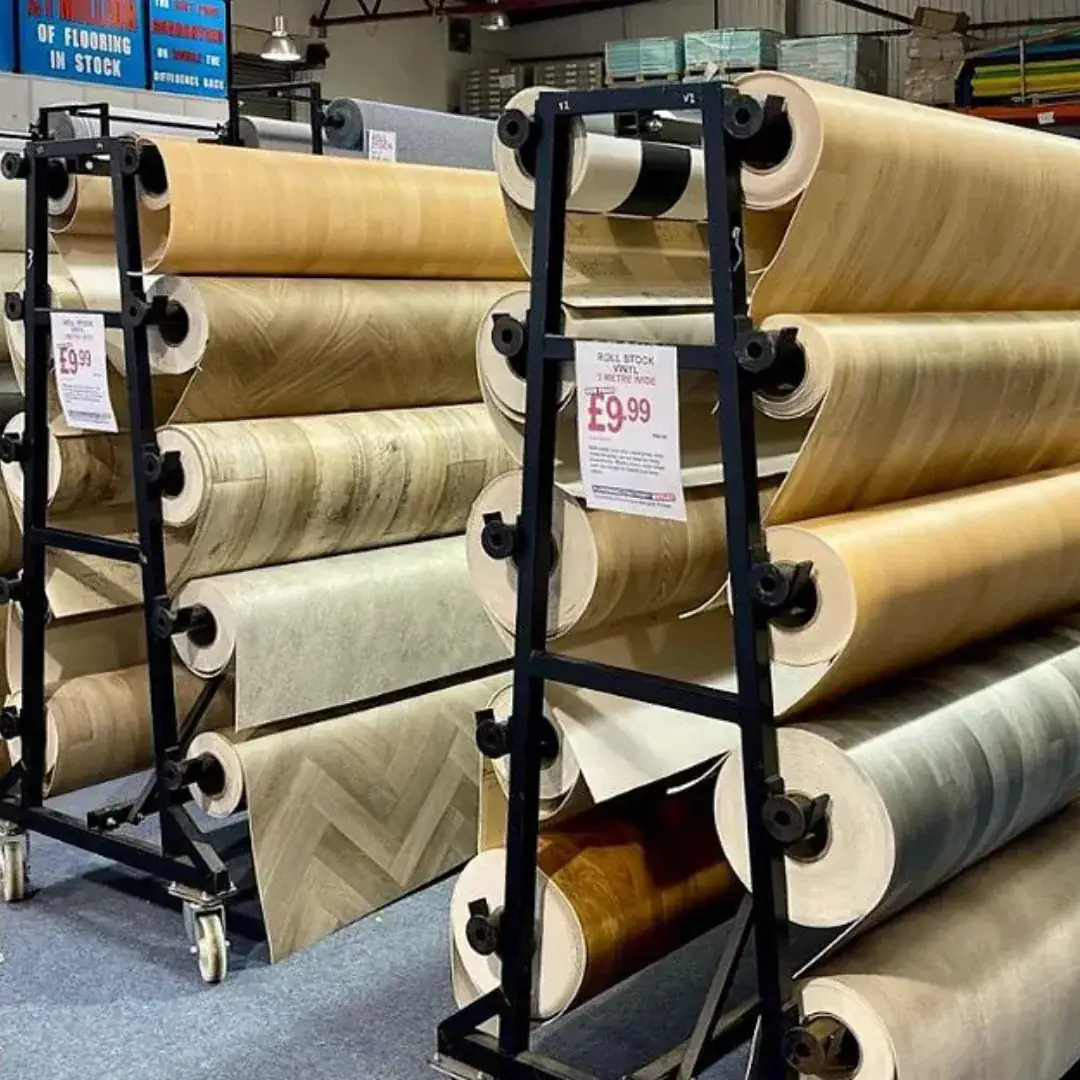
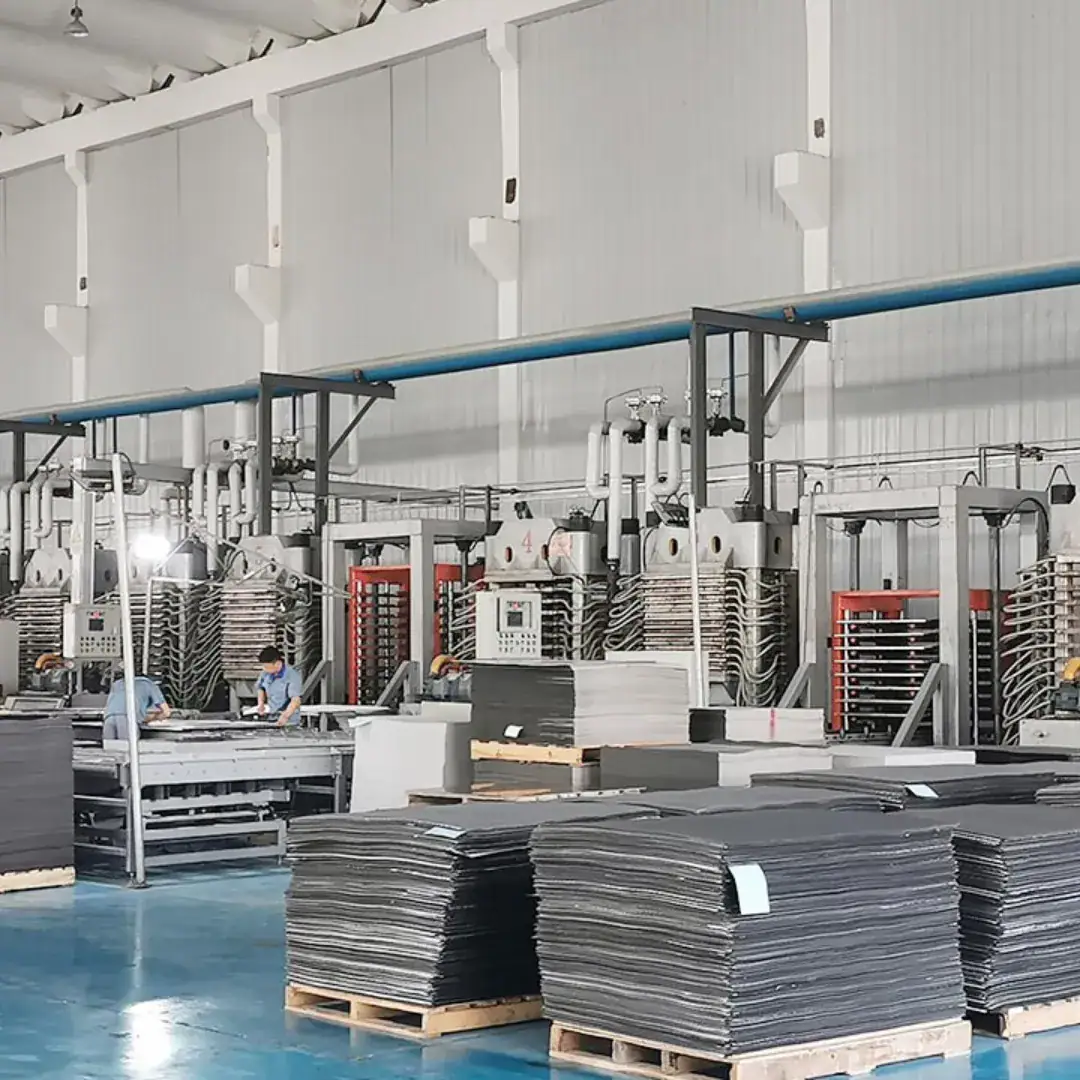
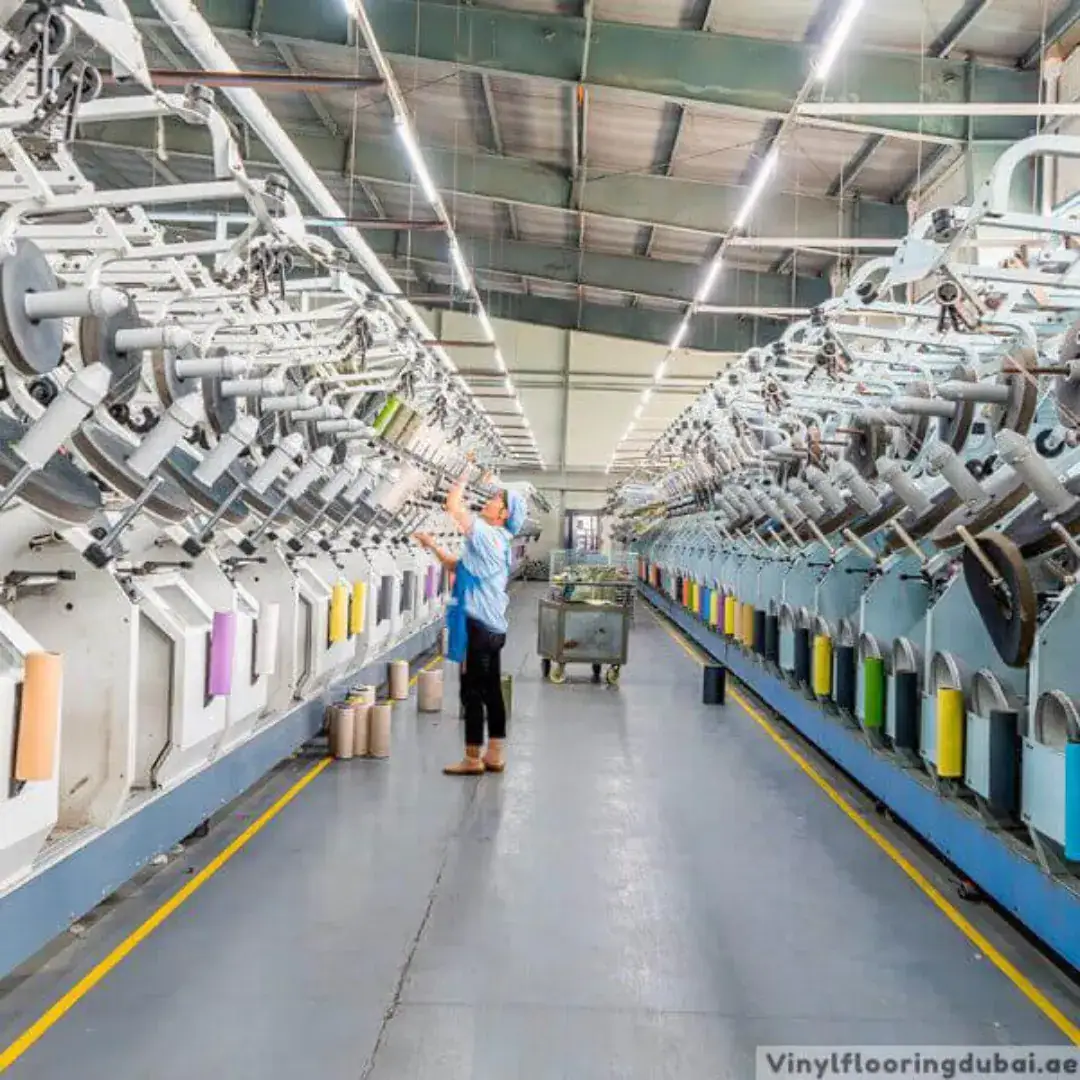
Vinyl or PVC sheets are commonly used in light-duty factory zones or clean areas.
- Advantages: Quick installation, hygienic, water resistant.
- Limitations: Not suitable for heavy machinery areas.
- Applications: Assembly lines, packing zones, office areas inside factories.
5. Rubber Flooring
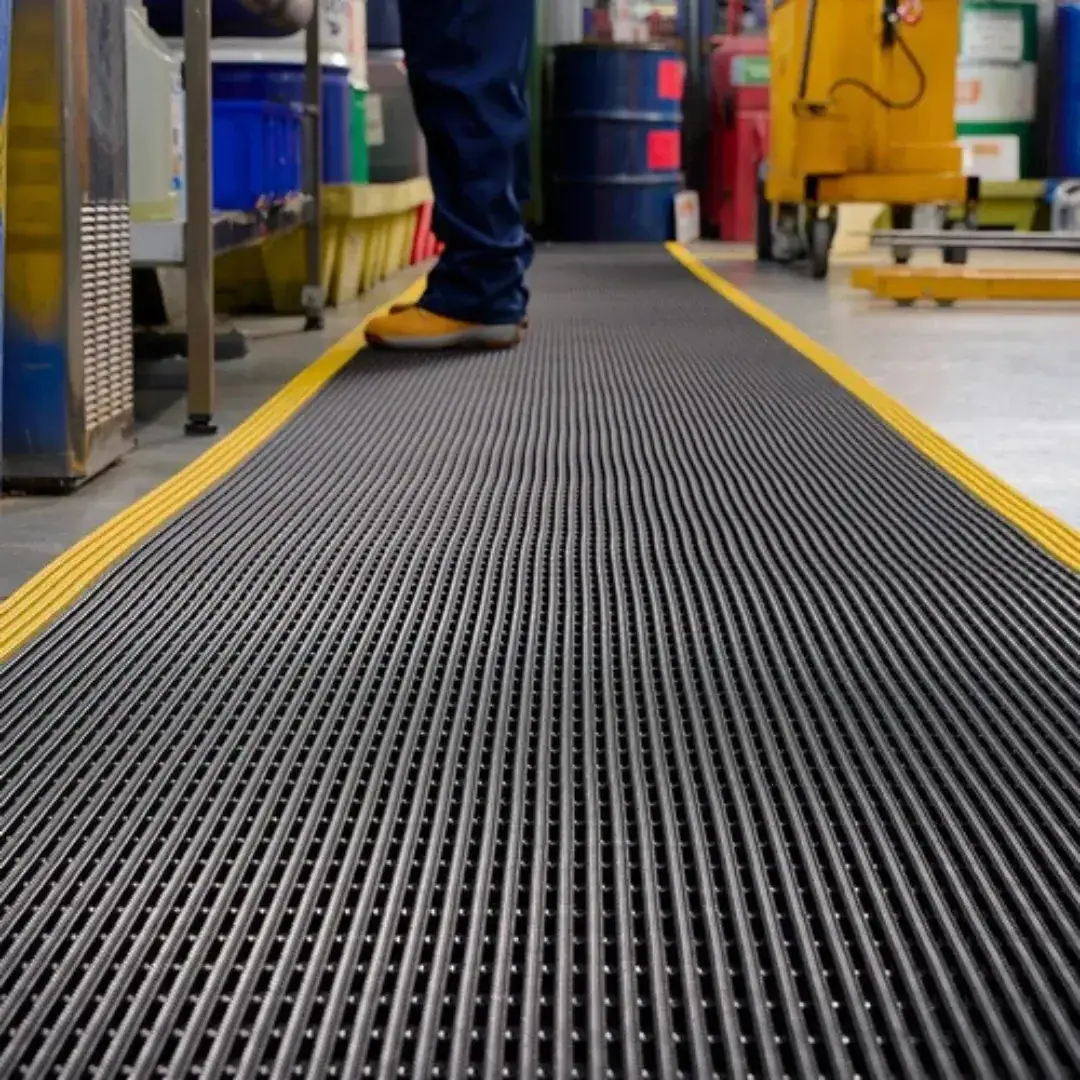
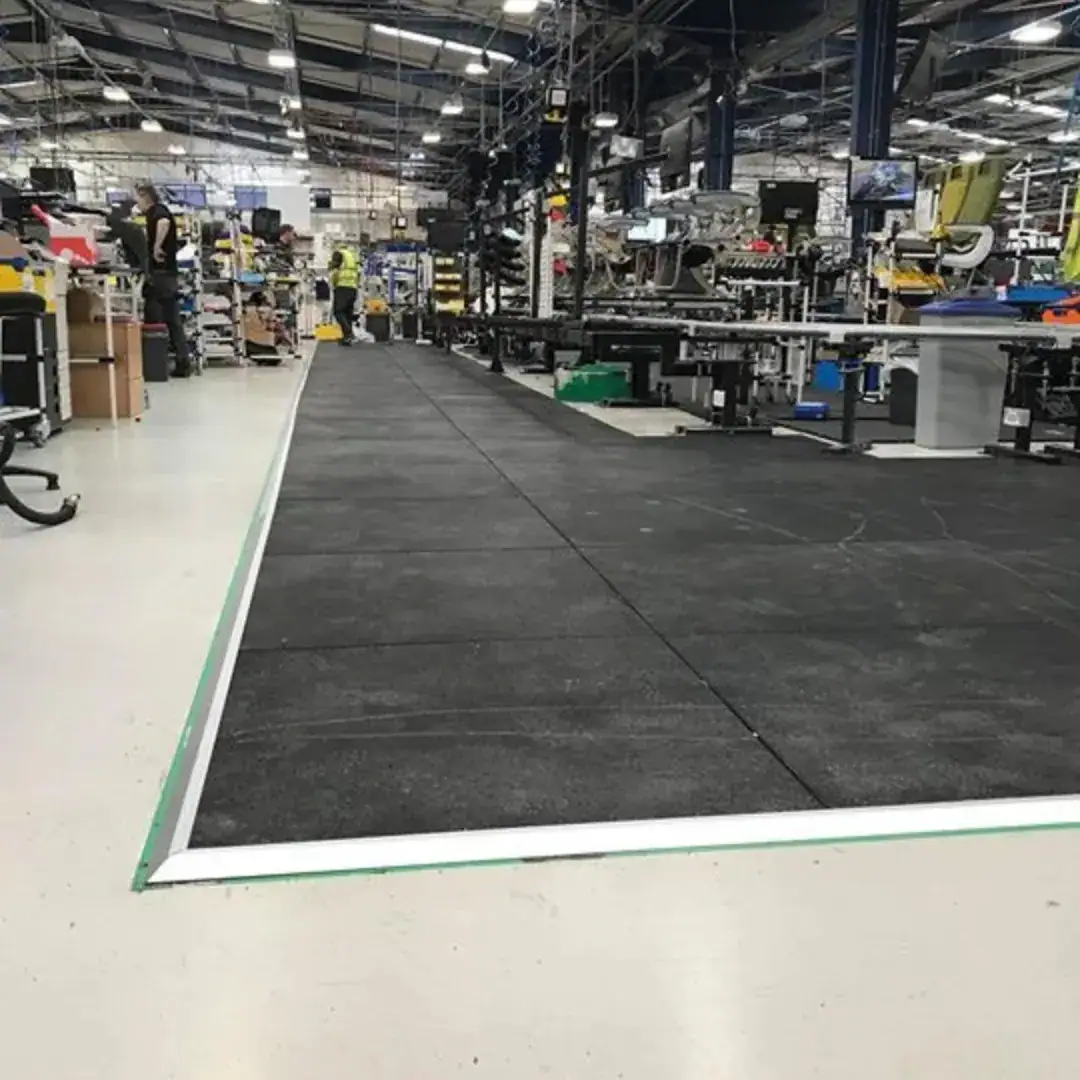
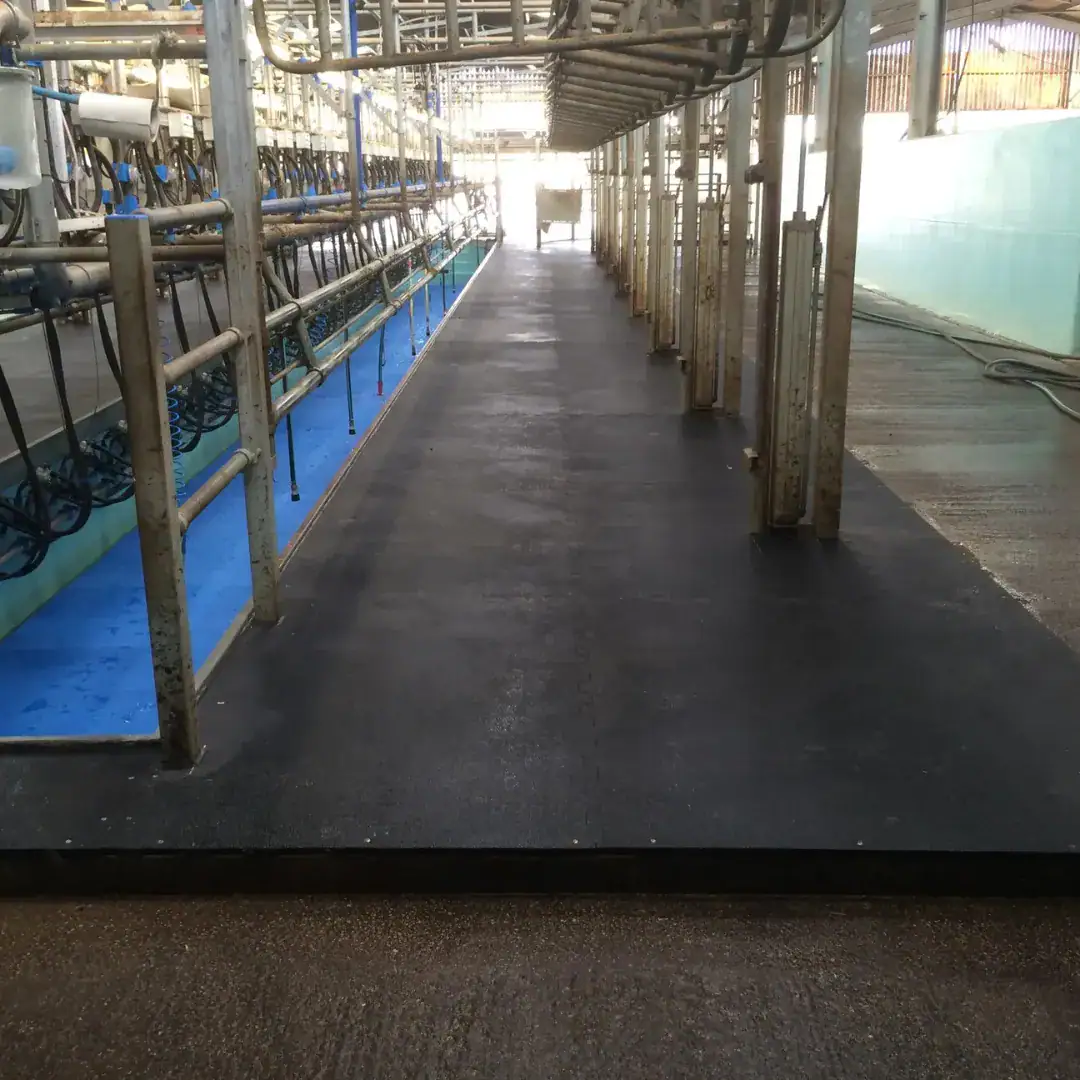
Rubber flooring is best for areas where shock absorption, comfort, or sound reduction is a priority.
- Advantages: Non-slip, cushioned, noise-reducing, anti-fatigue.
- Limitations: Less load-bearing capacity.
- Applications: Worker standing zones, assembly areas.
6. Interlocking Tiles
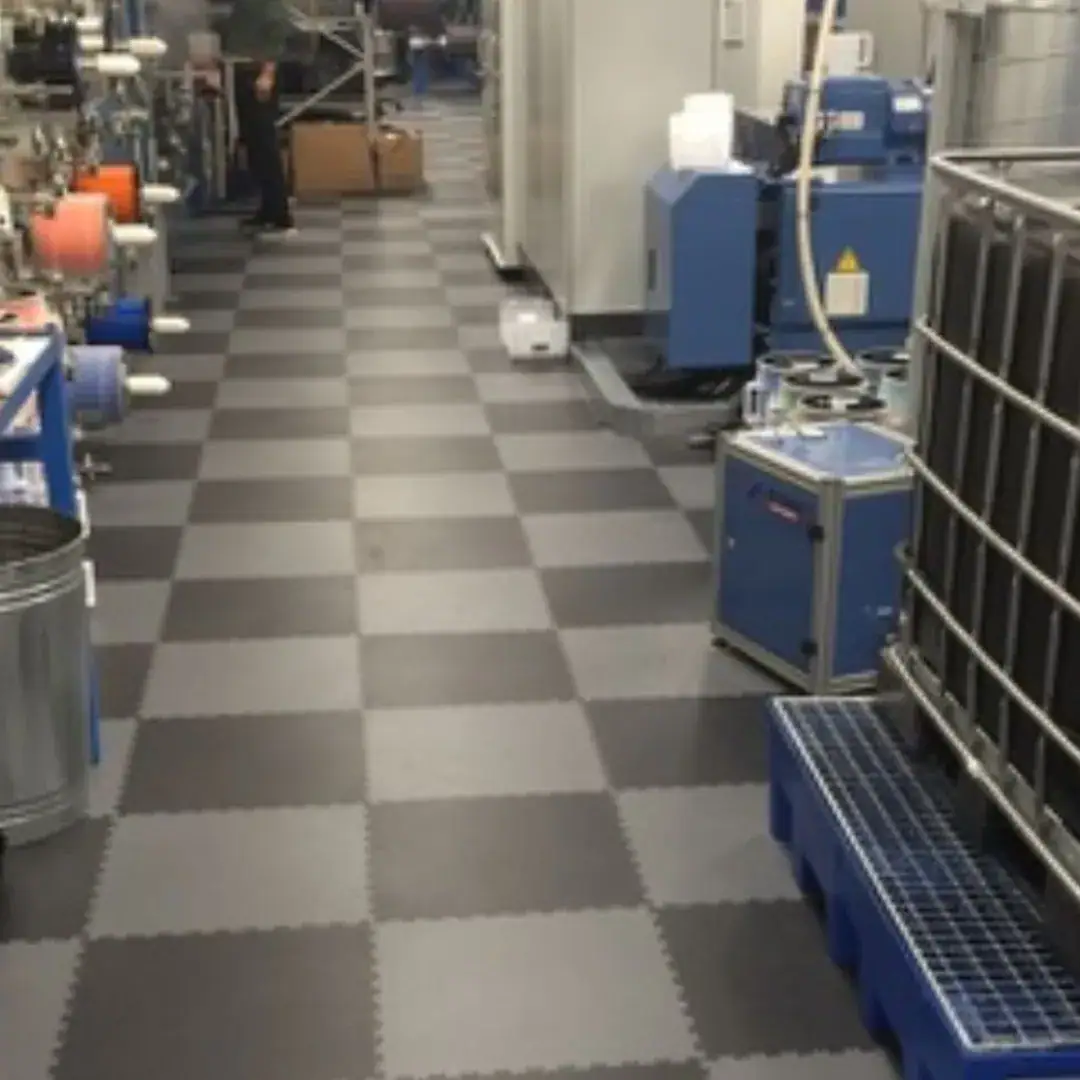
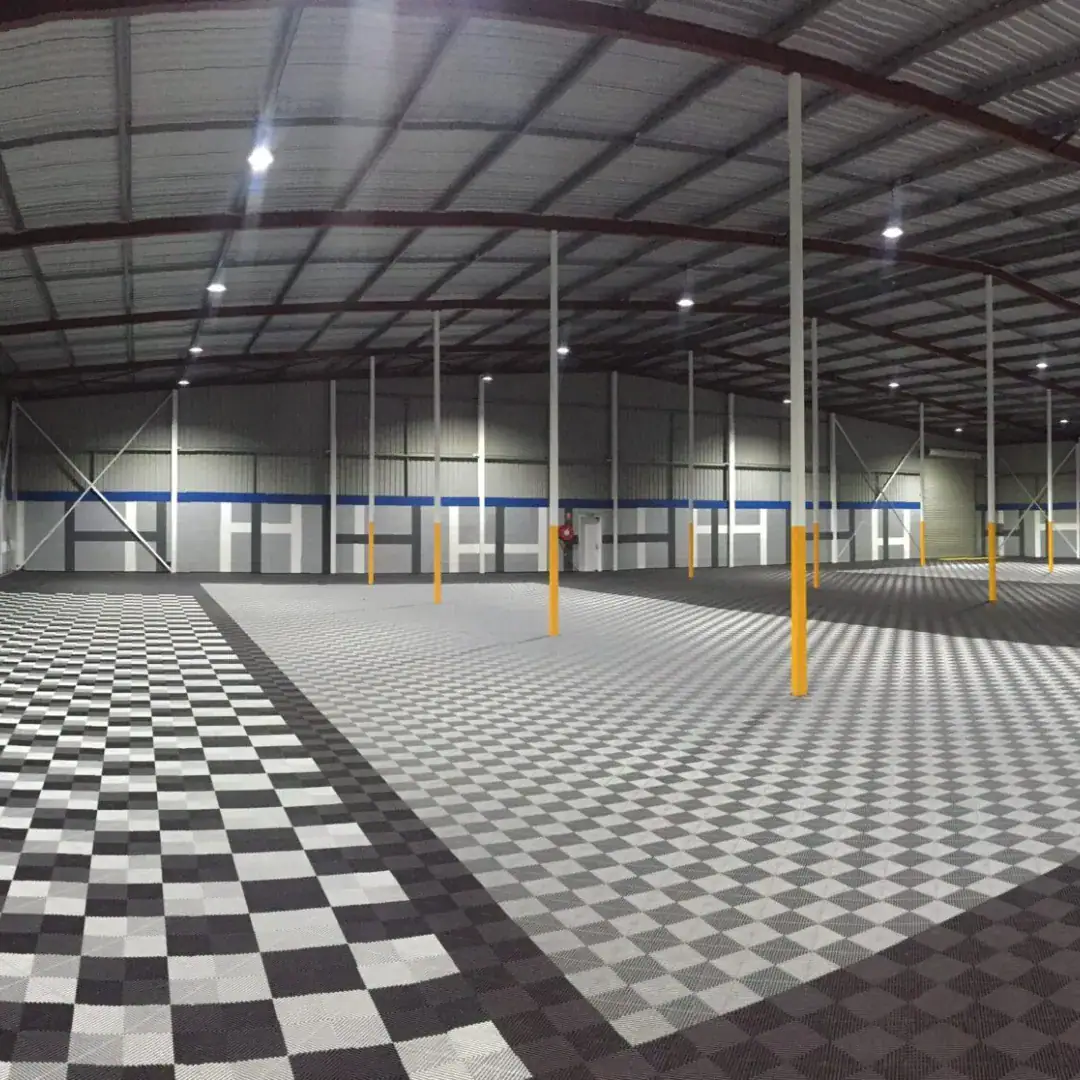
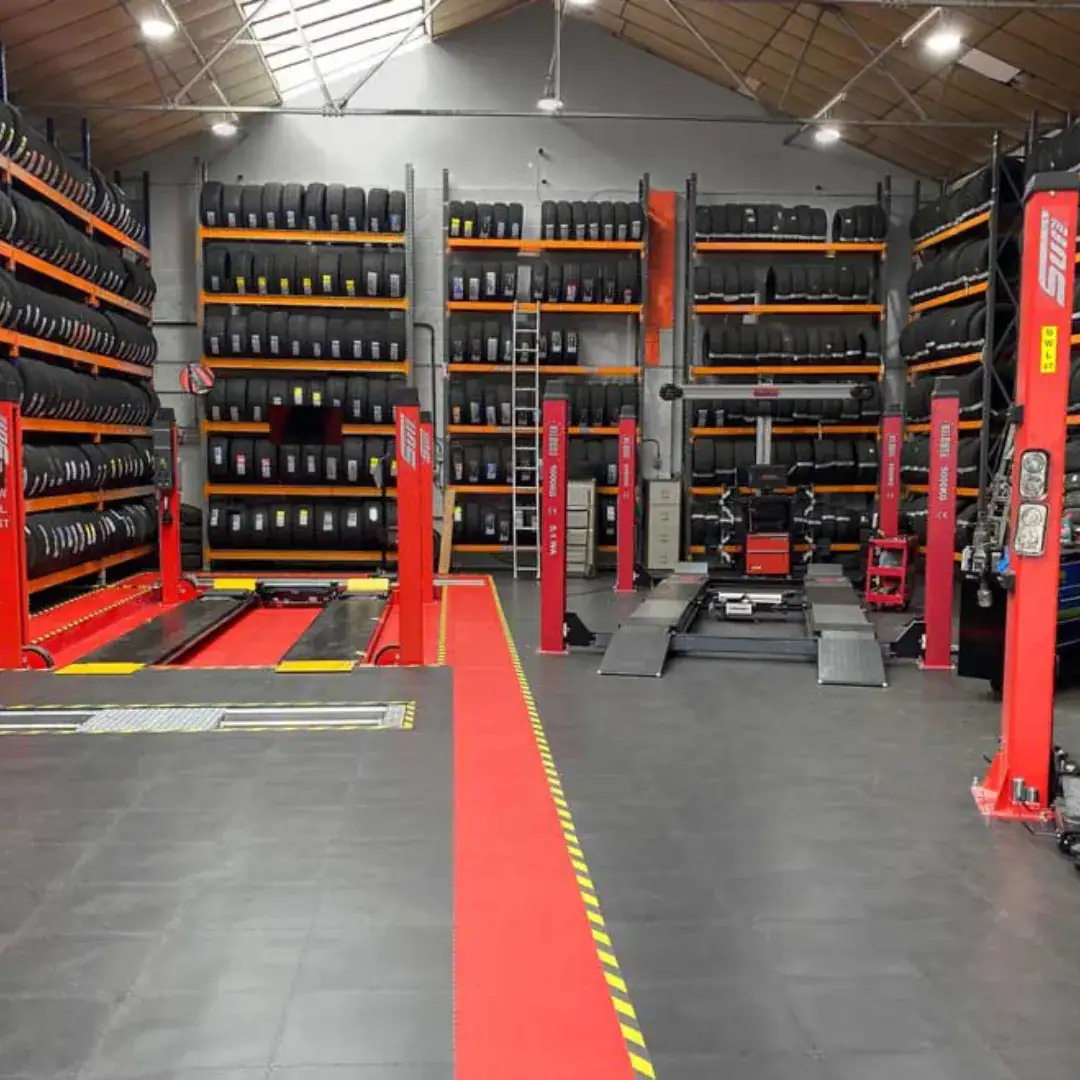
Interlocking tiles (PVC or rubber) offer flexibility, quick installation, and easy maintenance.
- Advantages: Replaceable tiles, minimal downtime, no adhesives needed.
- Limitations: Not ideal for very heavy loads without proper sub-base.
- Applications: Temporary production areas, storage rooms, small factories.
Industrial Applications of Factory Flooring
Factory flooring systems are suitable for:
- Manufacturing factories
- Textile industries
- Pharmaceutical plants
- Food processing factories
- Engineering workshops
- Automotive production units
- Electronics manufacturing facilities
- Packaging and assembly areas
These flooring systems help industries maintain safe, hygienic, and efficient working environments.
Warehouse Flooring Pakistan

Warehouse flooring in Pakistan is designed to handle heavy industrial operations, forklift traffic, pallet movement, and continuous loading activities. Industrial warehouse floors require high durability, chemical resistance, and long-term performance to support daily operational demands.
Modern warehouse flooring systems such as epoxy flooring, polyurethane flooring, and heavy-duty concrete coatings provide seamless, dust-free, and easy-to-maintain surfaces for warehouses and industrial storage facilities.
Benefits of Warehouse Flooring
- High load-bearing strength
- Resistant to abrasion and impact
- Forklift and pallet traffic resistant
- Dust-proof and seamless finish
- Easy cleaning and maintenance
- Long-lasting industrial performance
Warehouse flooring is commonly installed in logistics warehouses, manufacturing facilities, distribution centers, and industrial storage units across Pakistan.
Logistics Center Flooring

Logistics center flooring is specially engineered for areas with constant movement of goods, heavy equipment, and transportation vehicles. These floors are designed to minimize wear and maximize operational efficiency.
Features of Logistics Flooring
- Smooth movement for forklifts and trolleys
- High resistance to heavy traffic
- Durable anti-slip surfaces
- Fast installation with minimal downtime
- Chemical and oil resistance
Logistics flooring solutions help maintain safety and improve workflow in transportation and supply chain facilities.
Production Area Flooring
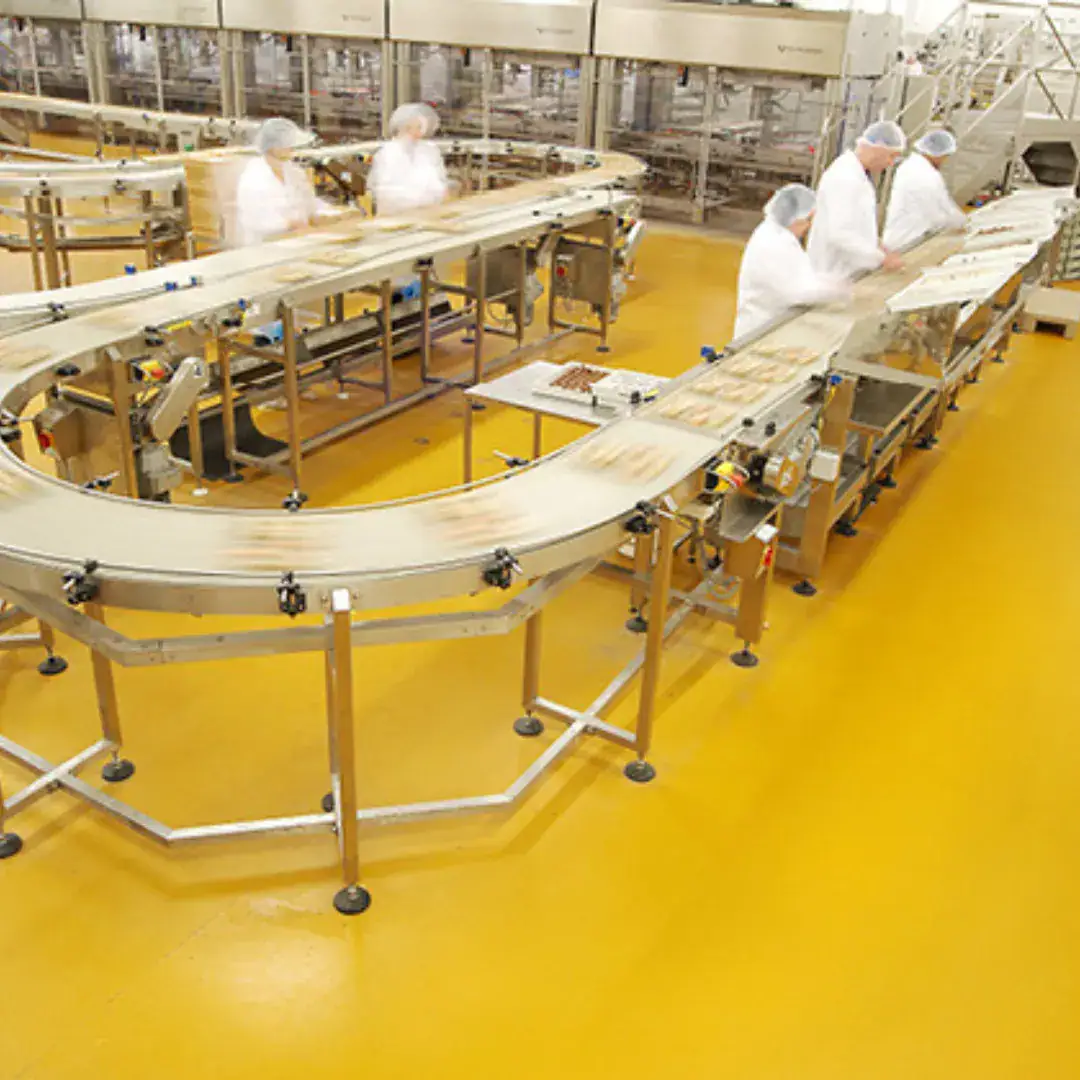
Production area flooring is an essential part of industrial manufacturing environments where machinery, workers, and continuous production processes require durable and hygienic flooring systems.
Advantages
- Resistant to chemicals and industrial spills
- Easy-to-clean seamless surfaces
- Strong resistance against machinery vibration
- Dust-free and low-maintenance finish
- Improves workplace safety
Production area flooring is widely used in factories, textile industries, pharmaceutical plants, and industrial manufacturing units.
Assembly Line Flooring
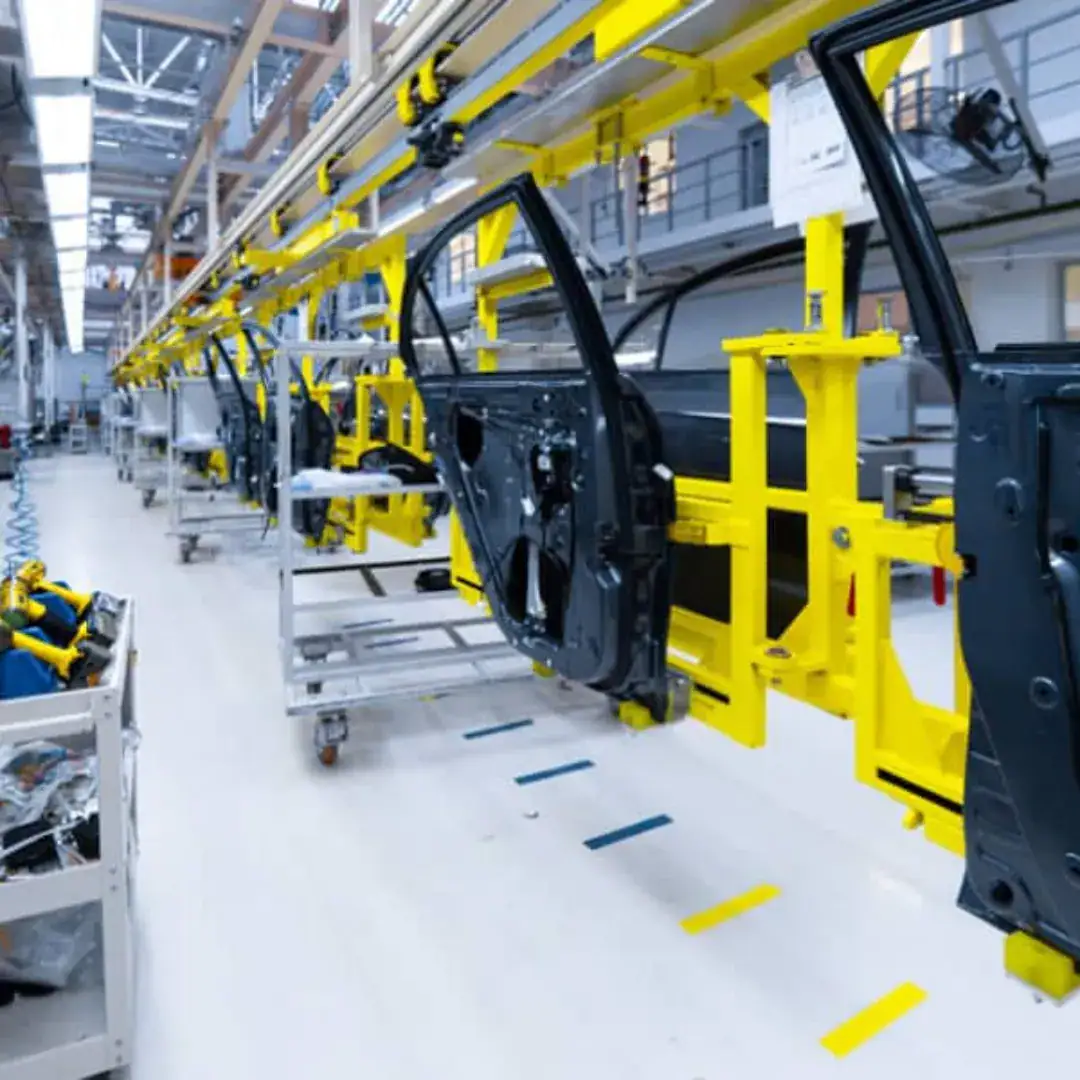
Assembly line flooring is designed to support continuous industrial production and worker movement. It provides a durable, smooth, and safe surface for manufacturing operations.
Key Features
- High wear resistance
- Anti-slip safety properties
- Comfortable surface for workers
- Resistant to mechanical stress
- Long-lasting industrial durability
This flooring is ideal for automotive industries, electronics manufacturing, and industrial assembly plants.
Packaging Area Flooring

Packaging area flooring requires hygienic, durable, and impact-resistant surfaces to handle packaging equipment and material movement efficiently.
Benefits
- Scratch and abrasion resistance
- Seamless and hygienic finish
- Resistant to stains and chemicals
- Easy maintenance and cleaning
- Suitable for high-traffic industrial zones
Packaging area flooring is commonly installed in food factories, FMCG industries, and warehouse packaging units.
Power Plant Flooring

Power plant flooring systems are designed to withstand extreme industrial conditions including heat, chemicals, oil exposure, and heavy machinery loads.
Features
- Heat and chemical resistance
- Heavy-duty industrial strength
- Anti-static and anti-slip options
- Long service life
- Resistant to oil and fuel spills
These flooring systems are suitable for thermal plants, energy facilities, turbine rooms, and industrial utility areas.
Cold Storage Flooring
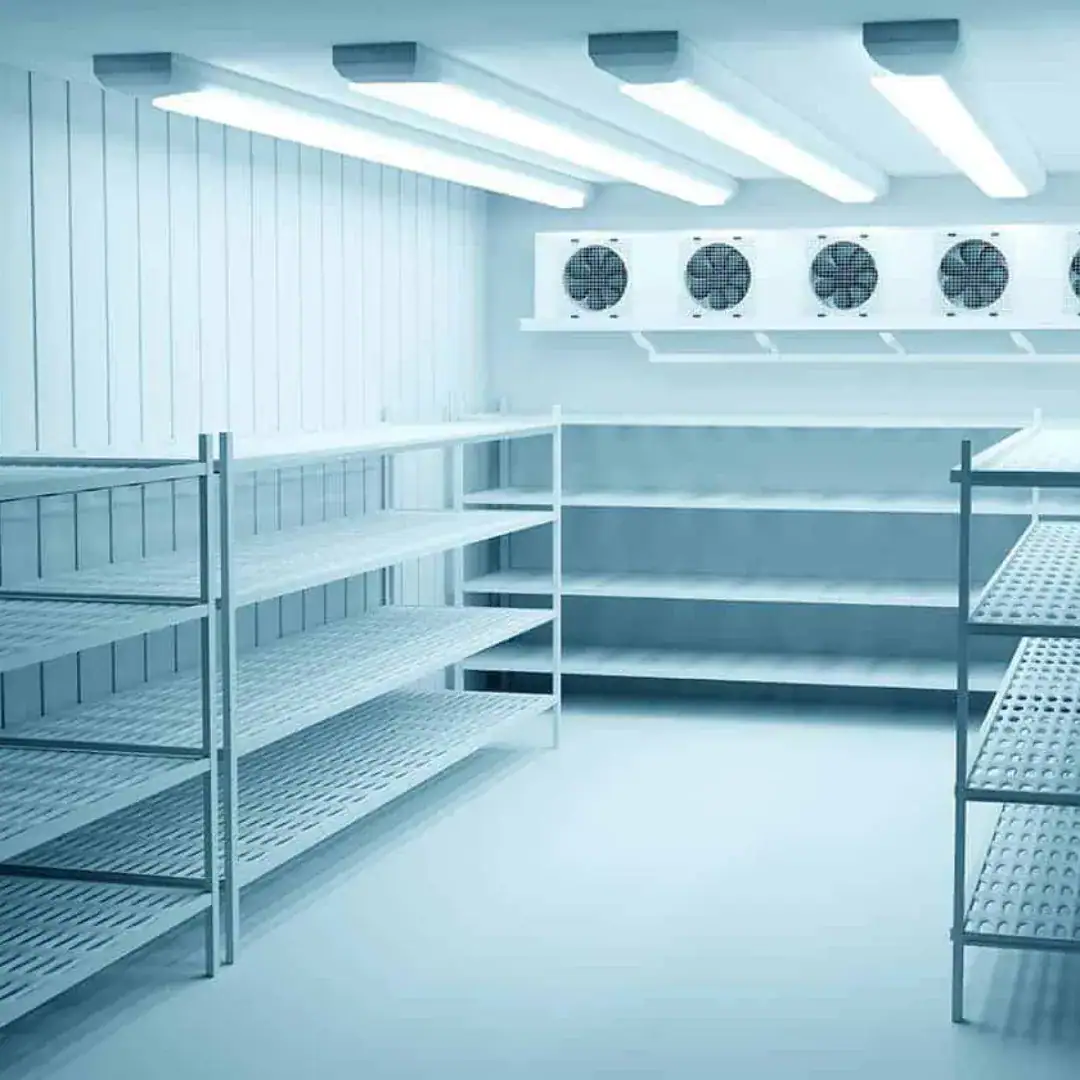
Cold storage flooring is specifically developed for low-temperature environments where moisture resistance and thermal durability are essential.
Advantages
- Resistant to freezing temperatures
- Anti-slip safety finish
- Moisture and waterproof protection
- Crack-resistant performance
- Durable under cold storage operations
Cold storage flooring is widely used in frozen food warehouses, pharmaceutical storage, and refrigerated logistics facilities.
Food Processing Plant Flooring

Food processing plant flooring requires hygienic, seamless, and chemical-resistant surfaces that comply with industrial cleanliness standards.
Features
- Hygienic and bacteria-resistant surface
- Easy wash-down and cleaning
- Resistant to oils, acids, and chemicals
- Anti-slip safety properties
- Durable for heavy industrial usage
Food-grade epoxy and polyurethane flooring systems are commonly used in food factories, beverage plants, dairy units, and meat processing facilities.
Storage Room Flooring

Storage room flooring solutions are designed to provide strong and durable surfaces for inventory storage, material handling, and equipment placement.
Benefits
- Strong load-bearing capacity
- Smooth and seamless finish
- Easy cleaning and maintenance
- Resistant to wear and impact
- Long-lasting industrial performance
Storage room flooring is suitable for commercial warehouses, industrial stock rooms, and storage facilities requiring reliable flooring systems.
Key Factors When Choosing Factory Flooring
Choosing the right flooring depends on multiple factors specific to the industry and operational environment.
→ Load Capacity: Evaluate forklift traffic, machine weight, and vibration.
→ Chemical Exposure: Consider resistance to oils, acids, and cleaning chemicals.
→ Temperature & Humidity: Cold rooms and unventilated spaces need thermally stable flooring.
→ Safety Requirements: Anti-slip and fire-resistant surfaces enhance worker protection.
→ Maintenance Needs: Seamless floors are easier to clean and sanitize.
→ Budget & Lifecycle Costs: Balance between upfront cost and long-term performance.
→ Regulatory Compliance: Follow national safety, environmental, and hygiene regulations.
Installation Best Practices
→ Ensure a stable, moisture-free sub-base.
→ Use a vapor barrier if necessary.
→ Grind and prime surfaces before applying epoxy or PU.
→ Apply multiple coats (primer, base coat, top coat) for durability.
→ Create slope for drainage in wet zones.
→ Mark zones and safety pathways clearly.
→ Allow proper curing before operations begin.
Maintenance and Repair Strategies
→ Regular cleaning to prevent dust accumulation.
→ Periodic re-coating of epoxy/PU floors.
→ Immediate repair of cracks and spalling.
→ Replacement of damaged interlocking tiles.
→ Annual inspections for preventive maintenance.
→ Use appropriate cleaning agents to avoid surface damage
Common Problems and Their Solutions
| Problem | Cause | Solution |
|---|---|---|
| Cracks and spalling | Heavy load, poor sub-base | Reinforce sub-base, use epoxy mortar for repair |
| Dusting and surface wear | Untreated concrete | Apply hardener or epoxy coating |
| Moisture seepage | Lack of vapor barrier, drainage issues | Install moisture barrier, improve site drainage |
| Chemical stains and damage | Spillages, harsh cleaners | Use chemical-resistant coatings, train staff |
| Slippery surfaces | No anti-slip finish | Add non-slip additives or mats |
| Rapid wear under machinery | Point loads | Use PU or reinforced epoxy flooring |
Health, Safety, and Regulatory Considerations
1. Slip Resistance
Factory floors must minimize slip and trip hazards. Use flooring with R10–R13 slip resistance ratings, especially in wet zones.
2. Safety Markings and Zoning
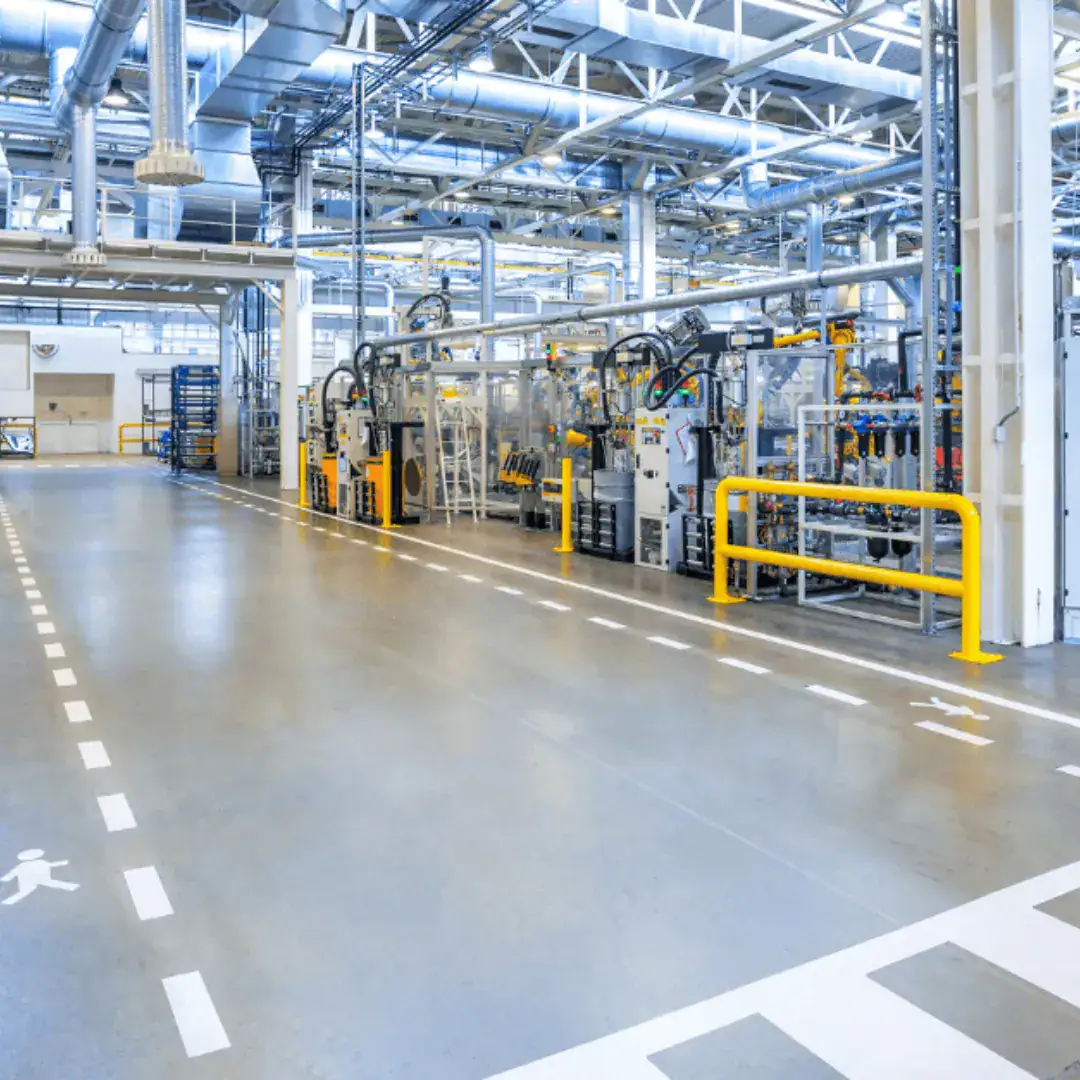
Mark pedestrian lanes, forklift pathways, emergency exits, and hazardous zones using durable paint or epoxy markings.
3. Fire Safety
Use fire-retardant coatings in compliance with Civil Defence and NFPA guidelines.
4. ESD (Electrostatic Discharge) Control
For electronic and chemical plants, install ESD-safe flooring to prevent equipment damage or fire.
5. Chemical Spill Containment
Choose chemical-resistant flooring and install containment barriers in areas handling corrosive or flammable liquids.
6. Ergonomics and Worker Comfort
Use anti-fatigue mats or cushioned flooring in standing areas to reduce worker strain.
7. Hygiene Standards
Food and pharma industries must comply with ISO 22000, GMP, and Pakistan Food Authority standards.
Cost Drivers for Factory Flooring in Pakistan
| Cost Factor | Impact on Cost |
|---|---|
| Flooring type | Major factor (PKR 300 – 2500+ per sq. ft.) |
| Surface preparation | Grinding, priming, leveling adds to cost |
| Thickness and layer system | More layers = more cost but longer life |
| Area size and complexity | Larger areas reduce per sq. ft. cost |
| Additional features (ESD, anti-slip) | Increases total cost but enhances safety |
Factory Flooring Contractors Pakistan
Factory flooring contractors in Pakistan specialize in the design, preparation, and installation of industrial flooring systems for factories and warehouses. Professional contractors ensure proper surface treatment, material selection, and accurate installation techniques for long-term durability.
Services Offered by Factory Flooring Contractors
- Industrial floor inspection and consultation
- Surface grinding and preparation
- Epoxy and PU flooring installation
- Industrial concrete repair services
- Anti-static and ESD flooring systems
- Waterproof and chemical-resistant coatings
- Industrial floor maintenance and refurbishment
Experienced contractors use advanced equipment and industrial-grade materials to deliver reliable flooring solutions for factories across Pakistan.
Why Choose Professional Factory Flooring Contractors?
Professional factory flooring contractors provide:
- Proper floor preparation for maximum bonding
- High-quality industrial-grade materials
- Durable and long-lasting flooring systems
- Customized flooring solutions for different industries
- Fast project completion with minimal downtime
- Compliance with industrial safety standards
This ensures the flooring performs efficiently even under harsh industrial conditions.
Conclusion
Factory flooring is not just a surface — it’s the foundation of smooth, safe, and efficient operations. In Pakistan’s growing industrial landscape, the right flooring can significantly reduce costs, improve productivity, and enhance compliance with safety and hygiene standards.
From concrete to epoxy and PU systems, the choice depends on operational needs, environment, and budget. By working with experienced flooring contractors and adhering to best practices, factory owners can ensure their flooring investment pays off for years to come.
✨ Pro Tip: Don’t just think about the initial cost — focus on lifecycle value and performance.