Factory Flooring in Pakistan: Durable Industrial Flooring Solutions
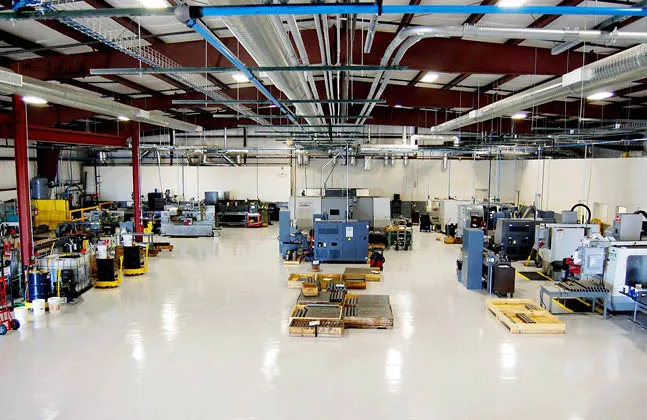
Factory flooring plays an important role in the safety, cleanliness and productivity of an industrial facility. Factory floors must withstand heavy machinery, forklifts, continuous foot traffic, chemical spills, oil, abrasion, impact and frequent cleaning.
The right industrial flooring system protects the concrete substrate while providing a durable, seamless and easy-to-maintain working surface. Depending on the factory environment, options can include epoxy flooring, PU flooring, heavy-duty screeds, anti-slip systems, chemical-resistant coatings and specialized industrial flooring.
Factory flooring should be selected according to the actual operating conditions rather than simply choosing the cheapest coating. Traffic, equipment loads, chemical exposure, temperature, moisture, cleaning methods and concrete condition all affect the correct flooring specification.
What Is Factory Flooring?
Factory flooring refers to specialized flooring systems designed for manufacturing plants, production facilities, warehouses, workshops and industrial buildings.
Unlike ordinary residential or commercial floors, factory floors are subjected to mechanical and operational stresses that can quickly damage unsuitable surfaces.
Industrial resin flooring can be installed over prepared concrete to create a protective surface with improved abrasion resistance, chemical resistance, impact performance, hygiene and ease of cleaning.
Why Is Factory Flooring Important?
Protects Concrete
Industrial flooring protects the concrete substrate from abrasion, contamination, chemical spills and everyday factory operations.
Handles Heavy Traffic
Properly specified systems can withstand forklifts, pallet trucks, machinery and continuous pedestrian traffic.
Improves Safety
Anti-slip textures, colour zoning and clearly marked walkways can help improve workplace safety.
Resists Chemicals
Suitable resin systems can provide resistance against oils, acids, alkalis, solvents and other industrial chemicals.
Easy to Clean
Seamless flooring reduces joints and gaps where dirt, dust and liquids can collect.
Professional Appearance
Industrial floors can be finished in different colours and zones to create a cleaner and more organized factory environment.
Best Types of Factory Flooring
There is no single flooring system suitable for every factory. The ideal solution depends on the manufacturing process and the stresses placed on the floor.
1. Epoxy Factory Flooring
Epoxy is one of the most widely considered resin flooring options for factories. It provides a hard, seamless surface with good abrasion and chemical resistance.
- Good mechanical durability
- Seamless finish
- Good chemical resistance
- Easy to clean
- Available in multiple colours
- Suitable for many manufacturing areas
2. Heavy-Duty Epoxy Flooring
Heavy-duty epoxy systems are designed for factories experiencing higher traffic, forklift movement, impact and abrasion.
- Higher build thickness
- Improved abrasion resistance
- Suitable for forklift areas
- Good impact resistance
- Suitable for demanding industrial environments
3. Epoxy Screed Flooring
Epoxy screed is a heavy-duty flooring solution that can be specified where high mechanical strength, impact resistance and greater build are required.
- Heavy-duty construction
- High abrasion resistance
- Suitable for industrial traffic
- Can accommodate demanding applications
4. PU Factory Flooring
Polyurethane flooring can be considered where flexibility, abrasion resistance, thermal movement or demanding environmental conditions are important.
- Good abrasion resistance
- Flexible compared with rigid epoxy systems
- Suitable for demanding industrial applications
- Available with textured finishes
5. Urethane Concrete Flooring
Urethane concrete is suitable for severe industrial environments involving impact, moisture, thermal stress and chemical exposure.
- Heavy-duty performance
- Excellent impact resistance
- Strong chemical resistance
- Suitable for demanding wet environments
6. Anti-Slip Factory Flooring
Textured resin flooring with suitable aggregates can improve traction in factories where water, oil, grease or other contaminants are present.
7. Chemical-Resistant Flooring
Specialized epoxy, PU and other resin systems can be selected for production areas exposed to aggressive chemicals.
8. Conductive & ESD Flooring
Electronics, pharmaceutical and specialized manufacturing areas may require conductive or electrostatic-dissipative flooring systems to control static electricity.
Factory Flooring Selection Guide
| Factory Condition | Suitable Flooring Consideration |
|---|---|
| General Manufacturing | Epoxy flooring |
| Heavy Forklift Traffic | Heavy-duty epoxy or epoxy screed |
| High Chemical Exposure | Chemical-resistant epoxy, PU or specialized resin system |
| Wet Processing Areas | Textured PU, urethane concrete or suitable anti-slip system |
| High Impact Areas | Heavy-duty epoxy screed or urethane concrete |
| Electronics Manufacturing | ESD or conductive flooring |
| Food Production | Hygienic PU or suitable resin flooring |
| Warehouse Areas | Heavy-duty epoxy or concrete protection system |
Factory Flooring Requirements
Mechanical Strength
The floor must withstand the expected loads from machinery, vehicles, storage systems and production equipment.
Abrasion Resistance
Continuous forklift, pallet truck and pedestrian traffic can cause significant surface wear.
Chemical Resistance
The flooring system should be selected according to the chemicals, concentrations and exposure duration present at the facility.
Impact Resistance
Manufacturing environments can experience dropped tools, materials, pallets and equipment.
Slip Resistance
Wet and contaminated areas may require textured flooring to provide improved traction.
Moisture Resistance
Moisture from cleaning, processing or the concrete substrate must be considered before installation.
Temperature Resistance
Areas exposed to hot equipment, steam, thermal shock or temperature changes may require specialized flooring.
Easy Maintenance
A seamless and appropriately finished floor makes routine cleaning and maintenance easier.
Factory Flooring Installation Process
Proper installation is critical to the performance of industrial flooring. The exact process depends on the selected system, concrete condition and factory environment.
1. Site Inspection
Inspect the existing concrete, production conditions, traffic, chemical exposure, moisture and temperature.
2. Flooring Specification
Select the resin system, thickness, aggregate, texture and finish according to the factory requirements.
3. Concrete Testing
Assess substrate strength, moisture, contamination, cracks and surface condition before installation.
4. Mechanical Preparation
Grinding or shot blasting removes weak concrete, contamination and unsuitable coatings while creating an appropriate surface profile.
5. Concrete Repairs
Repair cracks, holes, spalling and other defects using compatible repair materials.
6. Primer Application
Apply the specified primer to promote adhesion between the prepared substrate and resin system.
7. Base Coat
Apply the specified epoxy, PU or other industrial flooring layer.
8. Reinforcement or Aggregate
Where required, incorporate quartz, silica or other aggregates to improve build, traction and durability.
9. Topcoat
Apply the compatible final layer to provide the required appearance, chemical resistance, abrasion resistance and protection.
10. Line Marking
Apply production zones, walkways, forklift routes, safety markings and other required floor markings.
11. Curing
Allow the flooring system to cure according to the manufacturer’s requirements before returning the area to service.
Concrete Preparation for Factory Flooring
Surface preparation is one of the most important factors affecting the performance of factory flooring. Applying resin over weak, contaminated or poorly prepared concrete can result in premature failure.
- Remove Existing Contamination: Remove oil, grease, dust, chemicals and other contaminants.
- Mechanical Preparation: Grind or shot blast the concrete to remove weak surface material and create a suitable profile.
- Repair Damaged Concrete: Repair cracks, holes, spalling and deteriorated areas.
- Check Moisture: Evaluate substrate moisture before applying resin flooring.
- Remove Dust: Thoroughly vacuum the prepared floor.
- Apply Primer: Use the manufacturer’s recommended primer for the selected system.
Factory Flooring for Different Industries
Food Manufacturing
Hygienic, seamless and easy-to-clean flooring is important in food processing and manufacturing environments.
Pharmaceutical Manufacturing
Pharmaceutical facilities may require seamless, hygienic and chemical-resistant flooring with controlled electrostatic properties.
Automotive Factories
Automotive production areas can require high abrasion, impact and oil resistance due to vehicle manufacturing operations.
Textile Factories
Textile production areas benefit from durable, dust-resistant and easy-to-maintain flooring.
Chemical Plants
Chemical manufacturing areas require flooring selected according to the specific chemicals and exposure conditions.
Engineering Workshops
Heavy-duty epoxy, epoxy screed and anti-slip systems can be suitable for workshops exposed to machinery, oil and mechanical traffic.
Electronics Factories
ESD or conductive flooring may be required to control electrostatic discharge around sensitive electronic components.
Warehouses
Heavy-duty flooring helps protect warehouse floors from forklifts, pallet movement, abrasion and material handling.
Factory Flooring for Heavy Machinery
Machinery areas require careful consideration of static loads, vibration, impact and equipment movement. A thin decorative coating may not be suitable for areas subjected to severe mechanical stress.
Depending on the equipment and operating conditions, a heavy-duty epoxy, epoxy screed or urethane concrete system may be considered.
- Assess equipment loads before selecting the flooring system.
- Consider vibration and machinery movement.
- Provide adequate thickness for the expected mechanical stress.
- Repair damaged concrete before installation.
- Consider chemical and oil exposure.
- Use suitable anti-slip texture around machinery where necessary.
- Provide movement joints and detail them correctly.
Anti-Slip Factory Flooring
Factory floors can become slippery when exposed to water, oils, grease, chemicals or cleaning liquids. Anti-slip flooring can help improve traction for workers and industrial vehicles.
Fine Texture
Suitable for relatively clean areas where ease of cleaning is a major consideration.
Medium Texture
Suitable for many general industrial areas requiring increased traction.
Heavy Texture
Can be considered for wet processing, oil-contaminated or highly demanding areas where additional traction is required.
Chemical-Resistant Factory Flooring
Factories may handle acids, alkalis, solvents, oils, fuels, cleaning chemicals and other aggressive substances. Flooring should be selected based on the actual chemical exposure rather than assuming that every epoxy or PU system provides universal chemical resistance.
| Exposure | Flooring Consideration |
|---|---|
| Oil & Grease | Suitable industrial epoxy or PU system |
| Cleaning Chemicals | Chemically resistant resin selected for actual products |
| Acids | Specialized chemical-resistant system |
| Alkalis | Compatible epoxy, PU or specialized resin system |
| Solvents | System selected according to solvent type and concentration |
Factory Flooring and Workplace Safety
Flooring contributes to workplace safety but should be considered as part of a broader industrial safety program.
- Use anti-slip surfaces in wet or contaminated areas.
- Clearly separate pedestrian and vehicle routes.
- Mark forklift lanes and loading areas.
- Use contrasting colours for important safety zones.
- Repair damaged flooring promptly.
- Maintain clean and dry working surfaces where practical.
- Use suitable drainage in wet processing areas.
- Ensure floor transitions are properly detailed.
Factory Flooring Cost in Pakistan
The factory flooring cost in Pakistan depends on the flooring material, system thickness, concrete condition, preparation, project size, chemical resistance requirements and expected traffic.
| Flooring Type | Indicative Cost Range | Typical Application |
|---|---|---|
| Basic Epoxy Coating | PKR 400 – 700 per sq. ft. | Light to moderate factory areas |
| Heavy-Duty Epoxy | PKR 600 – 1,000 per sq. ft. | Factories with forklifts and higher traffic |
| Epoxy Screed | PKR 900 – 1,500 per sq. ft. | Heavy-duty industrial areas |
| PU Flooring | PKR 800 – 1,300 per sq. ft. | Demanding industrial environments |
| Urethane Concrete | PKR 1,000 – 2,000+ per sq. ft. | Severe industrial conditions |
Factors Affecting Factory Flooring Cost
Factory Area
Project size affects material quantities, labour requirements and overall installation economics.
Concrete Condition
Damaged, uneven or contaminated concrete requires additional preparation and repair.
Traffic Level
Forklifts, heavy machinery and continuous vehicle movement can require higher-performance flooring systems.
Floor Thickness
Heavy-duty systems require additional material and installation compared with thin coating systems.
Chemical Exposure
Specialized chemical-resistant materials can increase the overall project cost.
Surface Preparation
Grinding, shot blasting, repairs and moisture treatment can significantly influence project cost.
Common Factory Flooring Problems
Peeling
Poor surface preparation, contamination, moisture or incompatible materials can contribute to loss of adhesion.
Blistering
Moisture vapour, trapped air or unsuitable application conditions can cause blistering.
Cracking
Substrate movement, structural cracking or unsuitable detailing can result in cracks appearing in the finished floor.
Wear
Thin or incorrectly specified coatings can wear prematurely under heavy forklift and machinery traffic.
Slippery Surface
Smooth floors can become hazardous when contaminated with water, oil or chemicals.
Chemical Damage
Incorrect resin selection can result in staining, softening or deterioration after chemical exposure.
How to Prevent Factory Flooring Failure
- Inspect the concrete before selecting the flooring system.
- Identify all expected chemical exposures.
- Determine forklift and machinery traffic requirements.
- Use proper mechanical surface preparation.
- Remove oil, grease and other contaminants.
- Test and manage substrate moisture.
- Repair cracks and damaged concrete.
- Use compatible primer and resin layers.
- Select the correct flooring thickness.
- Use anti-slip aggregate where required.
- Follow manufacturer’s mixing and application requirements.
- Allow adequate curing before returning the floor to service.
- Maintain the flooring through regular cleaning and inspection.
Factory Floor Maintenance
Regular maintenance can help preserve the appearance and performance of industrial flooring and identify small defects before they become larger problems.
- Remove oil and chemical spills promptly.
- Use manufacturer-approved cleaning chemicals.
- Remove dust, dirt and abrasive particles regularly.
- Keep drainage systems clear.
- Inspect high-traffic forklift routes.
- Monitor areas around machinery and production equipment.
- Repair damaged areas as soon as practical.
- Avoid dragging heavy sharp objects across the surface.
- Inspect expansion and movement joints.
- Schedule periodic maintenance inspections.
Factory Flooring Contractors in Pakistan
A professional industrial flooring contractor should be able to assess the factory environment and recommend a flooring system based on actual operating conditions.
Site Survey
Assessment of the concrete, traffic, machinery, chemicals, moisture and factory operations.
Flooring Specification
Selection of resin type, thickness, texture, colour and performance requirements.
Surface Preparation
Grinding, shot blasting, cleaning and concrete repair before application.
Industrial Resin Flooring
Professional installation of epoxy, PU, screed and other industrial flooring systems.
Anti-Slip Flooring
Textured flooring systems for wet, oily and demanding industrial areas.
ESD Flooring
Specialized flooring for electronics and other areas where static control is required.
Line Marking
Floor marking for walkways, production areas, forklift routes, storage zones and safety areas.
Floor Refurbishment
Repair and resurfacing solutions for worn or damaged factory floors.
Frequently Asked Questions About Factory Flooring
What is the best flooring for a factory?
Epoxy is suitable for many general factory applications. Heavy-duty epoxy, epoxy screed, PU and urethane concrete can be considered for areas exposed to heavier traffic, impact, moisture, chemicals or demanding industrial conditions.
Is epoxy flooring suitable for factories?
Yes. Epoxy is commonly used in factories because it can provide a seamless, durable and chemical-resistant surface that is relatively easy to clean and maintain.
What flooring is best for forklift traffic?
Heavy-duty epoxy, epoxy screed or other high-performance industrial systems can be considered for forklift traffic. The correct thickness and specification depend on the expected loads and traffic intensity.
Can factory flooring resist chemicals?
Suitable industrial resin systems can provide resistance to many chemicals. The flooring should be selected against the specific chemical type, concentration, temperature and exposure duration.
Is PU flooring better than epoxy for factories?
Neither is universally better. Epoxy is often selected for hard, durable surfaces, while PU can offer advantages in flexibility, abrasion resistance and certain demanding environments. The choice depends on factory conditions.
What is epoxy screed flooring?
Epoxy screed is a heavy-duty resin flooring system containing graded aggregates. It provides greater build and mechanical performance than many thin epoxy coating systems.
How thick should factory epoxy flooring be?
The required thickness depends on traffic, machinery, impact, chemical exposure and substrate conditions. A light coating and a heavy-duty epoxy screed have significantly different specifications.
Can factory flooring be anti-slip?
Yes. Suitable aggregate can be incorporated into epoxy, PU and other resin systems to create a textured anti-slip surface.
How much does factory flooring cost in Pakistan?
Indicative factory flooring prices can range from approximately PKR 400 to PKR 2,000 or more per square foot depending on the system, thickness, preparation and site conditions. A project-specific quotation is required for accurate pricing.
Does factory flooring require concrete preparation?
Yes. Proper grinding or shot blasting, cleaning, crack repair, moisture assessment and priming are essential for reliable adhesion and long-term flooring performance.
How long does factory epoxy flooring last?
Service life varies according to traffic, chemical exposure, substrate quality, system specification, installation quality and maintenance. A correctly specified industrial system can provide many years of service.
Can factory flooring be installed over old concrete?
Yes, if the existing concrete is structurally sound and can be properly prepared. Weak concrete, contamination, cracks and moisture problems should be addressed before installing the new flooring.
What is the best flooring for a wet factory area?
Textured PU, urethane concrete or another suitable anti-slip industrial resin system can be considered for wet processing areas. Drainage and moisture conditions should also be addressed.
Need Factory Flooring in Pakistan?
Get an industrial flooring system designed around your factory’s traffic, machinery, chemical exposure, moisture, temperature and maintenance requirements.
Request a Factory Flooring QuoteRelated Industrial Flooring Services
Conclusion
Choosing the right factory flooring requires more than selecting a durable-looking coating. The floor must be designed around the actual conditions of the manufacturing environment, including forklift traffic, machinery loads, impact, chemicals, moisture, temperature and cleaning requirements.
Epoxy flooring is a practical solution for many general manufacturing facilities, while heavy-duty epoxy, epoxy screed, PU and urethane concrete can be considered for more demanding applications.
Proper concrete preparation is equally important. Grinding or shot blasting, contamination removal, crack repair, moisture assessment, compatible priming and correct application all contribute to the long-term performance of the flooring system.
With the correct specification, professional installation and regular maintenance, industrial flooring can help create a safer, cleaner and more durable factory environment.