
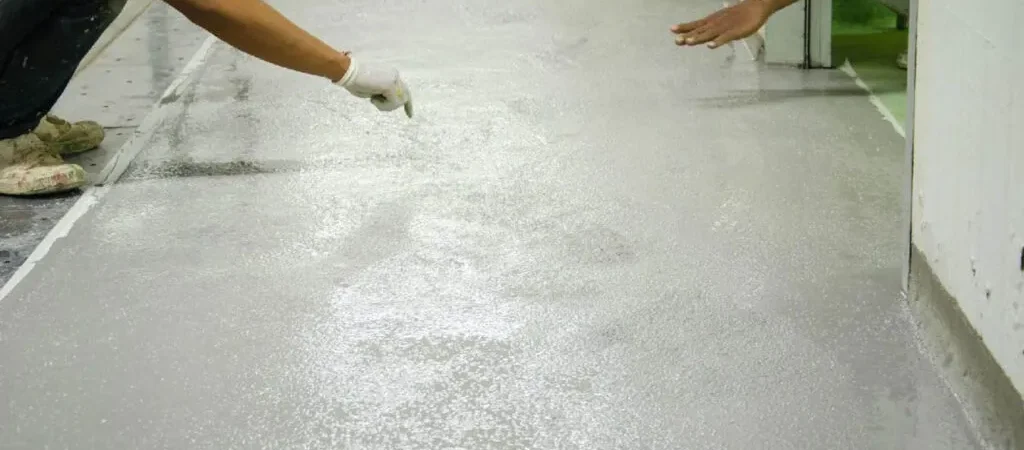
How to Prepare Concrete Floor Before Epoxy Application
Proper concrete floor preparation is the foundation of a durable epoxy flooring system. Learn how to clean, repair, grind, profile and test concrete before epoxy application to achieve strong adhesion and a long-lasting finish.
Epoxy flooring is known for its durability, seamless appearance and resistance to many types of wear. However, even a high-quality epoxy system can fail when it is installed over poorly prepared concrete. Peeling, bubbling, cracking, weak adhesion and premature deterioration are often associated with substrate preparation problems.
Concrete floor preparation for epoxy should therefore be treated as a critical part of the flooring system rather than simply a cleaning step. The condition of the existing concrete, contamination, surface profile, cracks and moisture should all be evaluated before the coating is installed.
Why Concrete Floor Preparation Matters Before Epoxy
Epoxy needs a suitable substrate to develop reliable adhesion. Concrete surfaces can contain dust, laitance, oil, grease, moisture, weak surface material and old coatings. If these contaminants remain, they can interfere with the bonding of the epoxy system.
Improves Adhesion
Proper surface preparation creates a suitable profile and removes contaminants that could interfere with epoxy bonding.
Reduces Peeling
Removing weak concrete, dust, oil and incompatible coatings helps reduce the risk of premature delamination.
Creates a Uniform Finish
Repairs and mechanical preparation help create a more consistent surface for the epoxy layers.
Improves Long-Term Performance
A properly prepared substrate gives the flooring system a stronger foundation for long-term service.
Step 1: Inspect the Concrete Surface
Before any grinding or coating work begins, inspect the entire concrete floor. The inspection should identify defects and conditions that may affect the epoxy installation.
Cracks
Identify cracks and determine whether they are static or associated with movement before selecting a repair method.
Holes & Damage
Spalled areas, holes and damaged concrete should be repaired before applying the epoxy system.
Oil & Grease
Oil and grease contamination can prevent epoxy from bonding properly to the concrete.
Moisture
Ground-level slabs and other concrete surfaces should be assessed for moisture conditions before coating.
Uneven Areas
High spots, low areas and surface irregularities should be evaluated before selecting the preparation method.
Existing Coatings
Paint, old epoxy or other coatings should be tested for adhesion and compatibility before deciding whether they can remain.
Step 2: Remove Dirt, Dust and Loose Material
Cleaning is an essential part of concrete floor preparation. Dust and loose particles can form a weak layer between the concrete and epoxy.
Depending on the condition of the floor, contractors may use industrial vacuum cleaners, brooms, blowers or suitable washing methods. After wet cleaning, the concrete must be allowed to dry adequately before further preparation and coating.
Industrial Vacuum
Removes fine dust generated during grinding and surface preparation.
Mechanical Cleaning
Helps remove loose particles and surface contaminants before profiling.
Pressure Washing
May be used where appropriate for heavy contamination, followed by adequate drying and moisture verification.
Final Dust Removal
Vacuuming after mechanical preparation helps leave the surface clean before primer application.
Step 3: Remove Oil and Grease Contamination
Oil contamination is especially common in garages, workshops, maintenance areas and industrial floors. Oil can penetrate concrete and interfere with epoxy adhesion.
Contaminated areas should be treated using an appropriate concrete degreasing and cleaning procedure. Heavy contamination may require mechanical removal or localized concrete repair rather than simple surface washing.
Step 4: Repair Cracks, Holes and Surface Damage
Concrete defects should be addressed before the epoxy system is installed. Coating over damaged concrete without suitable repair can leave the underlying problem visible or contribute to premature coating failure.
Epoxy Crack Filler
Suitable repair materials may be used for appropriate static cracks and surface defects.
Repair Mortar
Damaged or deeper areas may require a compatible repair mortar before the epoxy layers are installed.
Joint Treatment
Existing joints should be evaluated and treated according to the movement and design requirements of the floor.
Surface Leveling
Uneven or damaged areas can require patching or leveling before the final epoxy surface is applied.
Step 5: Grind and Profile the Concrete Surface
Mechanical surface preparation is one of the most important stages of epoxy flooring installation. Diamond grinding can remove weak surface material, old coatings and contamination while creating a suitable surface profile for epoxy adhesion.
Diamond Grinding
Commonly used to prepare concrete by removing weak material and creating a consistent mechanical profile.
Shot Blasting
Uses abrasive media to mechanically profile the concrete and remove unsuitable surface material.
Scarifying
A more aggressive mechanical method that can remove thicker surface material where required.
Step 6: Check Concrete Moisture Before Epoxy
Moisture is one of the most important factors to evaluate before epoxy installation. Moisture moving through a concrete slab can contribute to blistering, bubbling, adhesion problems and other coating defects.
Moisture assessment should be performed using an appropriate method for the project and according to the requirements of the selected epoxy system.
Moisture Meter
A suitable moisture meter can provide useful information about substrate conditions.
Plastic Sheet Screening
A plastic sheet test can provide a basic indication of moisture transmission but should not replace appropriate professional testing where required.
Calcium Chloride Testing
Used in some flooring applications to assess moisture vapor emission from concrete.
Moisture Barrier Systems
Where conditions require it, a compatible moisture-control primer or barrier system may be considered.
Step 7: Remove Grinding Dust
After mechanical grinding, the floor can contain a significant amount of fine concrete dust. This dust should be removed thoroughly before primer application.
- Use an industrial vacuum suitable for fine dust.
- Vacuum the entire prepared surface.
- Pay attention to corners and edges.
- Remove loose particles from cracks and repairs.
- Ensure the surface is clean before primer application.
Step 8: Apply the Correct Epoxy Primer
Primer forms an important part of many epoxy flooring systems. It helps establish the connection between the prepared concrete substrate and the subsequent epoxy layers.
Improved Bonding
A compatible primer can help establish reliable adhesion between the prepared concrete and epoxy system.
Reduced Surface Porosity
Primer can help regulate the substrate and reduce problems associated with porous concrete.
Better System Performance
Using the correct primer as part of a compatible system can improve overall flooring performance.
Moisture Management
Where required, specialized primers may be selected for particular moisture conditions.
What Surface Profile Does Epoxy Need?
The required concrete surface profile depends on the epoxy system, application thickness and manufacturer’s requirements. A surface that is excessively smooth may not provide sufficient mechanical adhesion, while an unnecessarily aggressive profile can increase material consumption and affect the final finish.
The goal is to create a clean, sound and appropriately profiled substrate suitable for the specific epoxy flooring system being installed.
Tools Used for Concrete Floor Preparation
Professional epoxy flooring contractors use specialized equipment to prepare concrete efficiently and consistently.
Floor Grinder
Used for mechanical concrete preparation, coating removal and surface profiling.
Industrial Vacuum
Removes fine dust generated during grinding and preparation.
Shot Blaster
Provides mechanical profiling for suitable concrete surfaces.
Moisture Meter
Helps evaluate substrate moisture before coating.
Repair Tools
Trowels, scrapers and other tools are used to repair cracks, holes and damaged concrete.
Diamond Abrasives
Different diamond tooling can be selected according to concrete hardness and preparation requirements.
Common Concrete Preparation Mistakes Before Epoxy
Applying Epoxy to Wet Concrete
Ignoring moisture conditions can lead to adhesion and blistering problems.
Skipping Mechanical Preparation
Applying epoxy over a smooth or weak surface can compromise adhesion.
Ignoring Oil Contamination
Oil and grease should be properly removed or treated before coating.
Coating Over Cracks
Cracks should be evaluated and repaired according to their characteristics.
Leaving Grinding Dust
Residual dust can create a weak layer between concrete and primer.
Using Incompatible Materials
Repair products and primers should be compatible with the selected epoxy system.
How Long Does Concrete Floor Preparation Take?
Preparation time varies significantly depending on the size and condition of the concrete floor. A relatively clean and sound residential floor may require much less preparation than an industrial floor with old coatings, heavy contamination or extensive repairs.
| Project Condition | Typical Preparation Requirement |
|---|---|
| Clean & Sound Concrete | Cleaning, mechanical profiling and dust removal |
| Minor Surface Damage | Cleaning, grinding and localized repairs |
| Oil-Contaminated Floor | Degreasing, mechanical preparation and possible localized treatment |
| Old Coated Floor | Coating removal, mechanical preparation and substrate assessment |
| Damaged Industrial Floor | Extensive repairs, grinding, cleaning and moisture assessment |
Small residential areas may sometimes be prepared within a day, while larger commercial and industrial projects can require several days depending on repairs and substrate conditions.
Concrete Floor Preparation Cost in Pakistan
The cost of preparing concrete for epoxy depends on the condition of the floor, required mechanical preparation, contamination, repair work, project size and equipment required.
| Preparation Service | Indicative Cost Range | Main Cost Factors |
|---|---|---|
| Basic Cleaning | PKR 20–40 / sq. ft. | Contamination and cleaning requirements |
| Concrete Grinding | PKR 50–120 / sq. ft. | Concrete hardness, area and coating removal |
| Crack Repair | PKR 30–80 / sq. ft. | Extent and type of damage |
| Full Preparation | PKR 100–250 / sq. ft. | Grinding, repairs, cleaning and substrate condition |
Best Conditions for Epoxy Application After Preparation
Once the concrete has been prepared, environmental and substrate conditions should still be checked before applying epoxy.
Dry Substrate
Concrete should meet the moisture requirements of the selected epoxy system.
Suitable Temperature
Substrate and ambient temperatures should remain within the manufacturer’s specified application range.
Controlled Humidity
Environmental humidity should be appropriate for the coating system and application conditions.
Dust-Free Surface
The prepared surface should be thoroughly vacuumed before primer and epoxy application.
DIY vs Professional Concrete Preparation
Small and relatively simple areas may appear suitable for DIY preparation, but epoxy floor preparation becomes considerably more demanding when the concrete is damaged, contaminated or covered with old coatings.
DIY Preparation
- May be suitable for small, simple areas.
- Requires appropriate cleaning equipment.
- Requires correct surface preparation.
- Moisture conditions must still be considered.
Professional Preparation
- Uses commercial grinding and dust extraction equipment.
- Provides more consistent surface profiling.
- Can identify and repair substrate defects.
- Better suited to commercial and industrial floors.
Benefits of Proper Concrete Floor Preparation
Better Epoxy Adhesion
A clean and properly profiled substrate gives the epoxy a suitable foundation for bonding.
Longer Service Life
Proper preparation helps reduce avoidable coating failures and supports long-term flooring performance.
Smoother Finish
Repairing surface defects before coating produces a more uniform finished floor.
Lower Maintenance
A properly installed floor can be easier to maintain and less likely to require premature repair.
Reduced Peeling Risk
Removing contamination and creating a suitable profile helps reduce adhesion-related peeling.
Better Overall Appearance
A prepared and repaired substrate helps the final epoxy finish look more consistent and professional.
Concrete Preparation Checklist Before Epoxy
- Inspect the complete concrete surface.
- Identify cracks, holes and damaged areas.
- Remove dirt, dust and loose material.
- Remove oil and grease contamination.
- Remove unsuitable existing coatings.
- Repair cracks and surface defects.
- Mechanically grind or profile the concrete.
- Thoroughly vacuum grinding dust.
- Check concrete moisture conditions.
- Confirm substrate and environmental conditions.
- Apply a compatible primer where specified.
- Proceed with the selected epoxy flooring system.
Frequently Asked Questions About Concrete Floor Preparation for Epoxy
Why is concrete floor preparation important before epoxy application?
Concrete preparation is important because epoxy needs a clean, sound and appropriately profiled substrate for reliable adhesion. Poor preparation can contribute to peeling, bubbling, cracking and premature coating failure.
What is the best method for preparing concrete for epoxy?
Diamond grinding is commonly used because it can remove weak surface material and contaminants while creating an appropriate mechanical profile. The exact preparation method should be selected according to the substrate and epoxy system.
Can epoxy be applied directly to smooth concrete?
Smooth concrete should generally be mechanically prepared before epoxy application. The required surface profile depends on the selected flooring system and manufacturer’s requirements.
Can epoxy be applied over cracked concrete?
Cracks should be inspected and appropriately repaired before epoxy application. The repair method depends on the type, width and movement characteristics of the crack.
Can epoxy be applied over oily concrete?
Oil-contaminated concrete should be properly cleaned and prepared before epoxy application. Deep contamination may require more aggressive treatment or localized concrete removal.
Is grinding necessary before epoxy flooring?
Mechanical preparation is commonly required to remove weak material and establish an appropriate surface profile. Diamond grinding is one commonly used method.
How do you remove dust after grinding concrete?
Industrial vacuum equipment is commonly used to remove fine grinding dust. The surface should be thoroughly cleaned before primer application.
How long does concrete preparation take before epoxy?
Preparation time depends on floor size, surface condition, contamination, existing coatings and repair requirements. Small areas may take around a day, while large industrial projects can require several days.
Does concrete need to be dry before epoxy application?
The concrete should meet the moisture requirements specified for the selected epoxy system. Excessive moisture can contribute to coating problems, so appropriate moisture assessment is important.
Is primer necessary before epoxy flooring?
Many epoxy flooring systems use a primer as part of the complete system. The correct primer should be selected according to the substrate and epoxy manufacturer’s specifications.
How much does concrete floor preparation cost in Pakistan?
Preparation costs vary according to floor condition, grinding requirements, repair work, project size and contractor expertise. Indicative preparation prices can range from basic cleaning to complete preparation depending on the required work.
Need Professional Concrete Floor Preparation for Epoxy?
Proper preparation is the foundation of a successful epoxy floor. Get your concrete assessed for cleaning, grinding, crack repair, moisture conditions and epoxy system requirements.
Request a Flooring ConsultationRelated Epoxy Flooring Guides
Conclusion
Concrete floor preparation is one of the most important stages of epoxy flooring installation. A successful floor starts with a substrate that is properly inspected, cleaned, repaired, mechanically profiled and checked for moisture.
Grinding, oil removal, crack repair, dust removal and moisture assessment should not be treated as optional steps when the goal is a durable professional epoxy floor. The exact preparation procedure should always be matched to the existing concrete and the requirements of the selected epoxy system.
Whether the project is a residential garage, commercial building, warehouse, workshop or industrial facility, investing in proper concrete preparation can help create better adhesion, a more uniform finish and more reliable long-term epoxy flooring performance.