
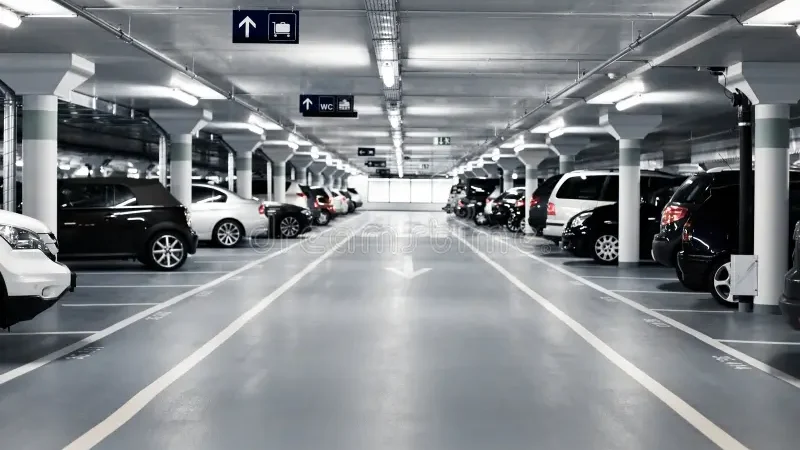
Car Parking Flooring in Pakistan: Best Epoxy, PU & Heavy-Duty Parking Solutions
Car parking flooring is designed to withstand continuous vehicle traffic, tire friction, oil and grease spills, moisture, abrasion, impact and changing weather conditions. The right flooring system can make a parking area safer, cleaner, easier to maintain and more durable.
In Pakistan, parking structures range from enclosed basements and multi-level car parks to rooftop and open-air parking areas. Each environment requires a flooring system selected according to traffic, exposure, concrete condition, drainage and required slip resistance.
The flooring system should not be selected only by price. Concrete condition, moisture, vehicle loading, oil exposure, slip resistance, UV exposure and expected service life all influence the correct specification.
What Is Car Parking Flooring?
Car parking flooring is a protective flooring system installed over concrete surfaces in residential, commercial, industrial and multi-storey parking facilities. It can consist of epoxy, polyurethane, urethane concrete, anti-slip coatings or combinations of different resin systems.
Unlike ordinary decorative flooring, parking floors must withstand repeated tire loads, turning forces, braking, vehicle movement, oil leakage, water, dirt and pedestrian traffic.
A properly specified parking floor also helps create organized parking zones through colour coding, directional markings, pedestrian walkways and designated traffic lanes.
Why Car Parking Flooring Matters
Handles Vehicle Traffic
Parking floors experience repeated vehicle movement, braking, turning and tire friction every day.
Protects Concrete
A suitable coating helps protect concrete from abrasion, staining, chemical contamination and surface deterioration.
Improves Safety
Anti-slip textures can improve traction for vehicles and pedestrians in areas exposed to water, oil or other contaminants.
Resists Oil & Chemicals
Resin flooring can provide protection against common parking-area contaminants such as oil, grease and selected chemicals.
Easy to Clean
Seamless flooring provides a relatively easy-to-clean surface with fewer joints where dirt and liquids can accumulate.
Professional Appearance
Coloured coatings, parking lines and zoning can give the entire facility a cleaner and more organized appearance.
Best Types of Car Parking Flooring in Pakistan
Different parking environments require different flooring systems. The following options are commonly considered for parking projects.
1. Epoxy Parking Flooring
Epoxy flooring is commonly used for basement, indoor and covered parking areas. It creates a seamless surface with good abrasion resistance and can be designed with anti-slip textures.
- Seamless finish
- Good chemical resistance
- Easy cleaning
- Available in multiple colours
- Suitable for indoor parking
2. PU Parking Flooring
Polyurethane flooring can be considered for rooftop and exposed parking areas where UV exposure, weather and thermal movement are important factors.
- Good UV resistance with suitable formulations
- Flexible compared with rigid resin systems
- Suitable for outdoor exposure
- Good abrasion resistance
- Suitable for demanding traffic conditions
3. Urethane Concrete Flooring
Urethane concrete is a heavy-duty option for areas exposed to significant impact, abrasion, chemicals or demanding industrial traffic.
- Heavy-duty performance
- High impact resistance
- Strong chemical resistance
- Suitable for demanding environments
- Can be installed at greater thicknesses
4. Epoxy-PU Hybrid Flooring
A combination of epoxy and polyurethane layers can be specified when both strong adhesion and durability from epoxy and additional surface protection from PU are required.
5. Anti-Slip Epoxy Flooring
Anti-slip aggregate such as quartz or silica can be incorporated into suitable resin flooring systems to improve traction in wet or contaminated areas.
6. Heavy-Duty Parking Coating
High-build and multi-layer systems can be designed for commercial parking structures with frequent traffic and increased abrasion.
Epoxy vs PU Flooring for Car Parking
| Feature | Epoxy Flooring | PU Flooring |
|---|---|---|
| Indoor Parking | Excellent option | Suitable |
| Outdoor Parking | Requires suitable UV protection | Generally better suited |
| UV Resistance | Depends on formulation/topcoat | Good with suitable PU system |
| Chemical Resistance | Good to excellent depending on formulation | Good to excellent depending on formulation |
| Hardness | High | More flexible |
| Decorative Options | Wide range | Wide range |
| Typical Application | Basements and covered parking | Rooftop and exposed parking |
The comparison is general. Actual performance depends on the complete flooring specification, product formulation, substrate and installation conditions.
Best Flooring for Basement Parking
Basement parking areas are generally protected from direct sunlight, but they can experience moisture, water ingress, oil leakage, tire abrasion and heavy vehicle traffic.
Epoxy flooring is commonly considered for basement parking because it can provide a seamless, hard-wearing and easy-to-clean surface.
Epoxy Coating
Suitable for many general residential and commercial basement parking environments.
Anti-Slip Epoxy
Recommended where water, oil or vehicle fluids can create slip hazards.
Heavy-Duty Epoxy
Suitable for higher traffic areas where additional build and abrasion resistance are required.
Epoxy-PU System
Can be considered where additional surface protection and flexibility are required.
Best Flooring for Rooftop Parking
Rooftop parking areas face additional challenges because the flooring is directly exposed to sunlight, rain, temperature changes and weather.
A suitable polyurethane-based system can be considered where UV stability, weather resistance and flexibility are important.
- Use UV-resistant materials where required.
- Provide appropriate drainage and slopes.
- Address cracks and movement joints properly.
- Use suitable waterproofing where required by the structure.
- Provide anti-slip texture in traffic and pedestrian areas.
- Use a compatible protective topcoat.
Car Parking Flooring Requirements
| Requirement | Why It Matters |
|---|---|
| Load Resistance | Parking floors must withstand repeated vehicle loading and tire pressure. |
| Abrasion Resistance | Turning, braking and continuous traffic can wear unsuitable surfaces. |
| Slip Resistance | Water, oil and rain can reduce traction. |
| Chemical Resistance | Oil, grease, fuel and vehicle fluids can stain or damage unsuitable flooring. |
| UV Resistance | Important for exposed and rooftop parking. |
| Moisture Resistance | Important in basements and areas exposed to water ingress. |
| Easy Maintenance | Parking facilities need efficient cleaning and maintenance. |
| Clear Markings | Colour zoning and lines help organize vehicle and pedestrian movement. |
Car Parking Flooring Installation Process
Professional installation is essential for achieving reliable adhesion and long-term performance. The exact sequence depends on the selected flooring system and site conditions.
1. Site Inspection
Inspect the concrete, existing coatings, cracks, moisture, drainage, traffic and areas requiring special treatment.
2. Concrete Repair
Repair cracks, holes, spalling, weak concrete and other substrate defects before coating.
3. Mechanical Preparation
Grinding or shot blasting removes weak material, contamination and unsuitable existing coatings.
4. Moisture Testing
Check the concrete moisture condition and use suitable moisture mitigation where necessary.
5. Primer Application
Apply the manufacturer’s recommended primer to promote reliable adhesion to the prepared substrate.
6. Base Coat
Apply the specified epoxy, PU or other resin flooring body coat.
7. Anti-Slip Treatment
Incorporate suitable aggregate where increased traction is required.
8. Topcoat
Apply the final protective layer for the required colour, chemical, abrasion and UV performance.
9. Parking Markings
Apply parking bays, arrows, pedestrian walkways, safety zones and other markings after the floor has cured sufficiently.
10. Final Inspection
Inspect the completed floor for appearance, adhesion, coverage, texture and other specified requirements.
Concrete Preparation for Parking Flooring
Surface preparation is one of the most important stages of parking-floor installation. Coatings can fail prematurely when applied over weak concrete, oil contamination, dust or unsuitable old coatings.
- Remove Contamination: Eliminate oil, grease, dirt and other contaminants.
- Mechanical Preparation: Grind or shot blast the concrete to achieve the required surface profile.
- Repair Cracks: Treat cracks according to their cause, width and movement characteristics.
- Repair Spalling: Remove weak concrete and repair damaged areas with compatible materials.
- Check Moisture: Test the concrete before applying resin flooring.
- Clean Dust: Vacuum the prepared surface thoroughly before primer application.
- Apply Primer: Use a compatible primer according to the flooring manufacturer’s system.
Anti-Slip Parking Flooring
Vehicle parking areas can become slippery when exposed to rainwater, oil, grease, fuel or cleaning liquids. A properly designed anti-slip surface can improve traction for both vehicles and pedestrians.
Fine Texture
Suitable for areas where easy cleaning is important and contamination risk is relatively controlled.
Medium Texture
A practical option for many commercial parking areas requiring additional traction.
Heavy Texture
Can be considered for areas with significant oil, water or other contamination where greater traction is required.
Parking Floor Markings and Colour Zoning
Parking flooring is not only about the base coating. Proper colour zoning and line marking can help organize traffic and improve visibility throughout the facility.
Parking Bays
Clearly defined spaces make vehicle positioning easier and improve overall parking organization.
Traffic Lanes
Directional arrows and lane markings can guide vehicles through multi-level and commercial parking structures.
Pedestrian Walkways
Contrasting colours can help distinguish pedestrian routes from vehicle movement areas.
Safety Zones
Hazard areas, columns, ramps and restricted zones can be visually identified using appropriate markings.
Common Car Parking Flooring Problems
Cracking
Can result from substrate movement, structural cracking, inadequate preparation or unsuitable repair methods.
Peeling
Poor adhesion may result from contamination, inadequate mechanical preparation or moisture problems.
Blistering
Moisture vapour pressure and unsuitable application conditions can contribute to blistering.
Slippery Surface
Smooth surfaces may become hazardous when exposed to oil, rainwater or vehicle fluids.
Colour Fading
UV exposure can affect unsuitable coatings, particularly in rooftop and open-air parking.
Oil Staining
Inadequate chemical resistance or delayed cleaning can result in staining and surface deterioration.
How to Prevent Parking Floor Failure
- Inspect the concrete before selecting the flooring system.
- Use proper mechanical surface preparation.
- Remove oil and grease contamination completely.
- Perform appropriate moisture testing.
- Repair cracks and damaged concrete before coating.
- Use compatible primer and resin layers.
- Select the correct system thickness for traffic conditions.
- Use anti-slip aggregate where required.
- Choose UV-resistant systems for exposed parking areas.
- Allow the floor to cure according to manufacturer requirements.
- Use compatible cleaning products during maintenance.
- Repair damaged areas before deterioration spreads.
Car Parking Flooring Price in Pakistan
The car parking flooring price in Pakistan depends on the flooring material, project size, concrete condition, preparation requirements, thickness, anti-slip requirements and whether the area is indoor or exposed.
| Flooring System | Indicative Price Range | Typical Application |
|---|---|---|
| Epoxy Parking Flooring | PKR 600 – 1,000 per sq. ft. | Basement and indoor parking |
| PU Parking Flooring | PKR 800 – 1,300 per sq. ft. | Outdoor and rooftop parking |
| Urethane Flooring | PKR 1,000 – 2,000 per sq. ft. | Heavy-duty and industrial parking |
Factors That Affect Car Parking Flooring Cost
Parking Area Size
Larger projects can reduce the installation cost per square foot depending on project conditions.
Concrete Condition
Cracks, spalling, unevenness and contamination increase preparation and repair costs.
Flooring Material
Epoxy, PU and urethane concrete have different material and installation costs.
System Thickness
Higher-build and multi-layer systems generally require more material and labour.
Anti-Slip Finish
Additional aggregate and texture can increase the cost while improving traction.
UV Protection
Outdoor parking may require UV-resistant PU or specialized topcoats.
Car Parking Flooring for Different Applications
Residential Parking
Epoxy or PU coatings can provide a clean, durable and easy-to-maintain surface for residential parking areas.
Commercial Parking
Heavy-duty epoxy and anti-slip systems can be specified for shopping centres, offices and commercial buildings.
Basement Parking
Epoxy systems are commonly considered where UV exposure is limited and resistance to traffic and oil contamination is required.
Multi-Level Parking
Epoxy-PU systems can be designed for ramps, drive lanes, parking decks and high-traffic areas.
Rooftop Parking
PU-based systems can be considered where sunlight, rain and thermal movement are significant.
Industrial Parking
Urethane concrete and heavy-duty resin systems can be selected where trucks, forklifts or industrial equipment create higher loads.
Car Parking Flooring in Pakistan’s Major Cities
Car Parking Flooring in Lahore
Epoxy flooring can be suitable for many basement and covered parking facilities in Lahore, with anti-slip finishes where required.
Car Parking Flooring in Karachi
Humidity, coastal exposure and outdoor conditions should be considered. PU and epoxy-PU systems may be appropriate depending on the project.
Car Parking Flooring in Islamabad
Parking systems should be selected according to indoor or outdoor exposure, vehicle traffic and the condition of the concrete.
Car Parking Flooring Across Pakistan
Climate, substrate moisture, UV exposure and traffic conditions should be evaluated before selecting a flooring system.
Maintenance of Car Parking Flooring
Regular maintenance helps preserve the appearance and performance of parking floors and can reduce the risk of premature deterioration.
- Clean oil and chemical spills as soon as possible.
- Use neutral or manufacturer-approved cleaning products.
- Avoid harsh acids unless specifically approved for the system.
- Remove accumulated dirt and sand regularly.
- Avoid dragging sharp or heavy objects across the floor.
- Inspect high-traffic areas periodically.
- Check ramps and turning areas for excessive wear.
- Repair cracks and damaged sections promptly.
- Maintain drainage systems to prevent standing water.
- Recoat or refurbish wearing areas when required.
Car Parking Flooring Contractors in Pakistan
A professional parking flooring contractor should be able to manage the complete flooring process, from substrate assessment and concrete preparation to resin application, anti-slip finishing and parking line marking.
Site Assessment
Evaluate the existing floor, traffic, moisture, drainage and environmental conditions.
Surface Preparation
Mechanical grinding, shot blasting, cleaning, crack repair and substrate preparation.
Epoxy Flooring
Installation of epoxy systems for indoor and basement parking applications.
PU Flooring
Installation of polyurethane systems for suitable exposed and demanding parking environments.
Anti-Slip Flooring
Textured resin systems designed to improve traction for vehicles and pedestrians.
Parking Line Marking
Professional marking of parking bays, pedestrian routes, arrows, safety zones and traffic lanes.
Floor Refurbishment
Repair and resurfacing services for old, worn or damaged parking floors.
Maintenance
Inspection, localized repairs and recoating solutions to extend flooring service life.
Frequently Asked Questions About Car Parking Flooring
What is the best flooring for car parking areas?
Epoxy is commonly suitable for indoor and basement parking, while PU can be considered for exposed and rooftop areas. Heavy-duty urethane systems may be appropriate for industrial parking with severe loading or chemical exposure.
Is epoxy flooring suitable for basement parking?
Yes. Epoxy is commonly used in basement parking because it provides a seamless, durable and relatively easy-to-clean surface. Moisture conditions must be assessed before installation.
Is PU flooring better than epoxy for outdoor parking?
PU can be advantageous for outdoor parking because suitable polyurethane systems offer good UV and weather resistance and can accommodate thermal movement. The complete system should be selected according to site conditions.
Is car parking epoxy flooring slippery?
A smooth resin floor can become slippery when contaminated with water or oil. Anti-slip aggregate and an appropriate surface texture can be incorporated to improve traction.
Can epoxy parking flooring resist oil and grease?
Suitable epoxy formulations can provide resistance to many oils, greases and vehicle fluids. The exact chemical-resistance requirements should be checked against the flooring manufacturer’s technical data.
Can parking flooring be installed over old concrete?
Yes, provided the existing concrete is structurally suitable and properly prepared. Grinding, cleaning, crack repair, moisture testing and priming are important before applying the new system.
How thick should car parking epoxy flooring be?
Thickness depends on vehicle traffic, substrate condition, chemical exposure and the selected system. Light coating systems and heavy-duty multi-layer systems have different thickness requirements.
How long does car parking flooring last?
Properly designed and installed parking flooring can provide many years of service. Actual service life depends on traffic, exposure, substrate condition, installation quality and maintenance.
How much does car parking flooring cost in Pakistan?
Indicative pricing can range from approximately PKR 600 to PKR 2,000 per square foot depending on whether epoxy, PU or urethane flooring is selected. Actual pricing depends on the complete project specification.
Does parking flooring require concrete preparation?
Yes. Proper mechanical preparation is essential for removing contaminants, creating a suitable surface profile and improving adhesion between the concrete and flooring system.
Can parking floors be waterproofed?
Parking flooring can be incorporated into a broader waterproofing system where required, but resin flooring itself should not automatically be treated as a substitute for structural waterproofing.
What flooring is best for rooftop car parking?
A UV- and weather-resistant polyurethane-based system may be suitable for rooftop parking, provided the substrate, drainage, movement joints and waterproofing requirements are properly addressed.
Need Car Parking Flooring in Pakistan?
Get a durable parking flooring system designed around your vehicle traffic, concrete condition, moisture exposure, chemical requirements, slip resistance and indoor or outdoor environment.
Request a Parking Flooring QuoteRelated Flooring Services
Conclusion
Choosing the right car parking flooring is an important investment in the safety, durability and appearance of a parking facility. Parking floors must handle repeated vehicle movement, tire abrasion, oil spills, moisture, impact and environmental exposure.
Epoxy flooring is a practical choice for many indoor and basement parking applications, while polyurethane systems can provide advantages in exposed and rooftop environments. Urethane concrete and other heavy-duty systems can be considered where loading, impact and chemical exposure are more severe.
The quality of the concrete preparation is just as important as the coating itself. Grinding or shot blasting, crack repair, moisture testing, suitable priming, correct system thickness and proper curing all contribute to long-term performance.
With the right flooring specification, professional installation and regular maintenance, a parking facility can remain durable, safe, clean and visually organized for years.