
Description
Premium PU Coating for Floors, Concrete & Metal
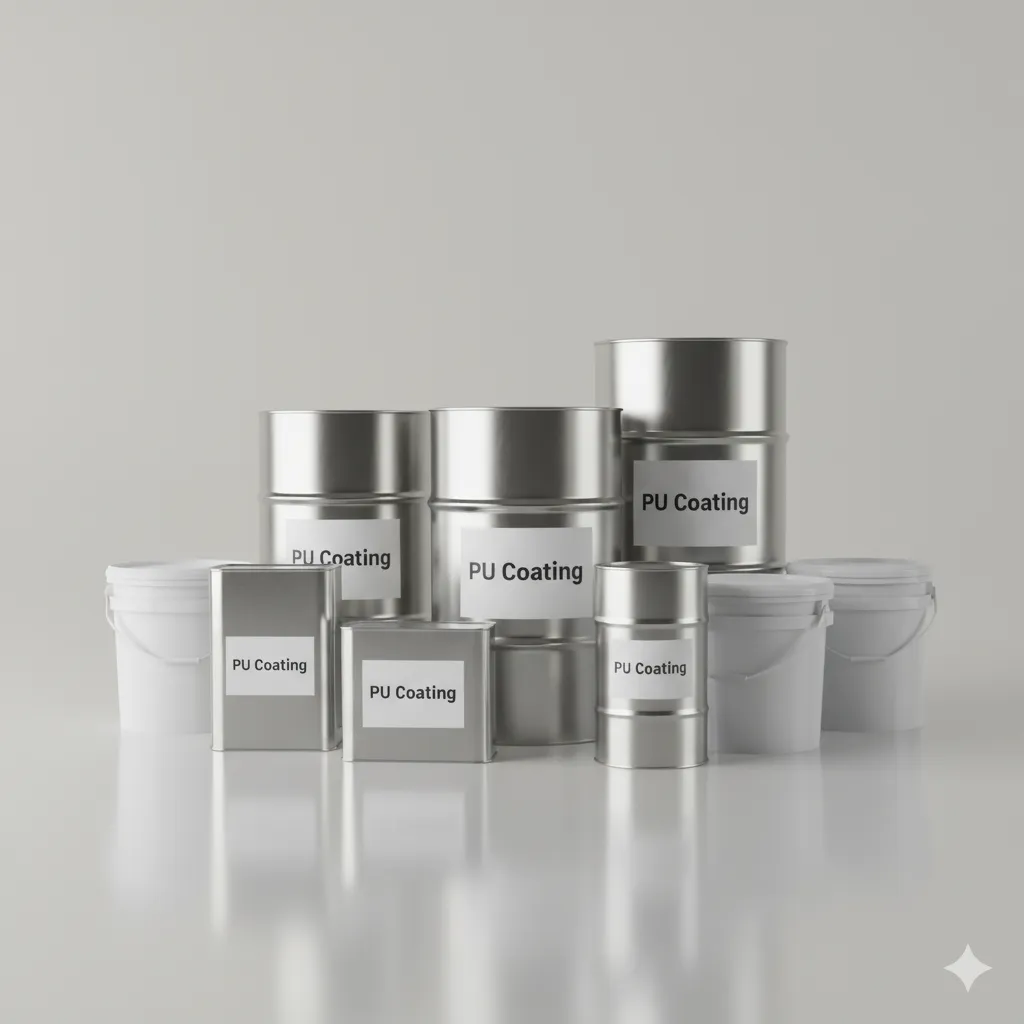
PU coating refers to a polyurethane-based protective coating system that cures to form a durable and flexible surface. Suitable systems can provide abrasion resistance, chemical resistance, weather protection and improved UV performance.
PU Coating System
A polyurethane protective coating designed for selected concrete, flooring, metal, commercial and industrial applications.
What Is PU Coating?
PU coating is defined as a protective coating based on polyurethane chemistry.
It cures to form a continuous protective film. Depending on the formulation, PU coating can provide flexibility, abrasion resistance, chemical resistance, weather protection and an attractive finish.
PU coating can be used on properly prepared concrete, epoxy flooring systems, metal and selected industrial or commercial surfaces. The exact performance depends on the selected product, surface preparation, coating thickness and service conditions.
Inspect
Prepare
Repair
Prime
Coat
Cure
Features of PU Coating
Different PU formulations provide different performance levels. Select the complete system according to actual project requirements.
Flexible Protective Film
Selected PU coatings can provide more flexibility than many rigid coating systems and may accommodate limited substrate movement.
Abrasion Resistance
Suitable industrial PU coatings can resist wear caused by regular foot traffic, wheels and cleaning operations.
UV Performance
Selected aliphatic PU systems are commonly chosen where stronger resistance to UV-related colour and gloss changes is required.
Chemical Resistance
Many PU systems resist selected oils, cleaning chemicals and industrial substances when the correct formulation is selected.
Impact Protection
Suitable PU systems can provide good resistance to mechanical stress and selected impact conditions.
Attractive Finish
PU coating systems may provide smooth, coloured, gloss, semi-gloss, matte or textured finishes depending on the product.
Types of PU Coating
PU Floor Coating
Used on selected industrial, commercial and pedestrian floors where a durable and flexible protective finish is required.
PU Topcoat
A protective finishing layer that can be applied over a compatible base system, including selected epoxy flooring systems.
Aliphatic PU Coating
Commonly selected for projects where UV exposure, colour retention and weather performance are important.
Aromatic PU Coating
Commonly used where prolonged direct UV exposure is less important and the system is designed for indoor or protected conditions.
Water-Based PU Coating
Suitable water-based systems can offer lower odour and lower solvent content for selected indoor applications.
Two-Component PU Coating
Uses separate reactive components that require accurate mixing before application to achieve the required curing and performance.
Where Is PU Coating Used?
Industrial Floors
Suitable for selected manufacturing, production, workshop and industrial areas exposed to regular traffic and cleaning.
Warehouses
Can be used as part of a complete floor system for selected warehouse and logistics environments.
Parking Areas
Selected PU systems may protect suitable parking surfaces exposed to tyres, water, abrasion and selected automotive contaminants.
Commercial Buildings
Suitable for selected showrooms, retail spaces, offices, corridors and commercial service areas.
Concrete Protection
Selected systems can protect properly prepared concrete from specified mechanical and environmental exposure.
Metal & Steel
Suitable PU topcoat systems can provide a protective finish over correctly prepared and primed metal surfaces.
PU Coating vs Epoxy Coating
| Property | PU Coating | Epoxy Coating |
|---|---|---|
| Flexibility | Generally higher | Generally more rigid |
| UV Performance | Strong with suitable aliphatic systems | Standard systems may chalk or change colour |
| Abrasion Resistance | Good to excellent depending on the system | Good to excellent depending on the system |
| Chemical Resistance | Good for selected chemicals | Often selected for industrial chemical exposure |
| Outdoor Use | Suitable with the correct UV-resistant formulation | May require a suitable UV-resistant topcoat |
| Common Role | Protective and finishing layer | Primer, build coat or protective coating |
Advantages of PU Coating
- Selected systems provide good flexibility.
- Suitable formulations provide abrasion resistance.
- Aliphatic PU systems can provide improved UV performance.
- Available in multiple colours and finish options.
- Can create a seamless and easy-to-clean surface.
- Can be used as a compatible protective topcoat over selected epoxy systems.
- Selected systems can resist chemicals, oils and cleaning agents.
Limitations to Consider
Poor preparation can cause coating failure.
Concrete moisture must meet the selected system requirements.
Two-component products require accurate mixing ratios.
Not every PU coating resists every chemical.
Confirm that the selected formulation is suitable for direct sunlight.
How Is PU Coating Applied?
The exact procedure depends on the selected PU system. This process provides a general installation framework.
Inspect the Surface
Check for weak concrete, cracks, oil, old coating failure, contamination and moisture-related issues.
Prepare the Substrate
Use suitable mechanical preparation to remove weak material and create the required surface profile.
Repair Defects
Repair cracks, holes and damaged areas with a compatible repair material before coating.
Apply Primer
Select and apply a primer compatible with the substrate and complete coating system.
Mix the PU System
Follow the specified mixing ratio and thoroughly mix the components within the stated working time.
Apply the Coating
Apply by the approved method at the specified coverage rate and coating thickness.
Add Texture if Required
Use a compatible textured or aggregate system where additional slip resistance is required.
Allow Full Curing
Protect the area and allow sufficient curing before foot traffic, vehicles or chemical exposure.
Important PU Coating Properties
Compare product technical data instead of selecting a coating based on price alone.
| Property | Why It Matters |
|---|---|
| Adhesion | Helps evaluate bond performance with the substrate. |
| Abrasion Resistance | Important for floors exposed to regular traffic and wear. |
| Impact Resistance | Important for industrial areas exposed to mechanical stress. |
| Chemical Resistance | Must match the actual chemicals and service conditions. |
| Elongation | Indicates the flexibility of the coating system. |
| UV Resistance | Important for outdoor and sunlight-exposed surfaces. |
| Film Thickness | Helps determine the protection level and system build. |
| Pot Life | Shows the usable working time after mixing. |
| Recoat Window | Controls compatibility and adhesion between layers. |
| Full Cure Time | Determines when the coating can enter full service. |
PU Coating in Pakistan
Hot Conditions
High temperatures can reduce working time and accelerate curing. Plan mixing quantities according to the actual application conditions.
Humidity & Moisture
Check substrate moisture before installation. Moisture-sensitive systems require conditions that meet product requirements.
Outdoor UV Exposure
Use a formulation designed for the expected sunlight exposure when colour and gloss retention are important.
Example Warehouse Assessment
Medium-Traffic Warehouse PU Protection System
Example system assessment based on substrate condition and expected service exposure.
Commercial Roof and Exposed Concrete Protective Coating
Existing Reinforced Concrete Roof
Sound concrete with minor surface porosity, localized hairline cracks and weathering caused by regular sun and rain exposure
Mechanical cleaning, removal of loose material, dust and contaminants, followed by repair of suitable surface defects and preparation of the concrete before coating application
Compatible Primer
PU Base Coat
PU Protective Topcoat
Approximately 2,500 sq. ft.
1 Primer Coat + 2 PU Coats
Approximately 450 kg
The completed roof achieved a continuous and visually uniform PU protective coating. No significant visible pinholes, missed areas, major blistering or application-related defects were observed during the final inspection.
Common PU Coating Problems
Poor Adhesion
Soft or Sticky Surface
Bubbles or Pinholes
Outdoor Colour Change
Early Wear
Delamination Between Coats
How to Choose the Right PU Coating
Check the Substrate
Identify whether the coating will be applied to concrete, metal, epoxy or another existing surface.
Check the Exposure
Consider foot traffic, vehicle traffic, abrasion, chemicals, water, impact and UV exposure.
Indoor or Outdoor?
Outdoor projects require careful consideration of UV stability, weather exposure and drainage.
Check Flexibility Needs
Consider whether the project requires a coating that can accommodate limited substrate movement.
Consider Slip Resistance
Wet areas, ramps and selected pedestrian surfaces may require a textured or aggregate finish.
Review Technical Data
Check film thickness, adhesion, abrasion resistance, chemical resistance, pot life and full cure time.
How to Maintain PU Coating
Regular cleaning and early repair of damage can help maintain the appearance and performance of the coating.
- Sweep regularly to remove abrasive dirt.
- Clean spills promptly.
- Use cleaning chemicals compatible with the selected coating.
- Inspect high-traffic areas regularly.
- Repair coating damage before contaminants reach the substrate.
- Avoid unnecessary mechanical impact.
Important Maintenance Note
Do not assume that every PU coating resists every cleaner, solvent or chemical. Always confirm compatibility with the selected coating system.
Maintenance requirements can also vary depending on surface texture, traffic and the type of contamination present in the facility.
Specify the Complete System
A successful PU coating project requires more than simply specifying “apply PU coating”.
| Specification Item | Requirement |
|---|---|
| Substrate | Identify concrete, metal, epoxy or other surface. |
| Surface Preparation | Specify the required cleaning and mechanical preparation method. |
| Moisture | Confirm substrate conditions meet product requirements. |
| Primer | Select a compatible primer for the substrate and PU system. |
| Coating Build | Specify required coats and dry film thickness. |
| Slip Resistance | Specify textured or aggregate finish where required. |
| Exposure | Define traffic, chemicals, UV, water and mechanical conditions. |
| Curing | Define walk-on and full return-to-service requirements. |
PU Coating Key Takeaways
PU coating is a versatile protective system, but the correct formulation and complete system design determine project performance.
PU coating can provide durability, flexibility and abrasion resistance.
Selected aliphatic PU systems offer improved UV and colour performance.
Surface preparation is critical for long-term adhesion.
PU and epoxy can work together as part of a compatible multi-layer system.
Check product technical data before selecting a coating.
Select the system according to actual exposure, not price alone.
PU Coating FAQs
PU coating is a polyurethane-based protective coating that cures to form a durable and flexible protective film. Different formulations are available for floors, concrete, metal and other applications.
PU coating is used for industrial floors, commercial surfaces, concrete, epoxy flooring topcoats, metal and selected outdoor applications.
A properly selected and fully cured PU system can provide strong resistance to water and moisture. However, the complete system, film thickness, substrate condition and exposure conditions determine actual performance.
PU coating generally offers greater flexibility and, with suitable aliphatic formulations, stronger UV and colour stability. Epoxy is commonly used where hardness, adhesion, build and industrial chemical performance are important. Compatible epoxy and PU layers are often combined in one system.
Selected PU coatings are suitable for outdoor use. For prolonged sunlight exposure, choose a product specifically designed for the required UV performance.
Yes, a compatible PU topcoat can be applied over a properly prepared epoxy system. Always confirm compatibility and follow the specified recoat window or surface preparation requirements.
Yes, selected PU systems can be applied to properly prepared concrete. The concrete should have adequate strength and meet the product’s moisture requirements.
Selected PU coating systems can be used on prepared metal and steel. Surface preparation and the correct primer are important for long-term adhesion.
Many PU coatings resist selected chemicals. Actual resistance depends on the formulation, chemical concentration, temperature and duration of exposure.
There is no single guaranteed lifespan. Durability depends on product selection, surface preparation, thickness, traffic, chemical exposure, UV exposure and maintenance.
Curing time varies by formulation and environmental conditions. Always check the current Technical Data Sheet for pot life, recoat time, walk-on time and full cure requirements.
Some specialized systems may tolerate specific moisture conditions, while others require a dry or controlled substrate. Check the selected product requirements before application.
UV resistance depends on the formulation. Aliphatic PU systems are commonly selected where stronger UV, colour and gloss retention are required.
A suitable PU system generally provides greater flexibility than a rigid coating, but cracking can still occur if the substrate moves excessively, the system is incorrectly selected or installation conditions are poor.
Smooth PU finishes may become slippery when wet. Areas requiring additional slip resistance should use a properly designed textured or aggregate system.
The price depends on the PU type, system thickness, surface condition, quantity and project requirements. Contact us with your project details for current pricing and bulk rates.
Bulk PU coating supply may be available for contractors, industrial buyers, flooring applicators and larger projects, depending on the product type and required quantity.
Need the Right PU Coating System?
Share your project details, substrate type, area, expected traffic and exposure conditions to select a suitable PU coating system.
- Product selection support
- Industrial and commercial applications
- Bulk quantity requirements
- System and coating guidance
Reviews
There are no reviews yet.