
Description
Epoxy Resin Chemical in Pakistan
High-performance epoxy resin chemical for flooring, coatings, waterproofing, adhesives, composite applications and industrial projects. Select the correct resin system according to your application, curing requirements and service conditions.
Epoxy Resin Chemical
A versatile epoxy-based material designed for use with a compatible hardener to create durable cured systems.
What Is Epoxy Resin Chemical?
Epoxy resin chemical is defined as a reactive resin material that cures when combined with a compatible hardener. The mixed system undergoes a chemical reaction and forms a solid, durable material. Manufacturers use different resin formulations for flooring, protective coatings, adhesives, waterproofing, composites and other industrial applications.
However, epoxy resin alone does not define the final performance of the system. The hardener, mixing ratio, fillers, additives, coating thickness and curing conditions also affect the final result.
Resin
Hardener
Accurate Mixing
Application
Chemical Reaction
Curing
How Does Epoxy Resin Work?
Epoxy resin usually works as part of a multi-component chemical system. The resin is mixed with the specified curing agent or hardener.
After mixing, the materials begin to react. The liquid mixture gradually changes into a cured solid. The curing process creates a cross-linked structure that gives the material its strength and other performance properties.
Epoxy curing refers to the chemical process that converts the mixed liquid resin system into a solid material. Temperature, mixing accuracy and product formulation can affect this process.
Despite the strong reputation of epoxy materials, poor mixing or incorrect curing can significantly reduce performance. Always follow the selected product’s. Technical Data Sheet.
Key Epoxy Resin Terms
Epoxy resin refers to the reactive resin component used to create the base of an epoxy system.
A hardener is defined as the compatible curing component that reacts with the epoxy resin.
Pot life refers to the usable working time of the mixed material before it becomes unsuitable for application.
Curing refers to the chemical process through which the epoxy system develops its final solid properties.
Mixing ratio refers to the specified proportion of resin and hardener required for correct curing.
Key Features of Epoxy Resin Chemical
Actual properties depend on the selected resin formulation and complete system.
Strong Adhesion
Selected epoxy systems can create strong bonding with properly prepared compatible surfaces.
Durable Cured Material
After correct curing, epoxy can form a hard and durable material suitable for selected applications.
Chemical Resistance
Some formulations provide resistance to selected chemicals and industrial substances.
Low Shrinkage
Many epoxy systems show relatively low shrinkage during curing compared with some alternative materials.
Versatile Formulation
Manufacturers can formulate epoxy systems for coatings, adhesives, flooring, casting and composite uses.
Industrial Performance
The correct system can support demanding commercial and industrial service conditions.
Where Is Epoxy Resin Chemical Used?
Select the resin grade and complete system according to the specific project requirements.
Epoxy Flooring
Epoxy resin can be used as part of industrial, commercial and decorative epoxy flooring systems.
Protective Coatings
Suitable formulations can support protective coating systems for concrete, steel and industrial surfaces.
Epoxy Waterproofing Systems
Selected epoxy systems can provide water-resistant protective layers on suitable prepared surfaces.
Industrial Adhesives
Epoxy resin systems can be formulated for strong bonding applications and structural adhesive uses.
Concrete Repair
Selected epoxy materials can be used in compatible concrete repair, crack injection and bonding systems.
Composite Manufacturing
Epoxy resin can be used with suitable reinforcement materials for selected composite applications.
Typical Product Specifications
Confirm all actual values with the current Technical Data Sheet for the selected epoxy resin.
| Property | Typical Information |
|---|---|
| Product Type | Epoxy resin chemical system |
| Main Components | Epoxy resin with compatible hardener or curing system |
| Main Applications | Flooring, coatings, adhesives, waterproofing, repairs and industrial applications |
| Mixing Ratio | Product-specific |
| Pot Life | Depends on formulation and environmental temperature |
| Cure Time | Depends on formulation, temperature and service conditions |
| Viscosity | Product-specific |
| Colour | Product-specific |
| Chemical Resistance | Depends on cured formulation and chemical exposure |
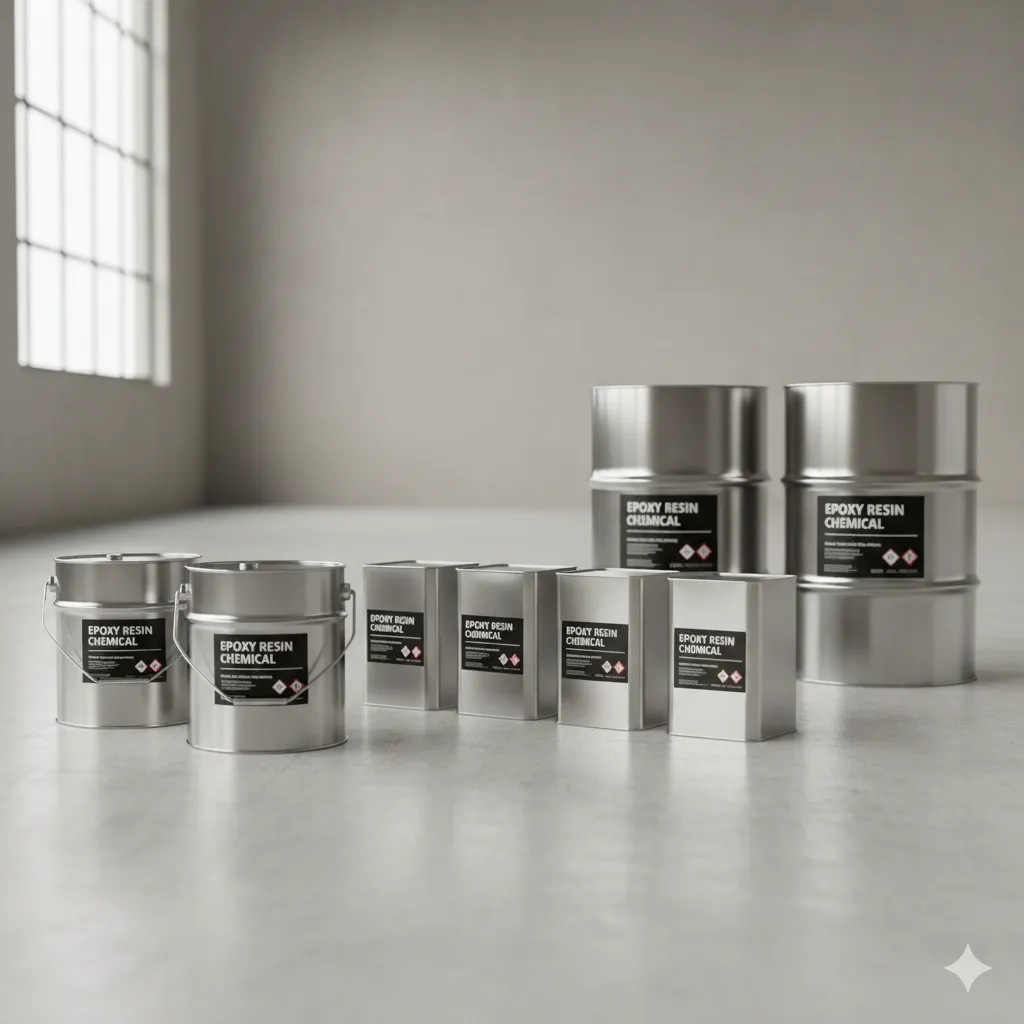
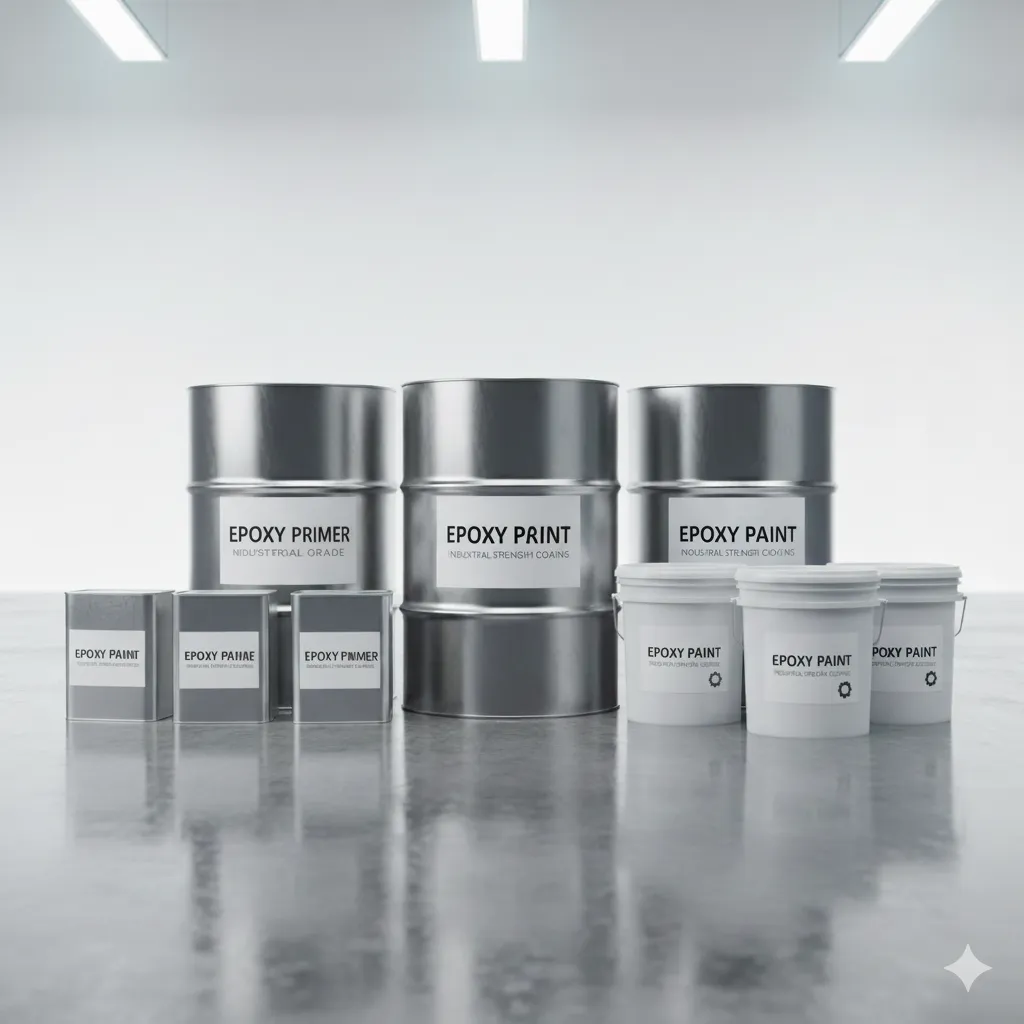
| Packaging | Tins, buckets, drums or bulk packaging depending on product availability |
How to Use Epoxy Resin Chemical
The exact process changes according to the product and application.
Check the Product
Confirm that the resin and hardener are suitable for the intended application.
Prepare the Surface
Remove dust, oil, weak material and other contamination where surface application is required.
Measure Components
Use the exact resin-to-hardener ratio specified by the manufacturer.
Mix Thoroughly
Mix the components thoroughly according to the product instructions.
Apply Within Pot Life
Use the mixed material before the specified working time expires.
Allow Correct Curing
Protect the material and allow the required curing time before service.
Common Application Mistakes
Incorrect Mixing Ratio
Wrong proportions can cause poor curing and reduced material performance.
Solution: Follow the exact manufacturer mixing ratio.
Incomplete Mixing
Poor mixing can leave parts of the system improperly reacted.
Solution: Mix thoroughly according to product instructions.
Ignoring Pot Life
The material can become unsuitable after its working time expires.
Solution: Mix only the quantity you can apply within the stated pot life.
Poor Surface Preparation
Dust, oil and weak material can reduce bonding.
Solution: Prepare the substrate correctly before application.
Incorrect Temperature Conditions
Temperature can change viscosity, working time and curing speed.
Solution: Apply within the product’s recommended temperature range.
Using an Unsuitable System
One epoxy resin does not suit every flooring, coating or adhesive application.
Solution: Select the resin formulation for the actual project requirements.
Epoxy Resin Chemical in Pakistan’s Climate
High Temperatures
High temperatures can reduce working time and accelerate curing. Plan mixing and application accordingly.
Humidity
Humidity and substrate moisture can affect selected epoxy applications. Check product requirements before use.
Industrial Exposure
Oils, chemicals, water and mechanical traffic may require a specially selected epoxy formulation.
How to Choose the Right Epoxy Resin
What Is the Application?
- Epoxy flooring
- Protective coating
- Waterproofing
- Adhesive
- Concrete repair
- Composite application
What Conditions Will It Face?
- Chemical exposure
- Water exposure
- Industrial traffic
- Mechanical stress
- Indoor or outdoor use
- Temperature conditions
What Properties Are Required?
- Low or high viscosity
- Fast or slow curing
- High chemical resistance
- Strong adhesion
- Specific hardness
- Required working time
What Information Should You Provide?
- Application type
- Required quantity
- Project area
- Surface or material type
- Expected service conditions
- Project location
Epoxy Resin Chemical Case Study
Publish actual and documented project information to demonstrate real product experience.
Epoxy Resin Chemical Application
Actual project information should be inserted below.
Industrial Concrete Floor Repair and Protective Resin Application
Kot Lakhpat Industrial Area, Lahore, Punjab, Pakistan
July 2026
Concrete crack repair, surface sealing and protective resin treatment
Approximately 1,200 sq. ft.
Reinforced Concrete
Mechanical cleaning, removal of loose material, dust extraction and crack preparation before resin application
Two-Component Epoxy Resin System
Mixed according to applicable manufacturer’s specified ratio
Crack filling, brush application and roller application according to the treatment area
Allowed to cure under dry conditions at approximately 28–32°C and protected from water, dust and heavy traffic during the required curing period.
The treated concrete areas achieved continuous resin coverage and satisfactory filling of prepared minor cracks. No significant visible defects, uncured areas or application-related failures were observed during the final inspection.
Epoxy Resin Chemical Price in Pakistan
Epoxy resin prices vary according to the formulation and project requirements.
What Affects the Price?
- Resin formulation
- Required quantity
- Packaging size
- Hardener and complete system requirements
- Application type
- Technical specifications
- Project quantity
- Delivery location
Available Supply Options
Packaging may be available in different sizes depending on the selected product and order quantity.
Important Things to Remember
Epoxy Resin Chemical FAQs
Epoxy resin chemical is defined as a reactive polymer material that usually requires mixing with a compatible hardener. The mixed system cures and forms a hard, durable material with strong adhesion and chemical resistance.
Epoxy resin is used in epoxy flooring, protective coatings, waterproofing systems, adhesives, concrete repair, industrial applications, electrical components and composite materials. The correct use depends on the resin formulation and compatible hardener.
Epoxy resin works through a chemical curing reaction. When the resin is mixed with the correct hardener at the specified ratio, the components react and form a cross-linked solid material. Temperature and formulation can affect the working time and curing process.
A properly selected and fully cured epoxy resin system can provide strong resistance to water and moisture. However, performance depends on the formulation, surface preparation, application thickness and actual service conditions.
Many epoxy resin systems provide good resistance to selected chemicals. However, chemical resistance varies by formulation, concentration, temperature and exposure duration. Always check the selected product’s Technical Data Sheet before using it in a chemical environment.
Yes, suitable epoxy resin systems are widely used for industrial, commercial and selected residential flooring applications. A complete flooring system may include surface preparation, primer, epoxy base coats and compatible topcoats.
Yes, selected epoxy resin systems can be applied to properly prepared concrete. The concrete should have adequate strength and the surface must be free from loose material, dust, oil and other contamination. Moisture conditions should also meet the selected product requirements.
Epoxy resin refers to the main reactive resin component, while the hardener is the curing component that reacts with it. Both parts must usually be mixed at the correct ratio. Incorrect mixing can cause poor curing and reduced performance.
Incorrect mixing can cause incomplete curing, a soft or sticky surface, reduced strength, poor adhesion and premature failure. Always follow the manufacturer’s specified mixing ratio and mixing procedure.
Epoxy resin curing time depends on the formulation, temperature, humidity, layer thickness and hardener type. Some systems cure faster than others. Always check the current Technical Data Sheet for handling, recoat and full cure times.
Some epoxy systems can be used outdoors. However, despite their strong mechanical and chemical performance, many standard epoxy products may chalk or change colour during prolonged UV exposure. A compatible UV-resistant topcoat may be required for outdoor applications.
Yes, suitable epoxy resin and epoxy coating systems can be used on properly prepared steel and metal surfaces. Surface preparation is important because rust, oil, grease and loose material can reduce adhesion and affect long-term performance.
Some specialised epoxy products may tolerate damp substrates, while other systems require dry or controlled moisture conditions. Check the specific product requirements before application because excess moisture can affect adhesion and curing.
The shelf life depends on the specific resin, hardener, packaging and storage conditions. Store the product according to the manufacturer’s instructions and check the product label or Technical Data Sheet for the specified shelf life.
The epoxy resin chemical price in Pakistan depends on the resin type, formulation, packaging size, quantity, hardener system and intended application. Bulk requirements and project specifications can also affect the final price.
Bulk epoxy resin supply may be available for contractors, flooring applicators, coating companies, manufacturers and industrial buyers, depending on the required resin type and order quantity.
Choose the resin based on its intended application, substrate, required strength, chemical exposure, moisture conditions, working time and curing requirements. However, price alone should not determine product selection. The complete resin and hardener system should match the actual project conditions.
Looking for Epoxy Resin Chemical in Pakistan?
Send your application details, required quantity and project requirements.
We can help you identify suitable product options and provide information
about current pricing and bulk supply.
- Epoxy flooring applications
- Protective coating systems
- Waterproofing requirements
- Industrial and commercial projects
- Bulk and contractor quantities
Request a Quote
Additional information
| Packaging | 1.5 KG |
|---|---|
| Resin | 1 KG |
| Hardener | 1/2 KG |
Reviews
There are no reviews yet.