Description
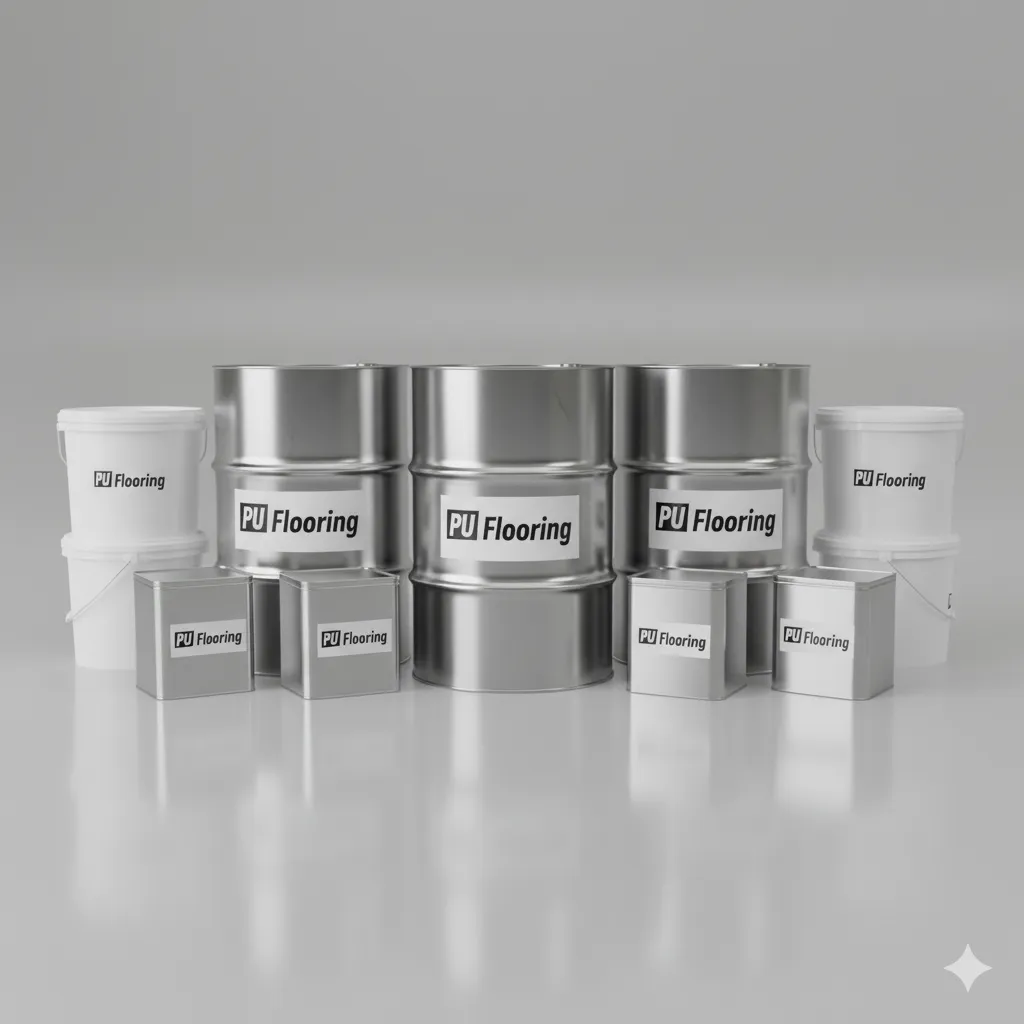
Professional PU Flooring Systems
PU flooring is a seamless polyurethane-based flooring system designed for industrial, commercial and selected specialist applications. The correct system can provide durability, flexibility, abrasion resistance and a smooth continuous finish.
PU Flooring System
A complete polyurethane flooring system may include surface preparation,
primer, base coats, body coats and a compatible finishing layer.
What Is PU Flooring?
PU flooring is defined as a flooring system that uses polyurethane resin-based materials to form a continuous protective surface over a properly prepared substrate. The system normally uses several compatible layers. Depending on the project, these may include surface preparation, moisture-control treatment, primer, polyurethane body coats and a final topcoat.
PU flooring is not one single product. Different systems provide different levels of flexibility, hardness, abrasion resistance, chemical resistance and surface comfort. Therefore, the correct system should match the actual conditions of the project.
Inspect
Prepare
Repair
Prime
Apply PU
Cure
PU Flooring At a Glance
The actual performance of a PU floor depends on the selected formulation and complete system design.
| Property | PU Flooring |
|---|---|
| Main Binder | Polyurethane resin |
| Surface Type | Seamless and continuous |
| Flexibility | Generally higher than standard rigid epoxy systems |
| Abrasion Resistance | Depends on the selected formulation and system |
| Chemical Resistance | Depends on the chemical and selected PU system |
| Water Resistance | Depends on the complete flooring system |
| Finish Options | Gloss, satin, matt, smooth or textured |
| Typical Substrate | Properly prepared concrete and approved surfaces |
| UV Performance | Depends on the selected PU formulation and topcoat |
| Maintenance | Requires regular cleaning and periodic inspection |
Why Choose PU Flooring?
A properly selected polyurethane flooring system can provide several useful performance benefits.
Seamless Surface
PU flooring creates a continuous surface with fewer joints than many tile-based flooring systems. This can simplify routine cleaning.
Better Flexibility
Selected PU systems can tolerate more movement than standard rigid epoxy coatings. However, flexibility varies between products.
Abrasion Resistance
Suitable systems can resist wear from expected foot traffic and wheeled equipment. Performance depends on the system specification.
Comfort Options
Some polyurethane systems can create a more resilient surface than hard, rigid industrial coatings.
Multiple Finishes
Systems can provide gloss, satin, matt, smooth, textured and selected slip-resistant finishes.
UV-Resistant Options
Selected aliphatic polyurethane topcoats can provide improved colour and gloss retention in suitable exposed applications.
Where Is PU Flooring Used?
PU flooring systems can be selected for different environments when the material matches the actual traffic, substrate and exposure conditions.
Industrial Areas
Suitable systems can be used in factories, production areas and workshops where the expected mechanical and chemical exposure matches the flooring specification.
Commercial Buildings
PU flooring can provide a seamless finish for offices, retail spaces, showrooms, corridors and selected commercial interiors.
Warehouses
Suitable PU systems may be used in warehouses. Forklift traffic requires system selection based on loads, wheels, traffic frequency and concrete condition.
Processing Areas
Selected PU and polyurethane-cement systems are used in demanding processing environments where temperature, cleaning and chemical exposure require special consideration.
Healthcare Areas
Seamless flooring can reduce the number of joints and support routine cleaning. Specific hygiene and slip-resistance requirements should also be considered.
Laboratories
Laboratories may require resistance to specific chemicals. Always check the actual chemical compatibility before selecting a flooring system.
PU Flooring vs Epoxy Flooring
Both are resin-based flooring systems. However, they have different physical characteristics.
| Feature | PU Flooring | Epoxy Flooring |
|---|---|---|
| Flexibility | Generally higher | Generally more rigid |
| Surface Feel | Can be more resilient | Usually harder |
| UV Performance | Selected aliphatic systems can provide better UV stability | Many standard epoxy systems may chalk or change colour |
| Movement Tolerance | Selected systems can tolerate more movement | Standard rigid systems have limited tolerance |
| Chemical Resistance | Depends on formulation | Often strong against selected industrial chemicals |
| Decorative Options | Wide range available | Wide range available |
Neither PU nor epoxy is automatically better. The correct flooring system depends on the actual substrate, expected movement, traffic, chemical exposure, UV exposure and required finish.
Benefits of PU Flooring
- Seamless and continuous surface
- Flexible system options
- Suitable abrasion resistance
- Multiple gloss and texture options
- Selected systems offer improved resilience
- Selected topcoats offer improved UV performance
- Can simplify routine cleaning
Important Considerations
Poor concrete preparation can reduce adhesion and affect the service life of the system.
Excess substrate moisture can cause defects in systems not designed for those conditions.
One PU system does not resist every chemical. Compatibility should be checked.
UV resistance varies by polyurethane formulation and topcoat selection.
PU Flooring System Components
A professional PU floor normally works as a complete system rather than a single coating layer.
Surface Preparation
The substrate should have sufficient strength and must be free from loose material, dust, oil, grease and other contaminants.
- Diamond grinding
- Shot blasting
- Scarifying where suitable
- Other approved mechanical methods
Primer, Body Coat & Topcoat
The primer supports adhesion. The body coats build the required flooring thickness. The topcoat provides the final appearance and selected surface properties.
- Compatible primer selection
- PU base or body layers
- Required build thickness
- Compatible finishing coat
Typical PU Flooring Installation Process
The exact procedure depends on the selected product and project specification.
Inspect the Substrate
Check concrete strength, cracks, contamination, flatness and moisture conditions.
Prepare the Surface
Remove weak material and create the surface profile required by the flooring system.
Repair Defects
Repair suitable cracks, holes and damaged concrete areas before flooring installation.
Check Moisture
Confirm that the substrate meets the moisture requirements of the selected system.
Apply the System
Apply compatible primer and PU layers according to mixing, thickness and recoat requirements.
Allow Full Curing
Protect the floor until the system reaches the required curing stage for service exposure.
PU Flooring and Installation Conditions
Temperature and humidity can change application and curing conditions. Monitor actual site conditions.
High Temperature
High temperatures can shorten the working time of some PU products. Follow the selected product’s application requirements.
Humidity
High humidity can affect selected systems and curing conditions. Check ambient conditions before and during application.
Substrate Moisture
Concrete moisture should meet the requirements of the selected PU system before installation begins.
Commercial Production Area Floor Upgrade
Project Assessment
Sound concrete with localized wear, minor surface damage and abrasion caused by regular industrial use
The project required a seamless floor that could support routine cleaning and expected daily traffic. The installation team prepared the concrete mechanically and repaired suitable surface defects before applying the selected flooring system.
Mechanical grinding, removal of weak concrete and contaminants, localized repair of defects and industrial vacuum cleaning
Surface Preparation + Compatible PU Primer + PU Base Layer + PU Flooring Topcoat
Squeegee and trowel application, followed by spike rolling where required by the selected flooring system
Approximately 4,000 sq. ft.
1 Primer Coat + PU Base Layer + PU Topcoat
Approximately 3–4 mm total system thickness, subject to the selected PU flooring system and project requirements
Approximately 29°C during application
Approximately 1,850 kg
The completed PU flooring system achieved a seamless and visually uniform surface. No significant visible pinholes, major uneven areas, peeling or application-related defects were observed during the final inspection.
Standards and Project Requirements
Flooring projects may use recognised test methods depending on the product and application.
ASTM International
ASTM standards include test methods relevant to materials, concrete substrates, bond strength and other flooring performance requirements.
ISO Standards
ISO standards may provide relevant testing and quality references depending on the flooring product and intended application.
EN Standards
EN standards can include requirements and test methods relevant to flooring, slip resistance and other performance characteristics.
Applicable standards and test requirements depend on the specific product, project, application and local requirements.
Common PU Flooring Mistakes
Weak Concrete
Problem: The substrate may fail below the flooring system.
Solution: Assess the concrete before installation.
Ignoring Moisture
Problem: Excess moisture can affect adhesion and curing.
Solution: Test moisture against product requirements.
Wrong System
Problem: The floor may not match actual traffic or exposure.
Solution: Select the complete system for the project.
Incorrect Mixing
Problem: Poor mixing can cause incomplete curing.
Solution: Follow the specified mixing ratio exactly.
Wrong Temperature
Problem: Temperature can affect pot life and curing.
Solution: Follow the current Technical Data Sheet.
Early Traffic
Problem: Traffic can damage a partially cured floor.
Solution: Allow the required curing period.
How to Choose the Right PU Flooring System
Check the Substrate
Identify the existing surface and check concrete strength, defects, contamination and moisture conditions.
Assess Traffic
Consider pedestrians, trolleys, forklifts, machinery, impact and the frequency of traffic.
Identify Chemicals
Where chemicals contact the floor, identify the chemical type, concentration, temperature and duration of exposure.
Consider UV Exposure
Exposed areas may require a suitable UV-resistant polyurethane finishing system.
Check Slip Resistance
Select the surface texture according to actual safety, cleaning and operational requirements.
Consider Return to Service
Curing requirements should match the project’s required installation and operational schedule.
PU Flooring Buying Checklist
| Question | Why It Matters |
|---|---|
| What substrate is present? | Determines preparation and primer requirements. |
| Is the concrete sound? | Weak concrete can cause flooring failure. |
| What is the moisture condition? | Affects system selection and adhesion. |
| What traffic is expected? | Determines required mechanical performance. |
| Are chemicals present? | Chemical compatibility must be checked. |
| Is the area exposed to sunlight? | May require a suitable UV-resistant system. |
| Is slip resistance required? | Helps determine the required surface texture. |
| What finish is required? | Influences product and topcoat selection. |
PU Flooring Cost in Pakistan
PU flooring prices depend on the complete flooring specification. Comparing only the material price per kilogram can give an incomplete picture.
- Project area
- Substrate condition
- Surface preparation
- Crack and defect repairs
- Moisture-control requirements
- PU flooring system type
- Required thickness
- Number of coats
- Topcoat and finish
- Project location and quantity
Why System Cost Matters
A lower-priced material may require additional preparation, primers,
extra coats or earlier maintenance.
Therefore, the most useful comparison considers the
complete installed PU flooring system.
PU Flooring FAQs
Answers to common questions about polyurethane flooring systems.
PU flooring refers to a seamless flooring system made with polyurethane-based materials. It is installed over a properly prepared substrate and can provide different levels of flexibility, durability, abrasion resistance and chemical resistance depending on the selected system.
Neither system is automatically better. PU flooring generally offers greater flexibility, while epoxy systems are often more rigid. The correct choice depends on the substrate, expected movement, traffic, chemical exposure, UV exposure and required finish.
A properly selected and installed PU flooring system can provide strong resistance to water and moisture. However, performance depends on the formulation, application quality, coating thickness and service conditions.
Some PU systems can be used outdoors. The selected system should provide suitable UV resistance. Aliphatic polyurethane topcoats are commonly selected where improved colour and gloss retention under sunlight is required.
Yes, many PU flooring systems provide more flexibility than standard rigid epoxy flooring. However, flexibility varies by formulation, and PU flooring should not replace structural crack repair.
Yes, suitable PU systems can be applied over properly prepared concrete. The concrete should have adequate strength and should be free from loose material, dust, oil, grease and other contamination. Moisture conditions must also meet the selected system requirements.
There is no single guaranteed lifespan. Service life depends on the system type, surface preparation, traffic, abrasion, impact, chemicals, UV exposure, maintenance and installation quality.
Selected PU flooring systems can resist specific chemicals. However, resistance varies according to the formulation, chemical type, concentration, temperature and duration of exposure. Chemical compatibility should always be checked before selection.
Yes, suitable PU flooring systems can be used in factories and industrial areas. The system should match the expected traffic, machinery loads, impact, chemicals, temperature and cleaning conditions.
Suitable industrial PU flooring systems may be designed for forklift traffic. The specification should consider wheel type, wheel load, traffic frequency, turning points, concrete condition and required thickness.
A suitable PU system can provide more flexibility than a rigid coating. However, severe substrate movement or structural cracks can still damage the flooring system. Active cracks should be assessed and repaired appropriately before installation.
Curing time depends on the product formulation, temperature, humidity, layer thickness and application conditions. Always follow the current Technical Data Sheet for handling, recoating and full-service curing times.
Some specialised systems may tolerate controlled moisture conditions, while others require a dry substrate. The selected product requirements should always be checked before application.
The seamless surface can make routine cleaning easier because it has fewer joints than many tile systems. However, the cleaning method should match the selected PU finish and the actual contamination in the facility.
PU flooring prices depend on the project area, substrate condition, surface preparation, system type, thickness, number of coats, finish, quantity and project requirements. A project-specific quotation provides a more accurate cost.
PU flooring systems may be supplied for industrial, commercial, warehouse and other suitable projects, depending on the required system specification and project conditions.
Key PU Flooring Takeaways
The best result comes from matching the complete flooring system to the actual project conditions.
Need the Right PU Flooring System for Your Project?
Share your project area, substrate condition, expected traffic,
chemical exposure and required finish to select a suitable PU flooring system.
Project Information
Reviews
There are no reviews yet.