EPDM Flooring in Pakistan – Complete Guide to EPDM Rubber Sports & Playground Flooring
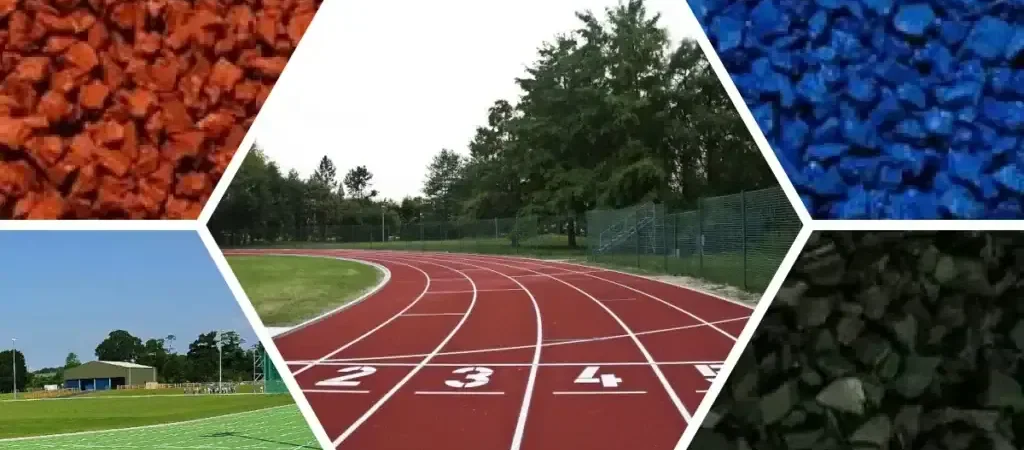
EPDM flooring is a durable, colourful and shock-absorbent rubber flooring solution used for playgrounds, kids’ play areas, jogging tracks, sports facilities, parks, schools and outdoor recreational spaces. Its flexibility, weather resistance and slip-resistant surface make it a popular choice for modern flooring projects.
The demand for EPDM flooring in Pakistan is increasing as schools, parks, housing societies, sports complexes and commercial developments look for safer and longer-lasting outdoor flooring systems.
A professionally installed EPDM floor can provide cushioning, weather resistance, attractive colour options and a comfortable walking or running surface. However, the final performance depends on the quality of EPDM granules, binder, base preparation, drainage and installation workmanship.
What Is EPDM Flooring?
EPDM stands for Ethylene Propylene Diene Monomer. It is a synthetic rubber material used in a wide range of outdoor and sports flooring applications.
EPDM flooring is commonly manufactured or installed using coloured rubber granules mixed with a polyurethane binder. The mixture is spread and finished to create a seamless or near-seamless rubber surface.
Depending on the flooring system, EPDM may be installed as a full EPDM layer or as a top layer over an SBR rubber cushioning base. The correct construction depends on the required thickness, application, budget and safety requirements.
EPDM Granules
Coloured synthetic rubber granules used to create a durable and visually attractive flooring surface.
PU Binder
A compatible polyurethane binder is used to bond the rubber granules together.
SBR Base Layer
Selected systems may use an SBR rubber layer below the EPDM surface to provide additional cushioning and reduce cost.
Prepared Base
A stable concrete, asphalt or suitable prepared base helps support long-term flooring performance.
Where Is EPDM Flooring Used?
EPDM rubber flooring is suitable for a wide range of indoor and outdoor applications, particularly where comfort, safety, weather resistance and a colourful appearance are important.
Playground Flooring
EPDM provides a soft and cushioned surface for schools, parks and children’s recreational areas.
Kids Play Areas
A seamless rubber surface can improve comfort and provide a more impact-resistant flooring option.
Jogging Tracks
Rubberised EPDM systems can provide a more comfortable surface for walking and recreational jogging.
Running Tracks
EPDM may be used in selected athletic and synthetic track systems depending on performance requirements.
Sports Facilities
Suitable EPDM systems can be considered for multipurpose sports and recreational flooring applications.
Parks & Recreation Areas
EPDM creates colourful and durable outdoor surfaces for public parks and recreational developments.
Schools & Nurseries
Schools and childcare facilities can use EPDM flooring in play zones and outdoor activity areas.
Outdoor Safety Areas
Rubber flooring can be used around recreational equipment and other areas requiring a more cushioned surface.
Benefits of EPDM Flooring
Shock Absorption
Rubber-based flooring can provide cushioning compared with hard concrete and tile surfaces.
Slip Resistance
The textured rubber surface can provide improved traction for walking, running and recreational activities.
Weather Resistance
Quality EPDM materials are suitable for outdoor exposure when the complete flooring system is correctly installed.
UV Resistance
Quality UV-stabilised EPDM can provide better resistance to sunlight and help maintain long-term colour performance.
Colour Options
EPDM granules are available in different colours, allowing customised patterns, borders and playground designs.
Comfortable Surface
The flexible rubber construction creates a more comfortable surface for walking and recreational activities.
Seamless Appearance
Professionally installed wet-pour systems can create a smooth and visually continuous flooring finish.
Low Maintenance
Regular cleaning and inspections can help maintain the surface without complex day-to-day maintenance.
Types of EPDM Flooring Systems
EPDM flooring systems can be selected according to the required application, budget, thickness and level of impact protection.
Full EPDM Flooring
A system using EPDM rubber throughout the required flooring thickness for applications requiring premium rubber material.
EPDM + SBR Wet Pour Flooring
A multi-layer system using an SBR cushioning base with an EPDM coloured top layer.
EPDM Playground Flooring
Designed for children’s play areas where a cushioned, colourful and comfortable surface is required.
EPDM Sports Flooring
Used for selected sports, jogging and recreational applications requiring a rubberised flooring system.
EPDM vs SBR Rubber Flooring
| Feature | EPDM Rubber | SBR Rubber |
|---|---|---|
| Typical Use | Top surface and premium outdoor applications | Base and cushioning layers |
| Colour Options | Wide range of colours | Usually black |
| UV Resistance | Quality UV-stabilised grades are suitable for outdoor use | Performance depends on the material and system design |
| Cost | Generally higher-quality material option | Generally more economical |
| Common Role | Visible decorative and durable surface | Cushioning and economical base layer |
Many wet-pour flooring systems combine both materials by using SBR underneath for cushioning and EPDM on the top for colour, weather resistance and surface durability.
EPDM Flooring Price in Pakistan
The EPDM flooring price in Pakistan depends on the selected system, EPDM granule quality, thickness, installation area, base condition, colour design and project location.
Small customised projects may have a higher per-square-metre cost because mobilisation, surface preparation and installation equipment are spread across a smaller area. Larger projects may have different pricing depending on material quantities and construction scope.
Factors Affecting EPDM Flooring Cost
- EPDM granule quality and grade.
- EPDM granule colour and design requirements.
- Total flooring thickness.
- Use of an SBR rubber base layer.
- Polyurethane binder requirements.
- Existing concrete or asphalt condition.
- Surface repairs and preparation.
- Total project area.
- Custom patterns, logos and colour combinations.
- Project location and transportation requirements.
What Thickness Is Best for EPDM Flooring?
The required EPDM flooring thickness depends on the intended use and the level of cushioning required. A decorative walking surface and a playground safety surface may require very different system designs.
| Application | Thickness Consideration |
|---|---|
| Walkways & Light Recreation | System thickness selected according to traffic and base conditions |
| Jogging Tracks | Selected according to comfort and expected level of use |
| Sports Areas | Depends on the sport and required flooring performance |
| Kids Play Areas | Should be designed according to equipment and required impact protection |
For playground projects, thickness should be selected according to the complete safety design and the expected fall height of the play equipment rather than choosing a standard thickness for every area.
EPDM Flooring Installation Process
Professional installation is essential because the appearance, adhesion and durability of EPDM flooring depend heavily on surface preparation and correct material application.
- Site Inspection: Measure the area and inspect the existing base, levels, drainage and surface condition.
- Surface Preparation: Clean the base and repair cracks, damaged areas or defects where required.
- Base Construction: Prepare or construct a suitable concrete, asphalt or approved substrate for the selected EPDM system.
- Primer Application: Apply a compatible primer when required to improve bonding between the substrate and flooring system.
- SBR Base Layer: Install the SBR rubber cushioning layer where included in the specified flooring system.
- EPDM Granule Mixing: Mix EPDM granules with the specified polyurethane binder in the correct proportions.
- Spreading & Levelling: Spread the material uniformly and level it to the required thickness and finish.
- Compaction & Finishing: Finish the surface carefully to create a consistent appearance and stable rubber flooring layer.
- Curing: Allow the flooring to cure according to the material manufacturer’s requirements before normal use.
- Final Inspection: Inspect the completed flooring for thickness, bonding, appearance and overall finishing quality.
Base Preparation for EPDM Flooring
A high-quality EPDM surface requires a stable and properly prepared base. Installing rubber flooring over an uneven, weak or poorly drained substrate can increase the risk of premature damage.
Stable Substrate
The base should be structurally stable and suitable for the selected flooring system.
Clean Surface
Remove dust, loose materials, oil and other contaminants before applying primers or flooring layers.
Crack Repair
Evaluate and repair significant cracks or damaged areas before installing the final flooring system.
Proper Drainage
Outdoor projects should be designed to prevent unnecessary standing water and support effective drainage.
EPDM Playground Flooring in Pakistan
EPDM playground flooring is widely used in schools, parks, nurseries, daycare centres and recreational developments because it creates a colourful and more cushioned play surface.
Soft Rubber Surface
The rubber flooring system can provide cushioning compared with hard concrete and tiled surfaces.
Custom Colours
Different EPDM colours can be combined to create patterns, pathways and creative playground designs.
Outdoor Durability
Quality EPDM systems can be selected for outdoor exposure and regular recreational use.
Easy Cleaning
Regular removal of dirt and debris helps maintain the appearance of the playground flooring.
EPDM Sports Flooring
EPDM sports flooring can be used for selected athletic, recreational and multipurpose applications. The exact flooring system should be chosen according to the required sport, performance level and expected traffic.
- Jogging and recreational tracks.
- Selected running track systems.
- Outdoor sports activity areas.
- School sports facilities.
- Recreational parks.
- Multipurpose activity zones.
- Fitness and exercise areas.
EPDM Flooring Services Across Pakistan
EPDM flooring projects can be planned for schools, parks, sports complexes, housing societies and commercial facilities across Pakistan. Material selection and installation planning should be based on the individual site and application.
EPDM Flooring in Lahore
Suitable for school playgrounds, parks, sports facilities, housing societies and commercial recreational projects.
EPDM Flooring in Karachi
Outdoor flooring systems should consider UV exposure, moisture, drainage and site-specific environmental conditions.
EPDM Flooring in Islamabad
EPDM flooring can be considered for schools, parks, academies and private recreational developments.
EPDM Flooring in Faisalabad
Schools, sports facilities and commercial projects can use rubber flooring for outdoor safety and recreation areas.
EPDM Flooring in Multan
Quality outdoor EPDM systems can provide durable and colourful flooring for parks and recreational spaces.
Nationwide EPDM Projects
Project requirements can be evaluated according to flooring area, base condition, material specification and site access.
How to Choose the Best EPDM Flooring
Not every EPDM flooring product has the same quality. Before selecting a system, compare the complete flooring specification rather than focusing only on the visible colour or quoted rate.
- Check the quality and grade of EPDM granules.
- Ask about UV resistance for outdoor applications.
- Confirm the total flooring thickness.
- Check whether the system includes an SBR base layer.
- Confirm the type and quality of polyurethane binder.
- Review base preparation requirements.
- Consider drainage for outdoor projects.
- Check the contractor’s previous EPDM flooring projects.
- Ask for clear material and system specifications.
- Compare the complete quotation rather than only the price per area.
How to Maintain EPDM Flooring
Regular maintenance can help keep EPDM flooring clean, safe and visually attractive.
- Remove leaves, dust and loose debris regularly.
- Wash the surface using suitable cleaning methods when required.
- Keep drainage areas clear.
- Avoid sharp objects that may damage the rubber surface.
- Do not use unapproved aggressive chemicals.
- Inspect the flooring periodically for loose or damaged areas.
- Repair local damage using compatible materials.
- Schedule professional inspection for heavily used facilities.
Common EPDM Flooring Problems and How to Avoid Them
Poor Adhesion
Can occur when the substrate is contaminated, poorly prepared or incompatible with the selected flooring system.
Uneven Surface
Incorrect spreading, levelling or base preparation can affect the final appearance and performance.
Loose Granules
Poor mixing, incorrect binder proportions or installation problems can affect granule bonding.
Water Problems
Poor drainage or problems in the base construction can contribute to moisture-related flooring issues.
Colour Fading
Low-quality material may not provide the same long-term outdoor colour performance as quality UV-stabilised EPDM.
Premature Damage
Selecting an unsuitable system thickness or poor-quality materials can reduce flooring service life.
Frequently Asked Questions About EPDM Flooring
What is EPDM flooring?
EPDM flooring is a rubber flooring system made using EPDM synthetic rubber granules and a compatible binder. It is commonly used for playgrounds, sports areas, jogging tracks and outdoor recreational spaces.
What is EPDM made of?
EPDM stands for Ethylene Propylene Diene Monomer, a synthetic rubber material designed for durable rubber applications.
Is EPDM flooring good for playgrounds?
EPDM is commonly used for playground flooring because it can provide a colourful, slip-resistant and more cushioned rubber surface when the correct system is designed and installed.
What is the price of EPDM flooring in Pakistan?
EPDM flooring cost depends on material quality, thickness, project area, base preparation, binder requirements, design and location. A site evaluation is recommended for an accurate quotation.
How long does EPDM flooring last?
Lifespan depends on EPDM quality, UV exposure, installation, traffic, drainage and maintenance. A professionally installed quality system can provide long-term service.
Is EPDM flooring waterproof?
The water performance depends on the complete EPDM flooring system and base construction. EPDM wet-pour surfaces may be designed with permeability, while other systems use different base and drainage designs.
Can EPDM flooring be installed outdoors?
Yes. Quality EPDM flooring systems are widely used for outdoor playgrounds, parks, jogging tracks and recreational spaces.
What is the difference between EPDM and SBR flooring?
EPDM is commonly used as the coloured and durable top surface, while SBR is often used as a more economical cushioning base layer in multi-layer rubber flooring systems.
Can EPDM flooring be repaired?
Local damage can often be assessed and repaired using compatible EPDM granules and binders. The repair method depends on the condition and cause of the damage.
Is EPDM flooring slippery when wet?
Properly designed EPDM surfaces can provide a textured, slip-resistant finish, although slip resistance depends on the system design, surface condition and maintenance.
What is the best thickness for EPDM playground flooring?
Playground thickness should be selected according to the complete safety design, equipment and required impact protection rather than using one thickness for every project.
Can EPDM flooring be installed over concrete?
Yes, depending on the condition of the concrete and the selected flooring system. The base should be stable, clean, properly repaired and compatible with the installation method.
Need Professional EPDM Flooring in Pakistan?
Whether you need EPDM flooring for a playground, kids’ play area, jogging track, park or sports facility, selecting the right material quality, thickness and installation system is essential for long-term performance.
Request an EPDM Flooring ConsultationRelated Flooring Services
Conclusion
EPDM flooring is a practical solution for playgrounds, sports areas, jogging tracks, parks and children’s play spaces where a durable, colourful and more cushioned rubber surface is required.
The best EPDM flooring system depends on the application, required thickness, expected traffic, base condition and outdoor exposure. High-quality EPDM granules, compatible PU binder, proper drainage and professional installation all contribute to long-term flooring performance.
Before starting an EPDM flooring project, evaluate the complete system specification instead of comparing only material prices. Proper planning and installation can help create a safer, attractive and long-lasting rubber flooring surface.