
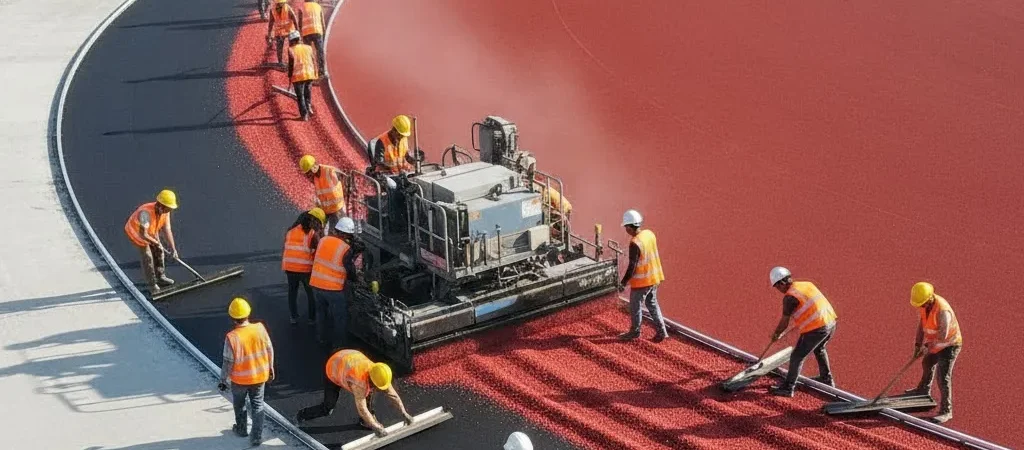
Running Track Installation in Pakistan – Complete EPDM & PU Track Guide
Professional running track flooring provides a safe, durable and high-performance surface for athletes, schools, universities, stadiums, parks and sports complexes. From EPDM rubber systems to PU synthetic athletic tracks, choosing the right material and installation method is essential for long-term performance.
A running track is more than a coloured sports surface. The performance of the finished track depends on the ground preparation, drainage, base construction, rubber layers, polyurethane binder, surface finish and accurate lane marking.
Whether you are planning a 200m school running track, a jogging track for a park, or a professional 400m athletics facility, the system should be selected according to the expected level of use, budget, climate conditions and required performance.
Why Is Professional Running Track Installation Important?
A properly designed running track provides a more controlled and comfortable surface than ordinary concrete or rough outdoor ground. The correct system can help support athlete comfort, traction and long-term surface durability.
Shock Absorption
Rubber and synthetic layers can provide cushioning that reduces the direct impact transmitted through repeated foot strikes.
Better Grip
A properly textured sports surface provides traction for running, acceleration and controlled movement.
Outdoor Durability
Quality EPDM and synthetic systems are designed to perform under regular outdoor exposure when correctly installed.
Professional Appearance
Accurate lane markings and a uniform coloured surface create a professional athletic environment.
Where Is Running Track Flooring Used?
Schools & Colleges
Suitable for student athletics, physical education and regular sports activities.
Universities
Universities can install synthetic tracks for training, competitions and multi-level athletic programmes.
Sports Complexes
Professional sports facilities require durable surfaces designed for frequent and intensive use.
Stadiums
Stadium tracks can be designed for organised athletics, competitions and professional training.
Parks & Jogging Areas
EPDM and rubber systems can provide comfortable jogging and walking surfaces for recreational users.
Housing Societies
Outdoor jogging tracks can add a valuable fitness and recreation feature to residential developments.
Types of Running Tracks in Pakistan
Different projects require different athletic track systems. The right option depends on the budget, expected traffic, performance requirements and the condition of the base.
PU Synthetic Running Track
A polyurethane-based athletic track system designed for professional training and high-performance applications.
- Suitable for professional athletics
- High-performance surface
- Durable multi-layer construction
- Can be designed for competition facilities
EPDM Rubber Running Track
EPDM granules are commonly used as a durable coloured surface for outdoor running and jogging tracks.
- Good outdoor durability
- Comfortable rubber surface
- UV-resistant material options
- Available in different colours
SBR Rubber Running Track
SBR rubber is commonly used as an economical base layer in rubberised track systems.
- Cost-effective material
- Provides cushioning
- Suitable for selected school projects
- Can be combined with an EPDM top layer
Acrylic Sports Surface
Acrylic systems may be considered for selected multipurpose sports areas where a thinner hard-court surface is required.
- Suitable for selected multipurpose areas
- Budget-conscious option
- Available in different colours
- Requires a properly prepared base
EPDM vs PU vs SBR Running Track
| System | Best For | Main Benefit |
|---|---|---|
| PU Synthetic Track | Professional athletics & stadiums | High-performance athletic surface |
| EPDM Rubber Track | Outdoor tracks & sports facilities | Durability, grip and weather resistance |
| SBR Rubber System | Schools & budget-focused projects | Economical cushioning layer |
| Acrylic Surface | Selected multipurpose facilities | Coloured sports surface with lower build-up |
Running Track Materials Used in Pakistan
A complete running track system normally includes several materials working together rather than a single surface layer.
EPDM Rubber Granules
Used for durable coloured surface layers in suitable synthetic track systems.
SBR Rubber Granules
Commonly used in cushioning or base layers where the system design requires recycled rubber granules.
PU Binder
Polyurethane binder is used to bind rubber granules and form a stable rubberised surface.
Primer
A compatible primer can improve adhesion between the prepared base and the selected track system.
Asphalt or Concrete Base
The track requires a stable and properly prepared base to support long-term surface performance.
Line Marking Material
Professional lane markings complete the athletic track layout and improve visibility and organisation.
Running Track Construction in Pakistan
Successful running track construction starts below the visible surface. A high-quality EPDM or PU layer cannot compensate for a weak, uneven or poorly drained base.
The construction process should consider site levels, drainage, substrate stability, expansion requirements and the selected track system before surface materials are installed.
Step-by-Step Running Track Installation Process
- Site Inspection & Measurement: Inspect the project area, measure dimensions and assess existing ground and drainage conditions.
- Track Design & Planning: Finalise the running track layout, lane requirements, system type and surface specifications.
- Ground Preparation: Excavate and prepare the ground where required to create a stable foundation.
- Compaction: Compact the required layers to improve stability and reduce the risk of settlement.
- Base Construction: Install and prepare the concrete or asphalt base according to the selected flooring system.
- Surface Cleaning & Repairs: Remove dust and contamination and repair cracks or defects before installing the track layers.
- Primer Application: Apply the compatible primer where required by the selected system.
- SBR Rubber Layer: Install the SBR and binder layer where the track design includes a rubber base course.
- EPDM or PU Surface: Apply the specified synthetic top layer to create the final athletic surface.
- Finishing & Curing: Allow the system to cure according to material requirements before normal use.
- Lane Marking: Complete the track with accurate lines, lanes and required sports markings.
Base Preparation for Running Track Flooring
Base preparation is one of the most important stages of running track installation. The finished surface should be installed over a stable, properly levelled and suitably drained substrate.
Correct Levels
The base should be constructed to the required levels before rubber or synthetic layers are applied.
Proper Drainage
Outdoor running tracks should manage rainwater effectively to reduce standing water on the surface.
Crack Repair
Existing cracks and damaged areas should be evaluated and repaired before installing the final sports surface.
Clean Surface
Dust, loose materials, oil and contamination should be removed before applying compatible primers and binders.
Benefits of EPDM & Synthetic Running Tracks
Comfortable Running Surface
Rubberised systems can provide more cushioning than hard concrete surfaces.
Slip Resistance
The surface texture can provide suitable traction for running and athletic movement.
Outdoor Performance
Quality materials can be selected for exposure to sunlight, rain and changing outdoor conditions.
Low Maintenance
With regular cleaning and inspection, synthetic tracks can provide long-term service.
Colour Options
EPDM and synthetic systems can be designed using different colours for tracks, lanes and surrounding areas.
Long-Term Value
Professional installation and quality materials can reduce the need for premature repairs or replacement.
What Thickness Is Best for a Running Track?
Running track thickness depends on the selected system and project requirements. Recreational jogging tracks, school facilities and professional athletic tracks may use different layer constructions.
| Application | Typical System Consideration |
|---|---|
| Jogging Track | Designed for regular walking and recreational running |
| School Running Track | Selected according to student traffic and project budget |
| University Track | May require a higher-performance synthetic system |
| Professional Athletics Track | Designed according to the required competition and performance specification |
The exact thickness should be specified according to the selected material system and performance requirements rather than choosing a thickness only on the basis of price.
Running Track Installation Price in Pakistan
Running track installation costs in Pakistan depend on the selected material, total project area, base preparation, track thickness, drainage requirements, location and level of finishing.
| System Type | Cost Consideration |
|---|---|
| SBR Rubber System | Generally considered a more economical rubber-based option |
| EPDM Running Track | Cost depends on EPDM quality, thickness and base system |
| PU Synthetic Track | Premium option designed for higher-performance applications |
| Professional Athletic Track | Project-specific pricing based on technical requirements and complete construction scope |
What Affects Running Track Installation Cost?
Track Size
A 200m, 400m or custom jogging track requires different quantities of materials and labour.
Base Condition
Additional excavation, repairs or new asphalt and concrete construction can significantly affect the budget.
Material Type
SBR, EPDM and PU systems have different material and installation requirements.
System Thickness
Thicker or more complex multi-layer systems generally require more material.
Drainage Requirements
Outdoor drainage design and corrective work may affect the total project cost.
Location & Transport
Transportation, labour availability and site access can affect the final quotation.
200m vs 400m Running Track
| Track Type | Common Application |
|---|---|
| 200m Running Track | Schools, colleges and facilities with limited available space |
| 400m Running Track | Stadiums, universities and dedicated athletics facilities |
| Custom Jogging Track | Parks, housing societies and recreational developments |
Running Track Installation Services in Pakistan
Running track flooring projects can be designed for schools, universities, parks, stadiums and sports complexes across Pakistan. The selected system should account for local site conditions, weather exposure, project size and material availability.
Running Track Installation in Lahore
Suitable for schools, universities, housing societies, sports clubs and large athletic facilities.
Running Track Installation in Karachi
Material selection and drainage should consider the site’s outdoor exposure and environmental conditions.
Running Track Installation in Islamabad
Synthetic and EPDM systems can be considered for universities, government institutions and professional sports facilities.
Running Track Installation in Faisalabad
Schools, colleges and private institutions can install rubberised athletic tracks for training and sports activities.
Running Track Installation in Multan
Outdoor sports facilities can use suitable UV-resistant synthetic materials for long-term performance.
Running Track Installation Nationwide
Project requirements can be evaluated for different cities according to site size, access and installation conditions.
How to Choose a Running Track Contractor
The quality of installation is just as important as the selected EPDM, SBR or PU material. Before selecting a contractor, review their experience and proposed flooring system.
- Experience with sports flooring and athletic tracks.
- Knowledge of EPDM, SBR and PU material systems.
- Proper base preparation and drainage planning.
- Clear material and layer specifications.
- Accurate track measurement and lane marking.
- Transparent quotation and BOQ.
- Previous completed sports flooring projects.
- Warranty and maintenance guidance.
- Skilled installation team.
- Suitable equipment for surface preparation and installation.
Common Running Track Installation Mistakes
Poor Base Preparation
Installing a premium surface over an unstable base can result in cracks, movement and premature damage.
Ignoring Drainage
Standing water can affect the track surface and surrounding construction over time.
Low-Quality Binder
The quality and compatibility of the binder affect how well rubber granules remain bonded.
Incorrect Thickness
A system should be selected according to its intended use rather than reducing thickness only to lower the price.
Poor Surface Finishing
Uneven application can affect comfort, appearance and consistent athletic performance.
Choosing Only on Price
The lowest quotation may not include proper base preparation, quality materials or the required system thickness.
How to Maintain a Running Track
Regular maintenance helps preserve the appearance and performance of synthetic running track flooring.
- Remove leaves, dirt and loose debris regularly.
- Clean the surface using suitable methods and products.
- Avoid dragging sharp or damaging objects across the track.
- Inspect the surface periodically for cracks or loose areas.
- Repair damaged areas promptly using compatible materials.
- Keep drainage routes clear to prevent standing water.
- Avoid unapproved coatings or chemicals.
- Schedule professional inspections for heavily used facilities.
Frequently Asked Questions About Running Tracks
What is the best material for a running track in Pakistan?
PU and EPDM-based systems are commonly selected for durable synthetic running tracks. The best option depends on the facility, budget, expected use and required performance.
What is EPDM running track flooring?
EPDM running track flooring uses synthetic rubber granules to create a durable and coloured sports surface suitable for selected outdoor athletic and jogging applications.
What is the difference between EPDM and SBR?
EPDM is commonly used as a durable coloured surface material, while SBR rubber is often used as a more economical cushioning or base layer in multi-layer rubber track systems.
How much does running track installation cost in Pakistan?
The cost depends on the track size, material type, system thickness, base preparation, drainage and project location. A site review is recommended for an accurate quotation.
How long does running track installation take?
Installation time depends on the project size, base condition, selected system, curing requirements and weather. Large projects generally require more time than small jogging tracks.
Can a running track be installed over concrete?
Yes, depending on the selected system and the condition of the concrete. The base should be structurally sound, properly prepared and suitable for the flooring system.
Can a running track be installed over asphalt?
Suitable synthetic track systems can be installed over a properly constructed and prepared asphalt base, subject to compatibility and project requirements.
How long does an EPDM running track last?
Service life depends on material quality, installation, sunlight exposure, traffic, drainage and maintenance. Quality systems installed correctly can provide many years of outdoor service.
Does a running track need drainage?
Yes. Outdoor track projects should include suitable drainage planning to reduce standing water and protect the base and finished surface.
What is a 400m running track?
A 400m running track is the standard full-lap distance commonly used for outdoor athletics facilities and competitive track events.
Can running tracks be repaired?
Yes. Local damage, cracks or worn areas can often be assessed and repaired using compatible materials. The repair method depends on the cause and condition of the existing surface.
Is EPDM suitable for Pakistan’s climate?
Quality UV-stabilised EPDM systems can be suitable for outdoor applications when the complete track system is properly designed, installed and maintained.
Need Professional Running Track Installation in Pakistan?
Plan your school, university, stadium, sports complex or jogging track with the right EPDM, SBR or PU flooring system. A proper site evaluation helps determine the required base, drainage, material system and project scope.
Request a Running Track ConsultationRelated Sports Flooring Services
Conclusion
Running track installation in Pakistan requires more than selecting EPDM or PU material. The success of the project depends on proper planning, a stable base, effective drainage, quality materials, professional installation and regular maintenance.
EPDM rubber, SBR and polyurethane systems can each serve different project requirements. Schools and recreational facilities may require a practical and cost-effective solution, while stadiums and professional athletic facilities may need a higher-performance synthetic track system.
By selecting the running track system according to the intended use and investing in proper construction and installation, schools, universities, parks and sports facilities can create a safer and longer-lasting athletic surface.