
Power Plant Flooring in Pakistan
Introduction
In Pakistan’s growing industrial landscape, power plants play a critical role in driving the nation’s energy demands. From thermal and hydropower stations to nuclear and renewable energy facilities, one crucial yet often overlooked component of plant infrastructure is the flooring system.
Power plant flooring must withstand extreme temperatures, chemical exposure, heavy machinery loads, and continuous foot traffic—conditions far beyond what ordinary flooring can handle. The right flooring solution ensures operational safety, durability, and efficiency, while reducing downtime and maintenance costs.
Whether you’re building a new facility or upgrading an existing one, this blog will help you make an informed flooring choice that enhances both performance and longevity.
Why Power Plant Flooring Matters?
Power plant operations involve intense mechanical, electrical, and chemical processes. Floors are constantly exposed to:
- Heavy vibration from turbines and generators
- Oil, fuel, and chemical spills
- High thermal variations and moisture
- Movement of forklifts, cranes, and other heavy equipment
If the flooring is not designed for these conditions, it can lead to:
- Cracks and surface failures
- Slippery, unsafe working environments
- Contamination risks
- Expensive shutdowns for repair
That’s why choosing high-performance industrial flooring in Pakistan—specifically formulated for power plants—is essential for both safety and productivity.
Key Requirements of Power Plant Flooring
Before diving into materials, let’s identify what power plant floors must offer:
| Requirement | Importance | Description |
|---|---|---|
| Durability | ⭐⭐⭐⭐⭐ | Must handle mechanical stress, heavy loads, and thermal cycles. |
| Chemical Resistance | ⭐⭐⭐⭐ | Withstand oils, fuels, acids, alkalis, and coolants. |
| Electrical Safety | ⭐⭐⭐⭐ | Anti-static or ESD flooring prevents sparks near sensitive equipment. |
| Slip Resistance | ⭐⭐⭐⭐ | Ensures worker safety in wet or oily zones. |
| Ease of Cleaning | ⭐⭐⭐ | Seamless, non-porous surfaces for hygienic environments. |
| Thermal Resistance | ⭐⭐⭐⭐ | Withstand extreme heat or cold without cracking. |
These performance features make epoxy, polyurethane (PU), and urethane floors the most common choices for power generation facilities in Pakistan.
Best Flooring Options for Power Plants in Pakistan
Epoxy Flooring
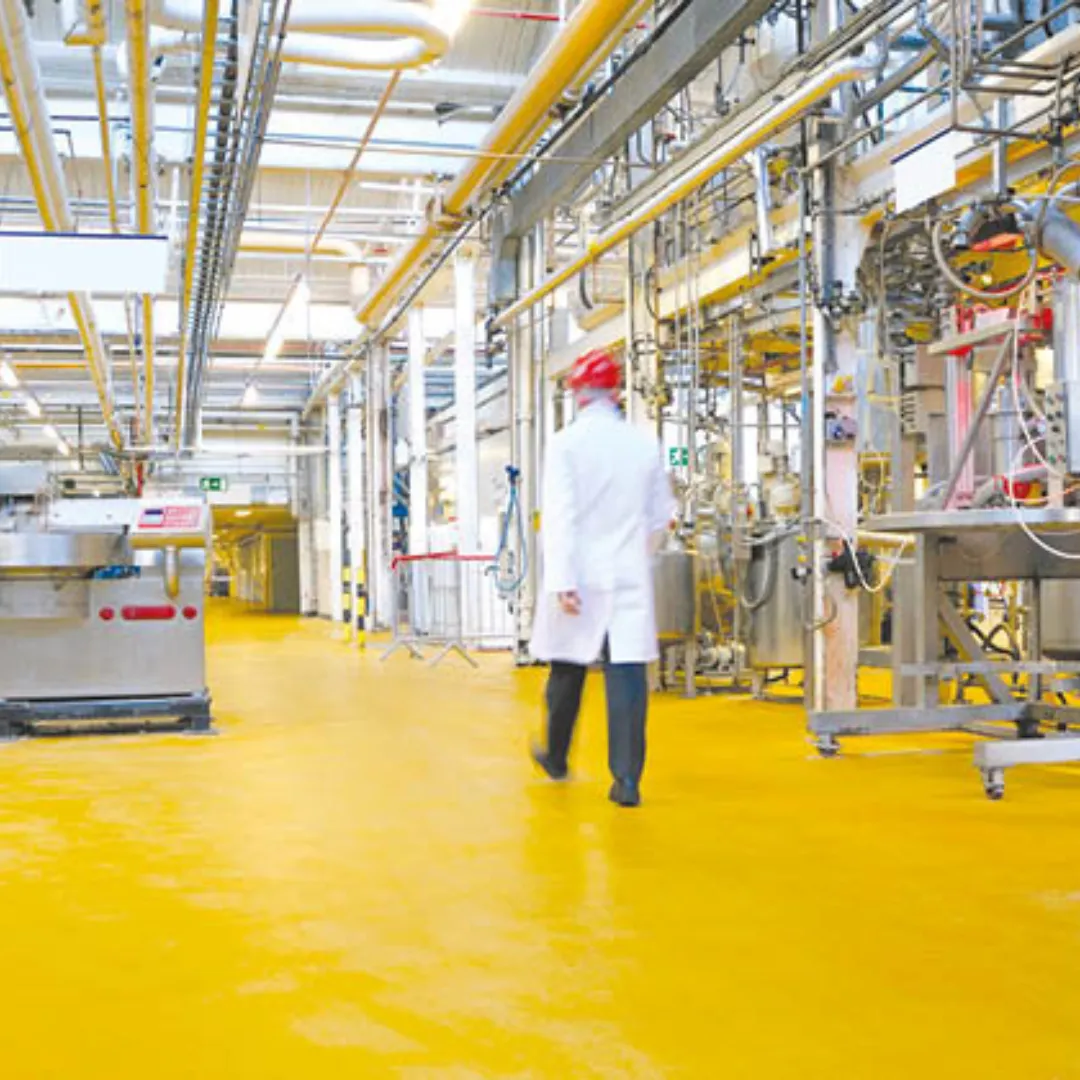
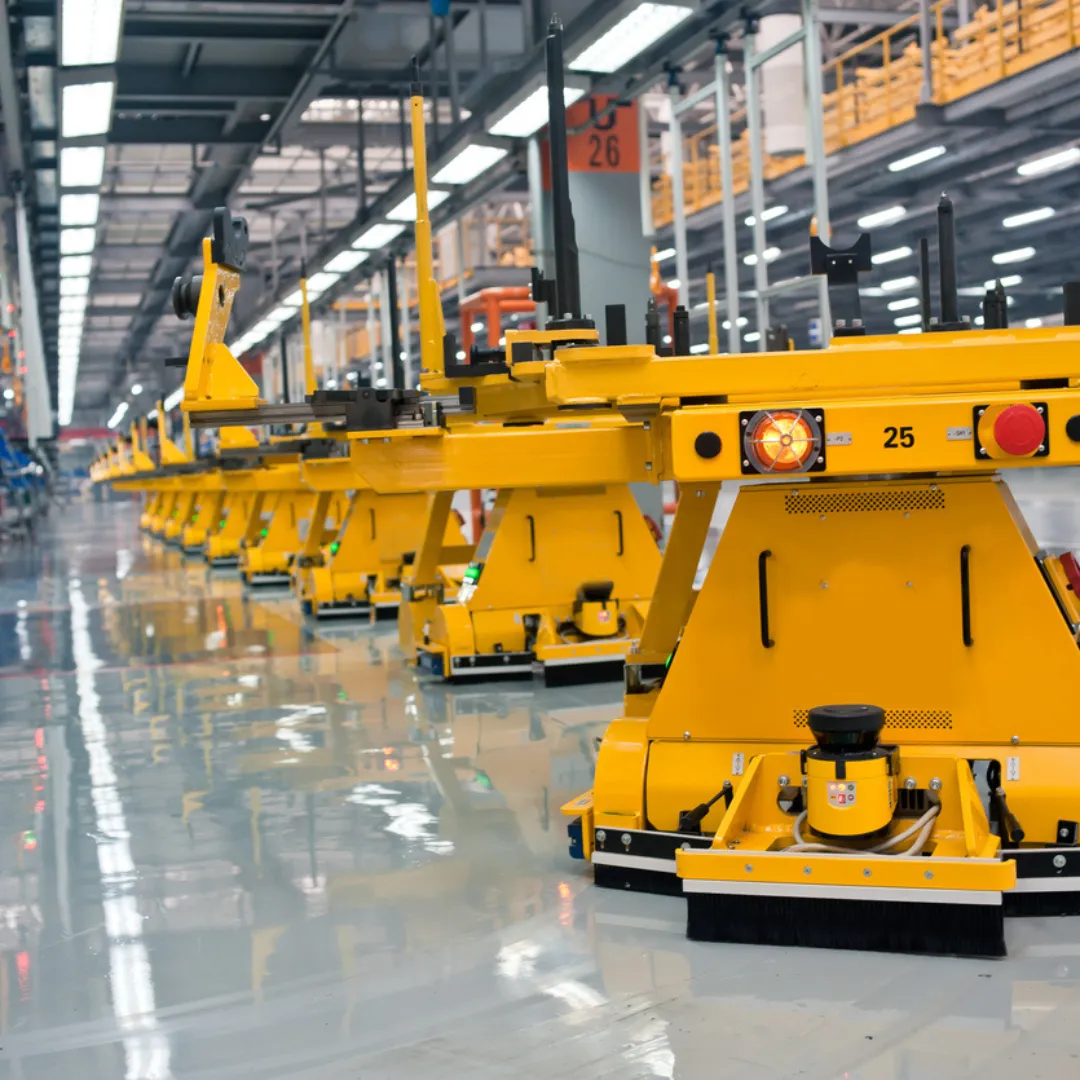

Epoxy flooring is a two-part system combining resin and hardener to form a strong, seamless surface. It’s widely used in industrial flooring across Pakistan due to its chemical resistance and durability.
Ideal areas: Turbine halls, generator rooms, control rooms, and chemical storage zones.
Key benefits
- High compressive strength
- Resistant to oil, diesel, and solvents
- Glossy or matte finish options
- Low maintenance and long life (10+ years)
Recommended Type: Heavy-duty 3-layer epoxy (primer + base + topcoat)
Polyurethane (PU) Flooring
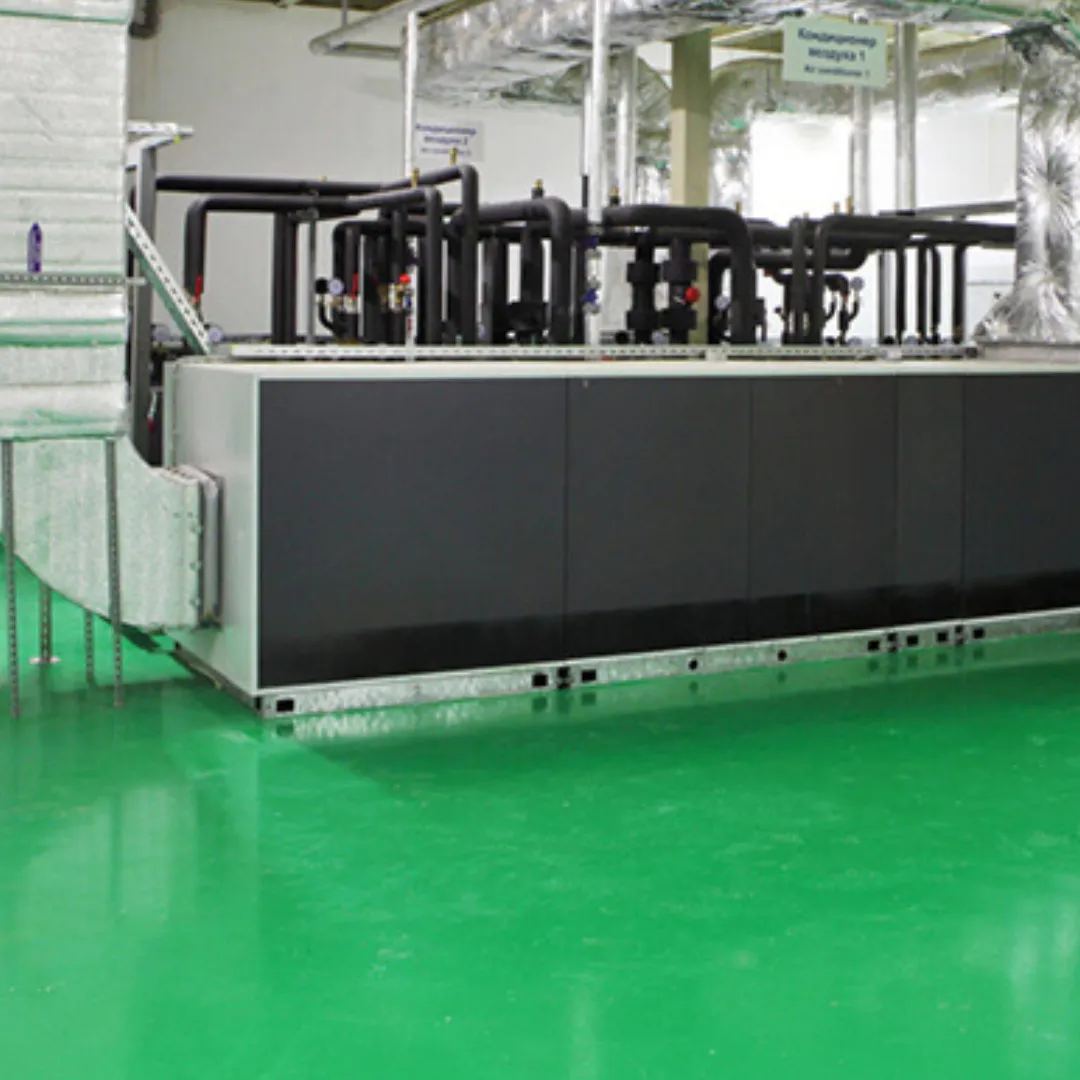
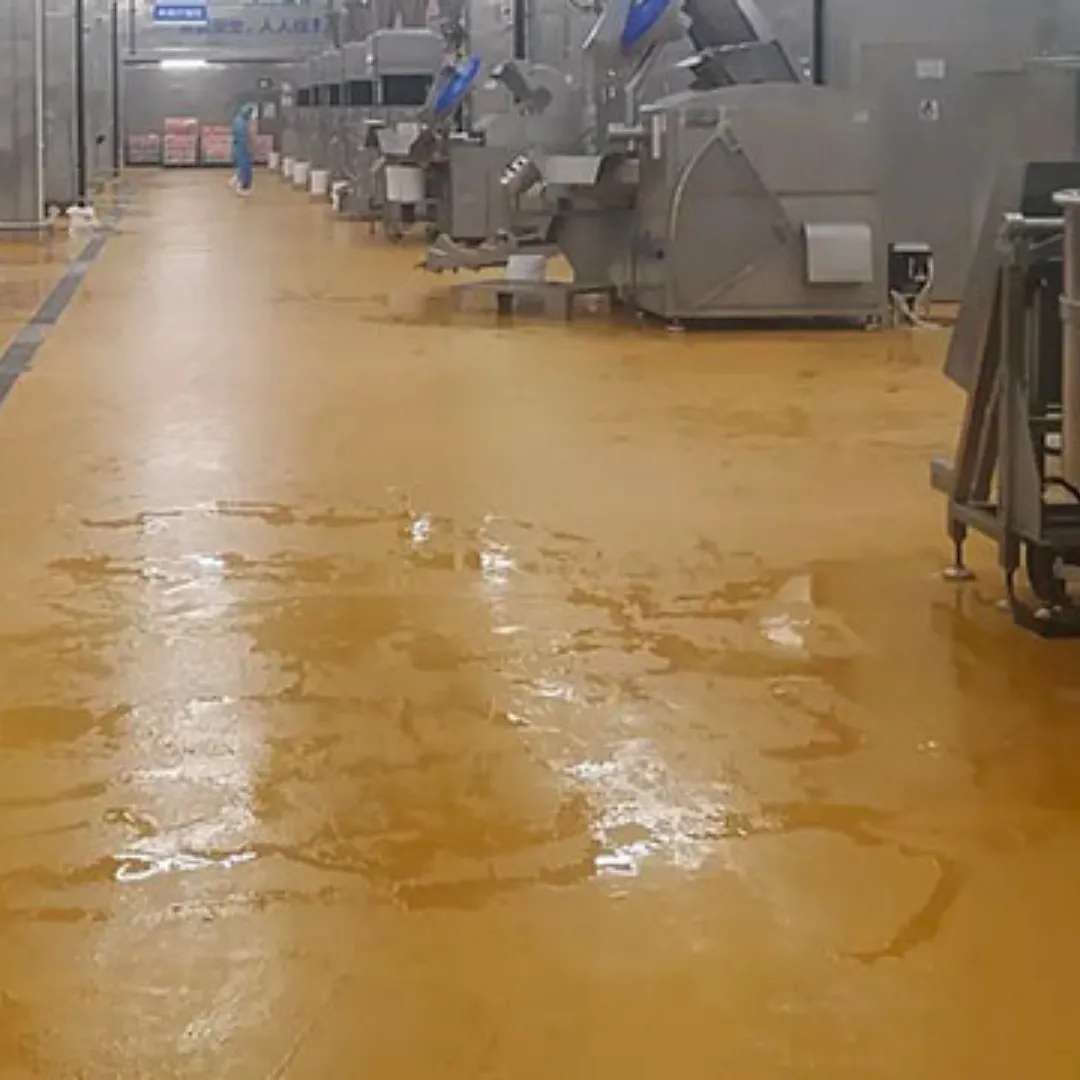
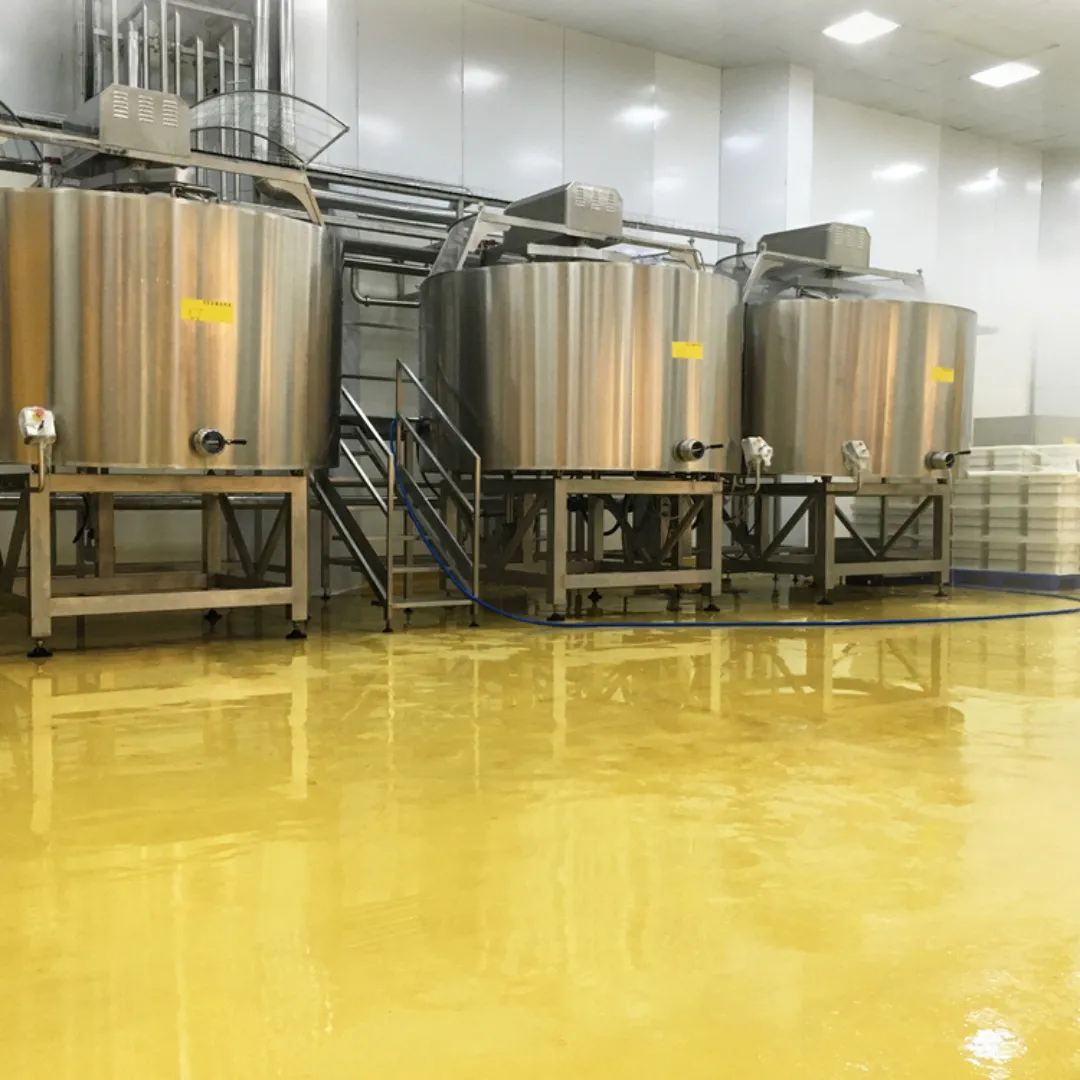
PU flooring offers superior flexibility compared to epoxy. It’s ideal for areas exposed to temperature fluctuations and vibration, such as turbine bases and engine zones.
Ideal Areas: Boiler rooms, engine sections, and outdoor plant spaces.
Advantages
- Excellent thermal shock resistance
- Crack-resistant under stress
- UV-resistant (ideal for outdoor use)
- Anti-slip surface options
Urethane Concrete Flooring
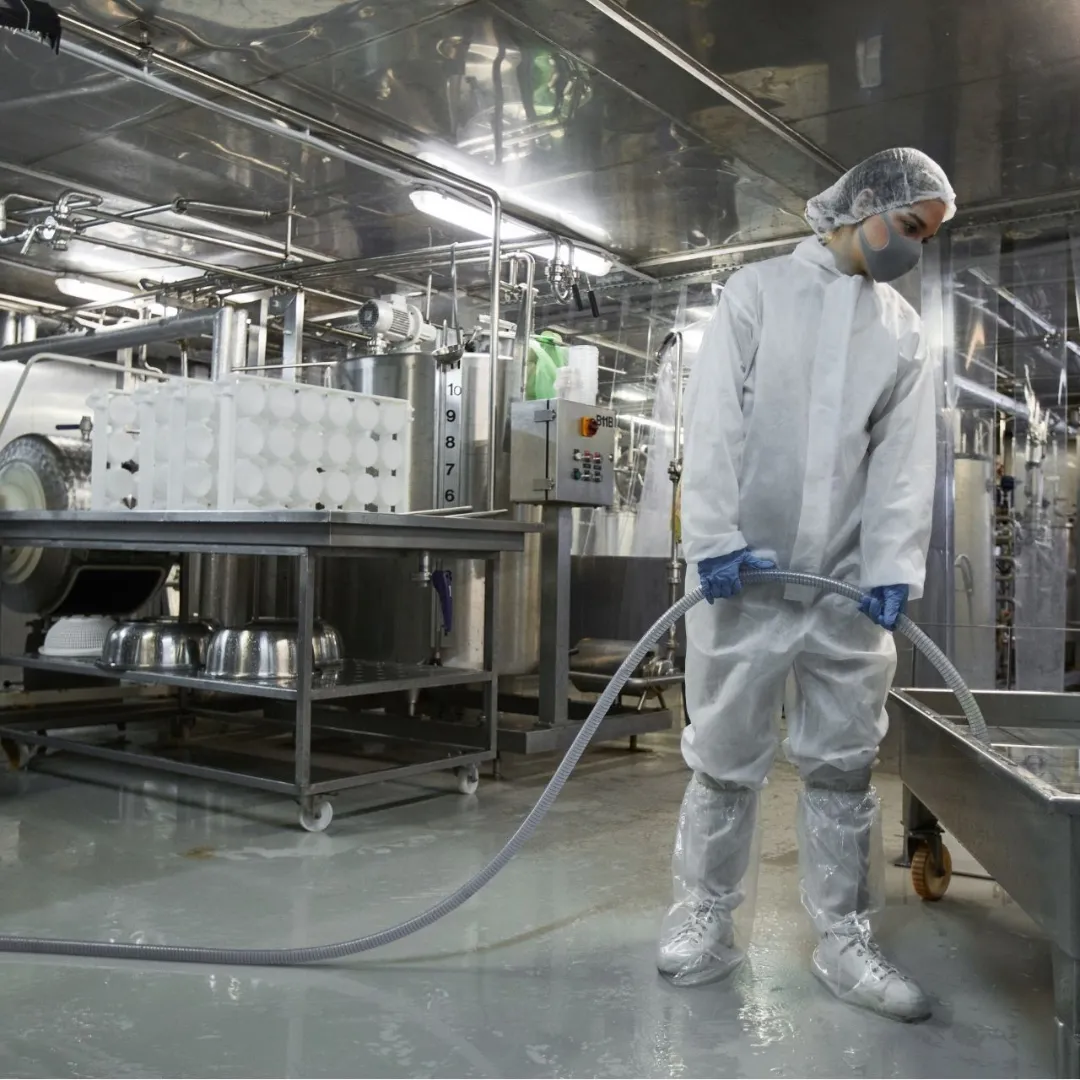
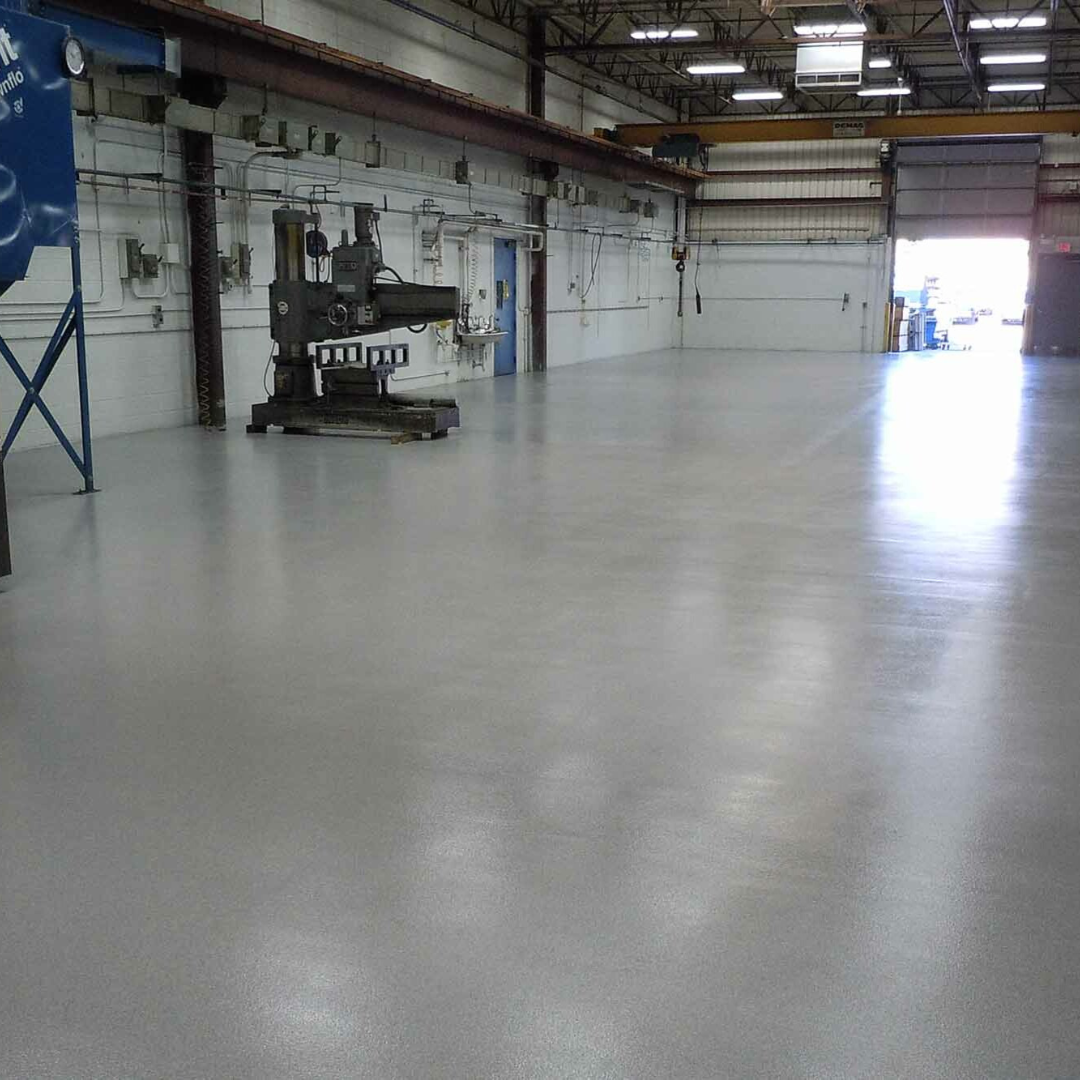
Urethane concrete (or PU concrete) is the toughest flooring system for industrial use. It’s a combination of cement and resin, creating a surface that resists high heat, steam, and heavy loads.
Ideal areas: Boiler zones, maintenance bays, and chemical storage units.
Benefits
- Handles up to 120°C temperature resistance
- Anti-bacterial and chemical-resistant
- Suitable for wet and hot environments
Anti-Static (ESD) Flooring
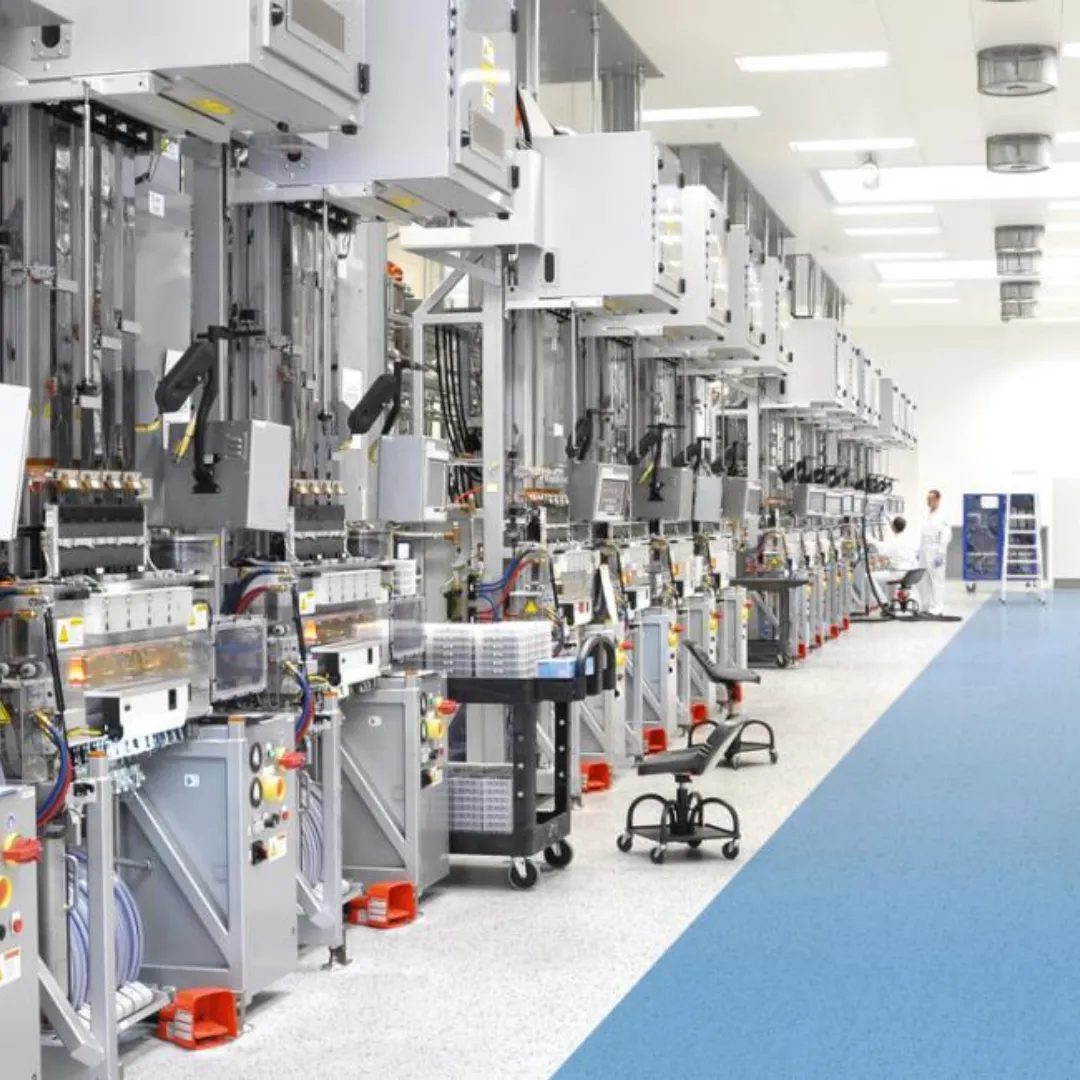
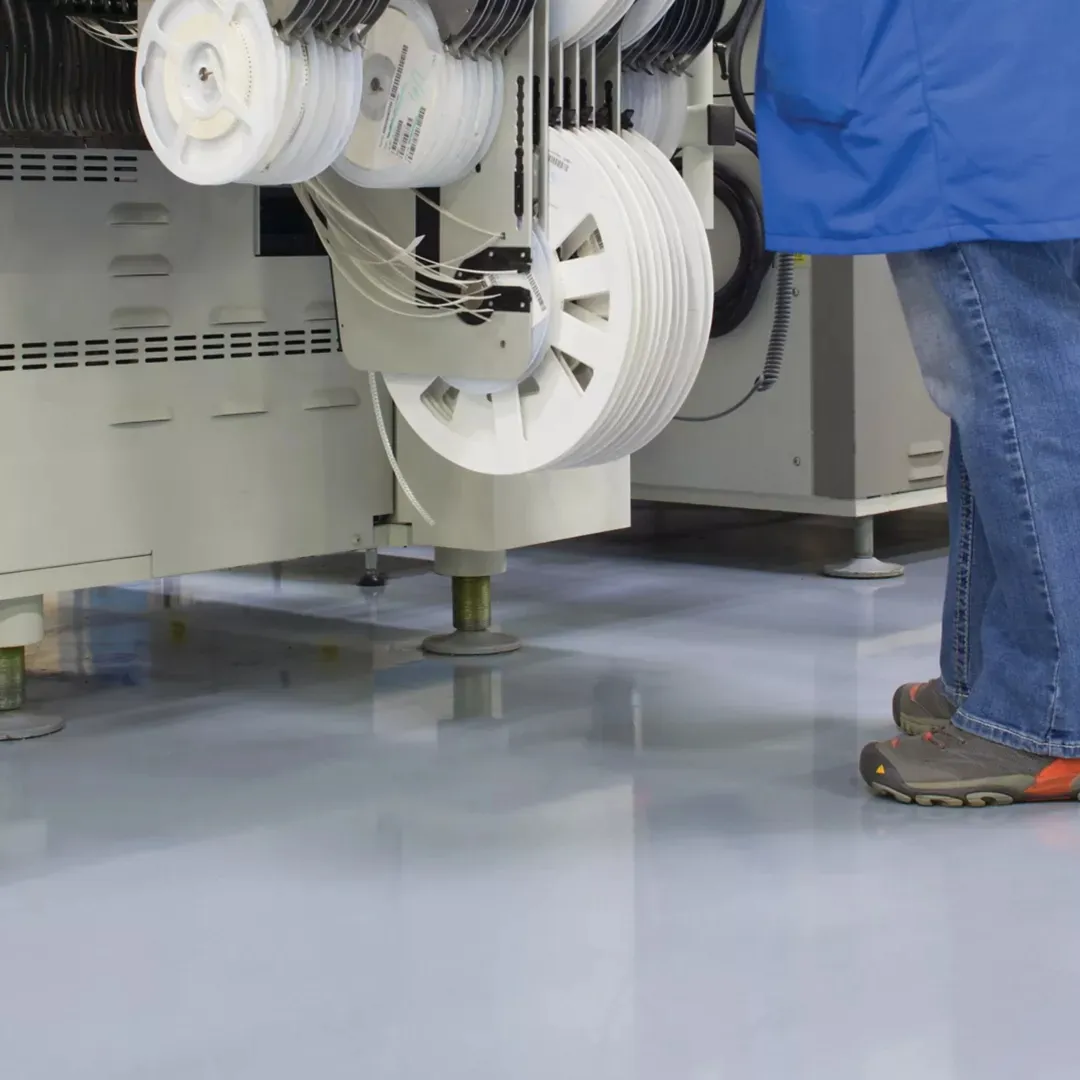
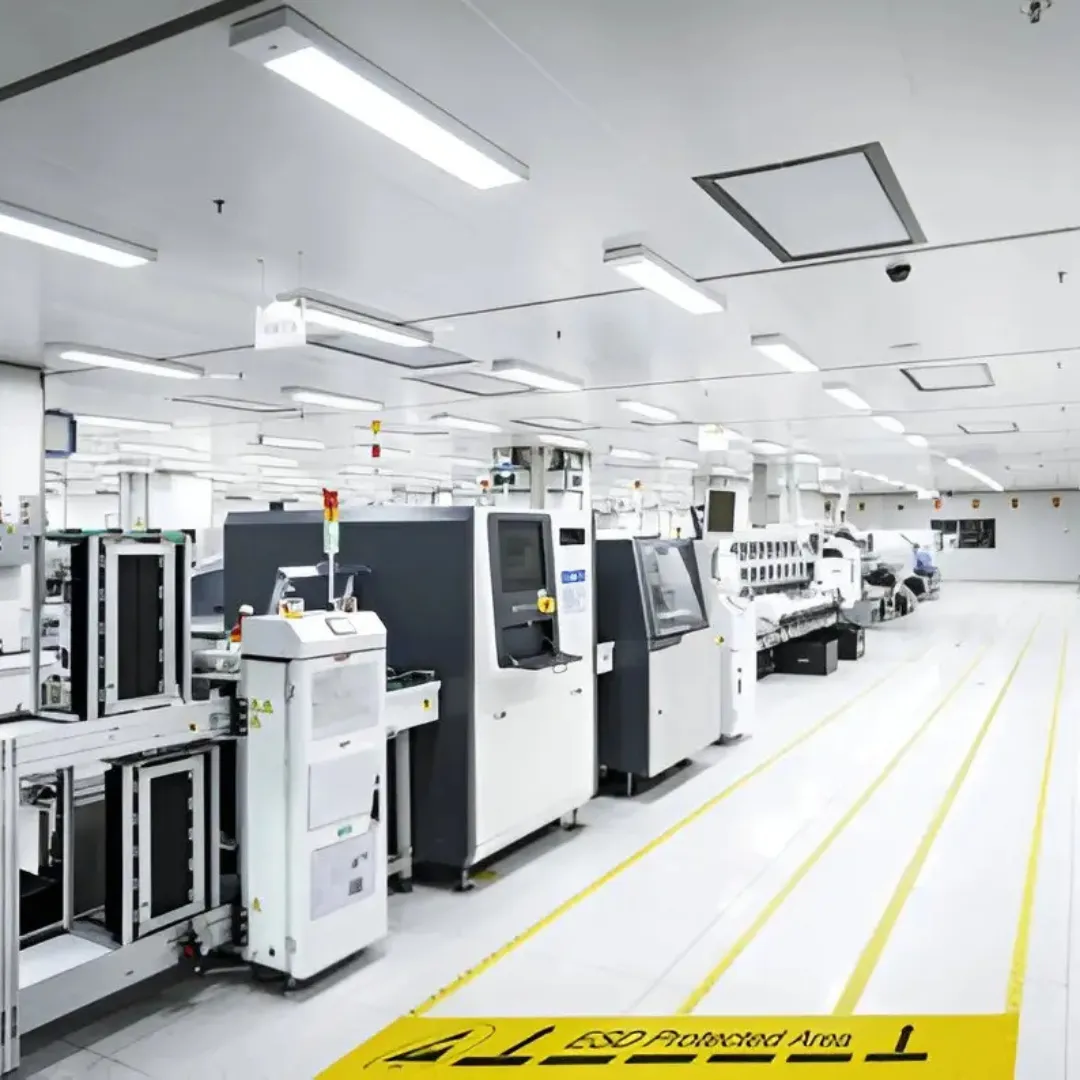
Power plants often involve sensitive electrical equipment where static discharge can cause system failures or safety hazards. Anti-static or ESD flooring prevents static electricity buildup and ensures a safe working environment.
Ideal areas: Control rooms, data centers, switchgear rooms.
Benefits
- Prevents static spark risks
- Safe for sensitive electronics
- Seamless and easy to clean
Cementitious Self-Leveling Floors
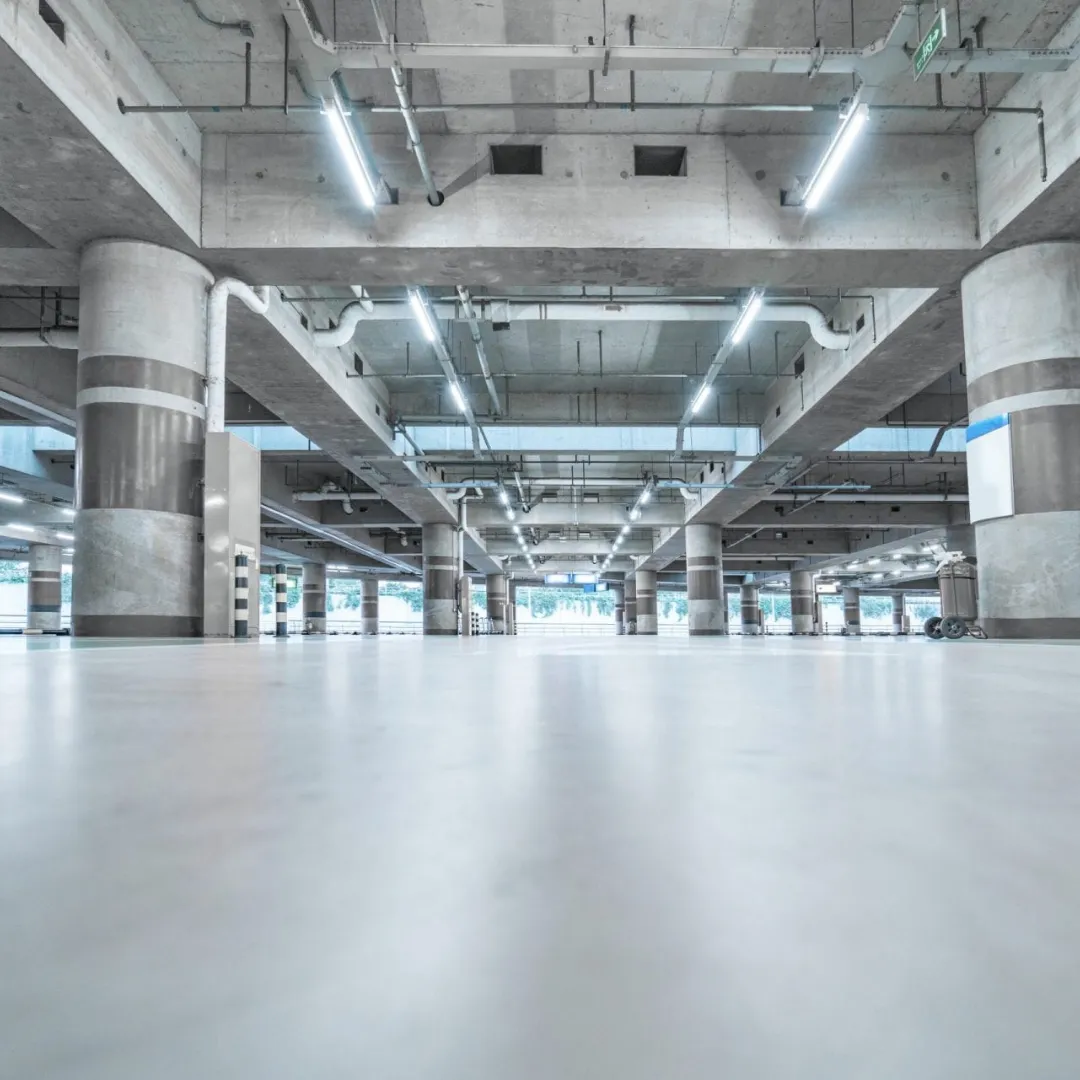
For power plants with large surface areas requiring smooth, even finishes, self-leveling screeds provide a strong base. They can be coated with epoxy or PU for enhanced performance.
Advantages
- Perfect leveling for machinery stability
- Fast curing and low shrinkage
- Excellent bonding with resin topcoats
Common Challenges in Power Plant Flooring
Despite advanced materials, challenges can arise if installation isn’t done correctly. Below are typical issues and how to prevent them:
| Problem | Cause | Solution |
|---|---|---|
| Cracking | Poor surface preparation or vibration stress | Proper grinding and flexible resin system |
| Peeling or bubbling | Moisture under slab | Apply moisture barrier primer |
| Uneven surface | Improper leveling or substrate | Use self-leveling screed before coating |
| Slippery surface | Gloss finish without anti-slip additive | Add silica or quartz grains for grip |
| Staining | Chemical spill or oil leakage | Use chemical-resistant epoxy topcoat |
Cost Factors for Power Plant Flooring in Pakistan
The cost of industrial flooring in Pakistan depends on various factors, including type, thickness, and preparation needs. Below is a general pricing overview:
| Cost Factor | Impact on Budget |
|---|---|
| Flooring Material | Epoxy: PKR 600–1200/sq.ft., PU: PKR 800–1500/sq.ft., Urethane: PKR 1000–2000/sq.ft. |
| Surface Preparation | Grinding, priming, moisture barrier adds cost but ensures longevity |
| Thickness | Thicker coatings (3–5 mm) increase cost but improve durability |
| Area Size | Larger projects reduce per sq. ft. cost |
| Additives/Features | Anti-slip, ESD, and UV resistance raise cost but improve safety and lifespan |
Tip: Investing slightly more in premium flooring upfront reduces future repair costs and downtime.
Area-Wise Flooring Recommendations
Every section of a power plant has unique flooring requirements. Here’s a breakdown:
| Area | Recommended Flooring Type | Key Features |
|---|---|---|
| Turbine Hall | PU or Epoxy Flooring | Handles vibration, heavy load, and heat |
| Control Room | Anti-Static Epoxy | Prevents static discharge |
| Boiler Area | Urethane Concrete | Thermal resistance and easy cleaning |
| Chemical Storage | Chemical-Resistant Epoxy | Protects from spills and corrosion |
| Maintenance Bays | PU Concrete | High impact and load-bearing capacity |
| Walkways & Corridors | Epoxy with Anti-Slip Additive | Safe movement for staff |
Installation Process of Industrial Flooring
Proper installation determines the long-term success of any power plant floor. The steps include:
Surface Preparation
→ Grinding or shot blasting the surface
→ Removing oil, grease, and dust
→ Repairing cracks or uneven spots
Priming
→ Applying primer to ensure strong bonding between substrate and coating
Base Coat
→ Spreading resin base layer for strength and smoothness
Intermediate Layer (if needed)
→ Additional coats for durability or leveling
Topcoat
→ Final epoxy, PU, or urethane coat with desired finish (matte, gloss, or textured)
Curing
→ Allow 24–72 hours for full chemical bonding before use
Professional application is highly recommended—experienced flooring contractors in Pakistan ensure correct mixing ratios, temperature control, and finish quality.
Maintenance and Longevity Tips
Maintaining your power plant floor properly ensures it lasts for years without major repairs.
Daily: Clean oil or chemical spills immediately
Weekly: Inspect for cracks or delamination
Monthly: Recoat or polish high-traffic zones
Annually: Perform professional inspection and maintenance
Avoid harsh acids or metal brushes when cleaning—use neutral detergents and soft scrubbers to protect coating integrity.
Environmental & Safety Compliance
In Pakistan, power plants are increasingly focusing on environmental compliance. Flooring systems must adhere to safety standards like:
- ISO 9001 & 14001 for quality and environmental management
- OSHA safety compliance for anti-slip and anti-static protection
- VOC-free resins to ensure worker health and environmental safety
Choosing eco-friendly, low-VOC resin systems not only benefits the planet but also qualifies projects for green certification and long-term cost savings.
Why Choose Professional Flooring Contractors?
Working with experienced industrial flooring specialists in Pakistan ensures:
- Accurate assessment of substrate conditions
- Selection of right resin chemistry (epoxy, PU, urethane)
- Skilled installation with modern tools
- Compliance with industry standards
- Post-installation support and warranty
Poor workmanship often leads to premature failures—partnering with professionals guarantees performance, aesthetics, and ROI.
Future Trends in Power Plant Flooring
The flooring industry in Pakistan is evolving rapidly. Some emerging trends include:
- Smart Flooring Systems – Sensors embedded within floors to monitor temperature, vibration, or load.
- Nano-Enhanced Coatings – Improved chemical and abrasion resistance.
- Sustainable Materials – Low-VOC, solvent-free epoxy and PU formulations.
- 3D Safety Markings – Integrated warning zones or pathways built into floor coatings.
As Pakistan’s energy sector grows, adopting modern flooring solutions will help plants meet global standards of safety and efficiency.
Conclusion
Power plant flooring is more than just a structural component—it’s a critical safety and performance asset. In Pakistan’s evolving energy sector, selecting the right flooring system can significantly improve efficiency, safety, and cost-effectiveness.
Whether you’re managing a thermal power station, a hydropower plant, or a renewable energy facility, the right combination of epoxy, PU, or urethane flooring ensures long-term performance even under the harshest conditions.
Investing in professional installation and maintenance not only protects your infrastructure but also minimizes downtime and maximizes ROI.
FAQ'S
Epoxy and PU flooring systems are the best choices due to their durability, chemical resistance, and ability to handle heavy machinery.
With proper installation and maintenance, epoxy or PU flooring can last 10–15 years or more.
Yes, but for high-heat areas (above 80°C), urethane concrete flooring is recommended due to superior thermal resistance.
Not for all. Only sensitive zones like control rooms or switchgear rooms require anti-static or ESD flooring.
Choose local suppliers, increase project area to reduce per-sq-ft cost, and use durable systems that minimize maintenance expenses.