
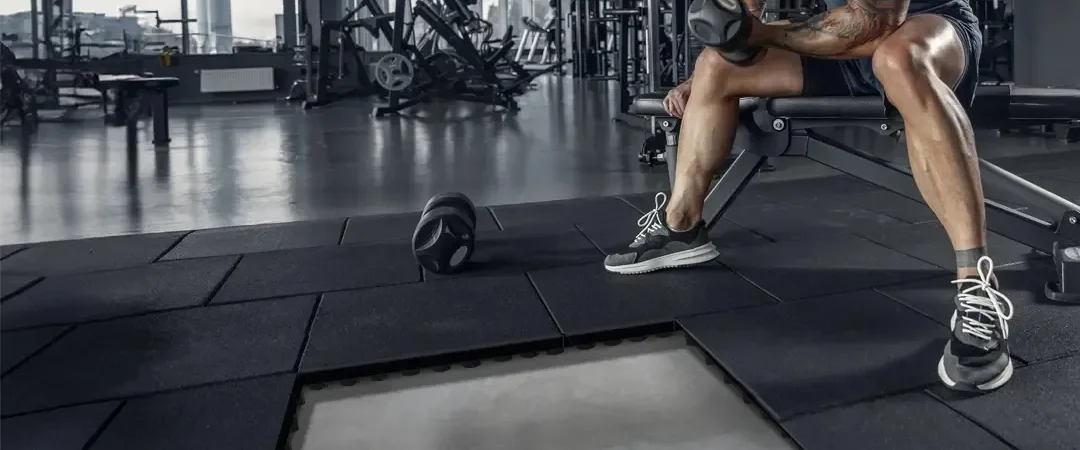
Gym Flooring in Pakistan: Best Types, Thickness, Cost & Installation Guide
Choosing the right gym flooring in Pakistan is important for safety, equipment protection, noise control, workout comfort and long-term durability. A commercial gym, CrossFit box, home gym, fitness studio and sports training facility do not necessarily require the same flooring system.
Rubber flooring is generally one of the most practical choices for heavy-use gyms, while EPDM, vinyl, EVA foam and artificial turf can be selected for specific workout zones. The correct thickness should be based on equipment loads, impact levels, subfloor condition and the type of exercise performed.
The flooring system should always be selected according to the actual workout environment rather than choosing one thickness for the entire gym. Current gym-flooring guidance similarly recommends thicker rubber in heavy lifting zones and thinner systems where loads and impact are lower. :contentReference[oaicite:0]{index=0}
What Is Gym Flooring?
Gym flooring is a specially designed surface installed over a structural floor to withstand exercise equipment, foot traffic, weights and repeated impact. Unlike ordinary ceramic tiles, marble or concrete, purpose-built gym flooring provides additional grip, cushioning and protection.
A properly selected gym floor can help protect the underlying concrete, reduce equipment vibration, improve traction and make workouts more comfortable.
The original gym flooring service page also identifies shock absorption, safety, noise reduction, equipment protection and durability as key reasons for installing purpose-built gym flooring. :contentReference[oaicite:1]{index=1}
Best Gym Flooring Options in Pakistan
Rubber Gym Flooring
A durable option for commercial gyms, weight rooms, CrossFit facilities, free-weight areas and fitness centers.
EPDM Flooring
A premium synthetic rubber option offering durability, colour choices, slip resistance and strong weather resistance.
Vinyl Gym Flooring
A smooth, easy-to-clean surface suitable for lighter training, aerobics, yoga and fitness studios.
EVA Foam Flooring
Lightweight and cushioned flooring for low-impact workouts, home gyms, children’s fitness areas and martial arts applications.
Artificial Turf
Particularly useful for sled pushes, sprinting, agility drills and functional training zones.
Hybrid Gym Flooring
Combines different flooring materials or impact layers to create dedicated surfaces for different training zones.
Rubber Gym Flooring in Pakistan
Rubber is one of the most widely used materials for commercial gym flooring. It is suitable for areas exposed to heavy equipment, dumbbells, weight machines and frequent foot traffic.
Rubber flooring is available in rolls and interlocking tiles. Recycled SBR rubber is commonly used where durability and impact resistance are priorities, while virgin rubber and other formulations can be specified where appearance, odour and surface characteristics are more important. :contentReference[oaicite:2]{index=2}
Shock Absorption
Helps absorb impact from exercise and dropped equipment.
Heavy-Duty Performance
Suitable for high-traffic commercial gyms and free-weight zones.
Slip Resistance
Textured rubber surfaces can provide useful traction during training.
Noise Reduction
Rubber can reduce impact noise and vibration compared with hard concrete or ceramic surfaces.
Rubber Gym Flooring Tiles vs Rolls
| Feature | Rubber Tiles | Rubber Rolls |
|---|---|---|
| Installation | Individual tiles | Large continuous rolls |
| Replacement | Easy to replace individual damaged sections | Damaged areas may require larger replacement sections |
| Seams | More visible joints | Fewer seams across large areas |
| Heavy Weight Areas | Excellent when correctly specified | Excellent when correctly specified |
| Design Flexibility | High | Moderate |
| Best For | Weight rooms, zones and commercial gyms | Large open gym areas |
EPDM Gym Flooring
EPDM stands for ethylene propylene diene monomer. It is a synthetic rubber commonly selected where durability, colour stability and a more decorative appearance are required.
EPDM flooring can be used for indoor fitness facilities as well as selected outdoor gym environments. It offers strong weather resistance and can be produced in a wide range of colours. :contentReference[oaicite:3]{index=3}
- Excellent durability for demanding fitness environments.
- Available in a wide variety of colours.
- Good resistance to weather and UV exposure.
- Suitable for functional training and sports facilities.
- Can be combined with other rubber systems.
Vinyl Gym Flooring
Vinyl flooring provides a smooth and easy-to-clean surface and is often appropriate for areas where heavy free-weight impact is limited.
It can be considered for yoga rooms, aerobics studios, dance spaces, fitness studios and light workout areas. The existing gym flooring page lists moisture resistance, easy maintenance and design flexibility among its advantages. :contentReference[oaicite:4]{index=4}
Smooth Surface
Provides a clean and professional appearance for fitness studios.
Easy Cleaning
Smooth vinyl surfaces can be cleaned efficiently with appropriate gym-floor cleaning products.
Design Options
Available in different colours and patterns depending on the product.
Best Use
Suitable for aerobics, yoga, dance and lighter fitness areas.
EVA Foam Gym Flooring
EVA foam is lightweight, soft and easy to install. It can be useful for home gyms, low-impact exercise, children’s fitness areas, stretching zones and some martial arts applications.
Foam is generally not the first choice for commercial weight rooms because heavy equipment and repeated high-impact loads can damage softer foam materials more quickly than heavy-duty rubber. :contentReference[oaicite:5]{index=5}
Artificial Turf for Gym Flooring
Artificial turf has become a useful surface for functional training, CrossFit and performance facilities. It is particularly effective for sled pushes, sprint drills, agility exercises and other movements where athletes need a long, directional training surface.
Turf is normally installed as part of a dedicated training zone rather than being used throughout every part of a commercial gym.
- Excellent for sled pushes and pulls.
- Suitable for sprint and agility training.
- Creates a dedicated functional training zone.
- Can be combined with rubber impact flooring.
- Requires a properly prepared and level base.
Gym Flooring Thickness Guide
There is no single ideal thickness for every gym. The correct specification depends on the equipment, impact level, training style and subfloor.
| Gym Zone | Typical Thickness | Recommended Use |
|---|---|---|
| Cardio Zone | 6–8 mm | Treadmills, bikes, ellipticals and cardio equipment |
| General Training | 8–12 mm | Machines, bodyweight training and moderate exercise |
| Weightlifting | 15–20 mm | Dumbbells, racks and free-weight training |
| CrossFit | 15–25 mm | Functional training and impact-heavy workouts |
| Heavy Drop Zone | 20 mm+ or specialist impact protection | Olympic lifting and repeated weight drops |
Commercial gym guidance commonly places heavy-duty SBR tiles around 15–20 mm for weight rooms, with thicker protection recommended for repeated overhead barbell drops. :contentReference[oaicite:6]{index=6}
How Thick Should Gym Flooring Be for Weightlifting?
For a conventional weight room, 15–20 mm rubber flooring is a practical starting point. Where Olympic lifts, CrossFit movements or repeated overhead drops are expected, a thicker impact-protection system should be considered.
Some specialist lifting environments use 40 mm or thicker protection, including dedicated drop zones. The correct specification depends on the maximum expected drop height, equipment weight and structural requirements of the building. :contentReference[oaicite:7]{index=7}
Gym Flooring for Different Workout Areas
Cardio Area
Rubber or suitable vinyl flooring can be used beneath treadmills, bikes and elliptical machines.
Weight Room
Heavy-duty rubber tiles are recommended for dumbbells, racks, benches and free weights.
CrossFit Zone
Thick rubber combined with specialist impact zones provides protection for demanding functional workouts.
Functional Training
Rubber and artificial turf can be combined for sled work, agility and strength training.
Yoga Studio
Vinyl, foam or specialist resilient flooring can provide a comfortable surface for low-impact workouts.
Boxing & Martial Arts
Softer foam or specialist impact systems may be used depending on the training discipline.
Gym Flooring Installation Process in Pakistan
Professional installation starts with evaluating the existing floor and matching the flooring system to the intended workout areas.
- Site Inspection: Measure the gym and identify equipment, training zones and expected loads.
- Subfloor Assessment: Check concrete, tiles or other existing surfaces for cracks, moisture, unevenness and contamination.
- Surface Preparation: Clean and repair the base before installation.
- Floor Planning: Divide the gym into cardio, weightlifting, functional and other specialized zones.
- Material Installation: Install rubber rolls, interlocking tiles, EPDM, vinyl, foam or turf according to the selected system.
- Seam & Edge Finishing: Ensure joints and edges are properly aligned and secured.
- Final Inspection: Check for gaps, loose sections, uneven transitions and surface defects.
- Cleaning: Remove installation debris and prepare the floor for use.
Preparing the Concrete Floor for Gym Flooring
The existing concrete floor should be clean, dry, level and structurally sound before installing permanent gym flooring. Cracks, holes, uneven sections and other defects should be repaired before the surface is covered.
- Remove dust, dirt, grease and loose material.
- Repair significant cracks and damaged concrete.
- Correct major uneven areas.
- Check moisture where adhesive installation is planned.
- Confirm doors and equipment will clear the finished floor height.
- Ensure the substrate can support the intended equipment loads.
Gym Flooring Cost in Pakistan
Gym flooring prices in Pakistan vary according to material, thickness, quality, installation method, project size and subfloor condition. There is no single price applicable to every gym.
The existing service page gives broad indicative ranges including rubber, vinyl, foam, EPDM and turf. These figures should be treated as starting market estimates rather than fixed quotations. :contentReference[oaicite:8]{index=8}
| Flooring Type | Indicative Range | Typical Application |
|---|---|---|
| Foam Flooring | PKR 150–500/sq. ft. | Home gyms and light workouts |
| Rubber Flooring | PKR 400–900/sq. ft. | Commercial gyms and weight rooms |
| EPDM Flooring | PKR 600–1,200/sq. ft. | Premium and outdoor fitness applications |
| Vinyl Flooring | PKR 500–1,000/sq. ft. | Studios and lighter fitness areas |
| Artificial Turf | PKR 600–1,200/sq. ft. | Functional and CrossFit training |
Factors That Affect Gym Flooring Price
Material
Rubber, EPDM, vinyl, foam and turf have different manufacturing and performance costs.
Thickness
Thicker impact protection generally costs more but may be necessary for heavy training.
Gym Size
Large commercial projects may require different specifications across multiple zones.
Subfloor
Damaged or uneven concrete may require additional preparation.
Installation
Adhesive installation, edge finishing and detailed cutting can increase labour requirements.
Impact Protection
Specialist lifting platforms and shock pads increase the overall system cost.
Gym Flooring for Commercial Gyms
Commercial gyms require flooring that can withstand long operating hours, heavy foot traffic, equipment loads and repeated cleaning. Rubber flooring is often a practical choice for weight and machine areas.
Larger gyms can benefit from a zoned flooring design rather than installing one material everywhere. For example, rubber can be used in free-weight areas, turf in functional training lanes and vinyl or another resilient surface in studio areas.
Gym Flooring for Home Gyms
Home gyms typically have lower traffic than commercial fitness centers, but the flooring still needs to protect the underlying residential floor from equipment and weights.
Rubber tiles around 15–20 mm can be appropriate for many home gyms that include racks, benches and free weights, while thinner flooring may be sufficient for cardio or bodyweight exercise. :contentReference[oaicite:9]{index=9}
- Protects marble, tiles and concrete from equipment damage.
- Reduces noise from exercise equipment.
- Provides stable footing beneath racks and benches.
- Can be installed in dedicated sections of a room.
- Interlocking tiles can simplify future replacement.
Gym Flooring for CrossFit
CrossFit facilities place unusually high demands on flooring because workouts can combine running, jumping, kettlebells, barbells, dumbbells, Olympic lifting and repeated impact.
A combination of heavy-duty rubber and artificial turf is often more practical than using one surface throughout the entire facility.
Weightlifting Zone
Use heavy-duty rubber with additional impact protection where weights are repeatedly dropped.
Turf Lane
Use sports turf for sled pushes, sprinting and agility drills.
Mobility Zone
A resilient rubber or foam surface can be used for stretching and floor exercises.
Transition Areas
Properly designed transitions help reduce trip hazards between different flooring materials.
Gym Flooring for Cardio Areas
Treadmills, exercise bikes, rowers and elliptical machines do not normally require the same impact protection as an Olympic lifting zone. However, the floor should still provide stable equipment support, adequate traction and protection against vibration.
Around 6–8 mm can be suitable for many cardio zones when the underlying floor is sound, although the equipment manufacturer’s requirements and actual loading should always be considered. :contentReference[oaicite:10]{index=10}
Gym Flooring Maintenance
Regular cleaning and inspection help preserve gym flooring and maintain hygiene. The maintenance procedure should be matched to the material.
- Remove dust and loose debris regularly.
- Clean sweat and spills promptly.
- Use manufacturer-approved cleaning products.
- Avoid aggressive chemicals that can damage rubber or vinyl.
- Inspect seams and edges regularly.
- Replace severely damaged tiles where necessary.
- Keep the floor adequately ventilated and dry.
- Use equipment protection pads where recommended.
The existing service guidance similarly recommends regular cleaning with mild detergent, avoiding harsh chemicals and inspecting flooring for wear and tear. :contentReference[oaicite:11]{index=11}
Common Gym Flooring Mistakes
Choosing Only by Price
The cheapest flooring may not provide adequate impact protection or durability for heavy training.
Using One Thickness Everywhere
Cardio and Olympic lifting zones have very different flooring requirements.
Ignoring the Subfloor
Uneven or damaged concrete can affect the performance and appearance of the finished floor.
Using Thin Foam for Heavy Weights
Soft foam may not withstand repeated heavy equipment impact.
Ignoring Equipment Loads
Treadmills, racks and weightlifting platforms create different loading conditions.
Poor Edge Finishing
Loose edges and badly finished transitions can create maintenance and safety problems.
How to Choose the Best Gym Flooring in Pakistan
- Identify the Workout Type: Determine whether the facility is primarily cardio, weightlifting, CrossFit, yoga, functional training or mixed-use.
- Calculate Equipment Loads: Consider racks, machines, dumbbells, barbells and potential weight drops.
- Select the Correct Thickness: Match flooring thickness to the highest-impact activity in each zone.
- Inspect the Subfloor: Make sure the existing floor is suitable before installation.
- Consider Noise: Rubber can be useful in gyms located above offices, apartments or other occupied spaces.
- Consider Cleaning: Select a surface that can withstand the gym’s daily cleaning routine.
- Plan the Zones: Use different flooring systems where different activities require them.
- Choose a Professional Installer: Correct preparation and installation are important for long-term performance.
Benefits of Professional Gym Flooring Installation
Correct Material Selection
The flooring can be specified according to the actual workout requirements of each area.
Better Floor Protection
Appropriate impact protection helps reduce damage to the underlying structural floor.
Improved Safety
Properly installed flooring provides stable surfaces and well-finished transitions.
Long-Term Performance
Correct preparation and installation can help the flooring perform as intended.
Gym Flooring Services in Pakistan
Professional gym flooring can be installed for commercial fitness centers, bodybuilding gyms, CrossFit facilities, hotels, schools, universities, corporate fitness rooms, sports academies and residential home gyms.
Gym flooring services can include site inspection, floor measurement, subfloor preparation, material selection, rubber tile or roll installation, EPDM installation, vinyl flooring, turf zones, edge finishing and maintenance support. :contentReference[oaicite:12]{index=12}
Lahore
Rubber, EPDM, vinyl, turf and specialized gym flooring systems for commercial and residential facilities.
Karachi
Gym flooring solutions for fitness centers, CrossFit facilities, hotels and sports training spaces.
Islamabad & Rawalpindi
Professional flooring systems for home gyms, clubs, academies and commercial fitness centers.
Across Pakistan
Flooring specifications can be adapted to facility size, workout type and local project conditions.
Frequently Asked Questions About Gym Flooring
What is the best gym flooring in Pakistan?
Heavy-duty rubber flooring is one of the best all-around options for commercial gyms because it provides durability, traction, impact protection and noise reduction. The ideal system still depends on the workout area and equipment loads.
What thickness is best for gym flooring?
Cardio areas may use around 6–8 mm, general training around 8–12 mm, and weightlifting or CrossFit areas around 15–25 mm. Specialist lifting zones may require considerably thicker impact protection.
Is rubber flooring good for a commercial gym?
Yes. Rubber is particularly suitable for commercial gyms because it handles heavy traffic, equipment loads and repeated impact better than many softer flooring materials.
What is the best flooring for a weightlifting area?
Heavy-duty rubber is generally a practical choice. For Olympic lifting and repeated barbell drops, thicker rubber and dedicated impact zones should be considered.
What is the best gym flooring for CrossFit?
Heavy-duty rubber is suitable for high-impact training, while artificial turf can be added for sled pushes, sprinting and functional training.
Is EVA foam good for gym flooring?
EVA foam is useful for light workouts, home gyms, yoga, children’s fitness areas and other low-impact activities. Heavy commercial weightlifting areas generally require more durable rubber.
Is EPDM better than SBR rubber for gym flooring?
Neither is universally better. SBR is commonly selected for heavy-duty and cost-conscious gym applications, while EPDM offers strong colour and weather characteristics and can be used for premium or outdoor applications.
How much does gym flooring cost in Pakistan?
Indicative prices vary widely by material and thickness. Rubber, EPDM, vinyl, foam and turf can occupy different price ranges, while installation and subfloor preparation can further affect the final quotation.
Can gym flooring be installed over concrete?
Yes. Concrete is a common substrate for gym flooring, provided it is clean, structurally sound, sufficiently level and properly prepared for the selected flooring system.
Can rubber gym flooring be installed over tiles?
Rubber tiles can often be installed over suitable existing hard flooring when the surface is stable, clean and level. The installation method should be selected according to the condition of the existing floor and whether permanent adhesion is required.
Does rubber gym flooring reduce noise?
Rubber can reduce impact noise and vibration compared with rigid hard flooring. The amount of noise reduction depends on thickness, subfloor construction, installation and the type of impact.
How long does rubber gym flooring last?
Service life depends on material quality, thickness, traffic, equipment loads, cleaning and maintenance. Heavy-duty rubber flooring can provide many years of service when correctly specified and maintained.
Does new rubber gym flooring smell?
Recycled rubber flooring can have a noticeable rubber odour when new. The intensity and duration depend on the product, ventilation and installation environment. Some manufacturers offer lower-odour virgin rubber alternatives. :contentReference[oaicite:13]{index=13}
What flooring is best for a home gym?
Rubber flooring is a strong choice for home gyms containing weights and exercise equipment. Around 15–20 mm can be suitable for many free-weight setups, while lighter cardio areas may need less thickness.
Can gym flooring be customized by colour?
Yes. EPDM and some rubber flooring systems are available in multiple colours. Custom colour layouts can be used to visually separate cardio, weightlifting and functional training zones.
Need Professional Gym Flooring in Pakistan?
Get the right flooring system for your gym based on workout type, equipment loads, impact level, required thickness and budget.
Request a Gym Flooring QuoteRelated Sports & Fitness Flooring Services
Conclusion
The best gym flooring in Pakistan is the system that matches the workout activity, equipment loads and impact level of each area. Heavy-duty rubber is a practical choice for commercial weight rooms, while EPDM can provide premium durability and colour options. Vinyl and EVA foam are more appropriate for selected lighter-use areas, and artificial turf is particularly useful for functional training.
Instead of installing the same flooring throughout the facility, consider creating dedicated zones. A combination of rubber weight-room flooring, turf functional-training lanes and resilient studio flooring can provide better performance and value than a one-material approach.
Most importantly, choose the correct thickness and prepare the subfloor properly. The right gym flooring protects the building, supports equipment, improves traction and creates a safer and more comfortable training environment.