
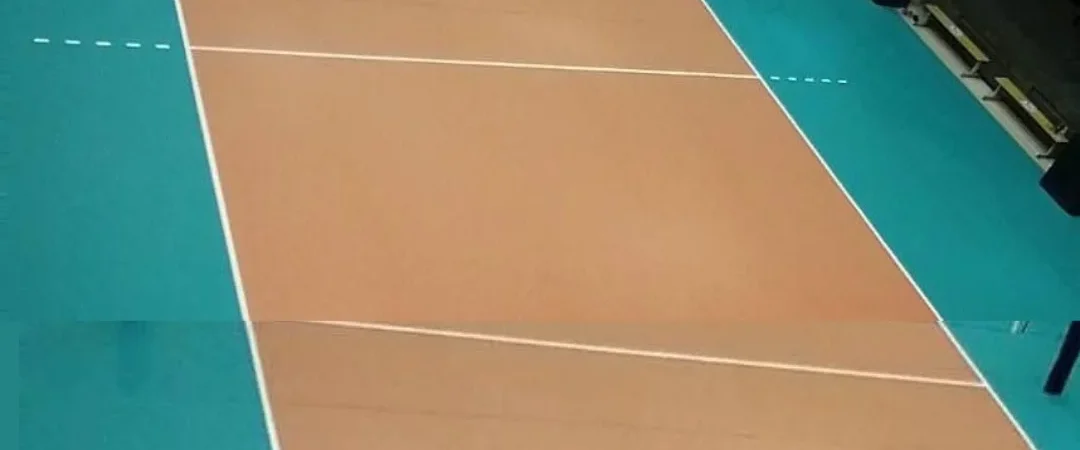
Volleyball Court Flooring in Pakistan: Types, Price, Installation & Maintenance
Volleyball court flooring is an important part of court construction because the playing surface directly affects player safety, traction, shock absorption, ball response and long-term court performance. Volleyball involves jumping, diving, rapid lateral movement and repeated landings, so the flooring must be designed for demanding sports use.
In Pakistan, volleyball courts can be constructed indoors or outdoors using systems such as sprung hardwood, PU sports flooring, cushioned vinyl, acrylic sports surfacing and rubber flooring. The best option depends on the venue, climate, playing level, substrate condition and project budget.
Professional volleyball court construction involves much more than applying a coating. Subfloor preparation, moisture control, leveling, shock-absorbing layers, accurate court dimensions, line marking and proper curing all contribute to the performance of the finished court.
What Is Volleyball Court Flooring?
Volleyball court flooring is a specialized sports surface designed for volleyball courts in schools, sports clubs, universities, training academies, gyms, community centers and professional facilities.
Unlike ordinary concrete or commercial flooring, a volleyball sports floor is selected to provide an appropriate combination of shock absorption, traction, stability, durability and predictable ball response. Indoor and outdoor courts require different considerations because outdoor surfaces must also withstand sunlight, rain and temperature changes.
Why Does Volleyball Court Flooring Matter?
Shock Absorption
Volleyball players repeatedly jump and land, making impact management an important part of sports floor design.
Player Traction
The surface should provide reliable grip for quick directional changes without excessive friction.
Consistent Ball Response
A level and uniform playing surface helps provide predictable ball response across the court.
Long-Term Durability
Sports flooring must withstand repeated movement, footwear abrasion, cleaning and heavy facility usage.
Choosing an unsuitable surface can result in poor playing characteristics, premature wear and increased maintenance requirements. A properly specified sports floor is therefore an important long-term investment.
Indoor Volleyball Court Flooring in Pakistan
Indoor volleyball courts are commonly installed in school gyms, universities, sports halls, clubs, training academies and professional arenas. Because indoor courts are protected from direct rainfall and UV exposure, flooring can be selected primarily around playing performance, comfort and maintenance.
PU Sports Flooring
Poured polyurethane systems provide a seamless and resilient surface suitable for indoor multi-sport facilities.
Cushioned Vinyl
Sports-grade vinyl provides a practical and relatively economical option for schools, training facilities and multi-purpose halls.
Sprung Hardwood
Professional wooden systems can provide a premium playing experience with excellent shock absorption when installed over an appropriate sprung subfloor.
Rubber Flooring
Rubber rolls and tiles can provide durability and cushioning for multi-use activity areas, although they may not provide the same ball response as dedicated competition surfaces.
Outdoor Volleyball Court Flooring in Pakistan
Outdoor volleyball courts need flooring systems that can withstand heat, sunlight, rain, dust and changing weather conditions. Acrylic sports flooring installed over a properly prepared concrete or asphalt base is a common solution for outdoor courts.
UV Resistance
Outdoor materials should be selected to withstand prolonged exposure to sunlight and reduce premature colour fading.
Weather Resistance
The complete surface system should be suitable for the temperatures and weather conditions of the installation area.
Slip Resistance
Outdoor surfaces should provide suitable traction while avoiding excessive slipperiness when conditions are wet.
Drainage
Proper slope and drainage are essential to prevent standing water after rainfall.
Types of Volleyball Court Flooring
Different flooring systems are suitable for different volleyball applications. The following options can be considered according to performance requirements, location and budget.
1. Sprung Hardwood Volleyball Flooring
Sprung hardwood flooring, including solid hardwood and engineered maple systems, is a premium choice for high-level indoor volleyball facilities.
- Excellent playing feel.
- High-quality shock absorption.
- Consistent ball response.
- Premium appearance.
- Suitable for professional competition.
- Long service life with proper maintenance.
Best for: Professional arenas, universities, national-level facilities and high-use sports clubs.
Consideration: Wooden systems require careful moisture and humidity management and professional installation.
2. PU Sports Flooring
Polyurethane sports flooring is a seamless resin-based system installed in layers over a prepared substrate. Elastic PU systems can be designed to provide resilient playing characteristics.
- Seamless surface.
- Good shock absorption.
- Available in different thicknesses.
- Easy routine cleaning.
- Good traction.
- Suitable for multi-sport halls.
- Custom colours and markings.
Best for: Schools, universities, community centers, sports clubs and indoor multi-purpose halls.
3. Vinyl / PVC Sports Flooring
Sports-grade vinyl is available in sheet and modular tile formats. Cushioned vinyl systems can provide a practical solution for indoor volleyball facilities.
- Cost-effective compared with premium hardwood.
- Easy routine maintenance.
- Available in multiple colours.
- Suitable for multi-purpose facilities.
- Damaged modular sections can be easier to replace.
- Can include sports-specific wear layers.
Best for: School gyms, recreational courts, training centers and multi-purpose sports halls.
4. Acrylic Sports Flooring
Acrylic sports surfacing is commonly used for outdoor volleyball courts. It is generally installed over a properly prepared concrete or asphalt base.
- Suitable for outdoor applications.
- Available in multiple colours.
- Weather-resistant when correctly specified.
- Suitable for court line markings.
- Relatively economical.
- Easy routine cleaning.
Best for: Outdoor schools, parks, housing societies, community courts and recreational facilities.
Consideration: Acrylic surfaces are generally harder than elastic PU or sprung wooden systems and may provide less shock absorption.
5. Rubber Sports Flooring
Rubber sports flooring is available in rolls and tiles and can be useful in multi-purpose activity areas where durability and cushioning are important.
- Good wear resistance.
- Shock-absorbing characteristics.
- Slip-resistant options.
- Suitable for heavy-use areas.
- Available in rolls and tiles.
Best for: Training halls, fitness facilities and multi-use spaces where volleyball is not the only primary sport.
Rubber may not provide the same ball response as dedicated competition volleyball flooring.
Volleyball Court Flooring Comparison
| Flooring Type | Application | Shock Absorption | Durability | Typical Budget Level |
|---|---|---|---|---|
| Sprung Hardwood | Professional indoor | Excellent | Excellent | High |
| PU Sports Flooring | Indoor sports halls | Excellent | High | Medium–High |
| Sports Vinyl | Indoor / multi-purpose | Good | Good | Medium |
| Acrylic Sports Flooring | Outdoor courts | Moderate | High | Low–Medium |
| Rubber Flooring | Training / multi-use | Good | Excellent | Medium |
Key Performance Requirements for Volleyball Flooring
Shock Absorption
The flooring should help manage impact from repeated jumping and landing during play.
Ball Rebound
A consistent and level playing surface helps maintain predictable ball behaviour.
Surface Friction
Traction should support rapid movement while avoiding excessive grip that can interfere with natural movement.
Surface Stability
The floor should remain stable under player loads and repeated sports activity.
Wear Resistance
Commercial courts need surfaces capable of handling frequent use and footwear abrasion.
Easy Maintenance
Sports facilities benefit from surfaces that can be cleaned efficiently and repaired when necessary.
Volleyball Court Dimensions and Layout
A regulation volleyball playing court is generally 18 metres long by 9 metres wide. The court should also have adequate free space around the playing area for safe player movement.
| Feature | Typical Regulation Dimension |
|---|---|
| Court Length | 18 metres |
| Court Width | 9 metres |
| Center Line | Divides the court into two equal playing areas |
| Attack Line | 3 metres from the center line on each side |
| Net | Installed across the center of the court |
Competition facilities should verify the current requirements of the relevant volleyball governing body before final construction, particularly when the court will host official matches.
Concrete Subfloor Preparation for Volleyball Flooring
The subfloor is one of the most important components of a volleyball court. A premium PU, vinyl or acrylic system cannot compensate for a structurally unstable, uneven or excessively damp base.
- Site Inspection: Inspect the concrete or asphalt for cracks, settlement, unevenness and structural defects.
- Level Checking: Verify that the surface meets the required flatness and tolerances for the selected sports system.
- Crack Repair: Repair appropriate cracks and defective areas using compatible repair materials.
- Moisture Testing: Test the substrate before installing moisture-sensitive flooring systems.
- Surface Preparation: Remove dust, oil, loose material and other contaminants.
- Moisture Barrier: Install an appropriate moisture-control system when required.
- Shock-Absorbing Layer: Install the specified underlay or elastic layer where required.
Volleyball Court Flooring Installation Process
- Initial Site Survey: Measure the available area, inspect the subfloor, assess moisture and review the intended use of the facility.
- Court Layout: Plan court dimensions, playing zones, line markings and multi-sport requirements.
- Subfloor Preparation: Level the base, repair cracks and prepare the surface for the selected flooring system.
- Moisture Management: Install suitable moisture-control measures when necessary.
- Underlay / Shock Pad: Install the specified elastic or shock-absorbing layer.
- Flooring Installation: Install hardwood, PU, vinyl, acrylic or rubber flooring according to the selected specification.
- Curing / Finishing: Allow resin systems to cure properly and complete sanding, sealing or finishing where required.
- Line Marking: Apply accurately measured volleyball court lines.
- Final Inspection: Check surface flatness, appearance, traction and overall installation quality.
- Handover: Provide cleaning, maintenance and usage recommendations.
Volleyball Court Flooring Price in Pakistan
The volleyball court flooring price in Pakistan varies according to the selected flooring system, court size, substrate condition, material quality and installation requirements.
| Flooring System | Indicative Price | Typical Application |
|---|---|---|
| Acrylic Outdoor Flooring | PKR 220–650 / sq. ft. | Outdoor volleyball courts |
| Indoor PU Flooring | PKR 350–900 / sq. ft. | Indoor sports halls |
| Sports Vinyl | PKR 350–900 / sq. ft. | Indoor schools and multi-purpose facilities |
| Sprung Hardwood | Project specific | Premium professional courts |
Factors That Affect Volleyball Court Flooring Cost
Flooring Material
Sprung hardwood, PU, vinyl, acrylic and rubber systems have different material and installation costs.
Subfloor Condition
Cracks, unevenness, moisture and structural defects can increase preparation costs.
Court Size
Larger areas require more material, labour and preparation.
Shock-Absorbing System
Additional elastic layers or sprung systems can increase the overall project budget.
Line Marking
Professional sports line marking and multi-sport layouts add to the project scope.
Location & Logistics
Transport, access and labour costs vary between cities and project locations.
Volleyball Court Flooring for Pakistan’s Climate
Pakistan has significant climatic differences between coastal, central, northern and southern regions. Flooring should therefore be selected according to both the location and whether the court is indoors or outdoors.
Humidity
Wooden floors require careful humidity management, while PU and vinyl systems are generally more forgiving.
Heat & UV Exposure
Outdoor courts should use suitable UV-resistant acrylic systems and appropriate surface textures.
Rainfall
Outdoor courts require appropriate slope and drainage to prevent standing water.
Usage Intensity
High-frequency facilities may benefit from resilient PU or premium vinyl, while professional competition can justify sprung hardwood.
Indoor vs Outdoor Volleyball Court Flooring
| Feature | Indoor Court | Outdoor Court |
|---|---|---|
| Common Systems | PU, vinyl, sprung hardwood, rubber | Acrylic, selected outdoor sports systems |
| UV Resistance | Less critical | Essential |
| Rain Exposure | Protected | Requires drainage |
| Shock Absorption | Can be optimized with elastic systems | Generally lower with hard acrylic surfaces |
| Maintenance | Generally easier | More environmental exposure |
| Weather Dependence | Low | High |
Volleyball Court Flooring Maintenance
Regular maintenance helps preserve the appearance, traction and performance of volleyball flooring. Cleaning procedures should always be adapted to the specific flooring manufacturer’s recommendations.
Daily / Weekly Care
- Sweep or dust-mop the playing surface.
- Remove grit and loose debris.
- Clean spills promptly.
- Use approved cleaning products.
- Keep outdoor drainage areas clear.
Monthly / Quarterly Inspection
- Inspect seams and joints.
- Check court line markings.
- Look for surface wear or damage.
- Inspect high-traffic areas.
- Repair small defects before they spread.
Wooden Floor Maintenance
- Control indoor humidity.
- Avoid excessive water exposure.
- Use approved wood cleaning products.
- Refinish according to the maintenance schedule.
- Monitor the floor for moisture-related movement.
PU / Vinyl Maintenance
- Dust-mop regularly.
- Use manufacturer-approved cleaners.
- Avoid harsh chemicals.
- Inspect seams and surface wear.
- Recoat or repair according to system requirements.
Common Volleyball Court Flooring Problems
Uneven Surface
An uneven substrate can affect player movement and the consistency of ball response.
Floor Cracking
Movement or cracking in the base can eventually affect overlays and surface finishes.
Loss of Traction
Dirt, contamination, incorrect maintenance or surface wear can affect grip.
Moisture Damage
Excess moisture can damage sensitive systems and contribute to adhesion or dimensional problems.
Surface Wear
High-use courts can develop worn areas if the flooring is not correctly specified or maintained.
Faded Line Markings
Frequent cleaning and heavy use can eventually wear court markings, requiring professional repainting or replacement.
Volleyball Court Flooring Applications in Pakistan
Schools
Durable sports flooring for school gyms and outdoor recreation areas.
Universities
High-performance flooring for college and university sports facilities.
Sports Clubs
Professional indoor and outdoor court systems for regular club training and competition.
Training Academies
Resilient surfaces designed for repeated practice and intensive sports activity.
Community Centers
Multi-purpose sports flooring suitable for recreational volleyball and other indoor activities.
Professional Arenas
Premium sprung hardwood and advanced sports flooring systems for high-level competition.
Volleyball Court Flooring Installation Services in Pakistan
Professional volleyball court flooring services can cover the complete process from site inspection through installation and maintenance. A turnkey approach helps coordinate the flooring with the existing base, court layout and intended level of play.
- Site inspection and technical consultation.
- Court measurements and layout planning.
- Concrete and asphalt subfloor preparation.
- Surface leveling and crack repair.
- Moisture testing and treatment.
- Shock-absorbing underlay installation.
- PU sports flooring installation.
- Sports vinyl flooring installation.
- Sprung hardwood flooring installation.
- Acrylic outdoor sports surfacing.
- Rubber sports flooring.
- Professional court line marking.
- Anti-slip surface finishing where appropriate.
- Floor repair and resurfacing.
- Maintenance guidance and aftercare.
Volleyball Court Flooring Contractors in Pakistan
Choosing an experienced sports flooring contractor is important because the final performance of a volleyball court depends on more than the flooring material itself. Contractors should be able to assess the substrate, recommend the correct system and complete installation according to the flooring manufacturer’s requirements.
Sports Flooring Experience
Choose a contractor with specific experience in sports flooring and volleyball court construction.
Proper Subfloor Preparation
Confirm that leveling, crack repair, cleaning and moisture management are included in the project scope.
Technical Specifications
Request information about the proposed flooring layers, thickness, performance characteristics and maintenance.
Aftercare Support
A professional contractor should provide maintenance recommendations and clear warranty information.
Volleyball Court Flooring in Major Cities of Pakistan
Volleyball flooring systems can be installed throughout Pakistan. Material selection should consider the local climate, building conditions, availability of materials and intended court usage.
Lahore
PU, vinyl and acrylic systems can be specified for schools, universities, sports clubs and community courts.
Karachi
Outdoor projects should consider heat, sunlight, humidity and coastal environmental conditions.
Islamabad & Rawalpindi
Indoor and outdoor systems can be designed for schools, universities, clubs and sports complexes.
Faisalabad & Gujranwala
Sports flooring can be customized for schools, academies and recreational facilities.
Multan & Bahawalpur
Outdoor surfaces should prioritize UV resistance, heat performance and proper drainage.
Peshawar, Sialkot & Other Cities
Flooring systems can be selected according to local environmental conditions and the expected level of play.
How to Choose the Best Volleyball Court Flooring
- Identify Indoor or Outdoor Use: Determine whether the court will be exposed to sunlight, rainfall and temperature changes.
- Evaluate the Existing Base: Check concrete or asphalt for moisture, cracks and unevenness.
- Define the Playing Level: A professional competition venue may require a different system from a recreational school court.
- Prioritize Shock Absorption: Consider how much impact management is required for the expected level of play.
- Consider Traction: Select a surface that supports quick movement and controlled stopping.
- Consider Maintenance: Choose a system that matches the facility’s cleaning and maintenance resources.
- Prepare a Complete Budget: Include subfloor preparation, flooring, shock layers, line marking, drainage and other court components.
- Use Professional Installation: Proper installation is essential for achieving consistent sports performance.
Volleyball Court Flooring Project Checklist
- Confirm court dimensions and orientation.
- Allow sufficient free space around the court.
- Inspect the existing concrete or asphalt.
- Check substrate flatness.
- Repair cracks and damaged areas.
- Test substrate moisture.
- Select the appropriate sports flooring system.
- Determine the required shock-absorbing layer.
- Plan court colours and line markings.
- Plan net posts and other court equipment.
- Consider drainage for outdoor courts.
- Establish a regular cleaning schedule.
- Request written specifications and warranty terms.
Frequently Asked Questions
What is the best flooring for a volleyball court?
For indoor volleyball, PU sports flooring, cushioned vinyl and sprung hardwood are common choices. For outdoor courts, acrylic sports surfacing over a properly prepared concrete or asphalt base is a practical option.
What is the best volleyball flooring for schools?
PU sports flooring and cushioned vinyl can provide a good balance of shock absorption, maintenance and multi-sport usability. Schools with intensive competitive programs may consider a sprung hardwood system.
How much does volleyball court flooring cost in Pakistan?
Indicative prices on the source page range from about PKR 220–650 per square foot for outdoor acrylic flooring and approximately PKR 350–900 per square foot for indoor PU or vinyl systems. Actual prices depend on project specifications and site conditions.
Is PU flooring suitable for volleyball courts?
Yes. PU sports flooring is a popular indoor option because it can provide a seamless, resilient surface with good shock absorption, traction and easy routine maintenance.
Can acrylic flooring be used for outdoor volleyball courts?
Yes. Acrylic sports surfacing is commonly used for outdoor volleyball courts when installed over a properly prepared and adequately drained concrete or asphalt base.
Is wooden flooring good for volleyball?
Sprung hardwood flooring can provide a premium volleyball playing experience with strong shock absorption and consistent ball response. It requires professional installation and appropriate humidity and moisture control.
Can an existing sports hall be converted into a volleyball court?
Yes. An existing hall can often be converted after checking the existing subfloor, dimensions, moisture and overall structural condition. PU, vinyl or wooden flooring systems can be installed depending on the requirements.
How long does volleyball court flooring installation take?
Installation time depends on the flooring system and preparation requirements. Vinyl can generally be installed faster, while PU requires curing time and wooden systems require precise laying, sanding and finishing.
Does volleyball court flooring need shock absorption?
Yes. Shock absorption is an important consideration because volleyball involves repeated jumping, landing and rapid movement. Elastic PU, cushioned vinyl and sprung hardwood systems can be designed to provide greater impact management than conventional hard surfaces.
How do you maintain volleyball court flooring?
Sweep or dust-mop regularly, remove spills promptly and use cleaning products recommended for the specific flooring system. Periodically inspect seams, markings and worn areas and complete repairs or recoating when required.
Can volleyball court flooring be installed outdoors in Pakistan?
Yes. Outdoor volleyball courts can use suitable acrylic sports surfacing designed for outdoor exposure. The court should have a properly prepared base, appropriate drainage, suitable slope and materials selected for UV and weather resistance.
Do professional volleyball courts require special standards?
Official competition facilities should be designed according to the requirements of the relevant volleyball governing body. Flooring performance, court dimensions, markings, safety zones and other technical requirements should be verified before construction.
Need Volleyball Court Flooring in Pakistan?
Get a volleyball court flooring solution designed around your location, court type, existing subfloor, playing level, climate and budget.
Request a Volleyball Court Flooring QuoteRelated Sports Flooring Services
Conclusion
Choosing the right volleyball court flooring in Pakistan requires consideration of player safety, shock absorption, traction, ball response, durability, climate and maintenance.
Sprung hardwood can provide a premium solution for professional indoor courts, while PU and cushioned vinyl offer versatile options for schools, clubs and multi-purpose sports halls. For outdoor courts, properly installed acrylic sports surfacing can provide a durable and practical solution.
Regardless of the flooring material, proper subfloor preparation, moisture control, accurate court layout, professional installation and regular maintenance are essential for a safe, durable and high-performing volleyball court.