Squash Court Flooring in Pakistan: Types, Price, Benefits & Installation Guide
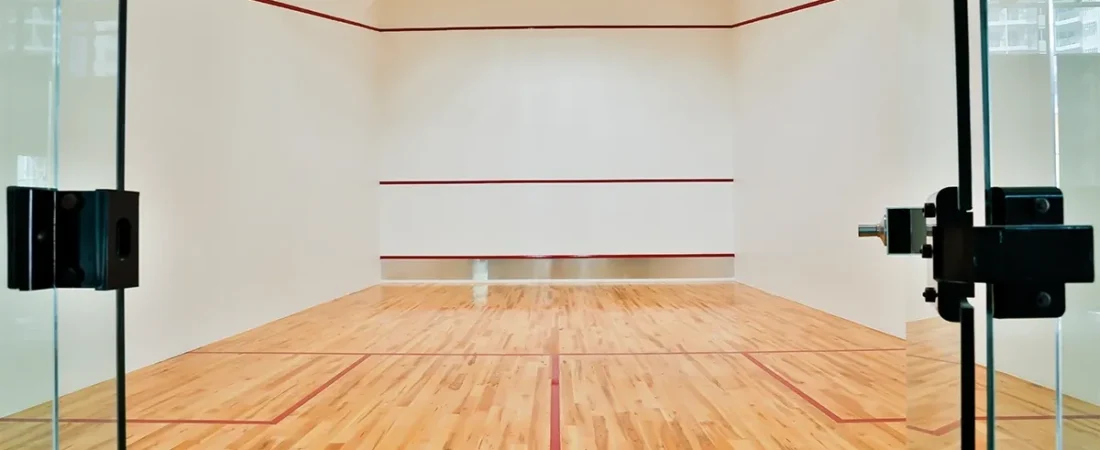
Squash court flooring is a critical part of a professional squash facility because the floor directly affects player movement, traction, comfort, safety and overall playing performance. A properly designed squash floor should provide controlled grip, suitable shock absorption, consistent playing characteristics and long-term durability.
In Pakistan, solid maple wood, engineered wood, sports-grade vinyl and polyurethane systems can be considered for squash courts depending on the playing level, facility type, budget and required performance.
Professional squash flooring requires more than simply installing a hard surface. Subfloor preparation, moisture control, resilient understructure, surface finishing and maintenance all contribute to the final performance of the court.
What Is Squash Court Flooring?
Squash court flooring is a specialized sports flooring system designed for the fast movements and repeated impact associated with squash. Players frequently lunge, turn, accelerate and stop within a relatively small playing area.
Because of this, the floor needs to provide an appropriate balance between traction, resilience, comfort and durability. An unsuitable floor can affect movement and increase the risk of slipping or excessive fatigue.
Shock Absorption
A suitable sports floor can help reduce the impact transferred through the player’s feet and joints.
Controlled Traction
Proper surface grip supports rapid movement, lunges and changes of direction.
Durability
Professional sports flooring is designed to withstand repeated high-intensity use.
Consistent Playing Surface
A properly installed floor provides a more uniform surface for players throughout the court.
Why Is Squash Court Flooring Important?
Squash is a high-speed indoor sport that requires frequent changes in direction. Players must move quickly toward the ball and recover to their position without losing balance.
The floor therefore needs to provide enough traction to support movement while offering suitable resilience and comfort. Professional squash flooring also contributes to the overall appearance and longevity of the facility.
- Supports quick lateral movement.
- Provides suitable grip for player footwork.
- Helps reduce excessive impact on the player’s body.
- Provides a consistent playing surface.
- Withstands repeated training and competition use.
- Creates a professional appearance.
- Can be maintained and resurfaced when required.
Indoor Squash Court Flooring
Indoor squash courts provide a controlled environment and are the preferred choice for professional clubs, sports complexes, gyms, schools and training academies.
Solid maple wood is commonly considered for premium indoor squash courts because it offers a combination of resilience, traction, durability and a professional appearance.
Professional Performance
A properly designed wooden sports floor can provide responsive characteristics for intensive squash play.
Player Comfort
Resilient wood systems can provide a more comfortable surface for repeated movement.
Durability
Quality hardwood systems can provide many years of service when properly maintained.
Professional Appearance
Natural wood creates a premium appearance suitable for clubs and competition facilities.
Outdoor Squash Court Flooring
Outdoor squash courts are less common than indoor courts because squash is normally played in a controlled environment. However, temporary, recreational and promotional court installations may require surfaces capable of handling outdoor exposure.
Synthetic PU, acrylic, rubber-based and modular sports flooring systems can be considered for appropriate outdoor applications.
- UV resistance should be considered.
- The system should tolerate changing temperatures.
- Drainage should be addressed where applicable.
- The surface should provide suitable traction.
- Weather-resistant materials should be selected.
- Maintenance requirements should be considered before installation.
Types of Squash Court Flooring in Pakistan
Several flooring systems can be considered for squash facilities. Each option has different characteristics, cost and maintenance requirements.
1. Solid Maple Wood Flooring
A premium choice for professional indoor squash courts. Maple sports flooring offers a natural playing surface, resilience and a high-quality appearance.
Typical service expectation: approximately 15–20 years with proper care and maintenance.
2. Engineered Wood Flooring
Engineered wood combines a real wood surface with a stable manufactured base. It can be a practical alternative to solid timber for club and academy facilities.
Typical service expectation: approximately 10–15 years depending on quality and maintenance.
3. Vinyl Sports Flooring
Sports-grade vinyl can provide a practical and relatively low-maintenance solution for schools, community facilities and multi-purpose sports halls.
Typical service expectation: approximately 7–10 years depending on traffic and maintenance.
4. PU Sports Flooring
Polyurethane sports systems provide seamless construction and can be suitable for indoor multi-purpose facilities where squash is one of several sports.
Typical service expectation: approximately 8–12 years depending on system specification and use.
Solid Maple Squash Court Flooring
Solid maple is widely associated with premium indoor sports floors. Its combination of natural resilience, appearance and athletic performance makes it an attractive choice for professional squash facilities.
- Suitable for premium indoor sports facilities.
- Natural wood appearance.
- Good resilience and player comfort.
- Suitable for professional-level applications.
- Can be sanded and refinished when required.
- Long service life with proper maintenance.
Engineered Wood Squash Flooring
Engineered wood can provide a more dimensionally stable alternative to solid timber while retaining a genuine wood playing surface. It may be considered for clubs, academies and facilities that want the appearance of wood while managing project cost.
The quality of the top layer, supporting structure, installation method and environmental conditions all influence the performance and service life of an engineered wood floor.
Vinyl Squash Court Flooring
Sports-grade vinyl flooring is increasingly used in multi-purpose indoor sports facilities because it can provide durability, practical maintenance and a controlled surface.
Flexible Surface
Sports vinyl can provide a more resilient surface than many conventional hard floors.
Low Maintenance
Properly installed vinyl can be cleaned and maintained using manufacturer-approved procedures.
Cost Effective
Vinyl can provide a practical alternative where a full hardwood system is outside the project budget.
Multi-Purpose Use
Selected sports vinyl systems can be suitable for facilities used for multiple indoor sports.
PU Squash Court Flooring
PU sports flooring provides a seamless surface and can be specified for indoor sports complexes and multi-purpose facilities. A PU system can incorporate resilient layers beneath the wear surface depending on the required performance.
The complete system should be designed around the intended sport, player comfort, traction, substrate condition and expected traffic.
Squash Court Flooring Comparison
| Flooring Type | Typical Service Expectation | Maintenance | Best Suited For |
|---|---|---|---|
| Solid Maple | 15–20 years | Moderate | Professional and tournament courts |
| Engineered Wood | 10–15 years | Moderate | Clubs and academies |
| Sports Vinyl | 7–10 years | Low | Schools and community facilities |
| PU Sports Flooring | 8–12 years | Low | Indoor sports complexes |
Service-life figures are general planning estimates and can vary depending on product quality, traffic, installation quality, environmental conditions and maintenance.
Squash Court Dimensions and Flooring Area
A standard squash court is commonly planned around dimensions of approximately 32 feet × 21 feet, giving a floor area of approximately 672 square feet.
The actual project area can be different depending on construction details, wall systems, circulation space and the specific court design.
Planning Example
A standard 32 ft × 21 ft court provides approximately 672 sq. ft. of playing-floor area. Contractors should measure the actual site before preparing a final material quantity and quotation.
Squash Court Flooring Installation Process
Professional squash flooring installation requires careful attention to the subfloor, moisture, resilient structure and final surface.
- Site Inspection: Inspect the court dimensions, substrate condition, moisture and environmental conditions.
- Subfloor Preparation: Clean, repair and level the base before installing the sports flooring.
- Moisture Protection: Address moisture risks and ensure the substrate meets the flooring manufacturer’s requirements.
- Resilient Substructure: Install sleepers, pads, underlays or another suitable resilient support system where required.
- Floor Installation: Install the selected maple, engineered wood, vinyl or PU system.
- Seam and Edge Treatment: Complete joints, perimeter details and transitions correctly.
- Surface Finishing: Sand, coat, polish or finish the floor according to the selected system.
- Game Marking: Apply accurate squash court markings according to the applicable specifications.
- Final Inspection: Check surface level, traction, finish and overall installation quality before handover.
Concrete Subfloor Preparation for Squash Flooring
A high-quality sports floor starts with a suitable base. Concrete should be structurally sound, clean, sufficiently level and within the moisture limits required by the selected flooring system.
- Remove dust, dirt, oil and other contaminants.
- Repair cracks and damaged concrete.
- Correct significant uneven areas.
- Mechanically prepare the surface where necessary.
- Check moisture before installation.
- Allow repair materials to cure correctly.
- Verify levelness before installing the sports system.
Squash Court Flooring Price in Pakistan
Squash court flooring prices in Pakistan vary according to the flooring material, court size, subfloor condition, imported or local materials, installation method and additional court requirements.
| Flooring System | Indicative Cost Range | Typical Application |
|---|---|---|
| Solid Maple Wood | PKR 1.2 million – 3 million per court | Premium indoor squash courts |
| PU Sports Flooring | PKR 0.8 million – 1.5 million per court | Indoor sports complexes |
| Sports Vinyl | Depends on product and installation specification | Schools, clubs and multi-purpose facilities |
| Engineered Wood | Mid-range depending on product and brand | Clubs and academies |
These figures should be treated as indicative planning ranges rather than fixed quotations. Final pricing should be based on an actual site measurement, substrate inspection and selected flooring system.
Factors Affecting Squash Court Flooring Cost
Flooring Material
Maple, engineered wood, vinyl and PU systems have different material and installation costs.
Subfloor Condition
Cracks, uneven areas and moisture issues can increase preparation costs.
Imported Materials
Imported flooring systems can have higher material and logistics costs.
Resilient Structure
Premium sports systems may require sleepers, pads or specialized understructures.
Installation
Skilled sports-floor installation contributes to the overall project investment.
Court Accessories
Walls, lighting, doors, markings and other court components can affect the total project cost.
Benefits of High-Quality Squash Court Flooring
Enhanced Player Safety
Appropriate traction and resilient construction can help create a safer environment for rapid player movement.
Improved Comfort
A suitable sports floor can reduce the harsh feel of a conventional hard surface.
Consistent Playing Environment
A properly installed floor provides a more uniform surface throughout the court.
Long-Term Durability
Quality sports flooring can provide years of service when correctly installed and maintained.
Professional Appearance
A premium floor improves the overall presentation of clubs, academies and sports complexes.
Facility Value
A professionally constructed squash court can improve the functionality and appeal of a sports facility.
Squash Court Flooring Maintenance
Regular maintenance is essential for preserving the appearance, traction and service life of a squash floor.
- Dust mop the floor regularly.
- Remove dirt and debris before it accumulates.
- Avoid excessive water on wooden flooring.
- Use cleaning products recommended for the specific floor.
- Encourage players to use clean, non-marking indoor shoes.
- Inspect the surface regularly for damage.
- Repair damaged areas promptly.
- Sand and recoat wooden floors when required.
- Maintain suitable indoor environmental conditions.
Humidity and Climate Control for Wooden Squash Floors
Wood is sensitive to changes in moisture and humidity. Maintaining stable indoor environmental conditions is therefore important for hardwood squash flooring.
As a general maintenance target, indoor relative humidity around 40–60% can help reduce excessive dimensional movement in wood. The flooring manufacturer’s requirements should always take priority.
Squash Court Flooring for Schools and Academies
Schools, universities and sports academies often require flooring that can handle repeated training sessions while remaining practical to maintain.
Sports vinyl and engineered wood can be considered where budget and maintenance are important, while premium hardwood systems may be preferred for professional training environments.
Squash Court Flooring for Clubs and Sports Complexes
Commercial sports clubs may experience intensive daily usage. Flooring should therefore be selected according to expected player traffic, maintenance resources and required performance level.
For premium facilities, a professional hardwood sports system with suitable resilient construction can provide a high-quality playing environment.
Squash Court Flooring for Gyms and Fitness Centers
Gyms and fitness centers may use squash courts alongside other sports and fitness activities. In such environments, durability, cleaning requirements and multi-purpose use become particularly important.
PU or sports vinyl can be considered for facilities where the same area may need to support multiple indoor activities, while dedicated hardwood can be selected for a specialized squash facility.
How to Choose the Best Squash Court Flooring
- Define the Playing Level: Determine whether the court is for recreation, training, academy use or professional competition.
- Inspect the Building: Evaluate the room dimensions, ventilation, humidity and subfloor condition.
- Select the Flooring Type: Compare solid maple, engineered wood, vinyl and PU systems.
- Evaluate Traction: Choose a surface that provides suitable grip for rapid movement.
- Consider Resilience: Evaluate the complete understructure and cushioning system.
- Consider Maintenance: Match the flooring to the facility’s cleaning and maintenance capabilities.
- Check Standards: For professional facilities, verify the applicable squash federation requirements before final specification.
- Compare Complete Quotations: Make sure preparation, flooring, understructure, installation, finishing and markings are clearly included.
Common Squash Court Flooring Problems
Slippery Surface
Dust, unsuitable cleaning products, worn finishes or incorrect flooring selection can affect traction.
Wood Movement
Excessive changes in moisture or humidity can contribute to dimensional movement in wooden flooring.
Uneven Floor
Poor subfloor preparation can create irregularities in the finished sports surface.
Surface Wear
Heavy traffic, incorrect footwear and inadequate maintenance can accelerate wear.
Moisture Problems
Moisture beneath the flooring can cause long-term performance and installation problems.
Finish Damage
Abrasive dirt, unsuitable chemicals or equipment movement can damage the surface finish.
Squash Court Flooring Contractors in Pakistan
A professional squash flooring contractor should be able to manage the project from site inspection and material selection through installation, finishing and maintenance.
When comparing contractors, ask for project references, technical specifications, material details, installation methodology and a clear breakdown of the quotation.
- Site inspection and measurement.
- Subfloor preparation and leveling.
- Moisture assessment and protection.
- Wood, vinyl or PU sports flooring installation.
- Resilient understructure installation.
- Surface finishing and polishing.
- Squash court line marking.
- Floor renovation and resurfacing.
- Maintenance and repair support.
Squash Court Flooring in Lahore, Karachi, Islamabad and Across Pakistan
Squash flooring projects can be planned for sports clubs, universities, schools, gyms, hotels, government sports complexes, residential gyms and private courts across Pakistan.
Because flooring requirements can vary by project, a site inspection is recommended before selecting the final system or preparing a quotation.
Lahore
Squash flooring solutions for clubs, academies, universities, gyms and private facilities.
Karachi
Indoor sports flooring systems selected with consideration for the local environment and facility requirements.
Islamabad & Rawalpindi
Professional flooring solutions for sports complexes, academies and institutional facilities.
Other Cities
Squash flooring projects can also be planned for Faisalabad, Multan, Peshawar, Sialkot, Gujranwala and other locations.
Squash Court Flooring Project Checklist
Before approving a squash flooring project, confirm the following:
- Actual court dimensions.
- Subfloor condition.
- Substrate moisture level.
- Selected flooring material.
- Complete understructure specification.
- Floor thickness and system construction.
- Surface finish and traction requirements.
- Installation methodology.
- Game markings.
- Maintenance requirements.
- Warranty terms.
- Complete material and labor quotation.
Frequently Asked Questions
What is the best flooring for squash courts?
Solid maple wood is commonly selected for premium indoor squash courts because of its resilience, traction and professional playing characteristics. PU, engineered wood and sports-grade vinyl can also be considered for suitable facilities.
What is the price of squash court flooring in Pakistan?
Squash court flooring prices vary by material, court size, subfloor preparation and installation requirements. Indicative project ranges can start around PKR 0.8 million for some PU or vinyl systems and can reach PKR 3 million or more for premium wooden systems.
How much does a wooden squash court floor cost?
A wooden squash court floor can vary significantly depending on the wood species, imported material, resilient understructure, court size and installation. A professional quotation should be based on an actual site inspection.
What is the standard squash court size?
A commonly used standard squash court footprint is approximately 32 feet by 21 feet, or about 672 square feet. Actual construction should follow the applicable court specifications.
Is maple wood good for squash courts?
Yes. Maple is widely used for premium indoor sports floors because it can provide suitable resilience, traction, durability and a professional appearance.
Can vinyl flooring be used for a squash court?
Yes. Specialized sports-grade vinyl can be considered for suitable indoor squash facilities, particularly schools, clubs and multi-purpose sports halls.
Is PU flooring suitable for squash courts?
PU sports flooring can be suitable for indoor squash and multi-purpose sports facilities when the complete system is properly specified and installed.
How long does a squash court floor last?
Service life depends on the material, installation quality, traffic and maintenance. Quality wooden systems may provide approximately 15–20 years of service, while selected vinyl and PU systems may provide approximately 7–12 years.
Does a squash court floor require maintenance?
Yes. Regular dusting, suitable cleaning, prompt repairs and periodic refinishing where applicable help preserve the floor’s performance and appearance.
How should a wooden squash floor be cleaned?
Regular dry dusting is recommended, while excessive water should be avoided. Cleaning products should be compatible with the specific sports-floor finish.
Why is moisture control important for squash flooring?
Excessive moisture can affect wood, adhesives, coatings and subfloor systems. The substrate and indoor environment should meet the selected flooring manufacturer’s requirements.
Can squash court flooring be installed over concrete?
Yes. Many squash flooring systems can be installed over a properly prepared concrete base. The concrete should be structurally sound, suitably level, clean and within the required moisture limits.
Do squash courts need a shock-absorbing subfloor?
A resilient or shock-absorbing construction can be an important component of a professional sports floor. The exact construction depends on the selected flooring system and performance requirements.
Need Squash Court Flooring in Pakistan?
Choose the right squash flooring system based on your court type, playing level, substrate, budget and performance requirements. Professional installation can help ensure a durable and consistent sports surface.
Request a Squash Court Flooring QuoteRelated Sports Flooring Services
Conclusion
Squash court flooring is an important investment for any professional sports facility. The right floor should provide suitable traction, player comfort, resilience, durability and a consistent playing environment.
Solid maple remains a strong choice for premium indoor squash courts, while engineered wood, sports vinyl and PU systems can provide practical alternatives for clubs, academies, schools and multi-purpose facilities.
For the best long-term results, consider the complete flooring system rather than the surface material alone. Proper subfloor preparation, moisture management, resilient construction, professional installation and regular maintenance all contribute to the performance and service life of the finished squash court.