Paddle Tennis Court Flooring in Pakistan: Types, Price, Installation & Maintenance
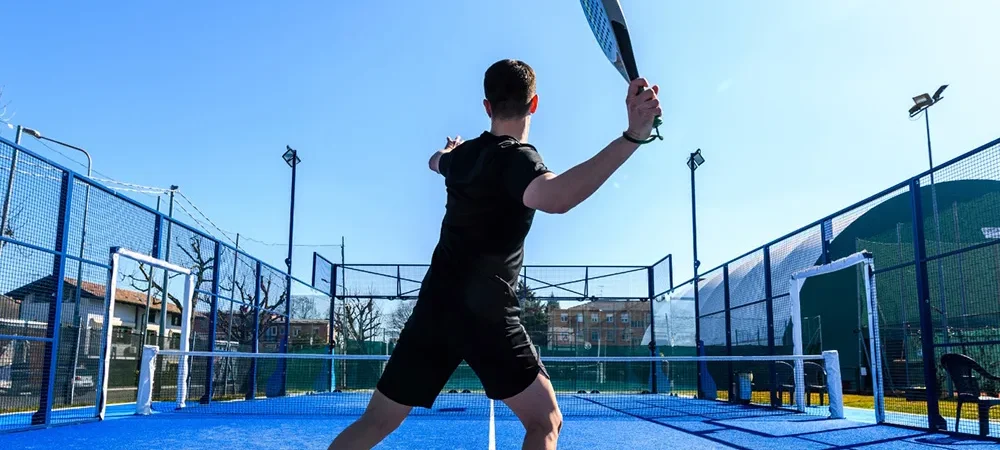
Paddle tennis court flooring is one of the most important components of a high-performance paddle or padel court. The right surface affects player traction, ball response, shock absorption, safety, maintenance and the overall playing experience.
In Pakistan, paddle tennis is becoming increasingly popular in sports clubs, academies, residential communities, hotels and commercial sports complexes. Whether you are planning an indoor, outdoor or semi-covered court, the flooring system should be selected according to climate, expected traffic, drainage, playing characteristics and budget.
A successful paddle court project requires more than selecting a surface. The sub-base, drainage, leveling, shock absorption, court enclosure, line marking and professional installation all contribute to long-term performance.
What Is Paddle Tennis Court Flooring?
Paddle tennis, commonly associated with padel-style courts, is a fast-paced racket sport played on a smaller enclosed court. Because players make frequent lateral movements, quick stops, turns and accelerations, the playing surface must provide a carefully balanced combination of traction, controlled movement and impact comfort.
Paddle court flooring can include synthetic turf, acrylic coatings, polyurethane sports systems, modular polypropylene tiles or hybrid systems. The best choice depends on whether the court is indoor or outdoor and the required level of performance.
Why Does Paddle Court Flooring Matter?
Player Safety
Appropriate traction and cushioning help players move confidently during rapid rallies and directional changes.
Ball Response
A consistent surface helps produce predictable ball movement and playing characteristics.
Traction & Movement
The floor should provide enough grip while allowing controlled movement during quick changes of direction.
Long-Term Durability
Commercial paddle courts require flooring capable of handling frequent games, foot traffic and repeated impact.
Indoor Paddle Tennis Court Flooring
Indoor paddle courts are protected from direct sunlight, rainfall, dust and extreme temperature changes. This allows flooring systems such as PU sports flooring, cushioned acrylic systems and synthetic vinyl surfaces to be considered according to the project design.
PU Sports Flooring
Seamless polyurethane flooring can provide a resilient, comfortable and professional playing surface.
Cushioned Acrylic
Acrylic systems can be combined with cushioning layers to improve comfort while maintaining predictable playing characteristics.
Synthetic Vinyl
Sports-grade vinyl can be considered for selected indoor multipurpose facilities.
Controlled Environment
Indoor courts reduce direct exposure to UV radiation and rainfall, helping simplify routine surface maintenance.
Outdoor Paddle Tennis Court Flooring
Outdoor paddle courts must be designed to withstand sunlight, heat, rain, dust and temperature changes. Flooring selection should therefore prioritize UV stability, drainage, weather resistance and appropriate surface traction.
Synthetic Turf
Short-pile synthetic turf with suitable infill is a popular option for outdoor paddle courts.
Acrylic Flooring
Multi-layer acrylic systems can be applied over properly prepared concrete or asphalt bases.
Modular Tiles
Interlocking sports tiles can provide fast installation and useful drainage characteristics for selected outdoor sites.
Drainage
Proper slope and perimeter drainage are essential for outdoor courts exposed to heavy rainfall.
Types of Paddle Tennis Court Flooring
1. Synthetic Turf with Sand Infill
Short-pile synthetic turf is one of the most recognizable surfaces for paddle-style courts. Silica sand infill can help control the fibers and contribute to the desired playing characteristics.
- Good traction.
- Controlled player movement.
- Comfortable playing feel.
- Attractive appearance.
- Suitable for outdoor and semi-covered courts.
- Individual sections can be repaired when necessary.
Best for: Outdoor clubs, commercial sports facilities, residential communities and recreational paddle courts.
2. Acrylic Sports Flooring
Acrylic flooring consists of multiple coating layers applied over a prepared concrete or asphalt base. It can provide a durable and visually attractive sports surface.
- Durable hard-court surface.
- Wide range of colours.
- Easy line marking.
- Relatively low routine maintenance.
- Suitable for outdoor applications.
- Ball response can be consistent on a properly prepared base.
Best for: Clubs, training facilities and outdoor sports complexes requiring a hard sports surface.
3. PU Elastic Sports Flooring
Polyurethane flooring is a resin-based sports system installed in multiple layers. It can provide a seamless surface with good resilience and shock absorption.
- Seamless finish.
- Excellent player comfort.
- Good shock absorption.
- Customizable surface texture.
- Suitable for indoor or covered facilities.
- Professional appearance.
Best for: Premium indoor or covered paddle courts where player comfort and surface performance are priorities.
4. Modular Interlocking Sports Tiles
Heavy-duty polypropylene or composite tiles lock together to create a modular sports surface. Selected systems include perforations that allow water to drain through the surface.
- Fast installation.
- Easy replacement of damaged sections.
- Good drainage characteristics.
- Suitable for selected outdoor applications.
- Low routine maintenance.
Best for: Outdoor courts, temporary facilities and projects where fast installation is important.
5. Hybrid Paddle Court Flooring
Hybrid systems combine different flooring technologies, such as synthetic turf over a shock pad or turf over a resilient base.
- Combines playing comfort and surface performance.
- Can improve impact absorption.
- Suitable for premium facilities.
- Can be customized for project requirements.
Best for: Premium commercial paddle clubs and facilities where performance is prioritized over initial cost.
Paddle Court Flooring Comparison
| Flooring Type | Shock Absorption | Outdoor Suitability | Drainage | Maintenance |
|---|---|---|---|---|
| Synthetic Turf | Good with suitable underlay | Excellent | Good with proper base | Moderate |
| Acrylic | Moderate | Excellent | Depends on base | Low |
| PU Flooring | Excellent | System dependent | Depends on base | Low |
| Modular PP Tiles | Good | Excellent | Excellent in perforated systems | Very low |
| Hybrid Systems | Excellent | Excellent with suitable materials | System dependent | Moderate |
Paddle Court Flooring Specifications
The final specification should be selected according to the flooring manufacturer, intended level of play, site conditions and applicable sports requirements.
| Performance Factor | What to Consider |
|---|---|
| Surface Traction | Balanced grip for quick movement and directional changes. |
| Ball Response | Consistent surface characteristics and predictable bounce. |
| Shock Absorption | Important for player comfort during repeated movements. |
| UV Resistance | Essential for outdoor turf, coatings and exposed materials. |
| Drainage | Critical for outdoor courts exposed to monsoon rainfall. |
| Surface Texture | Should provide suitable traction without excessive slipperiness. |
| Durability | Should match expected daily traffic and commercial usage. |
Paddle Court Flooring and Pakistan’s Climate
Pakistan’s hot summers, strong sunlight, monsoon rainfall and regional differences make climate an important part of paddle court design.
UV Exposure
Outdoor courts should use UV-stable turf, coatings and other materials to reduce fading and premature deterioration.
Heat
Flooring and base systems should accommodate thermal movement to reduce the risk of cracking and surface failure.
Monsoon Rain
Proper gradients, perimeter drainage and a suitable sub-base help prevent standing water.
Dust & Sand
Regular cleaning is especially important in dusty or semi-arid areas to preserve traction and surface quality.
Humidity
Indoor courts require proper ventilation and moisture control, particularly during installation of polymeric flooring.
Drainage
Outdoor paddle courts should be designed so rainwater moves away from the playing surface efficiently.
Sub-Base and Drainage: The Foundation of a Good Paddle Court
The flooring surface cannot compensate for a poorly constructed sub-base. Cracking, settlement, standing water and unevenness in the base can eventually affect the finished sports surface.
Concrete Base
A properly prepared concrete slab provides a stable foundation for acrylic, PU and other suitable sports systems.
Asphalt Base
Asphalt can provide a suitable flexible base for selected acrylic sports systems.
Granular Base
Compacted aggregate layers can be used beneath selected modular tile systems when properly engineered.
Perimeter Drainage
Outdoor courts should incorporate appropriate drains to direct rainwater away from the playing area.
Paddle Tennis Court Flooring Installation Process
- Site Survey: Inspect the site, dimensions, soil conditions, existing base, access and drainage requirements.
- Subgrade Preparation: Remove unsuitable material and compact the ground where required.
- Granular Base: Install and compact suitable aggregate layers for projects requiring a granular foundation.
- Concrete or Asphalt Base: Construct and level the structural playing base according to project requirements.
- Drainage Installation: Install perimeter drains and drainage components where required.
- Base Inspection: Check levelness, slope, cracks, moisture and surface condition.
- Shock Pad: Install an appropriate shock-absorbing layer where the selected system requires one.
- Main Surface Installation: Install synthetic turf, acrylic, PU or modular tiles according to the selected system.
- Surface Finishing: Complete infill, texture coats, top coats, seams or edge fixing as applicable.
- Line Marking: Apply durable court lines with suitable sports marking materials.
- Perimeter Finishing: Ensure edges, trims, fencing and court enclosure interfaces are properly finished.
- Final Inspection: Check surface condition, drainage, markings and overall playability before handover.
How Long Does Paddle Court Flooring Installation Take?
Installation time depends on the court size, base condition, flooring system, weather and whether the project involves complete court construction or only surface installation.
| System | Indicative Installation Period |
|---|---|
| Modular Interlocking Tiles | Approximately 2–4 days after base readiness |
| Synthetic Turf | Approximately 3–7 days after base readiness |
| Acrylic Sports Flooring | Approximately 5–10 days depending on coating and curing |
| PU Sports Flooring | Approximately 7–14 days depending on system and curing |
These are planning estimates only. Weather, moisture, surface preparation and material curing requirements can change the actual installation schedule.
Paddle Tennis Court Flooring Price in Pakistan
The paddle tennis court flooring price in Pakistan depends on the selected flooring material, court size, base construction, drainage, material quality, site condition and installation requirements.
| Flooring System | Indicative Price Range | Typical Application |
|---|---|---|
| Basic Acrylic | PKR 400–900 / sq. ft. | Outdoor courts over prepared bases |
| Synthetic Turf | PKR 600–1,600 / sq. ft. | Outdoor and semi-covered courts |
| PU Elastic Flooring | PKR 1,200–2,500 / sq. ft. | Premium indoor or covered courts |
| Modular Sports Tiles | PKR 700–1,500 / sq. ft. | Outdoor and quick-installation projects |
| Premium Hybrid System | PKR 1,800–3,500 / sq. ft. | Premium sports facilities |
What Affects Paddle Court Flooring Cost?
Flooring Material
Turf, acrylic, PU and modular tiles have different material and installation costs.
Sub-Base Construction
New concrete, asphalt or granular base construction can significantly affect the overall project cost.
Drainage
Outdoor sites requiring new drainage channels or perimeter drains will have additional construction costs.
Court Size
Larger playing areas require more materials and installation labour.
Material Quality
Imported UV-stable turf and premium sports systems generally cost more than economy alternatives.
Fencing & Glass
Paddle courts commonly require specialist enclosure systems, which should be budgeted separately from flooring.
Lighting
Sports-grade LED floodlighting can add considerably to the complete court construction budget.
Location
Transportation, labour availability and local material supply can affect project pricing in different Pakistani cities.
Paddle Court Flooring Maintenance
Regular maintenance helps preserve playing characteristics, traction, appearance and service life. The exact maintenance procedure should follow the flooring manufacturer’s recommendations.
Synthetic Turf Maintenance
- Brush turf fibers regularly.
- Remove leaves, dust and debris.
- Check sand infill levels.
- Inspect seams and perimeter edges.
- Deep clean periodically.
Acrylic Maintenance
- Sweep dust and leaves regularly.
- Remove standing water after heavy rain.
- Inspect cracks and damaged areas.
- Repair small defects before they spread.
- Resurface when significant wear develops.
PU Flooring Maintenance
- Clean using approved mild products.
- Avoid abrasive cleaning equipment.
- Remove spills quickly.
- Inspect high-wear areas.
- Repair damaged coating promptly.
Modular Tile Maintenance
- Remove dirt and debris from the surface.
- Keep drainage openings clear.
- Inspect damaged tiles.
- Replace broken sections when required.
- Check the sub-base after heavy rainfall.
Common Paddle Court Flooring Problems
Slippery Surface
Dirt, standing water, unsuitable cleaning products or surface wear can reduce traction.
Standing Water
Poor slope or blocked drainage can result in water remaining on an outdoor court after rainfall.
Surface Cracking
Movement in poorly prepared concrete or asphalt bases can cause cracks to appear in surface coatings.
Turf Compaction
Synthetic turf infill can become compacted under heavy use, affecting fiber position and playing characteristics.
UV Damage
Low-quality outdoor materials may fade or deteriorate more quickly under prolonged sunlight.
Uneven Base
Settlement or poor preparation beneath the flooring can affect surface performance and drainage.
How to Choose the Best Paddle Court Flooring in Pakistan
- Determine the Court Location: Decide whether the court will be indoor, outdoor or semi-covered.
- Consider Climate: Evaluate sunlight, heat, humidity, rainfall and dust exposure.
- Inspect the Base: Check the existing concrete or asphalt for cracks, levelness and moisture.
- Plan Drainage: Outdoor courts require effective water management.
- Define Usage: Consider whether the court will be private, recreational, academy-based or commercial.
- Choose the Playing Feel: Compare turf, acrylic, PU and modular systems based on traction, movement and player comfort.
- Consider Maintenance: Select a system that matches the facility’s maintenance capacity.
- Compare Complete Quotations: Make sure the quotation clearly identifies preparation, flooring, markings and installation.
Paddle Tennis Court Installation Services in Pakistan
Professional paddle court installation services can provide a complete solution from site inspection and base construction to flooring, court markings, fencing and final inspection.
- Site inspection and measurement.
- Project planning and court layout.
- Subgrade and sub-base preparation.
- Concrete or asphalt base construction.
- Drainage and slope preparation.
- Shock-pad installation where required.
- Synthetic turf installation.
- Acrylic sports coating installation.
- PU sports flooring installation.
- Modular sports tile installation.
- Court line marking.
- Glass and fencing installation.
- Sports lighting installation.
- Final surface inspection and handover.
Paddle Court Flooring Contractors in Pakistan
Choosing an experienced paddle court contractor is important because the finished court depends on both the flooring material and the construction below it. A professional contractor should be able to evaluate the site, recommend a suitable system and coordinate flooring with drainage, fencing, lighting and court dimensions.
Technical Experience
Choose a contractor familiar with sports flooring and paddle-specific court requirements.
Quality Materials
Confirm the proposed turf, coatings, adhesives and other materials are suitable for the intended environment.
Proper Base Work
Make sure the contractor does not overlook leveling, compaction, cracking and drainage.
Complete Installation
A turnkey contractor can coordinate flooring, markings, fencing, lighting and related court components.
Paddle Tennis Court Flooring Applications
Sports Clubs
Durable paddle flooring for frequent recreational and competitive play.
Sports Academies
Professional surfaces for training, coaching and player development.
Residential Communities
Paddle courts for gated communities, apartment developments and private recreation facilities.
Hotels & Resorts
Premium sports facilities designed to improve guest recreation and entertainment options.
Commercial Sports Complexes
High-traffic courts designed for memberships, rentals, tournaments and events.
Private Paddle Courts
Customized court flooring for private homes and personal sports facilities.
Paddle Court Flooring in Lahore, Karachi, Islamabad & Across Pakistan
Paddle court flooring can be designed for facilities throughout Pakistan. The flooring system should be adapted to local site and climate conditions rather than using the same specification for every city.
Lahore
Outdoor acrylic and synthetic turf courts can be designed with appropriate drainage and UV protection for local conditions.
Karachi
Flooring should account for heat, intense sunlight, humidity and coastal environmental conditions.
Islamabad & Rawalpindi
Indoor, outdoor and semi-covered paddle courts can be customized for clubs, communities and sports facilities.
Other Pakistani Cities
Paddle court systems can also be developed in Faisalabad, Multan, Sialkot, Gujranwala, Peshawar and other cities.
Paddle Court Project Checklist
- Confirm available court dimensions and orientation.
- Determine indoor or outdoor installation.
- Inspect soil and existing subfloor conditions.
- Plan concrete, asphalt or granular base construction.
- Design appropriate drainage for outdoor courts.
- Select synthetic turf, acrylic, PU or modular flooring.
- Determine the desired playing characteristics.
- Select UV-resistant materials for outdoor installations.
- Plan shock absorption where required.
- Choose court colours and markings.
- Plan fencing and glass enclosure.
- Plan sports lighting.
- Establish a regular maintenance schedule.
- Request a detailed written quotation.
Frequently Asked Questions
What is the best flooring for a paddle tennis court?
Synthetic turf, acrylic sports flooring, PU elastic flooring and modular sports tiles can all be suitable depending on whether the court is indoor or outdoor, the desired playing characteristics, drainage requirements and budget.
Is artificial turf suitable for paddle tennis courts?
Yes. Short-pile synthetic turf is commonly used for paddle or padel-style courts. Quality UV-stable turf, suitable infill, proper installation and effective drainage are important for outdoor use.
What is the price of paddle court flooring in Pakistan?
Indicative flooring-only costs can range from approximately PKR 400 to PKR 3,500 per square foot depending on whether acrylic, synthetic turf, PU, modular tiles or a premium hybrid system is selected. Complete court construction costs can be significantly higher.
How much does a complete paddle court cost in Pakistan?
A complete paddle court price depends on the flooring, structural base, glass or fencing system, lighting, drainage, accessories, court size and material quality. A contractor should provide a complete project quotation rather than estimating the entire court from flooring cost alone.
What is better for outdoor paddle courts, acrylic or turf?
Both can be suitable. Acrylic provides a hard sports surface with predictable characteristics and relatively low maintenance, while synthetic turf can provide a different playing feel with good traction. The choice should be based on playing preference, climate, drainage and budget.
Can PU flooring be used for paddle tennis?
PU elastic flooring can be considered for indoor or covered paddle facilities where resilience, seamless construction and player comfort are priorities. The system should be specified for the intended sports application.
Does an outdoor paddle court need drainage?
Yes. Effective drainage is essential for outdoor courts, particularly in areas exposed to heavy monsoon rainfall. The base should be appropriately graded and perimeter drainage should be provided where necessary.
How long does paddle court flooring last?
Service life depends on the flooring material, installation quality, traffic, climate and maintenance. UV exposure, heavy use and poor drainage can shorten the life of outdoor surfaces.
How long does paddle court flooring installation take?
Flooring installation can take from several days to around two weeks depending on the system and site preparation. Complete court construction, including the structural base, drainage, enclosure and lighting, requires additional time.
How do I maintain synthetic turf paddle court flooring?
Regularly brush the turf, remove leaves and debris, inspect seams, maintain appropriate infill levels and periodically perform deep cleaning. Drainage should also be checked after heavy rainfall.
What are the common mistakes when building a paddle court?
Common mistakes include poor sub-base preparation, inadequate drainage, low-quality outdoor materials, insufficient UV protection, incorrect leveling and choosing an installer without relevant sports flooring experience.
Need Paddle Tennis Court Flooring in Pakistan?
Get a paddle court flooring solution designed around your court size, location, playing requirements, drainage conditions and budget. Professional installation can help deliver a durable, safe and high-performance sports surface.
Request a Paddle Court Flooring QuoteRelated Sports Flooring Services
Conclusion
Choosing the right paddle tennis court flooring in Pakistan requires consideration of playing characteristics, climate, court location, drainage, expected traffic and long-term maintenance.
Synthetic turf is a practical and popular choice for many outdoor paddle courts, while acrylic systems offer a durable hard-court alternative. PU elastic flooring can be attractive for premium indoor or covered facilities, and modular tiles can be useful where rapid installation and drainage are important.
Whatever flooring system you select, the foundation of a successful paddle court is proper sub-base preparation, effective drainage, quality materials and professional installation. Investing in these elements can improve playing performance, reduce maintenance problems and provide better long-term value.