
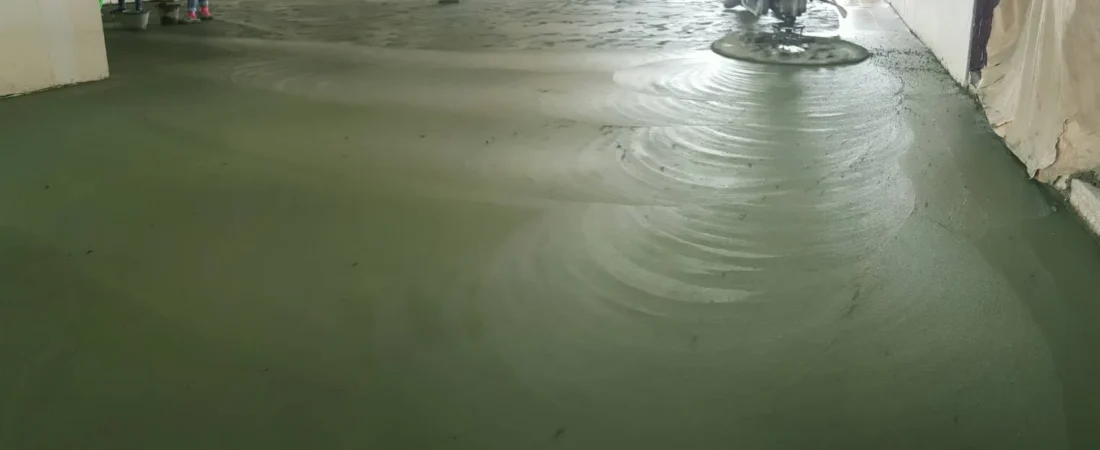
Floor Hardener Services in Pakistan: Durable Concrete Flooring Solutions
Floor hardener is a practical solution for improving the surface strength, abrasion resistance and durability of concrete floors. It is widely used in warehouses, factories, workshops, parking areas, commercial buildings and other locations exposed to heavy traffic and mechanical wear.
A properly specified floor hardener can reduce surface dusting, improve resistance to abrasion and help extend the useful service life of a concrete floor. The appropriate system depends on traffic loads, machinery, environmental conditions, chemical exposure and the condition of the concrete substrate.
The existing concrete, expected traffic, forklift movement, impact, moisture, chemical exposure and required finish should all be considered before choosing a floor hardener system. Professional installation and proper curing are also essential for achieving the intended performance.
What Is a Floor Hardener?
A floor hardener is a cementitious, mineral, metallic, chemical or resin-based material used to improve the surface properties of a concrete floor.
Depending on the product, a floor hardener may be applied to fresh concrete as a dry-shake material or applied to an existing concrete surface as a liquid densifier or resin-based flooring system.
The main purpose is to create a stronger and more wear-resistant surface that can better withstand foot traffic, forklifts, pallet trucks, machinery and other forms of mechanical use.
Why Are Floor Hardeners Important?
Ordinary concrete can experience surface dusting, abrasion and wear when exposed to continuous industrial traffic. In demanding environments, an appropriately designed floor hardener system can improve the performance of the concrete surface.
Increases Surface Hardness
Hardener systems improve the surface hardness of concrete and make the floor better suited to demanding traffic conditions.
Improves Abrasion Resistance
A properly installed hardener helps protect concrete against continuous pedestrian, forklift and equipment movement.
Reduces Dusting
Suitable hardener and densifier systems can reduce loose surface particles and concrete dust.
Reduces Maintenance
A more durable surface can require less frequent repair and maintenance compared with an inadequately protected concrete floor.
Improves Floor Life
Protecting the concrete surface can help extend the useful service life of floors exposed to heavy operational conditions.
Professional Appearance
Proper finishing can provide a cleaner, smoother and more uniform appearance for industrial and commercial spaces.
Types of Floor Hardeners
Floor hardeners are available in different formulations. The best option depends on the required surface performance, traffic level, application method and environmental conditions.
1. Non-Metallic Floor Hardener
Non-metallic dry-shake floor hardeners generally contain cement, hard mineral aggregates and additives. They are broadcast onto freshly placed concrete and mechanically finished into the surface.
- Non-rusting
- Good abrasion resistance
- Suitable for warehouses
- Suitable for factories
- Suitable for parking areas
- Suitable for many commercial floors
2. Metallic Floor Hardener
Metallic floor hardeners contain metallic aggregates and are intended for areas exposed to severe mechanical stress and heavy industrial traffic.
- High abrasion resistance
- High impact resistance
- Suitable for heavy machinery
- Suitable for forklift areas
- Suitable for loading zones
- Suitable for heavy industrial facilities
3. Chemical Floor Hardener / Liquid Densifier
Liquid densifiers based on silicate or lithium chemistry penetrate concrete and react with components within the cement matrix to create a denser surface.
- Suitable for new or existing concrete
- Helps reduce surface dusting
- Low-maintenance solution
- Can improve surface density
- Suitable for warehouses and commercial floors
4. Epoxy-Based Flooring
Epoxy is a resin-based flooring system rather than a conventional dry-shake hardener. It creates a hard, seamless surface with strong chemical and mechanical performance when correctly specified.
- Seamless finish
- High chemical resistance for suitable formulations
- Good abrasion resistance
- Easy to clean
- Suitable for specialized commercial and industrial areas
- Available in decorative finishes
Floor Hardener Services We Provide
Complete floor hardener installation involves more than simply applying hardener to concrete. The substrate, timing, application rate, finishing and curing process all influence the final result.
Dry Shake Floor Hardener
Application of non-metallic hardener to freshly placed concrete, followed by mechanical finishing.
Metallic Floor Hardener
Heavy-duty metallic aggregate systems for applications involving severe mechanical loading and abrasion.
Non-Metallic Floor Hardener
Practical solution for warehouses, commercial areas, factories, basements and parking facilities.
Concrete Densification
Application of liquid densifiers to improve concrete surface density and reduce dusting.
Surface Preparation
Cleaning, grinding, repair and preparation of existing concrete before applying suitable surface treatments.
Concrete Finishing
Professional mechanical finishing helps achieve a consistent, durable and level floor surface.
Floor Hardener Installation Process
The installation process varies according to whether the system is a fresh-concrete dry shake, liquid densifier or resin-based flooring system. A typical dry-shake floor hardener installation includes the following steps.
1. Site Assessment
Evaluate the project requirements, concrete specification, traffic levels, machinery, environmental conditions and intended use.
2. Concrete Placement
Fresh concrete is placed, compacted and levelled according to the required floor specification.
3. Surface Preparation
The concrete surface is prepared and brought to the appropriate condition before the dry-shake hardener is broadcast.
4. First Hardener Application
The specified quantity of hardener is evenly distributed over the concrete surface.
5. Mechanical Finishing
Power floating or suitable mechanical finishing incorporates the hardener into the concrete surface.
6. Second Application
Where required by the specified system, a second controlled application is made to improve uniformity.
7. Final Troweling
The surface is mechanically finished to achieve the required smoothness, density and appearance.
8. Joint Cutting
Appropriate construction and control joints are installed according to the concrete floor design.
9. Curing
Proper curing is carried out to support the development of concrete strength and reduce premature surface problems.
10. Final Inspection
The completed floor is inspected for surface consistency, finishing quality and compliance with the project requirements.
Where Are Floor Hardeners Used?
Industrial Warehouses
Warehouse floors experience constant movement from forklifts, pallet trucks, storage systems and workers.
Factories
Manufacturing facilities can benefit from wear-resistant concrete surfaces around machinery and production areas.
Parking Garages
Hardened concrete surfaces can help withstand continuous vehicle movement and surface abrasion.
Loading Bays
Loading and unloading areas can require high resistance to impact, wheel traffic and abrasion.
Workshops
Workshops can benefit from durable concrete surfaces designed for machinery, equipment and vehicle movement.
Commercial Buildings
Floor hardeners can be used in commercial areas requiring durable, low-maintenance concrete surfaces.
Showrooms
Suitable densifiers and polished concrete systems can provide a clean and professional appearance.
Basements
Durable concrete treatments can be used in basement parking, storage and service areas.
Food & Pharmaceutical Facilities
Where hygiene and cleaning requirements are important, the flooring system should be selected according to the specific operational conditions.
Airports & Transport Facilities
High-traffic transportation areas may require concrete surfaces with enhanced resistance to abrasion and mechanical wear.
Floor Hardener for Warehouses
Warehouse floors are continuously exposed to forklifts, pallet trucks, shelving systems, storage loads and pedestrian traffic. A properly designed floor hardener can improve the surface’s resistance to routine mechanical wear.
- Suitable for forklift traffic
- Helps reduce concrete dusting
- Improves abrasion resistance
- Suitable for storage and logistics areas
- Can reduce routine surface maintenance
- Can be combined with appropriate joint detailing
Floor Hardener for Factories
Manufacturing environments can expose concrete floors to heavy equipment, impact, vibration, oils and continuous traffic. Floor hardener selection should therefore be based on the actual manufacturing process.
Non-metallic systems can be suitable for general industrial areas, while metallic systems may be considered where substantially higher mechanical loads and abrasion are expected.
Floor Hardener for Parking Areas
Parking areas experience repeated wheel traffic, turning forces, abrasion, dust and exposure to vehicle fluids. A suitable concrete hardener can improve surface durability and reduce dusting.
- Suitable for vehicle traffic areas
- Improves surface abrasion resistance
- Reduces concrete dust
- Supports easier routine maintenance
- Can be finished with suitable surface texture
- Suitable for basements and parking garages
Floor Hardener vs Regular Concrete
| Feature | Regular Concrete Surface | Hardened Concrete Surface |
|---|---|---|
| Surface Hardness | Standard concrete performance | Improved surface hardness |
| Abrasion Resistance | Depends heavily on concrete quality | Improved with suitable hardener |
| Dusting | May occur with poor or heavily worn surfaces | Can be significantly reduced with suitable treatment |
| Maintenance | May require more frequent surface maintenance | Generally easier to maintain when correctly specified |
| Heavy Traffic | Performance depends on concrete specification | Better suited when appropriate hardener is specified |
| Appearance | Basic concrete appearance | Smoother and more uniform finish possible |
Floor Hardener vs Epoxy Flooring
Floor hardener and epoxy flooring are not identical systems. A dry-shake hardener becomes part of the concrete surface, while epoxy is a resin-based coating or flooring system installed over a prepared substrate.
| Feature | Floor Hardener | Epoxy Flooring |
|---|---|---|
| Application | Usually integrated with fresh concrete or applied as a densifier | Applied as a resin flooring system |
| Surface Protection | Improves concrete surface hardness | Creates a separate protective resin layer |
| Chemical Resistance | Depends on the system | Generally strong with suitable epoxy formulation |
| Decorative Options | Limited compared with resin flooring | Wide range of colours and decorative finishes |
| Heavy Industrial Traffic | Excellent when correctly specified | Excellent when the correct heavy-duty system is used |
| Best Use | Durable concrete floors | Protective, seamless and specialized flooring |
Floor Hardener Materials
Non-Metallic Aggregates
Hard mineral aggregates provide abrasion resistance without the corrosion concerns associated with metallic aggregates.
Metallic Aggregates
Metallic aggregates are selected for applications requiring high resistance to impact and mechanical wear.
Silicate Densifiers
Silicate-based liquids penetrate the concrete and react within the cement matrix to increase surface density.
Lithium Densifiers
Lithium-based concrete densifiers can be used to reduce dusting and improve the surface characteristics of concrete.
Cementitious Materials
Cement-based dry-shake systems combine cement, hard aggregates and additives to create a durable concrete surface.
Epoxy Resin
Epoxy resin is used in resin flooring systems where a seamless, chemical-resistant and easy-to-clean surface is required.
Benefits of Floor Hardener
Higher Surface Strength
Improves the surface hardness of concrete for demanding applications.
Better Wear Resistance
Helps the floor withstand repeated pedestrian and vehicle traffic.
Reduced Dust
Helps control surface dusting in warehouses, factories and other high-traffic environments.
Low Maintenance
Durable surfaces can reduce the frequency of repair and surface maintenance.
Cost Effective
Improving the durability of the concrete surface can reduce premature repair and replacement requirements.
Improved Safety
Appropriate finishing and texture can help create a more practical working surface.
Floor Hardener Price in Pakistan
The floor hardener price in Pakistan depends on several factors, including the hardener type, application rate, project area, concrete condition, finishing requirements and installation method.
| Cost Factor | Why It Matters |
|---|---|
| Hardener Type | Metallic, non-metallic and chemical systems have different material costs. |
| Project Size | Larger areas may have different material and installation economics. |
| Application Rate | Higher specified material quantities increase material consumption. |
| Concrete Condition | Repairs and additional preparation can increase project cost. |
| Finishing Requirements | Special finishing, polishing or surface treatment can affect pricing. |
| Site Conditions | Access, working conditions and project logistics can affect installation costs. |
How to Choose the Right Floor Hardener
Selecting a floor hardener should start with an assessment of how the floor will actually be used.
Consider Traffic
Determine whether the floor will receive pedestrian traffic, forklifts, pallet trucks, cars or heavy industrial vehicles.
Consider Mechanical Loads
Evaluate static and dynamic loads from machinery, racks, equipment and stored materials.
Consider Impact
Areas exposed to dropped tools, pallets or heavy equipment may require a higher-performance system.
Consider Chemicals
If oils, acids, alkalis or solvents are present, select a system compatible with the specific chemicals.
Consider Moisture
Wet environments and moisture within concrete should be considered before selecting the flooring system.
Consider Appearance
If aesthetics are important, polished concrete, densifiers or epoxy systems can provide different finish options.
Common Floor Hardener Application Mistakes
Applying at the Wrong Time
Dry-shake hardener must be applied at the appropriate stage of concrete setting. Applying it too early or too late can compromise the finish.
Uneven Distribution
Inconsistent material distribution can result in variations in colour, hardness and surface performance.
Excess Water
Adding excess water to the surface during finishing can weaken the surface and affect the performance of the hardener.
Poor Finishing
Incorrect power floating or troweling can produce an inconsistent surface and reduce the quality of the finished floor.
Skipping Curing
Inadequate curing can negatively affect the development of concrete surface performance.
Ignoring Joints
Concrete movement and control joints must be properly designed and detailed as part of the overall flooring system.
Tips for Successful Floor Hardener Installation
- Use a floor hardener appropriate for the expected traffic.
- Follow the manufacturer’s recommended application rate.
- Do not broadcast dry-shake hardener onto excessively wet concrete.
- Distribute the material as evenly as possible.
- Use suitable mechanical finishing equipment.
- Do not add uncontrolled water during finishing.
- Provide proper curing after finishing.
- Install and maintain suitable control and movement joints.
- Protect the new floor from premature heavy traffic.
- Use experienced concrete flooring contractors for demanding projects.
Floor Hardener Maintenance
Proper maintenance helps preserve the surface and appearance of a hardened concrete floor.
- Sweep regularly to remove abrasive dirt and debris.
- Mop using suitable cleaning products.
- Clean oil and chemical spills promptly.
- Avoid aggressive chemicals unless the surface is designed to resist them.
- Inspect high-traffic areas regularly.
- Repair cracks and damaged areas when required.
- Maintain concrete joints and sealants.
- Use appropriate cleaning equipment for the floor finish.
Floor Hardener Standards and Quality Considerations
Industrial concrete flooring should be specified and tested according to the requirements of the project. Relevant standards can be used to assess characteristics such as abrasion resistance and surface performance.
ASTM C779
A standard test method associated with abrasion resistance of horizontal concrete surfaces.
ASTM C944
A test method used to evaluate abrasion resistance of concrete and related materials using a rotary-cutter method.
BS 8204
A British standard series covering screeds, bases and in-situ floorings in buildings.
EN 13892-4
A European test method relating to surface hardness of screed materials.
Floor Hardener Services in Major Cities of Pakistan
Floor hardener installation can be specified for industrial, commercial and infrastructure projects throughout Pakistan. Local site conditions, concrete quality and environmental exposure should be considered for every project.
Floor Hardener in Lahore
Suitable for warehouses, factories, parking facilities and commercial flooring projects in Lahore.
Floor Hardener in Karachi
Industrial concrete floor solutions for warehouses, manufacturing facilities, workshops and commercial properties.
Floor Hardener in Islamabad
Durable concrete flooring solutions for commercial, industrial and institutional facilities.
Floor Hardener in Faisalabad
Floor hardener systems for factories, textile facilities, warehouses and industrial properties.
Industries That Use Floor Hardeners
Manufacturing
Durable surfaces for production and machinery areas.
Warehousing
High-wear floors for forklifts, storage racks and logistics traffic.
Automotive
Concrete flooring for workshops, garages and service facilities.
Food Processing
Flooring systems selected according to hygiene and cleaning requirements.
Pharmaceutical
Durable and cleanable flooring solutions for suitable areas.
Retail & Showrooms
Durable concrete surfaces with professional appearance.
Parking
Concrete protection for vehicle traffic and parking facilities.
Airports & Transport
Hard-wearing concrete surfaces for demanding transport environments.
Frequently Asked Questions About Floor Hardener
What is a floor hardener?
A floor hardener is a material or treatment used to improve the surface hardness, abrasion resistance and durability of concrete floors.
What is the best floor hardener for a warehouse?
Non-metallic dry-shake hardener is commonly suitable for many warehouses. The correct specification depends on forklift traffic, storage loads, abrasion and the concrete design.
What is a metallic floor hardener?
A metallic floor hardener contains metallic aggregates and is designed for areas requiring high resistance to mechanical wear, impact and heavy traffic.
What is a non-metallic floor hardener?
A non-metallic floor hardener generally uses hard mineral aggregates rather than metallic particles. It is commonly used in warehouses, factories, parking areas and commercial floors.
Can floor hardener be applied to old concrete?
Some liquid densifier and surface treatment systems can be applied to existing concrete. Traditional dry-shake hardener is normally integrated with freshly placed concrete.
Does floor hardener stop concrete cracks?
No. A floor hardener primarily improves surface properties. Concrete cracking can result from structural movement, shrinkage, poor joint design, substrate problems or other factors and must be addressed separately.
Does floor hardener reduce concrete dust?
Yes, an appropriately specified and correctly installed hardener or densifier can significantly reduce surface dusting.
Is floor hardener better than epoxy?
They serve different purposes. Floor hardener improves the concrete surface, while epoxy creates a separate resin-based protective layer. The better option depends on traffic, chemical exposure, appearance, maintenance and project requirements.
How much does floor hardener cost in Pakistan?
The cost varies according to hardener type, application rate, project size, concrete condition, finishing requirements and site conditions. A site inspection is recommended for accurate pricing.
Can floor hardener be used for forklift traffic?
Yes. Properly designed hardened concrete floors are commonly used in areas exposed to forklifts and pallet trucks. The hardener and concrete specification should be selected according to traffic and load requirements.
How long does a floor hardener last?
Service life depends on the concrete quality, hardener type, application quality, traffic, maintenance and environmental conditions. A correctly specified industrial floor can provide long-term performance.
Can floor hardener be used in parking areas?
Yes. Suitable floor hardener and concrete systems can be used in parking garages, basements and vehicle traffic areas.
Does floor hardener require curing?
Yes. Proper curing is an important part of concrete floor construction and helps the floor develop the intended strength and durability.
Can floor hardener provide a non-slip finish?
The final surface texture can be specified according to the application. For areas exposed to water or contaminants, suitable anti-slip systems may be more appropriate than a highly smooth finish.
Need Professional Floor Hardener Services?
Get a floor hardener solution designed around your traffic, machinery, concrete condition and project requirements.
Request a Floor Hardener QuoteRelated Flooring Services
Conclusion
Floor hardener services provide an effective way to improve the surface performance of concrete floors used in warehouses, factories, workshops, parking areas and commercial facilities.
Non-metallic dry-shake hardeners are suitable for many general industrial applications, while metallic hardeners can be considered for areas exposed to severe mechanical stress. Liquid densifiers offer another approach for improving existing concrete surfaces, while epoxy flooring is better suited where a seamless resin surface and enhanced chemical or decorative performance are required.
The most important factors are correct product selection, concrete quality, proper application, mechanical finishing, joint detailing and curing. Choosing an experienced flooring contractor can help ensure that the system is installed according to the requirements of the project.
For warehouses, factories, parking facilities and other high-traffic environments, a professionally specified floor hardener can provide a durable, low-maintenance concrete surface designed for long-term use.