
Description
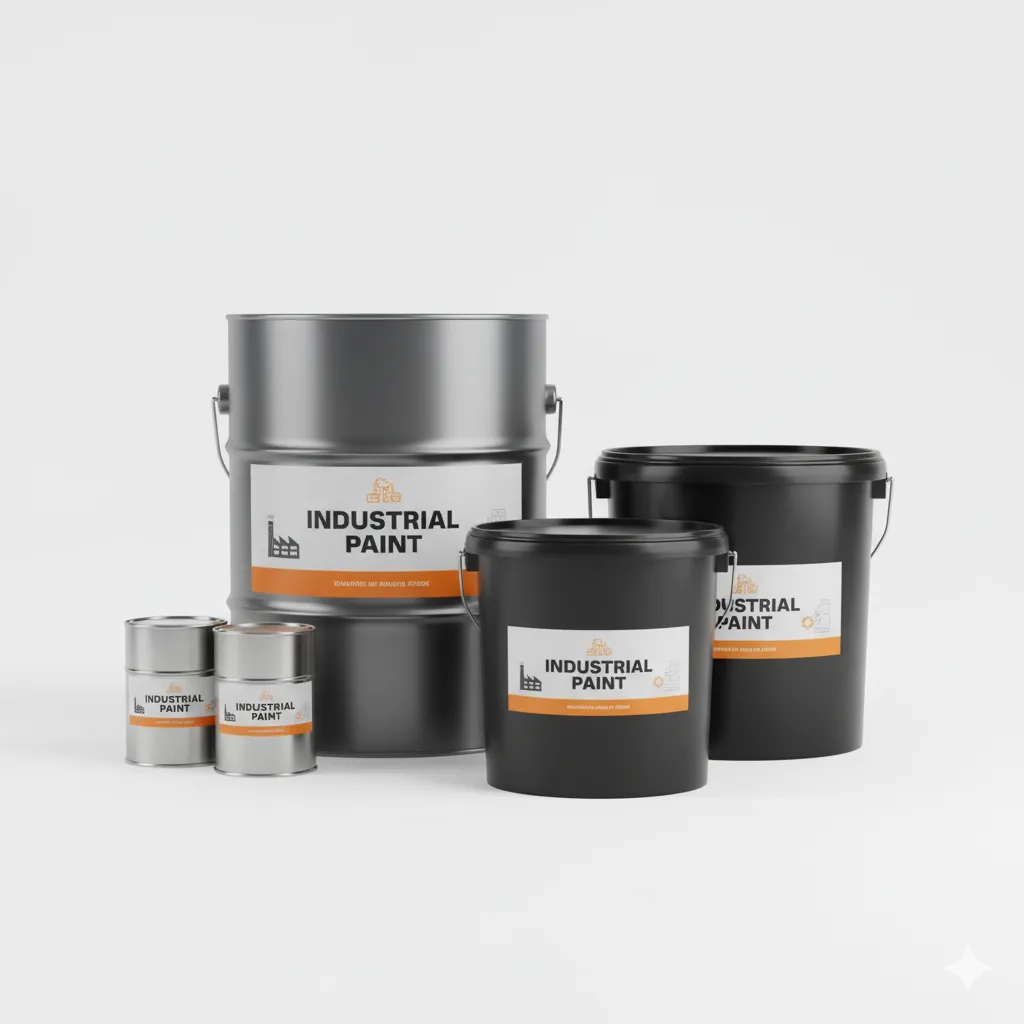
Industrial Paint
Industrial paint refers to a protective coating system designed for industrial surfaces exposed to moisture, chemicals, abrasion, corrosion, weather and regular operational conditions. The right system helps protect steel, concrete and other suitable substrates while improving surface durability.
Protect More Than Appearance
Industrial paint is not simply selected by colour. Surface condition, corrosion level, substrate type and exposure conditions determine the correct primer, intermediate coat and topcoat system.
What Is Industrial Paint?
Industrial paint is defined as a protective coating used on industrial equipment, structures and surfaces.
It is formulated to provide specific performance properties beyond decoration. Depending on the system, these properties may include corrosion resistance, chemical resistance, moisture protection, abrasion resistance and weather resistance.
A complete industrial coating system may include surface preparation, a compatible primer, one or more intermediate coats and a finishing topcoat. Each layer has a different role in the protection system.
Inspect Surface
Remove Contamination
Prepare Substrate
Apply Primer
Build Coating System
Inspect & Cure
Why Use Industrial Paint?
The benefits depend on the selected coating chemistry and the complete coating system.
Corrosion Protection
Suitable coating systems can create a protective barrier between steel and corrosive environmental conditions.
Chemical Resistance
Selected industrial coatings can resist specific chemical exposures when the formulation matches the service environment.
Moisture Protection
Properly applied coating systems can reduce direct moisture exposure to suitable substrates.
Surface Durability
Industrial coatings can help protect surfaces exposed to regular traffic, cleaning and operational use.
System Flexibility
Different coating systems can be selected for steel structures, concrete floors, machinery and industrial facilities.
Maintainable Protection
Planned inspection and maintenance can help identify local damage before a larger area requires repair.
Where Is Industrial Paint Used?
Industrial paint can be used in different sectors, but the coating should always match the actual substrate and exposure conditions.
Steel Structures
Industrial coating systems can protect structural steel, frames, columns, beams and fabricated steel components from environmental exposure.
Industrial Machinery
Suitable coatings can protect selected machinery surfaces, equipment frames and external metal components.
Factories & Warehouses
Industrial paint systems can be used on walls, structural elements, equipment and selected operational surfaces.
Pipelines & Metal Equipment
Selected systems can provide protection for external metal surfaces exposed to industrial or environmental conditions.
Concrete Surfaces
Suitable industrial coating systems can protect properly prepared concrete walls, floors and infrastructure surfaces.
Plant & Processing Areas
Coating systems may be selected according to moisture, chemical splash, cleaning methods, temperature and mechanical exposure.
Common Industrial Paint Systems
Protective Coating Options
Epoxy paint refers to a coating system that can provide strong adhesion and resistance to selected chemicals and industrial environments.
An epoxy primer is designed to help prepare and protect suitable substrates before additional compatible coating layers are applied.
Polyurethane coatings are often selected where weathering, appearance or UV performance is important, depending on the specific formulation.
Zinc-rich primers are used in selected steel protection systems to provide additional corrosion protection.
How to Select the System
Industrial paint selection should begin with the service environment rather than the colour or price.
- Identify the substrate type.
- Inspect existing rust, coating damage or contamination.
- Assess moisture and weather exposure.
- Identify chemical exposure and concentration.
- Consider operating temperature.
- Determine abrasion and mechanical exposure.
- Select compatible primer and topcoat layers.
- Confirm application and curing conditions.
Advantages & Limitations
Industrial paint can provide strong protection, but no single coating is suitable for every environment.
Advantages
- Can help protect steel and concrete surfaces.
- Selected systems offer corrosion resistance.
- Different formulations are available for different environments.
- Can provide resistance to selected chemicals.
- Can improve surface appearance and identification.
- Allows planned maintenance and local repair.
Limitations
- Performance depends heavily on surface preparation.
- Incorrect primer selection can reduce adhesion.
- Not every coating resists every chemical.
- Application temperature and humidity can affect curing.
- Coating thickness must meet the system specification.
- Damaged areas may require timely repair.
Important Selection Factors
| Factor | Why It Matters | What to Check |
|---|---|---|
| Substrate | Different surfaces require different preparation and primers. | Steel, concrete, galvanized metal or previously coated surface. |
| Corrosion Level | Rust and surface damage affect long-term coating performance. | Inspect corrosion, pitting and existing coating condition. |
| Moisture Exposure | Water exposure can affect coating selection and surface preparation. | Humidity, condensation, immersion or regular washing. |
| Chemical Exposure | Chemical resistance varies between formulations. | Chemical type, concentration, temperature and exposure duration. |
| Coating Thickness | Insufficient or excessive thickness can affect system performance. | Specified dry film thickness for each coating layer. |
| Environment | Indoor, outdoor and marine conditions create different requirements. | UV exposure, temperature, humidity and atmospheric conditions. |
How Is Industrial Paint Applied?
The exact process depends on the selected coating system and the manufacturer’s product requirements.
Surface Inspection
Inspect the substrate for rust, damage, contamination, loose material and existing coating failure.
Surface Preparation
Remove oil, grease, loose rust, dust and other contaminants using the preparation method required by the selected system.
Primer Application
Apply a compatible primer when the selected coating system requires one.
Intermediate Coats
Apply compatible build coats where required to achieve the specified protection system.
Topcoat Application
Apply the selected finishing coat within the recommended recoat window.
Inspection & Curing
Allow the system to cure according to product requirements and inspect the finished coating for visible defects.
Industrial Paint & Site Conditions
High Humidity
High humidity and condensation can affect surface conditions and coating application. Check the product requirements before application.
High Temperature
High temperatures can reduce working time and change coating application behaviour. Plan mixing and application accordingly.
Outdoor Exposure
Outdoor systems may require a suitable weather-resistant or UV-resistant finishing layer depending on the coating chemistry.
How to Choose the Right Industrial Paint
For Steel Structures
Consider corrosion conditions, surface preparation requirements, atmospheric exposure and whether a multi-coat protection system is required.
For Chemical Areas
Identify the exact chemicals, concentration, temperature and exposure period before selecting a coating system.
For Outdoor Projects
Consider UV exposure, rain, temperature changes and long-term weathering when selecting the finishing coat.
For Existing Coatings
Check the existing coating condition and compatibility. Do not apply a new coating system without assessing adhesion and surface preparation requirements.
Industrial Paint Case Study Format
Actual project specifications should always be recorded separately. The example below shows the information that should be documented for a coating project.
Steel Structure Protective Coating Project
Example project documentation format for an industrial coating system.
Industrial Steel Structure Maintenance and Protective Painting
Structural Steel and Fabricated Metal Components
Weathered steel with localized surface rust, faded existing paint and minor coating deterioration
Mechanical cleaning, removal of loose rust and damaged coating, followed by dust and surface contaminant removal
Surface Preparation + Anti-Corrosion Primer + Intermediate Protective Coat + Industrial Paint Topcoat
Target total system thickness of approximately 150–200 microns DFT, subject to the selected coating system and project specification
1 Primer Coat + 1 Intermediate Coat + 1 Topcoat
Approximately 160 Litres
The completed steel surfaces achieved continuous and visually uniform coating coverage. No significant visible missed areas, major runs, peeling or application-related defects were observed during the final inspection.
Standards & Technical Guidance
Industrial coating specifications often refer to recognized standards and technical guidance. The applicable standard depends on the project and coating system.
ISO 12944
ISO 12944 provides widely used guidance for corrosion protection of steel structures using protective paint systems. It includes environmental corrosion categories and coating system considerations.
AMPP / SSPC Surface Preparation Guidance
Surface preparation is a major part of coating performance. Industry specifications may reference AMPP and SSPC surface preparation standards for steel and protective coating work.
ASTM Test Methods
ASTM publishes test methods used across the coatings industry for evaluating properties such as adhesion, thickness and other material performance characteristics.
Always confirm the exact edition, project specification and applicable standard before using any standard for design, testing or acceptance purposes.
Common Industrial Paint Mistakes
Poor Surface Preparation
Oil, rust, dust and loose coatings can reduce adhesion.
Solution: Prepare the surface according to the selected coating system.
Wrong Coating Selection
A general-purpose coating may not withstand the actual chemical or environmental exposure.
Solution: Select the system based on actual service conditions.
Incorrect Mixing
Incorrect mixing of multi-component products can affect curing and performance.
Solution: Follow the specified mixing ratio and procedure.
Ignoring Recoat Times
Applying another layer outside the recommended recoat window can affect intercoat adhesion.
Solution: Follow the product’s current recoat requirements.
Applying in Poor Conditions
Unsuitable temperature, humidity or condensation conditions can affect application.
Solution: Monitor environmental conditions before and during coating work.
Choosing by Price Alone
A lower initial coating cost may not match the required service environment.
Solution: Compare complete system suitability and expected maintenance requirements.
Industrial Paint Specification Checklist
| Check | Requirement |
|---|---|
| Substrate Identified | Confirm steel, concrete, metal or existing coated surface. |
| Surface Condition Checked | Inspect rust, contamination, defects and existing coating condition. |
| Exposure Identified | Confirm moisture, chemicals, abrasion, UV and temperature conditions. |
| Coating System Selected | Choose compatible primer, intermediate and finishing layers. |
| Application Conditions Checked | Confirm environmental conditions meet product requirements. |
| Product Data Reviewed | Check the current Technical Data Sheet before application. |
Technical Content Review
Author: Epoxy Flooring Pakistan Technical Team
This content is prepared for contractors, facility managers, industrial buyers and project decision-makers. It focuses on practical coating selection, surface preparation and industrial coating system requirements.
For a specific project, final material selection should be based on the actual substrate, environmental exposure, chemical conditions, manufacturer documentation and project specification.
Industrial Paint FAQs
Common questions about industrial paint, coating selection and application.
Industrial paint is a protective coating designed for surfaces exposed to demanding industrial conditions. It can help protect steel, metal, concrete and other suitable substrates from corrosion, chemicals, moisture, abrasion and environmental exposure.
Industrial paint is used in factories, warehouses, steel structures, machinery, pipelines, tanks, industrial floors and other commercial or industrial environments. The correct coating system depends on the substrate and service conditions.
Common industrial coating types include epoxy paint, polyurethane paint, zinc-rich primers, acrylic coatings and specialised chemical-resistant coatings. Each type offers different properties and should be selected according to the project requirements.
Many industrial paint systems provide resistance to selected chemicals and industrial substances. However, chemical resistance depends on the coating formulation, chemical concentration, temperature and duration of exposure. Always check the selected product’s Technical Data Sheet before use.
A properly selected industrial coating system can help protect steel and metal surfaces from corrosion. Surface preparation is essential because rust, oil, grease and loose material can reduce coating adhesion and long-term protection.
Yes, suitable industrial paints can be applied to properly prepared steel. The surface preparation method, primer and topcoat should match the required corrosion protection and environmental exposure.
Yes, selected industrial coatings can be used on properly prepared concrete surfaces. The concrete must have adequate strength and should be free from dust, loose material, oil and other contamination.
Some industrial coating systems provide strong resistance to water and moisture. However, water resistance depends on the product type, coating thickness, surface preparation and actual exposure conditions.
Yes, selected industrial coating systems can be used outdoors. For long-term exposure to sunlight and weather, the system should include a suitable UV-resistant topcoat where required because some standard epoxy coatings may chalk or change colour under prolonged UV exposure.
Industrial paint is designed for more demanding service conditions than many standard decorative paints. Depending on the system, it can provide higher resistance to corrosion, chemicals, abrasion, moisture and mechanical wear.
Many industrial coating systems require a compatible primer to improve adhesion and provide additional substrate protection. The need for a primer depends on the substrate, coating system and required performance.
The lifespan of industrial paint depends on the coating system, surface preparation, coating thickness, environmental exposure, chemical exposure and maintenance. There is no single guaranteed lifespan for every application.
Drying and curing times vary by product formulation, temperature, humidity and coating thickness. Always follow the current Technical Data Sheet for the selected product to confirm handling, recoating and full curing times.
Remove dust, oil, grease, rust, loose paint and other contaminants before coating. The required preparation method depends on the substrate and selected coating system. Proper surface preparation is one of the most important factors for coating adhesion and durability.
In some cases, a compatible industrial coating can be applied over an existing sound coating. The old paint should be inspected for adhesion, contamination and compatibility. Remove loose or damaged coatings before application.
The industrial paint price in Pakistan depends on the coating type, resin technology, packaging size, required quantity, surface area and project specifications. Special requirements such as chemical resistance or corrosion protection can also affect the final cost.
Bulk industrial paint supply may be available for contractors, factories, construction companies, coating applicators and industrial buyers, depending on the required coating type and order quantity.
Choose industrial paint based on the substrate, corrosion risk, chemical exposure, moisture conditions, UV exposure, operating environment and required service life. The complete primer, intermediate coat and topcoat system should match the actual project requirements rather than being selected on price alone.
Industrial Paint Key Takeaways
The correct industrial coating system protects the surface by matching the material to the actual service environment.
Steel, concrete and previously coated surfaces require different preparation and systems.
A high-quality coating cannot compensate for an improperly prepared surface.
Moisture, chemicals, UV and abrasion affect coating selection.
Primer, intermediate coats and topcoat should be compatible with each other.
Need the Right Industrial Paint System?
Share your substrate type, project area and expected exposure conditions to help select a suitable industrial coating system.
- Steel and metal coating systems
- Concrete protective coatings
- Industrial and commercial projects
- Bulk and project quantity enquiries
Request Product Information
Reviews
There are no reviews yet.