
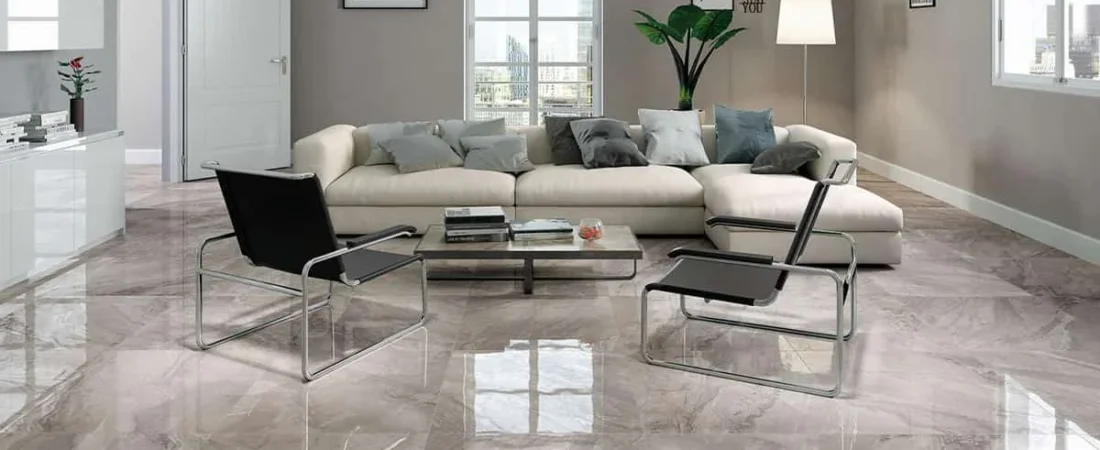
Epoxy vs Marble Flooring in Pakistan: Which Is Better?
Compare epoxy flooring and marble flooring by price, durability, maintenance, appearance, installation time and performance. Find out which flooring option is better for homes, garages, commercial spaces and industrial areas in Pakistan.
Choosing between epoxy and marble flooring is an important decision for homeowners and business owners in Pakistan. Both materials offer premium appearance and strong performance, but they are designed for very different requirements.
Marble has been used in Pakistani homes for generations and remains popular because of its natural beauty, cool feel and prestigious appearance. Epoxy flooring, on the other hand, provides a modern, seamless and highly practical surface that can be used in residential, commercial and industrial environments.
The right choice depends on your budget, location, maintenance expectations, type of space and preferred design. This guide compares epoxy vs marble flooring in detail to help you make the right decision.
Epoxy vs Marble Flooring: Quick Comparison
| Feature | Epoxy Flooring | Marble Flooring | Better Option |
|---|---|---|---|
| Starting Cost | More affordable options available | Generally higher initial cost | Epoxy |
| Lifespan | Approximately 10–20 years depending on system | Can last for decades with proper care | Marble |
| Maintenance | Easy and low maintenance | Requires regular care and polishing | Epoxy |
| Water Resistance | Seamless and highly resistant when properly installed | Can absorb moisture without suitable sealing | Epoxy |
| Chemical Resistance | Excellent with the correct system | Can be damaged by acidic substances | Epoxy |
| Heat & Cool Feel | Does not naturally stay as cool | Naturally cool underfoot | Marble |
| Installation Speed | Usually faster | More time-consuming | Epoxy |
| Garage Use | Excellent for suitable epoxy systems | Generally not ideal | Epoxy |
| Traditional Prestige | Modern premium appearance | Strong natural and traditional appeal | Marble |
| Design Flexibility | Many colours, flakes and metallic effects | Natural colours and unique veining | Depends on preference |
What Is Epoxy Flooring?
Epoxy flooring is a resin-based flooring system applied over a properly prepared substrate, commonly concrete. The system is created by mixing epoxy resin and a curing component, producing a hard and durable surface after curing.
Depending on the system, epoxy flooring can be used to create solid colour floors, self-leveling surfaces, decorative flake finishes, metallic effects and high-performance industrial coatings.
Seamless Surface
Epoxy can create a continuous surface without traditional tile joints and grout lines.
Easy Cleaning
Its smooth surface can make regular cleaning and maintenance easier in suitable environments.
Design Options
Available in solid colours, metallic designs, flakes and other decorative finishes.
High Performance
Suitable systems can provide resistance to chemicals, oils, moisture and heavy traffic.
What Is Marble Flooring?
Marble is a natural stone formed from limestone under geological heat and pressure. Its natural veining, colour variation and unique patterns make every marble floor visually different.
Marble remains one of the most recognised premium flooring materials in Pakistan. It is commonly used in drawing rooms, entrances, staircases, bedrooms and other residential spaces where appearance and long-term appeal are important.
Natural Appearance
Each marble slab or tile has its own natural pattern, veining and colour variation.
Cool Underfoot
Marble naturally feels cool, making it attractive for homes in hot climates.
Long Lifespan
Well-maintained marble can remain in service for decades.
Premium Appeal
Marble continues to have strong visual and traditional prestige in residential construction.
Epoxy vs Marble Flooring Price in Pakistan
Cost is one of the biggest differences between epoxy and marble. The final price for either option depends on material quality, floor condition, installation requirements, area size and selected finish.
| Flooring Type | Approximate Price Level | Cost Factors |
|---|---|---|
| Basic Epoxy System | Budget to Mid Range | Surface preparation, thickness and area |
| Self-Leveling Epoxy | Mid Range | Substrate condition and material thickness |
| Industrial Epoxy | Mid to Premium | Performance requirements and coating system |
| Metallic Epoxy | Premium | Design complexity and finishing system |
| Local Marble | Mid to Premium | Stone quality, cutting and polishing |
| Imported Marble | Premium to Luxury | Origin, grade, thickness and installation |
Which Is More Durable: Epoxy or Marble?
Both flooring materials are durable, but they perform differently. Marble generally has a longer potential lifespan in suitable residential conditions, while epoxy can provide better practical resistance against oils, chemicals, moisture and heavy daily use.
Epoxy Durability
A professionally installed epoxy system can provide many years of service. Its lifespan depends on preparation, coating type, thickness, traffic, maintenance and environmental conditions.
Marble Durability
Marble can last for decades, but it may scratch, stain, chip or etch when exposed to unsuitable chemicals or impacts.
Maintenance: Epoxy vs Marble Flooring
Epoxy generally requires less specialised maintenance than marble. A properly installed epoxy floor can usually be cleaned through regular sweeping and mopping with suitable cleaning products.
Marble requires more careful maintenance because some acidic or harsh cleaning products can damage its surface. Depending on the finish and condition, marble may also require professional polishing and periodic sealing.
Epoxy Maintenance
- Regular sweeping or dust removal.
- Mopping with suitable cleaning products.
- Quick removal of spills where possible.
- Periodic inspection of high-wear areas.
- Possible recoating after extended service life.
Marble Maintenance
- Regular cleaning with stone-safe products.
- Fast removal of acidic spills.
- Periodic polishing when required.
- Suitable sealing for protection.
- Careful maintenance to reduce scratching and staining.
Water and Chemical Resistance Comparison
Epoxy has a major advantage in areas exposed to water, oils and chemicals. A seamless epoxy system can provide a protective surface when correctly designed and installed for the intended environment.
Marble is naturally porous to varying degrees and may absorb liquids if not properly protected. Acidic materials can also etch the polished surface and leave dull marks.
Epoxy Is Better For
- Garages and car porches.
- Workshops and maintenance areas.
- Commercial kitchens.
- Factories and warehouses.
- Laboratories with suitable chemical-resistant systems.
- Wet-prone areas with an appropriate system design.
Marble Is Better For
- Drawing rooms.
- Formal residential spaces.
- Staircases and entrances.
- Luxury traditional interiors.
- Areas where natural stone appearance is the priority.
Appearance and Design Options
The appearance comparison depends largely on personal preference. Epoxy provides greater design flexibility, while marble offers natural patterns that cannot be exactly reproduced.
Epoxy Appearance
Epoxy can be customised using solid colours, decorative flakes, metallic pigments and other visual effects. Its seamless finish is particularly suitable for modern interiors and showrooms.
Marble Appearance
Marble offers natural veining and a distinctive stone appearance. It is especially popular in classic, traditional and luxury residential designs.
Epoxy vs Marble in Pakistan’s Climate
Pakistan has very different climate conditions, including extreme summer temperatures, monsoon humidity and significant temperature changes in northern areas. Flooring should be selected according to where and how the space will be used.
Hot Weather
Marble has an advantage because it naturally remains cooler underfoot. This can be particularly attractive in homes without continuous air conditioning.
Wet Conditions
Epoxy can provide better surface protection against spills and moisture when a suitable seamless system is installed.
Temperature Movement
Flooring systems should account for substrate movement, expansion joints and local environmental conditions.
Slip Resistance
Both surfaces can become slippery depending on their finish. Epoxy systems can incorporate suitable anti-slip aggregates where required.
Installation Time: Epoxy vs Marble
Epoxy usually offers a faster installation process, although the total timeline depends on floor preparation, moisture conditions, number of coating layers and curing requirements.
Marble installation generally involves more stages, including subfloor preparation, tile or slab layout, cutting, fixing, grouting and polishing.
| Installation Stage | Epoxy Flooring | Marble Flooring |
|---|---|---|
| Surface Preparation | Cleaning, repairs and mechanical profiling | Leveling and substrate preparation |
| Main Installation | Primer and epoxy layers | Layout, cutting and fixing |
| Finishing | Topcoat or protective layer where required | Grouting, polishing and possible sealing |
| Typical Project Speed | Generally faster for suitable projects | Usually requires more installation stages |
Epoxy Flooring Pros and Cons
Advantages of Epoxy
- Seamless surface with no traditional grout lines.
- Easy to clean and maintain.
- Excellent design flexibility.
- Suitable systems offer chemical and oil resistance.
- Can be designed with anti-slip finishes.
- Suitable for residential, commercial and industrial spaces.
- Generally faster installation than marble.
- Suitable options are available for different budgets.
Disadvantages of Epoxy
- Requires professional surface preparation.
- Can be affected by excessive substrate moisture.
- Some systems require UV protection outdoors.
- Glossy finishes may require anti-slip treatment.
- Damage may require recoating larger areas for a uniform look.
- Does not provide the natural cool feel of marble.
Marble Flooring Pros and Cons
Advantages of Marble
- Natural and unique appearance.
- Long potential lifespan with proper maintenance.
- Naturally cool underfoot.
- Strong premium and traditional appeal.
- Can be polished to restore its appearance.
- Individual damaged pieces may sometimes be replaced.
Disadvantages of Marble
- Higher initial installation cost in many projects.
- Can require regular polishing and specialised care.
- May stain if liquids penetrate the stone.
- Acidic substances can etch the surface.
- Polished finishes can be slippery when wet.
- Installation usually takes longer.
- Not generally suitable for heavy industrial use.
Which Flooring Is Best for Different Areas?
| Area | Recommended Option | Reason |
|---|---|---|
| Garage | Epoxy | Suitable systems resist oils, traffic and staining. |
| Factory | Epoxy | Designed for heavy-duty and industrial requirements. |
| Warehouse | Epoxy | Easy maintenance and high-performance coating options. |
| Commercial Office | Epoxy | Modern appearance and potentially faster installation. |
| Showroom | Epoxy | Custom colours and premium decorative finishes. |
| Drawing Room | Marble | Natural beauty and traditional premium appeal. |
| Luxury Entrance | Marble | Prestigious natural stone appearance. |
| Kitchen | Epoxy | Seamless, easy-to-clean surface with suitable system design. |
| Wet-Prone Area | Epoxy | Suitable seamless systems offer strong water resistance. |
| Traditional Home | Marble | Matches classic Pakistani interior preferences. |
Can You Use Both Epoxy and Marble in the Same Property?
Yes. A practical approach is to use each flooring material where its strengths are most useful. Many projects can benefit from combining marble in formal residential areas with epoxy in high-performance spaces.
Use Marble In
- Formal drawing rooms.
- Main entrances.
- Staircases.
- Luxury bedrooms.
- Traditional residential interiors.
Use Epoxy In
- Garages and car porches.
- Kitchens and utility spaces.
- Basements.
- Commercial areas.
- Factories and warehouses.
- Workshops and industrial facilities.
Final Verdict: Epoxy or Marble Flooring?
There is no single winner because epoxy and marble are designed for different priorities. Epoxy is the stronger practical choice when you need a seamless, easy-to-maintain and high-performance flooring surface. Marble is the stronger choice when natural beauty, cool comfort and traditional prestige are your main priorities.
Frequently Asked Questions About Epoxy vs Marble Flooring
Is epoxy flooring cheaper than marble in Pakistan?
In many projects, standard epoxy systems have a lower installed cost than quality marble flooring. However, the final price depends on the epoxy design, thickness, surface preparation and marble type.
Which lasts longer, epoxy or marble flooring?
Marble can have a significantly longer lifespan when properly maintained in suitable conditions. Epoxy generally has a shorter service life but can offer better resistance to practical issues such as oils, chemicals and heavy-use conditions.
Which flooring is easier to maintain?
Epoxy is generally easier to maintain because it has a seamless surface and does not require regular polishing. Marble requires more careful cleaning and may need periodic polishing and sealing.
Is epoxy better than marble for a garage?
Yes, a suitable garage epoxy system is generally more practical because it can resist vehicle traffic, oils and common garage contamination. Marble is not normally the preferred option for this type of heavy-use environment.
Is marble better for hot weather?
Marble naturally feels cooler underfoot and can be more comfortable in hot environments, particularly in spaces without continuous air conditioning.
Is epoxy flooring waterproof?
A properly installed seamless epoxy flooring system can provide excellent resistance to surface water. The complete system should still be selected according to the substrate and exposure conditions.
Does marble stain easily?
Marble can absorb liquids and become stained when not properly protected. Acidic materials can also etch and dull the surface, which is why suitable sealing and cleaning are important.
Can epoxy flooring be used in a house?
Yes. Epoxy can be used in residential spaces including garages, kitchens, bedrooms, living spaces and basements when the correct flooring system is selected and professionally installed.
Can marble and epoxy flooring be used together?
Yes. Marble can be used in formal and prestige-focused spaces, while epoxy can be installed in practical areas such as garages, kitchens, utility rooms and commercial spaces.
Which flooring is better for commercial spaces?
Epoxy is often the more practical choice for commercial spaces because of its seamless design, easy maintenance, design flexibility and faster installation. The best choice still depends on the specific use of the property.
Need Help Choosing Between Epoxy and Marble Flooring?
Compare your floor condition, design requirements and performance needs before making a final decision. A professional flooring assessment can help you select the right system for your home, office or commercial project.
Request a Flooring ConsultationRelated Epoxy Flooring Guides
Conclusion
The epoxy vs marble flooring decision should be based on how the floor will actually be used. Epoxy is an excellent choice for practical, modern and high-performance applications where seamless construction, easy maintenance and resistance to spills are important.
Marble remains a premium flooring choice for homeowners who value natural stone, traditional elegance and long-term visual appeal. Its naturally cool surface and unique patterns continue to make it highly desirable for formal residential interiors.
For many properties, the smartest solution may be to use both materials strategically: marble in areas where natural beauty and prestige matter most, and epoxy in spaces where durability, waterproofing and easy maintenance provide greater practical value.