
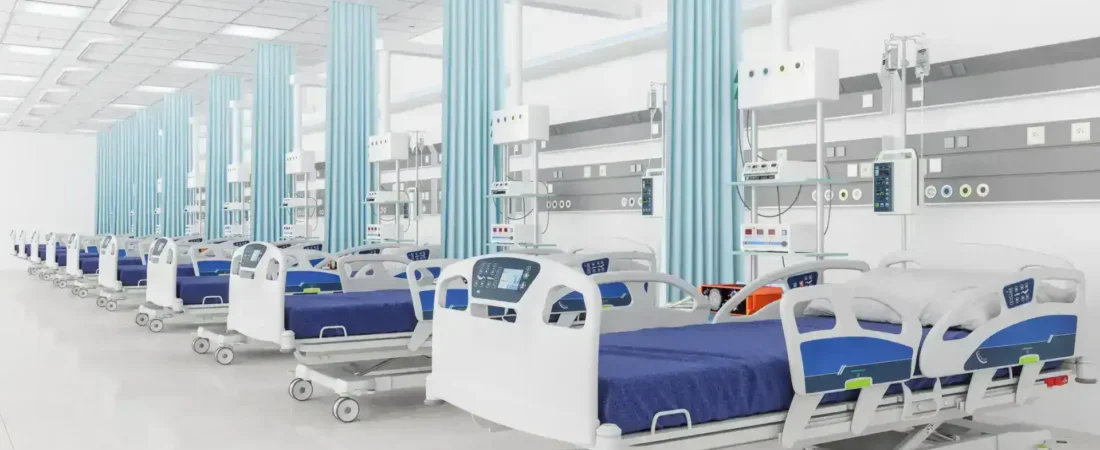
Hospital Flooring: Best Flooring Solutions for Healthcare Facilities
Hospital flooring must meet higher performance requirements than ordinary commercial floors. Healthcare facilities need flooring that can withstand continuous foot traffic, hospital beds, wheelchairs, medical equipment, cleaning chemicals, moisture and frequent sanitization while remaining hygienic and easy to maintain.
Epoxy, PU, vinyl, rubber and specialized healthcare flooring systems can be considered for different hospital areas. The best solution depends on the function of the room, traffic level, cleaning procedures, chemical exposure, moisture conditions and required slip resistance.
Hospital flooring should be specified as a complete system rather than selected only on appearance or initial price. Substrate preparation, moisture control, joints, wall-floor detailing, installation quality and maintenance are equally important.
What Is Hospital Flooring?
Hospital flooring refers to flooring systems specifically selected for healthcare environments such as hospitals, clinics, laboratories, diagnostic centers, pharmacies, operating theatres, patient rooms, ICUs, corridors and treatment areas.
Unlike conventional residential flooring, hospital floors are exposed to intensive cleaning, disinfectants, wheeled traffic, frequent movement and demanding operational conditions.
Hygienic
Surfaces should support effective cleaning and routine healthcare sanitation procedures.
Durable
Flooring should withstand continuous traffic, beds, wheelchairs, trolleys and medical equipment.
Safe
Appropriate slip resistance is important, particularly in wet or contamination-prone areas.
Easy to Maintain
Flooring should be practical to clean, inspect and repair during its service life.
Why Is Hospital Flooring Important?
Flooring is one of the largest continuously used surfaces in a healthcare facility. Every day, it is exposed to patients, medical staff, visitors, equipment and cleaning operations.
Poor flooring selection can result in premature wear, difficult maintenance, slippery surfaces, damaged joints or other operational problems. A properly specified system can provide a more durable and practical environment for healthcare operations.
- Supports routine cleaning and sanitation.
- Handles high levels of pedestrian traffic.
- Accommodates hospital beds and wheeled equipment.
- Can provide resistance to selected chemicals.
- Can be specified with suitable slip resistance.
- Provides a professional and clean appearance.
- Can reduce maintenance requirements when properly installed.
- Can be designed for specific healthcare applications.
Best Types of Hospital Flooring
Different hospital areas may require different flooring characteristics. There is no single flooring material that is automatically the best choice for every room.
Epoxy Flooring
Seamless epoxy systems can provide a hard-wearing, cleanable surface for selected hospital, laboratory and utility applications.
PU Flooring
Polyurethane flooring can provide a resilient seamless surface for demanding areas exposed to traffic, moisture and cleaning procedures.
Healthcare Vinyl Flooring
Healthcare-grade vinyl can provide a resilient and cleanable surface for suitable patient, corridor and general healthcare areas.
Rubber Flooring
Rubber flooring can provide underfoot comfort and acoustic benefits for selected healthcare environments.
Anti-Slip Flooring
Textured finishes can be specified where increased traction is required, particularly in wet areas.
Anti-Bacterial Flooring
Specialized flooring systems can be considered where hygiene, cleanability and healthcare performance are key requirements.
Epoxy Flooring for Hospitals
Epoxy is one of the most widely considered resin flooring systems for demanding healthcare applications. When installed over a properly prepared substrate, epoxy can create a seamless and durable surface.
Depending on the formulation, epoxy flooring can be designed for chemical resistance, decorative appearance, anti-slip performance and different traffic requirements.
Seamless Finish
Resin flooring can provide a continuous surface with fewer conventional joints than tiled floors.
Chemical Resistance
Appropriate epoxy formulations can resist specified chemicals and cleaning agents.
Heavy Traffic
Suitable epoxy systems can withstand substantial pedestrian and wheeled traffic.
Easy Cleaning
Smooth, properly finished epoxy surfaces can simplify routine cleaning and housekeeping.
PU Flooring for Healthcare Facilities
Polyurethane flooring can be used where a resilient, seamless and durable floor is required. PU systems can be considered for healthcare areas exposed to heavy traffic, moisture and regular cleaning.
The formulation should be selected according to the expected chemical exposure, temperature, traffic, moisture and maintenance conditions.
Vinyl Flooring for Hospitals
Healthcare-grade vinyl flooring can be a practical option for many hospital environments. It can provide a resilient surface with a wide range of colors and designs.
Installation quality is especially important. Seams, edges and wall-floor transitions should be properly detailed to support cleaning and long-term performance.
- Suitable for many general healthcare spaces.
- Available in different colors and patterns.
- Comfortable for prolonged walking and standing.
- Easy to clean when properly installed.
- Suitable options are available for demanding healthcare environments.
Hospital Flooring for Different Areas
Flooring requirements vary from one hospital department to another. The following areas should be evaluated individually.
Operating Theatres
Require carefully selected seamless, cleanable and appropriately slip-resistant flooring systems.
ICU
Flooring should accommodate intensive cleaning, equipment movement and continuous staff activity.
Patient Rooms
Comfort, hygiene, cleanability, appearance and maintenance are important considerations.
Hospital Corridors
Corridors require durable flooring capable of handling continuous pedestrian and wheeled traffic.
Laboratories
Chemical resistance, cleanability, durability and slip resistance may be important depending on the laboratory.
Emergency Rooms
Emergency areas need durable flooring capable of handling heavy traffic and frequent cleaning.
Pharmacies
Cleanable, durable and chemically compatible flooring can be considered for pharmacy environments.
Washrooms
Wet areas require particular attention to slip resistance, moisture management and drainage.
Hospital Corridor Flooring
Hospital corridors experience some of the highest traffic levels in a healthcare facility. Beds, wheelchairs, stretchers, medical equipment, staff and visitors can continuously move through these areas.
Corridor flooring should therefore be selected for durability, cleanability, appearance and resistance to wheeled traffic. The flooring should also be compatible with the hospital’s regular cleaning program.
Operating Theatre Flooring
Operating theatres require carefully specified flooring because hygiene, cleaning and safe movement are critical considerations.
Seamless Surface
A seamless system can minimize conventional joints and simplify routine surface cleaning.
Easy Cleaning
The selected finish should be compatible with the facility’s cleaning and disinfection procedures.
Slip Resistance
Appropriate traction should be considered without creating a surface that is unnecessarily difficult to clean.
Durability
Flooring should withstand regular staff movement and wheeled equipment.
Laboratory Flooring for Hospitals
Hospital laboratories may be exposed to chemicals, spills, equipment movement and frequent cleaning. Flooring should therefore be selected according to the specific substances and operating conditions present in the laboratory.
Epoxy and PU systems can be considered where seamless and chemically resistant flooring is required. Chemical compatibility should always be verified against the actual substances used.
Anti-Slip Hospital Flooring
Water, cleaning solutions and other liquids can create slip risks in healthcare facilities. An appropriately textured anti-slip flooring system can provide additional traction where required.
The texture should be carefully selected because an extremely rough surface may become harder to clean. The ideal balance depends on the specific area and cleaning requirements.
- Hospital entrances.
- Washrooms and wet areas.
- Laboratories.
- Utility rooms.
- Food service areas.
- Areas exposed to frequent liquid spills.
Important Features of Hospital Flooring
Hygiene
The floor should support the healthcare facility’s cleaning and sanitation procedures.
Chemical Resistance
The selected system should be compatible with the chemicals and disinfectants used in the facility.
Slip Resistance
Appropriate traction should be selected according to the area’s wet and dry conditions.
Wear Resistance
Flooring must withstand daily pedestrian and equipment traffic.
Moisture Resistance
Wet areas and moisture-prone substrates require appropriate flooring specifications.
Easy Maintenance
The surface should be practical to clean and maintain over its service life.
Hospital Flooring Installation Process
Professional installation is essential for achieving long-term flooring performance. The exact process varies according to the selected system.
- Site Inspection: Evaluate the floor condition, room function, traffic and environmental requirements.
- Flooring Selection: Select epoxy, PU, vinyl, rubber or another suitable system.
- Substrate Preparation: Remove contaminants, weak concrete, old coatings and other materials that may interfere with installation.
- Concrete Repairs: Repair cracks, holes and damaged areas before installing the flooring system.
- Moisture Assessment: Check substrate moisture where required by the flooring system.
- Primer or Adhesive: Apply the appropriate bonding layer according to the selected system.
- Floor Installation: Install the specified flooring layers, sheets, tiles or resin system.
- Coving and Detailing: Complete wall-floor transitions, seams, joints and other healthcare detailing where required.
- Final Inspection: Check the finished floor for appearance, adhesion, joints, edges and overall installation quality.
- Curing and Handover: Allow the system to reach the required condition before returning the area to service.
Concrete Preparation for Hospital Epoxy Flooring
Concrete preparation is one of the most important stages of an epoxy flooring project. Resin flooring should be applied over a sound, clean and properly prepared substrate.
Mechanical Grinding
Grinding can remove weak surface material, contaminants and existing coatings while creating a suitable surface profile.
Crack Repair
Existing cracks should be assessed and repaired according to their cause and movement.
Moisture Assessment
Excessive substrate moisture can affect some resin flooring systems and should be evaluated before installation.
Surface Cleaning
Oil, grease, dust and other contaminants should be removed before applying the flooring system.
Hospital Flooring Cost
Hospital flooring cost depends on several factors. The final price cannot be determined from the flooring material alone because healthcare projects often require specialized preparation, detailing and performance characteristics.
| Cost Factor | Why It Affects Cost |
|---|---|
| Flooring Material | Epoxy, PU, vinyl and specialty systems have different material costs |
| Floor Area | Larger projects require greater quantities of material and installation work |
| Substrate Condition | Damaged or contaminated concrete requires additional preparation |
| Floor Thickness | Higher-build systems require more material |
| Surface Preparation | Grinding, repairs and cleaning affect installation costs |
| Special Requirements | Anti-slip, chemical-resistant, anti-static and specialized finishes can affect the price |
| Coving & Detailing | Healthcare-specific wall-floor detailing may require additional work |
| Installation Conditions | Access, hospital operations and scheduling can affect project requirements |
Benefits of High-Quality Hospital Flooring
Improved Cleanability
Properly selected surfaces can make routine cleaning and housekeeping more practical.
Long-Term Durability
A suitable system can withstand continuous hospital traffic and equipment movement.
Better Safety
Appropriate anti-slip finishes can improve traction in selected wet or high-risk areas.
Professional Appearance
Modern healthcare flooring is available in a range of colors, patterns and finishes.
Reduced Maintenance
Durable and properly installed flooring can reduce the need for frequent repairs.
Application Flexibility
Different flooring systems can be selected for different hospital departments.
Hospital Flooring Maintenance
Regular maintenance is essential for preserving the appearance, hygiene and performance of hospital flooring.
- Clean spills as soon as practical.
- Use cleaning products compatible with the flooring system.
- Follow the manufacturer’s maintenance recommendations.
- Avoid abrasive methods that can damage the floor finish.
- Inspect high-traffic areas regularly.
- Repair damaged areas promptly.
- Maintain seams, joints and coving where applicable.
- Use suitable cleaning equipment and procedures.
Common Hospital Flooring Problems
Peeling
Resin flooring can peel when preparation, moisture control or application is inadequate.
Cracking
Existing substrate cracks and structural movement can affect the finished flooring system.
Blistering
Moisture, trapped air and unsuitable installation conditions can contribute to blistering.
Slipperiness
Smooth surfaces may become slippery when exposed to water or cleaning solutions.
Premature Wear
Flooring that is unsuitable for the traffic level may wear faster than expected.
Damaged Seams
Poorly installed seams and transitions can create maintenance and cleaning difficulties.
How to Choose the Best Hospital Flooring
- Identify the Area: Determine whether the flooring is required for an operating theatre, ICU, corridor, laboratory, patient room or wet area.
- Evaluate Traffic: Consider pedestrian traffic, hospital beds, wheelchairs, trolleys and medical equipment.
- Review Cleaning Requirements: Identify the cleaning chemicals and disinfectants regularly used in the facility.
- Check Moisture: Evaluate wet conditions and substrate moisture before selecting the flooring system.
- Specify Slip Resistance: Select the appropriate finish according to dry and wet operating conditions.
- Consider Durability: Select a system capable of handling the expected traffic and equipment.
- Evaluate Maintenance: Make sure the floor can be maintained using the hospital’s cleaning procedures.
- Choose Professional Installation: Proper substrate preparation and installation are critical for long-term performance.
Hospital Flooring for Healthcare Facilities
Hospitals
Flooring solutions for corridors, patient rooms, treatment areas and supporting departments.
Clinics
Practical flooring options for consultation, treatment and waiting areas.
Diagnostic Centers
Durable and cleanable systems for diagnostic and equipment areas.
Laboratories
Suitable chemical-resistant and seamless flooring options for laboratory applications.
Pharmacies
Cleanable and durable flooring for pharmacy and storage environments.
Medical Centers
Flooring systems selected according to traffic, hygiene and maintenance requirements.
Frequently Asked Questions
What is the best flooring for hospitals?
The best flooring depends on the specific hospital area. Epoxy, PU, healthcare-grade vinyl and rubber flooring can all be suitable for different applications.
Is epoxy flooring suitable for hospitals?
Yes. Properly specified epoxy flooring can be suitable for selected hospital areas because it can provide a seamless, durable and cleanable surface.
Is PU flooring good for hospital flooring?
PU flooring can be suitable for healthcare environments requiring a resilient and durable seamless surface. The formulation should be selected according to the specific operating conditions.
Is vinyl flooring suitable for hospitals?
Healthcare-grade vinyl can be suitable for many patient, corridor and general healthcare areas when properly specified and installed.
What flooring is best for hospital corridors?
Hospital corridors require durable flooring that can handle continuous pedestrian and wheeled traffic. Epoxy, PU and healthcare-grade vinyl can all be considered depending on the project requirements.
What flooring is suitable for hospital laboratories?
Laboratories may require seamless flooring with appropriate chemical resistance, durability and cleanability. Epoxy and PU systems can be considered for suitable laboratory applications.
Can hospital flooring be anti-slip?
Yes. Anti-slip finishes can be specified for wet areas, entrances, laboratories, utility rooms and other locations where additional traction is required.
Why is seamless flooring useful in hospitals?
Seamless flooring can reduce conventional joints and gaps, which can make routine cleaning easier. Proper installation and maintenance are still essential.
How much does hospital flooring cost?
Hospital flooring cost varies according to the flooring material, floor area, substrate condition, thickness, preparation, special requirements and installation details.
How long does hospital flooring installation take?
Installation time depends on the flooring system, project size, substrate condition, number of layers and curing requirements. Healthcare projects should be scheduled to minimize operational disruption.
Can epoxy flooring resist hospital cleaning chemicals?
Suitable epoxy formulations can resist specified cleaning chemicals and disinfectants. Chemical compatibility should be confirmed against the actual products used by the facility.
Why is concrete preparation important for hospital epoxy flooring?
Proper concrete preparation improves adhesion and can reduce the risk of peeling, blistering and premature failure. Contamination, weak concrete and excessive moisture should be addressed before installation.
Looking for Hospital Flooring?
Select a hospital flooring system based on your facility’s traffic, hygiene, cleaning, chemical exposure, moisture and safety requirements.
Request a Hospital Flooring QuoteRelated Flooring Services
Conclusion
The right hospital flooring should combine hygiene, durability, safety, cleanability and long-term performance. Epoxy, PU, healthcare vinyl, rubber and specialized flooring systems can all provide useful solutions when selected according to the requirements of the specific healthcare area.
A successful hospital flooring project depends on more than the flooring material. Proper substrate preparation, moisture control, installation quality, wall-floor detailing, curing and regular maintenance all contribute to the performance of the completed system.
Whether the project involves a hospital corridor, operating theatre, laboratory, ICU, patient room, pharmacy or wet area, flooring should be specified according to the actual conditions of the facility rather than using the same system everywhere.