
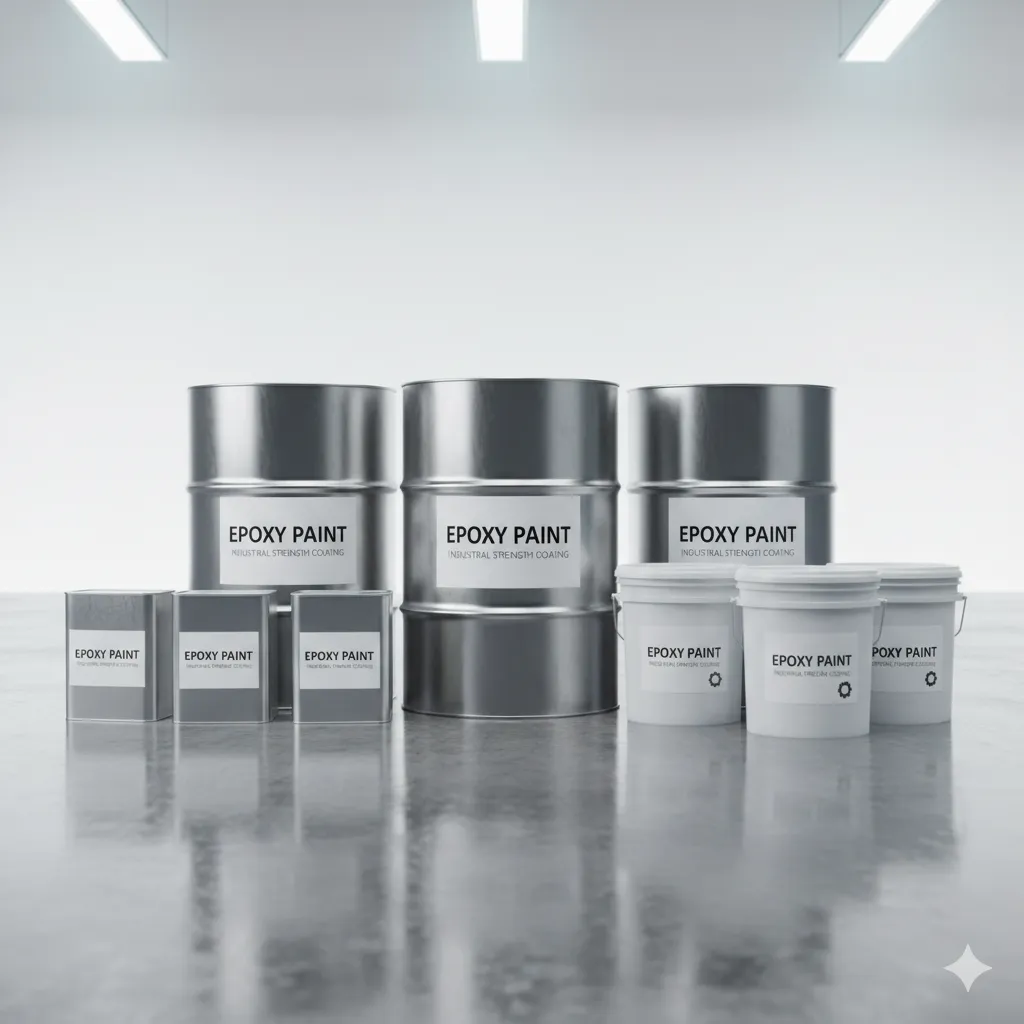
Description
Marine Paint
Marine paint is designed to protect boats, ships, steel structures and other surfaces exposed to water, salt, humidity and harsh marine environments. The correct coating system can help improve corrosion resistance, surface durability and long-term protection.
Marine Paint Systems
Select the coating system according to the substrate, exposure zone, water conditions, corrosion level and required service life.
What Is Marine Paint?
Marine paint is defined as a protective coating system designed for surfaces exposed to marine or high-moisture environments. It can protect steel, metal, concrete and other suitable substrates from water, humidity, salt exposure and corrosion. Different marine areas require different coating systems. A coating suitable above the waterline may not be suitable for continuous immersion or underwater service.
Inspect Surface
Remove Contamination
Prepare Surface
Apply Primer
Apply Coating
Allow Full Cure
Why Use Marine Paint?
The performance of a marine coating depends on the complete system, correct surface preparation and actual service conditions.
Corrosion Protection
Suitable coating systems can help isolate metal surfaces from moisture and corrosive marine conditions.
Water Resistance
Selected marine coatings can provide resistance to water exposure when correctly specified and applied.
Salt Exposure Resistance
Marine environments can expose surfaces to salt and humidity. The correct protective system helps reduce coating damage and corrosion risk.
Durable Protection
Multi-coat systems can provide a protective barrier for vessels, marine structures and industrial equipment.
Strong Adhesion
Proper surface preparation and compatible primers help improve coating adhesion to suitable substrates.
UV Protection Options
Suitable polyurethane or other UV-resistant finishing coats can help protect exposed marine surfaces.
Where Is Marine Paint Used?
Marine paint systems are selected according to the surface material and expected exposure conditions.
Ships and Boats
Marine coating systems can protect suitable steel and metal surfaces on vessels exposed to water, humidity and atmospheric conditions.
Marine Steel Structures
Jetties, marine equipment, structural steel and other exposed components may require protective anti-corrosion coating systems.
Port and Harbour Equipment
Cranes, metal structures and equipment operating in humid or coastal environments may require suitable industrial marine coatings.
Water and Industrial Structures
Selected coating systems can be used on suitable structures exposed to water or high humidity, depending on product approval and service conditions.
Offshore Equipment
Offshore and high-corrosion environments require a coating specification based on the exact exposure zone and operating conditions.
Metal Fabrication
Marine-grade protective systems may be selected for fabricated steel and metal components that require enhanced corrosion protection.
Common Marine Paint Systems
A primer coat that prepares a suitable substrate and improves adhesion between the surface and the protective coating system.
A coating system commonly selected for its strong adhesion, mechanical performance and resistance to selected water and chemical exposures.
A finishing coat often selected where improved weather and UV resistance is required.
A protective coating designed to help reduce corrosion on suitable metal and steel surfaces.
Choosing the Correct System
Do not select marine paint based only on colour or price. The correct coating depends on the actual environment.
- Identify the substrate material.
- Check the existing corrosion level.
- Determine whether the surface is above or below the waterline.
- Check whether the surface faces continuous water immersion.
- Assess salt, humidity and chemical exposure.
- Specify the required surface preparation standard.
- Select compatible primer, intermediate and topcoat layers.
- Follow the product’s specified curing requirements.
Marine Paint Selection Factors
| Factor | Why It Matters | What to Check |
|---|---|---|
| Substrate | Different materials require different preparation and primers. | Steel, aluminium, concrete or other approved substrate. |
| Corrosion Level | Existing rust can affect adhesion and coating performance. | Inspect for rust, pitting and coating failure. |
| Water Exposure | Atmospheric exposure differs from continuous immersion. | Above waterline, splash zone or immersed area. |
| Salt Exposure | Salt contamination can contribute to corrosion and coating failure. | Surface cleanliness and expected marine exposure. |
| UV Exposure | Some epoxy coatings may chalk or change colour outdoors. | Whether a UV-resistant topcoat is required. |
| Coating Thickness | Insufficient or excessive thickness can affect system performance. | Specified dry film thickness for each coat. |
| Application Conditions | Temperature and humidity can affect curing and application quality. | Current product Technical Data Sheet requirements. |
How to Apply Marine Paint
The exact application method depends on the selected coating system and manufacturer’s instructions.
Inspect the Surface
Check the substrate for corrosion, old coating failure, contamination, damage and moisture-related issues.
Clean the Surface
Remove oil, grease, salt contamination, dust, loose rust and other materials that can affect adhesion.
Prepare the Substrate
Use the surface preparation method required by the selected coating specification.
Apply Compatible Primer
Apply the selected primer at the recommended coverage and film thickness.
Apply Intermediate Coats
Where required, apply compatible protective coats within the specified recoat interval.
Apply Topcoat and Cure
Apply the finishing coat where required and allow the complete system to cure according to the product specification.
Marine Paint in Pakistan Conditions
Coastal and high-humidity environments can increase corrosion risk. Product selection and surface preparation become especially important where metal faces regular moisture or salt exposure.
High Humidity
High humidity can affect surface conditions and coating application. Follow the selected product’s temperature and humidity requirements.
Salt Exposure
Salt deposits should be properly removed before coating because contamination can reduce long-term coating performance.
Strong Sunlight
Prolonged UV exposure can affect some standard epoxy coatings. A compatible UV-resistant finishing system may be required.
Advantages of Marine Paint
- Helps protect suitable surfaces from corrosion.
- Provides resistance to water and moisture depending on the system.
- Can be specified for different marine exposure conditions.
- Available in multi-coat protective systems.
- Suitable systems can protect steel and metal structures.
- Compatible topcoats can improve weather and UV resistance.
Limitations to Consider
Marine paint does not provide the same performance in every environment. The following factors can affect the final result:
- Poor surface preparation can reduce adhesion.
- Salt contamination can contribute to premature failure.
- Incorrect coating thickness can affect protection.
- Standard epoxy coatings may require UV-resistant topcoats outdoors.
- Not every coating is suitable for continuous immersion.
- Application outside recommended conditions can affect curing.
Example Marine Coating Assessment
The following example shows how coating selection should start with exposure conditions rather than selecting a product by name alone.
Steel Structure in a High-Moisture Environment
Carbon Steel and Fabricated Steel Components
Weathered steel with localized corrosion and deterioration of the existing protective coating due to coastal moisture and salt exposure
High humidity and regular moisture
Mechanical cleaning, removal of loose rust and damaged coating, followed by cleaning to remove loose dust and visible surface contamination
Compatible anti-corrosion primer
Suitable intermediate marine coating
Topcoat selected according to weather and UV exposure
Dry film thickness and curing requirements
The completed coating system achieved continuous and visually uniform coverage across the prepared steel surfaces. No significant visible missed areas, major runs, peeling or application-related defects were observed during the final inspection.
Important Technical References
Professional marine coating specifications often use recognised standards to define surface preparation, corrosion environments and coating assessment.
ISO 12944
ISO 12944 provides guidance related to corrosion protection of steel structures by protective paint systems and is widely used when specifying protective coating environments.
ISO 8501
ISO 8501 is commonly referenced for visual assessment of surface cleanliness and rust grades before protective coating application.
AMPP / SSPC Surface Preparation Guidance
Surface preparation standards and guidance are commonly used when specifying cleaning and preparation requirements for protective coatings on steel.
Always check the current version of applicable standards and the selected product Technical Data Sheet before preparing a final project specification.
Common Marine Paint Mistakes
Painting Over Rust
Ignoring Salt Contamination
Wrong Primer Selection
Incorrect Film Thickness
Ignoring Recoat Times
Using the Wrong Product for Immersion
How to Choose Marine Paint
For Steel and Metal
Consider the corrosion condition, required surface preparation, primer compatibility and expected environmental exposure.
For Outdoor Marine Structures
Consider humidity, salt exposure, rain and UV exposure. A suitable weather-resistant finishing coat may be required.
For Water Immersion
Confirm that the complete coating system is specifically suitable for the expected immersion conditions.
For Industrial Projects
Check project specifications, expected service conditions, chemical exposure, coating thickness and required maintenance intervals.
Marine Paint Selection Checklist
| Check | Question to Answer |
|---|---|
| Substrate | What material will you coat? |
| Corrosion | Is rust or old coating failure already present? |
| Exposure Zone | Will the surface face atmospheric exposure, splash conditions or immersion? |
| Water Contact | Will the surface experience occasional or continuous water exposure? |
| UV Exposure | Does the system require a UV-resistant finishing coat? |
| Surface Preparation | What cleaning and preparation level does the selected system require? |
| Application Conditions | Do temperature and humidity meet the product requirements? |
| Technical Data | Have you checked the current Technical Data Sheet before application? |
Marine Paint Key Takeaways
Marine paint provides protective coating options for surfaces exposed to demanding water, humidity and marine environments. The best result comes from selecting the complete system according to actual exposure conditions.
Marine Paint FAQs
Common questions about marine paint, protective coatings and marine surface protection.
Marine paint is a protective coating designed for suitable surfaces exposed to water, humidity, salt and marine environments. The exact product should be selected according to the substrate and expected service conditions.
Marine paint can be used on suitable boats, ships, steel structures, harbour equipment, marine equipment and other surfaces exposed to demanding moisture or marine conditions.
Suitable marine coating systems can provide strong resistance to water. However, performance depends on the product formulation, surface preparation, coating thickness, curing and actual exposure conditions.
A correctly selected and applied anti-corrosion marine coating system can help reduce rust and corrosion by protecting suitable metal surfaces from moisture and corrosive exposure.
Most coating systems require proper removal of loose rust and other contamination before application. The required surface preparation depends on the selected product and project specification.
Marine paint is generally selected for more demanding exposure conditions involving water, humidity, salt and corrosion risk. Ordinary decorative paint may not provide the same level of protection in these environments.
Suitable epoxy coating systems are commonly used in protective and marine applications. However, standard epoxy products may require a compatible UV-resistant topcoat for prolonged outdoor exposure.
Only use a coating specifically designed and approved for the expected immersion conditions. A general marine or industrial coating should not automatically be assumed suitable for continuous underwater service.
Yes, selected marine coating systems can be used outdoors. The system should account for sunlight, rain, humidity, salt exposure and temperature changes.
There is no single guaranteed lifespan. Durability depends on the coating system, surface preparation, corrosion environment, water exposure, UV exposure, coating thickness, application quality and maintenance.
Curing time depends on the selected product, temperature, humidity, coating thickness and formulation. Always follow the current Technical Data Sheet for handling, recoating and full cure times.
The primer should be compatible with the substrate and the complete coating system. Product selection depends on the surface material, corrosion condition and expected exposure environment.
Yes. Surface preparation is critical because rust, oil, grease, salt, loose material and dust can reduce coating adhesion and long-term performance.
The price of marine paint in Pakistan depends on the coating type, formulation, packaging size, required quantity, surface condition and complete coating system requirements.
Bulk marine paint supply may be available for contractors, industrial buyers, marine projects, fabrication companies and larger protective coating projects, depending on the required product and order quantity.
Need the Right Marine Paint System?
Share your substrate type, project area, corrosion condition and expected exposure. We can help you identify a suitable marine coating system for your application.
- Product selection support
- Bulk and project requirements
- Marine and anti-corrosion coating systems
- Technical application guidance
Request a Quote
Reviews
There are no reviews yet.